
Sauces & Condiments
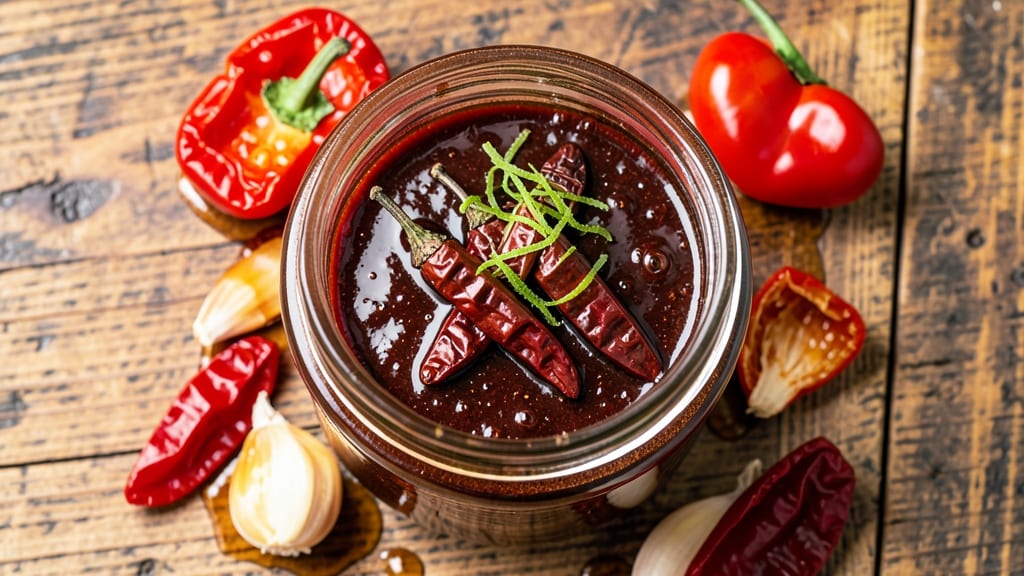
Alton Brown's hot sauce brings smoky chipotle and bright lime zest to life in a way that transforms ordinary meals into bold culinary experiences.
This recipe balances heat, acidity, and depth with precision, using simple ingredients like roasted peppers, apple cider vinegar, and a touch of brown sugar to create a sauce that's both complex and approachable.
The key lies in slow-cooking the peppers to intensify their smoky flavor while maintaining a smooth, velvety texture—no blender required.
What sets this hot sauce apart is its ability to elevate everything from tacos to cocktails without overpowering the dish. The chipotle peppers provide a deep, smoky backbone, while lime zest adds a refreshing citrus note that cuts through the heat.
Brown sugar caramelizes during cooking, adding subtle sweetness that rounds out the flavor profile. Unlike store-bought versions, this recipe delivers a smooth, layered heat that builds gradually with each use.
By simmering the ingredients until fully integrated, you'll achieve a sauce that's rich, aromatic, and versatile enough for any table. The slow reduction process concentrates the flavors, ensuring every drop delivers that signature Alton Brown touch—smoky, tangy, and perfectly balanced.
Whether drizzled over grilled meats, stirred into marinades, or mixed into cocktails, this hot sauce promises to become your go-to condiment.
The best part? This recipe scales effortlessly, making it ideal for gifting or batch cooking. Store it in the fridge for up to 3 months, where the flavors continue to deepen over time.
Let's create a hot sauce that rivals the best you've ever tasted—with just a few simple steps and a little patience.
Ingredients for alton brown hot sauce
Nine ingredients transform into a smoky, tangy hot sauce that rivals store-bought favorites.
| Ingredient | Amount | Notes |
|---|---|---|
| Dried Chipotle Peppers in Adobo Sauce 🌶️ | 4 whole | With some adobo sauce reserved |
| Roasted Red Peppers 🍅 | 1 jar | High-quality, jarred or canned |
| Apple Cider Vinegar 🍏 | 1 cup | Organic preferred for flavor |
| Brown Sugar 🍚 | ¼ cup | Light or dark, packed |
| Lime Zest 🍋 | 1 tbsp | Freshly grated, vibrant |
| Garlic Cloves 🧄 | 2 cloves | Fresh, peeled and minced |
| Cayenne Pepper 🌶️ | ½ tsp | Adjust for heat preference |
| Salt 🧂 | 1 tsp | Kosher or sea salt |
| Water 💧 | ½ cup | Filtered preferred |
The chipotle peppers are the heart of this sauce. Look for dried chipotles in adobo sauce—the smoky, slightly sweet marinade adds depth. Penzeys or Mexican markets carry the best quality, but most grocery stores stock them too. Roasted red peppers? Trader Joe's or Whole Foods have the best jarred versions—vibrant color means better flavor. Apple cider vinegar should be organic if possible; Bragg or local orchard brands add a subtle fruitiness. Brown sugar isn't just sweetness—it caramelizes during cooking, adding a molasses-like richness that balances the heat.
No chipotles in adobo? Substitute smoked paprika plus a pinch of cayenne, but you'll lose that authentic smoky depth. Skip the jarred roasted peppers? Fresh roasted red bell peppers work, but you'll need about 2 cups. For vinegar, white vinegar or even rice vinegar can stand in, though the flavor will be sharper. Brown sugar substitute? Maple syrup or agave nectar adds moisture while sweetening. The garlic can be roasted for extra depth—wrap whole cloves in foil, roast at 400°F for 10 minutes, then peel. And if you're sensitive to heat, reduce the cayenne to 1/4 tsp or omit entirely.
This sauce develops over time—3 months in the fridge is ideal. Store in a clean glass jar with a tight seal. The flavors meld beautifully, becoming more complex with each passing week. For gifting, use small bottles with custom labels. If you make a big batch, freeze extras in ice cube trays for single-serving portions. Once opened, keep it in the fridge; it won't last more than 6 months at room temperature. The longer it sits, the deeper the smoky notes become—patience is key here.
Why You'll Love This Recipe
- Foolproof Simplicity: I swear by this recipe because it’s literally just blending and simmering—no fancy techniques, no waiting for hours. You’ll have a jar of smoky, tangy magic while your slow-cooker still gathers dust.
- Smoky-Sweet Magic: The chipotles in adobo give it that deep, smoldering heat, but the brown sugar and roasted red peppers soften it into something complex—like a hug for your taste buds. Honestly, the lime zest ties it all together with a bright little spark.
- Game for Any Meal: This sauce is my secret weapon for tacos, grilled chicken, or even drizzled over avocado toast. (Yes, even on a Tuesday night.) It’s the kind of thing that makes a simple plate feel like a restaurant dish—no extra effort required.
- Stays Fresh, Costs Less: A single batch lasts me weeks, and the ingredients are cheap—especially if you buy dried peppers in bulk. Plus, it’s one of those recipes where the longer it sits, the better it tastes. Budget-friendly? Check. Always on hand? Double-check.
Step-by-step instructions for alton brown's smoky chipotle hot sauce
Here's how to craft this bold, balanced hot sauce with perfect depth and heat.
Prepare the Chipotle Peppers
Remove the 4 whole dried chipotle peppers from their adobo sauce and place them in a small bowl. Reserve about 2 tablespoons of the adobo sauce for later use—this sauce contains natural sugars and spices that will enhance the final flavor profile. The peppers should be whole and unbroken, as this allows them to infuse their smoky heat gradually rather than overwhelming the sauce immediately.
Using a sharp knife, make a small slit along one side of each pepper to allow the smoky oils to escape more easily during cooking. This simple step ensures maximum flavor extraction without turning the sauce bitter. Set the peppers aside while you prepare the remaining ingredients.
Combine Base Ingredients
In a medium saucepan, combine the 1 cup apple cider vinegar, 0.25 cup brown sugar, 1 tbsp lime zest, 2 minced garlic cloves, 0.5 tsp cayenne pepper, and 1 tsp salt. Stir well to dissolve the brown sugar completely—you should see a light, golden mixture with no visible sugar granules. The vinegar will help dissolve the sugar while providing the acidic foundation for the sauce.
Bring the mixture to a gentle simmer over medium heat, then reduce the heat to low. Let it cook uncovered for about 10 minutes, stirring occasionally. This slow cooking process allows the flavors to meld together while preventing the vinegar from becoming overly harsh. You'll notice the aroma becoming more complex as the garlic and lime zest release their oils.
Infuse the Peppers and Roasted Red Peppers
Add the slit chipotle peppers and the contents of the 1 jar roasted red peppers (drained) to the saucepan. Stir gently to combine, being careful not to crush the chipotle peppers completely. The roasted red peppers will add a sweet, earthy depth that balances the heat from the chipotles. Simmer the mixture for 15-20 minutes, stirring occasionally.
During this time, the peppers will soften and release their smoky, spicy essence into the sauce. You'll see the liquid darken slightly and develop a rich, aromatic steam. Taste the sauce after 15 minutes—it should be developing a complex balance of heat and sweetness. If you prefer more heat, you can add a pinch more cayenne pepper, but proceed with caution as chipotles pack serious heat.
Finish with Water and Reserved Adobo Sauce
Remove the saucepan from heat and let the mixture cool slightly for 5 minutes. Then, stir in the 0.5 cup water and the reserved 2 tablespoons of adobo sauce. This final addition helps balance the acidity and adds another layer of smoky depth. The water also adjusts the consistency to a smooth, pourable texture that's perfect for drizzling.
Strain the hot sauce through a fine-mesh sieve into a clean glass jar, pressing gently on the solids to extract maximum flavor. The resulting sauce should be a deep red color with visible flecks of spice. Let it cool completely before sealing the jar. This sauce will continue to develop in flavor over the next 24 hours, so making it a day ahead yields even better results.
Pro Tips For Making Alton Brown Hot Sauce
- Blend Chipotles First: Toss the dried chipotles in adobo and their sauce into the blender before adding anything else—this ensures the peppers fully emulsify with the vinegar and sugar. I used to add them last, and the sauce always ended up with floating bits that made it look unprofessional (and slightly uneven in heat).
- Strain the Roasted Peppers: After blending the roasted red peppers, strain them through a fine-mesh sieve to remove skins and seeds—this gives you a silky texture instead of a chunky one. Yes, it’s an extra step, but your sauce will taste smoother, and you’ll avoid that "mouthfeel" of overworked peppers.
- Simmer Low and Slow: Reduce the heat to a bare simmer after combining everything—boiling too hard can make the vinegar taste harsh and the sugar burn. I learned this after one batch tasted like a science experiment gone wrong. Keep it at a gentle bubble, and let the flavors meld.
- Toast the Lime Zest: Gently toast the lime zest in a dry pan for 30 seconds before adding it to the sauce—this deepens the citrus notes and removes any bitterness. Sounds weird, but it works: the zest adds a warm, bright aroma that cuts through the smoky chipotle.
Troubleshooting perfect results
Sauce Too Thin?
If your hot sauce ends up too watery, simmer it uncovered for an extra 10-15 minutes to reduce the liquid. The vinegar will evaporate first, concentrating the flavors.
For a thicker consistency, stir in 1-2 tablespoons of cornstarch slurry (mix 1 tbsp cornstarch with 2 tbsp cold water) and simmer for 2-3 minutes until it thickens. Just be careful not to over-reduce, as this can make the sauce too intense. 🌡️
Heat Too Overpowering?
If the heat feels overwhelming, balance it by adding 1-2 teaspoons of honey or maple syrup to the finished sauce. The sweetness will mellow the spice while enhancing the smoky depth. Alternatively, stir in 1 extra tablespoon of lime zest—the bright citrus cuts through the heat beautifully.
For a more gradual adjustment, mix 1 part hot sauce with 1 part neutral oil (like avocado or grapeseed) before serving. 🍋
Sauce Too Thick?
Thick hot sauce can be fixed by whisking in 1-2 tablespoons of hot water or apple cider vinegar while the sauce is still warm. This restores the pourable consistency without diluting the flavor.
If the sauce separates or looks grainy, strain it again through a fine-mesh sieve to remove any clumps. For a smoother texture, you can also blend the strained sauce briefly with an immersion blender—just 5-10 seconds is enough to break up any remaining solids. ✨
Flavor Not Developing?
If your sauce tastes flat or lacks depth, let it rest for 24-48 hours before tasting again. Flavor development happens over time, especially with the chipotle and roasted peppers.
For an extra boost, add 1 teaspoon of smoked paprika or ½ teaspoon of ground cumin to the strained sauce before bottling. These spices will enhance the smoky notes without adding heat. Patience is key—some batches need up to 3 months in the fridge to reach peak flavor. 🕒
Peppers Not Infusing?
If your chipotle peppers aren’t releasing their smoky flavor, they might be too dry or old. Soak them in ½ cup hot water for 10 minutes before using to rehydrate them slightly.
For better infusion, lightly crush the peppers with the back of a spoon (not chopping) before adding them to the saucepan. This breaks the skin without turning the sauce bitter.
If you’re still not getting enough smokiness, add 1 teaspoon of liquid smoke (like La Choy) to the finished sauce—just a drop or two makes a big difference. 🔥
Sauce Too Tart?
Excessive tartness usually means the vinegar wasn’t balanced properly. Fix it by adding 1-2 teaspoons of brown sugar or honey to the strained sauce. The sweetness will round out the acidity.
For a more complex flavor, stir in ½ teaspoon of ground coriander or a pinch of cinnamon—these spices add warmth that complements the vinegar. If the sauce is still too sharp, dilute it slightly with 1 tablespoon of water and taste again. 🍯
Nutrition facts
Frequently asked questions
Can I adjust the heat level in this hot sauce?
Start by reducing the cayenne pepper to ¼ tsp for mild heat, or increase to 1 tsp for extra spice. For a smokier kick without more heat, add ½ tsp smoked paprika to the finished sauce. The chipotle peppers already provide significant heat, so adjust cayenne carefully.
How long will this hot sauce keep?
Store in a clean glass jar in the fridge for up to 3 months, where flavors deepen over time. For longer storage, freeze in ice cube trays for single-serving portions. The sauce won't last more than 6 months at room temperature—always refrigerate after opening.
What can I use if I don't have chipotle peppers?
Substitute with 1 tbsp smoked paprika plus ¼ tsp cayenne, though you'll lose some authentic smoky depth. For a closer match, use 2-3 dried ancho chiles (stemmed and seeded) instead. Soak them in hot water for 10 minutes first to soften.
Is this hot sauce vegan?
Yes! All ingredients are plant-based. Just ensure your apple cider vinegar and brown sugar are certified vegan if needed. The sauce contains no animal products or byproducts. For extra richness, consider adding 1 tbsp aquafaba (chickpea brine) to the finished sauce for a silky texture.
Can I make this hot sauce without roasted red peppers?
Certainly! Use 2 fresh roasted red bell peppers (about 1 cup chopped) or 2 tbsp tomato paste for depth. For a fruitier profile, add 1 tbsp pineapple juice to the simmering base. The sauce will still develop complex flavors—just slightly different.