
Sauces & Condiments
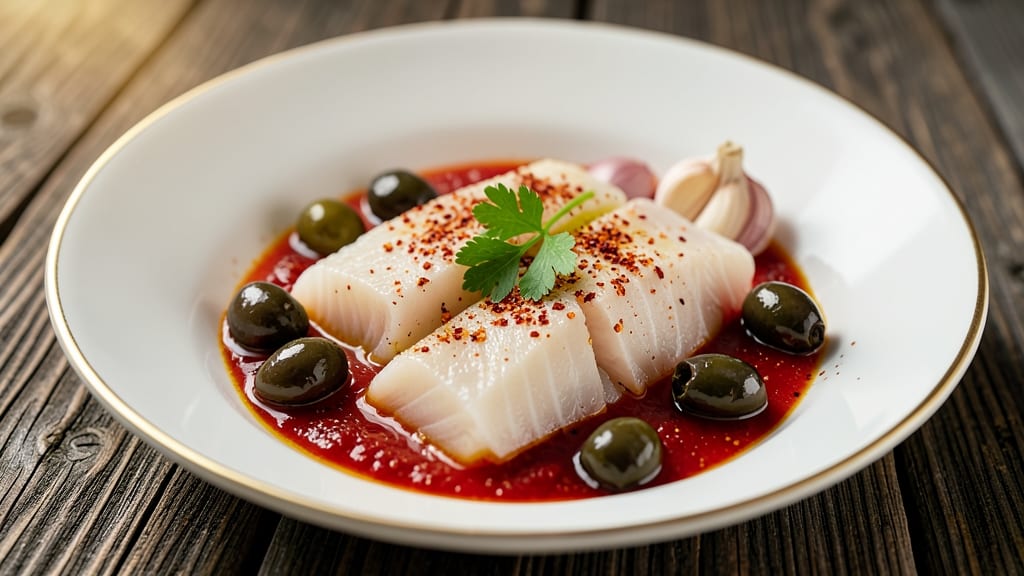
This baccala sauce recipe transforms salt-cured cod into a rich, umami-packed condiment that elevates pasta, grilled fish, and crusty bread. The secret lies in balancing the deep, briny flavor of properly soaked baccala with sweet tomatoes, garlic, and Mediterranean spices—a technique rooted in Southern Italian tradition.
What sets this sauce apart is its ability to deliver complex depth without overpowering the dish it accompanies.
The process begins with carefully preparing the baccala—whether you soak it overnight or use pre-soaked fillets—before simmering it with canned tomatoes, garlic, olives, and chili flakes until the flavors meld into a velvety, slightly chunky sauce.
The result is a condiment that’s both rustic and refined, with a perfect balance of saltiness, acidity, and heat. Unlike store-bought versions, this recipe lets you control the intensity, ensuring every spoonful is packed with authentic flavor.
What makes this sauce truly versatile is its adaptability—drizzle it over al dente pasta, use it as a marinade for grilled fish, or serve it alongside crusty bread for dipping. For those avoiding fish, a mushroom or anchovy substitution keeps the umami profile intact while maintaining the sauce’s signature texture.
The key to success? Patience in simmering and adjusting the consistency to your preference.
Once you taste this sauce, you’ll understand why it’s a staple in Italian kitchens—it’s the kind of condiment that turns simple meals into something extraordinary. Ready to make it? Let’s get started with the ingredients and step-by-step instructions that will bring this classic recipe to life in your kitchen.
Ingredients for baccala sauce
This umami-rich sauce balances briny cod with Mediterranean flavors for pasta, fish, or bread dipping.
| Ingredient | Amount | Notes |
|---|---|---|
| Salt-Cured Cod (Baccala) 🐟 | 1 lb | Pre-soaked or soaked overnight |
| San Marzano Tomatoes 🍅 | 28 oz | Canned, crushed by hand |
| Garlic Cloves 🧄 | 6 cloves | Peeled, thinly sliced |
| Extra-Virgin Olive Oil 🫒 | ½ cup | High-quality, fruity variety |
| Green Olives 🫒 | ½ cup | Pitted, chopped (preferably Gaeta) |
| Red Chili Flakes 🌶️ | 1 tsp | Adjust for heat preference |
| Dried Oregano 🍃 | ½ tsp | Mediterranean variety preferred |
| Bay Leaves 🌿 | 2 whole | Fresh if available |
| White Wine 🍷 | ¼ cup | Dry, crisp variety |
| Salt 🧂 | 1 tsp | Diamond Crystal preferred |
The baccala is the foundation—pre-soaked fillets save time, but soaking overnight for fresh cod deepens flavor. Look for Italian specialty stores or well-stocked seafood markets for authentic baccala; Whole Foods or Eataly carry pre-soaked versions. San Marzano tomatoes are non-negotiable—their natural sweetness balances the saltiness perfectly. If using fresh tomatoes, roast them first to concentrate their flavor. The olive oil should be extra-virgin, with a fruity, peppery finish that stands up to the baccala's intensity.
No baccala? Mushrooms or anchovies replicate the umami—sauté sliced portobello mushrooms with olive oil and garlic for a meaty texture, or use anchovy paste (1 tsp) for depth. Substitute white wine with dry vermouth or extra broth—the acidity is key. For olives, Kalata or Sicilian green olives work beautifully, but any pitted variety in a pinch. The chili flakes can be swapped for fresh chili pepper (seeds removed for less heat), and dried oregano works fine if fresh isn't available. Always taste as you go—the sauce should harmonize saltiness with acidity, not overwhelm.
Store the sauce in an airtight container with a thin layer of olive oil on top to preserve freshness. Keeps for 5-7 days in the refrigerator, though flavor deepens over time. Freeze for up to 3 months**—portion into ice cube trays for single-use servings. The sauce thickens as it cools, so thin with a splash of water or broth before reheating. For best results, simmer gently on low heat—rushing the process dulls the flavors. This sauce is worth the patience; every spoonful reveals layers of Mediterranean tradition.
Why You'll Love This Recipe
- One-Pot Magic: I swear by this—just toss the baccala, tomatoes, and garlic in a pot, let it simmer. No chopping, no fuss, and the flavors meld into something ridiculously good while you sip wine and pretend you’re in a Sicilian trattoria.
- Umami Bomb: That salt-cured cod? It’s like liquid gold—salty, briny, but balanced by the sweet San Marzano tomatoes and green olives. The garlic? Oh, it’s there, but it doesn’t overpower—just deepens the sauce into something you’ll lick the spoon for.
- Weeknight to Weekend: Make it on a Tuesday for pasta, then use the leftovers to stuff peppers or top toast the next day. Honestly, I’ve even served it at dinner parties—no one guessed it was a last-minute fix.
- Budget Flex: A little baccala goes a long way, and the rest of the ingredients? Pantry staples. I’ve fed four people for under $15, and the sauce still tastes like a splurge. (Yes, even on a Tuesday night.)
Step-by-step instructions for baccala sauce
Aromatic, briny, and deeply flavorful—this traditional Neapolitan sauce transforms salt-cured cod into a rich tomato base. Follow these precise steps to unlock its complex umami depth.
Prepare the Baccala for Cooking
Remove the soaked 1 lb Salt-Cured Cod (Baccala) from the water and pat it thoroughly dry with paper towels. Using a sharp chef's knife, cut the cod into ½-inch thick slices, removing any remaining skin or connective tissue. The cod should be firm but tender—press gently with your finger to test readiness; if it springs back, it's properly soaked.
Heat 0.25 cup White Wine in a large, heavy-bottomed saucepan over medium heat until it just begins to simmer. Add the baccala slices and poach for 3-4 minutes per side until they turn opaque and flake easily with a fork. Remove the cod with a slotted spoon and set aside—you'll return it to the pan later, but first, we'll build the sauce foundation.
Develop the Tomato Base
In the same saucepan, add 0.5 cup Extra-Virgin Olive Oil and increase heat to medium-high. Add the 6 cloves Garlic Cloves and cook for 30 seconds until fragrant but not browned—garlic burns quickly, and we want to preserve its sweetness. Immediately add 28 oz San Marzano Tomatoes, crushed by hand, and stir to combine.
Bring the mixture to a gentle simmer, then reduce heat to low. Let it cook uncovered for 20-25 minutes, stirring occasionally, until the tomatoes break down into a thick, syrupy consistency. You're looking for a sauce that coats the back of a spoon with minimal resistance. If the sauce thickens too quickly, add 2-3 tablespoons of water to maintain balance.
Infuse with Aromatics and Olives
Return the poached baccala to the saucepan. Add the 0.5 cup Green Olives, 1 tsp Red Chili Flakes, 0.5 tsp Dried Oregano, and 2 whole Bay Leaves. Stir gently to combine, then increase heat to medium-low and let the sauce simmer for an additional 15-20 minutes. The cod will begin to disintegrate, releasing its briny essence into the sauce.
Taste the sauce and adjust seasoning with the 1 tsp Salt if needed. The balance should be harmonious—bright from the tomatoes, briny from the cod, with a subtle heat from the chili. If the sauce is too acidic, add a pinch more salt to round out the flavors. Remove the bay leaves before serving, as their texture becomes fibrous when overcooked.
Finish and Rest the Sauce
Transfer the sauce to a blender or use an immersion blender to purée it until smooth. For a rustic texture, leave it slightly chunky by blending only partially. Return the sauce to the saucepan and simmer for another 5 minutes to allow the flavors to meld completely. The sauce should now have a velvety consistency with a deep, umami-rich profile.
Remove from heat and let the sauce rest for 10 minutes at room temperature. This resting period allows the flavors to settle and the sauce to thicken slightly, ensuring it clings perfectly to pasta or bread. Serve immediately over spaghetti, polenta, or crusty bread, garnished with a drizzle of Extra-Virgin Olive Oil and a sprinkle of Red Chili Flakes for a finishing touch.
Pro Tips For Making Baccala Sauce
- SOAK THE BACCALA LONG: I learned this the hard way—skipping the 36-hour soak in cold water with a vinegar splash (1 part vinegar to 3 parts water) leaves your baccala tough as a boot. Change the water twice, and don’t rush it. The fish should be neutral-tasting, not briny, before you even think about cooking.
- CRUSH TOMATOES BY HAND: Canned San Marzano tomatoes are perfect, but resist the urge to blend them. Roughly crush them with your fingers—this keeps the texture chunky and lets the sauce develop depth faster. No food processor? A fork works, but you’ll miss the satisfying resistance of tomatoes giving up their juice.
- SWEAT GARLIC LOW AND SLOW: After burning three batches, I finally figured out: garlic needs 5 minutes on the lowest heat possible, stirring constantly. If it starts to sizzle, you’ve lost. The goal is golden, not crispy—this sets the foundation for a sauce that won’t taste like you charred your kitchen.
- ADD GREEN OLIVES LATE: Tossing them in early makes them mushy and bitter. Wait until the sauce is thickened and just off the heat, then fold them in. They’ll stay plump and bright, adding that briny pop without turning into a sad, pulpy afterthought. (Yes, even if you’re impatient like me.)
Flavor customization for baccala sauce
Spicy Heat Boost
For those who love a kick, add ½ tsp crushed red pepper or 1 thinly sliced fresh chili pepper (like jalapeño or serrano) when simmering the tomatoes. If you prefer smoky heat, swap the chili flakes for 1 tsp smoked paprika—it adds depth while keeping the sauce vibrant.
I find that a mix of both (chili flakes + smoked paprika) creates a perfect balance of sharpness and complexity. 🌶️
Sweet-Tangy Twist
Brighten the sauce with 1 tbsp balsamic vinegar or 1 tsp honey during the final 5 minutes of simmering. This cuts through the saltiness while adding a subtle sweetness that enhances the tomatoes' natural fruitiness.
For extra tang, stir in 1 tbsp lemon juice at the end—it’s a game-changer for balancing flavors. Trust me, your taste buds will thank you.
Herb Variations
Swap the oregano for 1 tsp fresh basil or thyme for a brighter, more aromatic profile. If you love fresh herbs, add them at the very end to preserve their vibrancy.
For a Mediterranean twist, include ½ tsp fennel seeds (toasted in the olive oil) alongside the garlic—they add a subtle licorice note that pairs beautifully with the briny cod. 🌿
Umami Deepeners
Boost the umami without baccala by adding 1 tbsp soy sauce (or 1 tsp fish sauce for authenticity) when simmering the tomatoes. For a vegetarian version, stir in 1 tbsp nutritional yeast or 1 tsp mushroom powder—they mimic the savory depth of the cod.
I’ve also had great success with 1 anchovy fillet (dissolved in the wine) for a quick umami punch.
Texture Adjustments
For a smoother sauce, blend it until silky after removing the bay leaves. Prefer rustic texture? Leave it slightly chunky by blending only half the batch. If the sauce is too thick, thin it with 1-2 tbsp water or white wine—just enough to loosen it without diluting the flavor.
A light drizzle of olive oil before serving also adds richness and helps the sauce cling better to pasta or bread.
Regional Adaptations
In Sicily, they often include capers (1 tbsp) and pine nuts (2 tbsp, toasted) for a nutty crunch. For a Neapolitan touch, fold in 1 tbsp grated pecorino cheese at the end—it adds a sharp, salty contrast.
If you’re feeling adventurous, try a splash of Amaro (1 tsp) during the final simmer for a bitter-sweet complexity that’s pure Italian apothecary magic. ✨
Nutrition facts
Frequently asked questions
Why does the baccala need to be soaked before using it?
Soaking removes excess salt, which can overpower the sauce if left unchecked. Fresh baccala should soak for 24-48 hours in cold water (changed every 8 hours), while pre-soaked fillets just need a quick rinse. Proper soaking ensures the sauce's flavors shine without a harsh salty bite—think of it as the foundation for that perfect balance of briny and sweet notes.
Can I make this sauce without baccala?
For a vegetarian version, substitute with 1 cup sliced portobello mushrooms sautéed in olive oil until tender, or use 1 tsp anchovy paste for umami depth. Both options mimic the briny, savory profile while keeping the sauce's signature texture. The key is maintaining that Mediterranean flavor balance—just adjust the salt accordingly.
How do I know when the sauce is ready?
The sauce is done when it coats the back of a spoon smoothly and the tomatoes have broken down into a thick, syrupy consistency (20-25 minutes total simmering). Taste for balance—it should harmonize saltiness from the cod with the tomatoes' acidity, and the garlic/olives should be fully infused. If it's too thick, thin with 1 tbsp water or white wine before serving.
What's the best way to store leftover sauce?
Transfer to an airtight container with a thin layer of olive oil on top to preserve freshness. It keeps for 5-7 days in the fridge or 3 months frozen. For single servings, freeze in ice cube trays—just thaw and reheat gently. The flavors actually deepen over time, making it perfect for future pasta nights!