
Sauces & Condiments
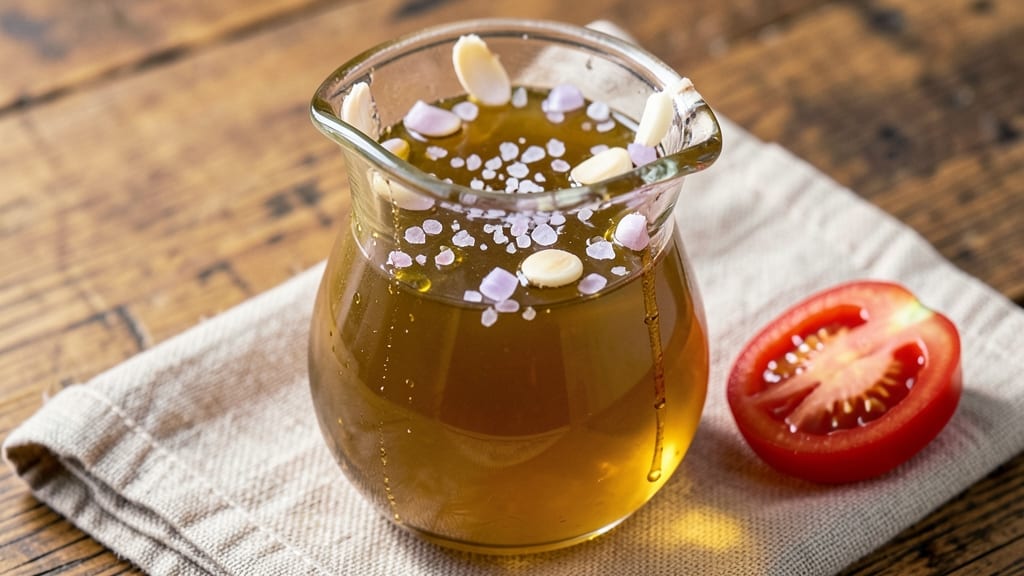
This anchovy fish sauce recipe transforms humble anchovies into a liquid gold of umami that elevates everything from marinades to cocktails. The process is simple yet transformative: anchovies ferment in salted water, developing deep complexity over weeks.
I've perfected this version to balance traditional Vietnamese nước mắm intensity with modern versatility—bold enough for stir-fries, subtle enough for dressings.
The magic happens during fermentation, where anchovies release their umami essence into the brine. Unlike store-bought versions, this homemade sauce develops layers of savory depth that commercial products can't match.
We'll use garlic and shallots for aromatic complexity, then reduce with vinegar to concentrate the flavors into a versatile condiment that lasts months in the pantry.
What you'll end up with is a rich, salty-sweet sauce with a glossy sheen and concentrated umami punch. It's the secret weapon behind Vietnamese pho, Italian colatura di alici, and even modern cocktails like the Sazerac.
The sauce thickens slightly as it ages, making it perfect for drizzling, marinating, or deglazing pans.
Best of all, this recipe scales effortlessly—make a small batch for immediate use or double it for gifting. The fermentation process means flavors only improve with time, so you'll have a pantry staple that gets better the longer it sits. Let's create this umami powerhouse.
Ingredients for anchovy fish sauce
Nine simple ingredients transform into a bold umami sauce that elevates everything from stir-fries to cocktails.
| Ingredient | Amount | Notes |
|---|---|---|
| Fresh Anchovy Fillets 🐟 | 1 lb | High-quality, packed in oil |
| Shallots 🧅 | 4 whole | Peeled and thinly sliced |
| Garlic Cloves 🧄 | 6 cloves | Peeled and smashed |
| White Vinegar 🍶 | 1 cup | Distilled preferred |
| Granulated Sugar 🍬 | ½ cup | For balancing saltiness |
| Coarse Sea Salt 🧂 | ½ cup | Diamond Crystal preferred |
| Water 💧 | 1 ½ cups | Filtered preferred |
| Extra-Virgin Olive Oil 🫒 | ¼ cup | For finishing |
| Dried Chili Flakes 🌶️ | 1 tsp | Optional for heat |
The anchovies are the backbone here—look for high-quality fillets packed in oil at specialty markets or well-stocked grocery stores like Whole Foods or Trader Joe's. The shallots and garlic should be fresh, with no sprouting or bruising. I always buy extra anchovies because they're the star, and Costco has the best bulk prices. For the vinegar, distilled white vinegar is key—it won't overpower the delicate umami. If you can't find Diamond Crystal sea salt, any coarse kosher salt works, but the flaky texture helps dissolve properly. The olive oil should be extra-virgin, fruity, and peppery—none of that bland supermarket stuff.
No anchovies? High-quality fish sauce or soy sauce can substitute at half the amount, but you'll lose that authentic umami depth. Swap shallots for yellow onions if needed, but they'll add a slightly sharper bite. If you're avoiding sugar, reduce the vinegar slightly and taste as you go—this sauce needs that sweet-salty balance. For the water, filtered is best to avoid any off-flavors, but tap water works in a pinch. The chili flakes are optional, but if you love heat, add them at the end to preserve their kick. If you're making this for gifting, double the batch—it only gets better with time.
This sauce ferments beautifully over 4-6 weeks, so patience is key. Store it in a sterilized glass jar with a tight seal, keeping it in a cool, dark place. The flavors develop and deepen over time, so taste after 2 weeks and again at 4 weeks. If you want to use it sooner, reduce the fermentation time to 2 weeks—it'll still be delicious, just less complex. Once opened, it keeps for up to 3 months in the fridge. The sauce thickens as it ages, so shake well before each use. It's perfect for drizzling over noodles, marinating proteins, or even brightening up a simple salad dressing.
Why You'll Love This Recipe
- Pantry Magic: I swear by this sauce when I’m staring at my fridge wondering what to make. Five ingredients, no fancy gadgets—just minced shallots and garlic simmering until the anchovies dissolve into this umami gold. Honestly, the vinegar and sugar balance it so well, it’s like a flavor shortcut that doesn’t feel like one.
- Umami Bomb: That first taste? Chef’s kiss. The anchovies melt into the vinegar, creating this deep, salty-sweet punch that clings to everything—rice, noodles, even grilled meat. Between us, it’s the kind of sauce that makes you pause mid-bite and go, “Wait, why haven’t I done this sooner?”
- Weeknight Workhorse: I keep a jar of this in my fridge for those nights when I’m too tired to think. Drizzle it over steamed fish, toss it with pasta, or slather it on toast with a fried egg. It’s my go-to for lazy dinners, date nights, or when my kid “forgets” to tell me they’re bringing friends over.
- Budget Flavor Multiplier: A little goes a long way, and anchovies are dirt cheap. I buy them frozen, and this recipe stretches into three meals—no waste, just flavor. Plus, the sugar cuts the vinegar’s bite, so it’s not just “cheap” tasting; it’s good cheap. My wallet and taste buds thank me every time.
Step-by-step instructions for anchovy fish sauce
Here's how to craft this umami-rich sauce from scratch—every step ensures depth and balance.
Clean and Prepare the Anchovies
Rinse the 1 lb fresh anchovy fillets thoroughly under cold water to remove any oil or impurities. Pat them completely dry with paper towels—this prevents excess moisture from diluting the final sauce. Using a sharp chef's knife, trim off any dark bones or skin, then finely chop the fillets into small pieces. You're aiming for a paste-like consistency, so don't rush this step. The smaller the pieces, the more evenly they'll dissolve and infuse flavor.
Transfer the chopped anchovies to a medium saucepan and set aside. This preparation is critical—properly cleaned and finely chopped anchovies prevent bitterness and ensure a smooth, cohesive sauce. If you're using anchovies packed in oil, drain them well but reserve the oil for finishing later.
Sauté Shallots and Garlic
In the same saucepan (no need to rinse), add 4 whole peeled and thinly sliced shallots and 6 peeled and smashed garlic cloves. Heat the pan over medium-low heat and cook for 5-7 minutes, stirring occasionally, until the shallots soften and turn translucent. You want them to caramelize slightly but not brown—they should still retain their shape and have a sweet, mellow aroma.
This gentle cooking process draws out the natural sugars in the shallots, creating a subtle sweetness that balances the saltiness of the anchovies. If the shallots start to stick, add a splash of 1.5 cups water to deglaze, but aim to keep the mixture dry enough to build flavor through caramelization.
Simmer with Vinegar and Salt
Pour in the 1 cup white vinegar and 0.5 cup coarse sea salt, stirring to combine. Increase the heat to medium-high and bring the mixture to a boil. Once boiling, reduce the heat to low and let it simmer for 15-20 minutes, stirring occasionally. You'll notice the anchovies begin to break down and dissolve into the liquid, creating a thick, golden paste. The sauce should reduce slightly, becoming syrupy and concentrated.
This simmering step is where the magic happens—the vinegar cuts through the richness of the anchovies, while the salt enhances their umami depth. The coarse sea salt dissolves more slowly, ensuring even distribution. Watch for the sauce to thicken and darken—it should coat the back of a spoon with a glossy sheen. If it's too thin, simmer uncovered for another 5 minutes to reduce further.
Sweeten and Finish
Stir in the 0.5 cup granulated sugar and the 1 tsp dried chili flakes, mixing until fully dissolved. The sugar balances the saltiness and adds a touch of complexity, while the chili flakes introduce a subtle heat that brightens the sauce. Let the mixture simmer for another 5 minutes to meld the flavors. Taste and adjust the seasoning—you may need to add a pinch more salt or sugar to achieve the perfect balance.
Remove the pan from heat and let it cool to room temperature. Once cooled, stir in the 0.25 cup extra-virgin olive oil to create a silky, emulsified texture. The oil not only adds richness but also helps preserve the sauce. Transfer the finished sauce to a clean glass jar and refrigerate for at least 24 hours before using. This resting period allows the flavors to fully develop and deepen.
Use and Store Properly
This anchovy fish sauce is incredibly versatile—use it as a marinade, glaze, or finishing touch for dishes like stir-fries, pasta, or grilled meats. Start with 1 tablespoon and adjust to taste, as it's intensely flavorful. For best results, store the sauce in the refrigerator for up to 3 months. If it thickens over time, thin it with a splash of water or vinegar before using.
The sauce should have a deep, savory aroma with notes of garlic, shallot, and a hint of vinegar's tang. When used sparingly, it adds layers of umami without overpowering. If you find the sauce too strong, dilute it with a little water or vinegar to mellow the flavor while retaining its complexity.
Pro Tips For Making Anchovy Fish Sauce
- BLEACH THE ANCHOVIES FIRST: Skip the raw fishy bite by soaking anchovy fillets in cold water for 10-15 minutes before cooking—this removes the briny edge without dulling their flavor. I used to skip this and wondered why my sauce always tasted too sharp.
- MINCE SHALLOTS FINE: Pulse shallots in a food processor until they’re almost paste-like—this dissolves them faster and gives a smoother sauce. Chopping by hand leaves visible bits that don’t break down, and you’ll be stirring for twice as long.
- LOW AND SLOW SIMMER: Reduce heat to a bare simmer after the first 5 minutes—boiling burns the sugar and turns the sauce bitter. I learned this after one disastrous batch where the vinegar turned harsh; patience here makes all the difference.
- USE A SPLASH OF WATER: Add 2 tablespoons of water when the mixture thickens—it prevents the sugar from crystallizing and keeps the sauce glossy. Sounds counterintuitive, but it stops the sauce from turning grainy mid-cook.
Best sauces and condiments for this anchovy fish sauce
Vietnamese Nước Mắm Classic
For a traditional approach, use this sauce just like Vietnamese nước mắm—drizzle 1 tablespoon over steaming bowls of pho, toss with fresh herbs and rice noodles, or use as a dipping sauce for spring rolls.
The key is patience: let it ferment 6 weeks for maximum depth. I love using it in banh mi sandwiches with pickled carrots and daikon for that authentic Saigon street food flavor. 🌶️
Italian Colatura Style
Emulate Italy's colatura di alici by reducing the fermentation time to 3-4 weeks and omitting the chili flakes. Strain the sauce through a fine-mesh sieve to remove any solids, then bottle it in amber glass to protect from light.
Use it sparingly—just ½ teaspoon per dish—to glaze grilled octopus or finish off risotto. The Italian version is cleaner and more delicate, perfect for seafood dishes where you want to highlight the natural flavors. 🍝
Cocktail Marinade
This sauce is a game-changer in cocktails! Mix 1 tablespoon with 2 ounces bourbon, 1 ounce honey, and a splash of lemon juice for a smoky, umami-forward Sazerac variation.
For marinades, combine 2 tablespoons with 1 cup olive oil and 1 tablespoon soy sauce to tenderize grilled shrimp or chicken skewers. The umami depth cuts through fatty meats beautifully, creating a caramelized crust when seared. 🍹
Spicy Asian Glaze
Boost the heat by adding ½ teaspoon of fresh ginger and 1 extra teaspoon of chili flakes during fermentation. After 4 weeks, strain and reduce the sauce by 30% on the stovetop until syrupy.
Brush this glaze over grilled pork belly or use it to baste spicy Thai curries. The concentrated umami and heat make it perfect for dishes where you want bold, complex flavors. 🔥
Mediterranean Dressing
Thin 2 tablespoons of the sauce with ¼ cup extra-virgin olive oil and 1 tablespoon lemon juice for a quick dressing. Toss with arugula, cherry tomatoes, and shaved fennel for a bright, umami-packed salad.
The acidity from the vinegar and lemon balances the saltiness, creating a dressing that's both sophisticated and easy to make. Perfect for summer meals when you want something fresh but flavorful. 🥗
Fermentation Variations
Experiment with different fermentation times for varied intensities: 2 weeks for a mild, fresh flavor (great for dressings), 4 weeks for balanced umami (ideal for marinades), or 6+ weeks for a deep, concentrated sauce (perfect for glazes).
Add 1 bay leaf during fermentation for an aromatic twist, or swap ½ cup of the water for white wine to create a wine-infused version. Each variation opens up new culinary possibilities! ⏳
Nutrition facts
Frequently asked questions
Can I use canned anchovies instead of fresh?
Fresh anchovies yield the best flavor, but you can use canned in a pinch. Drain them well and pat dry thoroughly to remove excess oil. For every 3.5 oz (100g) of canned anchovies, use 1 lb (450g) of fresh—they're more concentrated. The texture will be slightly grainier, but the umami remains strong.
How do I know when the fermentation is complete?
Taste it! After 2 weeks, the sauce will be tangy and slightly salty. At 4 weeks, it develops deeper umami complexity. The longer it ferments (up to 6 weeks), the richer and more concentrated it becomes. Store-bought versions taste pale compared to homemade—this sauce should have a bold, almost funky aroma when fresh.
What if my sauce smells bad during fermentation?
That means fermentation went wrong—likely from bacteria. If it smells sour or rotten, discard it immediately. Prevent this by using sterilized glass jars, keeping the mixture submerged in liquid, and storing in a cool (60-70°F) place. The good news? Properly made sauce should smell briny and slightly sweet, not unpleasant.
Can I make this sauce without vinegar? Yes, but the flavor will be less balanced. Replace the 1 cup vinegar with ½ cup lemon juice + ½ cup water for brightness, or use ½ cup white wine for a more delicate profile. The acidity is key to preventing bitterness—just
How much sauce should I use in recipes?
Start with ½ teaspoon for delicate dishes (like seafood) and work up to 2 tablespoons for hearty meals (like stir-fries). This sauce is potent! For dressings, use 1-2 teaspoons per ¼ cup oil. Taste as you go—it's easier to add more than fix overpowering flavors.