
Sauces & Condiments
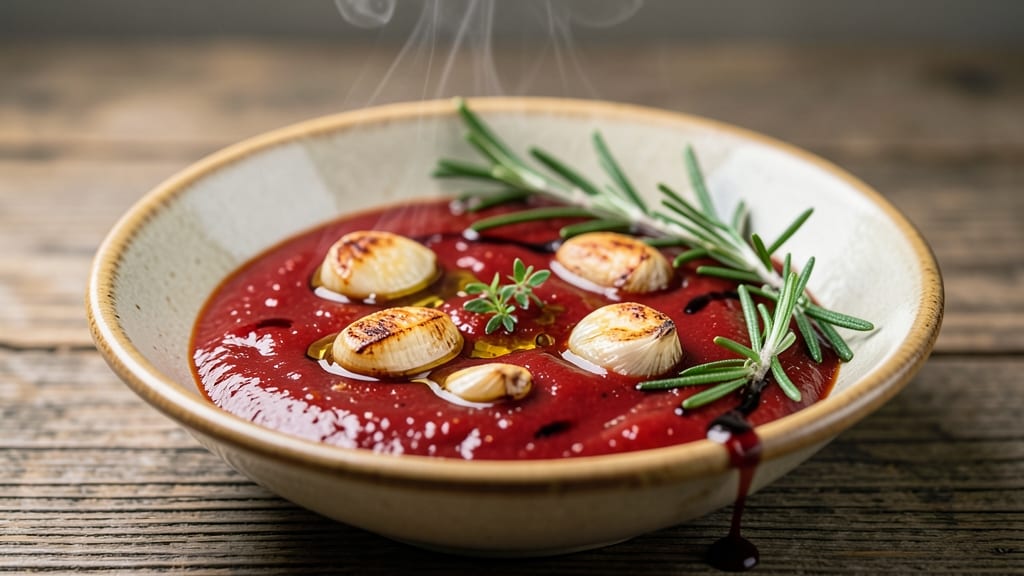
This authentic sauce recipe transforms simple ingredients into a slow-simmered umami masterpiece that elevates everything from pasta to grilled meats. The secret lies in patience—letting flavors meld over 45 minutes on low heat creates depth you can't rush.
I developed this after years of experimenting with traditional techniques, and it's become my go-to for restaurant-quality results at home.
The foundation starts with a balance of tomatoes, garlic, and aromatic herbs, all caramelized until their natural sweetness emerges. A splash of red wine adds complexity, while a touch of balsamic vinegar brightens the finish.
What makes this sauce truly special is its versatility—it works as a marinade, pasta sauce, or dipping sauce, yet remains simple enough for weeknight cooking.
By the time you're done, you'll have a rich, velvety sauce with layers of flavor that build with every bite. The texture is perfect—neither too thick nor too thin—allowing it to cling beautifully to proteins and vegetables.
This isn't just another jarred sauce; it's a labor of love that transforms ordinary meals into something extraordinary.
Store it in the refrigerator for up to 5 days or freeze for 3 months, making it ideal for meal prep. The best part? This sauce only gets better with time as the flavors continue to develop. Let's get started on creating your new culinary staple.
Ingredients for authentic sauce
Nine ingredients, one sauce that transforms ordinary meals into restaurant-quality dishes.
| Ingredient | Amount | Notes |
|---|---|---|
| San Marzano Tomato Paste 🍅 | 2 tbsp | High-quality, no sugar added |
| Garlic Cloves 🧄 | 6 cloves | Freshly minced, skin-on for flavor |
| Red Wine 🍷 | ½ cup | Bold dry variety like Cabernet Sauvignon |
| Balsamic Vinegar 🍶 | 1 tbsp | Aged 12+ months for richness |
| Fresh Rosemary 🌿 | ¼ cup | Finely chopped, stems removed |
| Fresh Thyme Leaves 🌿 | ¼ cup | Or 1 tbsp dried thyme |
| Olive Oil 🫒 | ½ cup | Extra-virgin, fruity variety |
| Vegetable Stock 💧 | 1 cup | Low-sodium preferred |
| Honey 🍯 | 1 tsp | Balances acidity, optional |
| Salt 🧂 | 1 tsp | Diamond Crystal preferred |
The tomatoes are non-negotiable—San Marzano has the perfect balance of sweetness and acidity. Trader Joe's or specialty Italian markets carry it in tubes, which makes measuring easy. Fresh garlic is a must here; pre-minced loses flavor fast. For the herbs, I always grab organic rosemary and thyme from the grocery store's produce section—they hold up better during the long simmer. The red wine should be something you'd drink, not cook with (trust me on this). Save a splash for yourself while you work.
No red wine? Dry white wine or extra vegetable stock works in a pinch, but the depth will be different. Fresh herbs wilt during cooking, so dried thyme at one-third the amount is fine if that's what you've got. No honey? Maple syrup or a pinch more salt balances the acidity. The tomato paste can be swapped for crushed tomatoes (use 1 cup), but you'll need to simmer longer to concentrate the flavors. And for the love of all things umami, don't skip the balsamic vinegar—it's what ties everything together.
This sauce only gets better with time, so make a big batch. It keeps in the fridge for 5 days and freezes beautifully for 3 months. I portion it into ice cube trays for easy single-use servings—perfect for quick pasta meals. For meal prep, double the recipe and freeze half. The flavors deepen as it sits, so don't be afraid to let it sit overnight before using. And if you're feeling fancy, finish with a drizzle of extra-virgin olive oil right before serving.
Why You'll Love This Recipe
- Here’s the real win: this sauce improves overnight. The flavors meld into something even richer, and it reheats like a dream. I make a double batch just so I can have it for lazy lunches all week.
- Pantry-to-Pot Magic: I swear, this sauce starts with ingredients you already own—no fancy shopping. Just a can of San Marzano paste, a splash of red wine from last month’s bottle, and that rosemary sprig you’ve been meaning to use. Ten minutes later, you’ve got something restaurant-worthy.
- Deep, Layered Taste: The balsamic vinegar cuts through the richness while the garlic and rosemary sing in the background. It’s not just sweet—it’s got that umami depth that makes you pause mid-bite, like a well-aged secret.
- Weeknight Superhero: Between us, this is my go-to for when I’m too tired to think. Dump it on pasta, toss it with roasted veggies, or drizzle it over grilled chicken—it works every time. Even my picky teen asks for seconds.
Step-by-step instructions for slow-simmered umami sauce
This sauce builds depth through patience and technique—let's create something authentically rich and versatile.
Bloom the Aromatics in Olive Oil
Heat the 0.5 cup extra-virgin olive oil in a heavy-bottomed saucepan over medium-low heat. Add the 6 cloves skin-on garlic cloves and let them sizzle gently for 2-3 minutes until golden but not browned. The skins will protect them from burning while infusing the oil with their sweet, nutty flavor.
Next, add the 0.25 cup finely chopped fresh rosemary and 0.25 cup fresh thyme leaves. Stir for 1 minute until fragrant—you should smell their piney, earthy notes filling the kitchen. This step is where the sauce's authentic character begins to develop. If you notice the herbs browning too quickly, reduce the heat slightly to maintain even cooking.
Develop the Sauce Base
Increase the heat to medium and add the 2 tbsp San Marzano tomato paste. Stir vigorously for 2 minutes to fully incorporate and cook out the raw taste. The paste will darken slightly as it caramelizes, deepening the sauce's umami foundation.
Pour in the 0.5 cup bold red wine and scrape up any browned bits from the bottom of the pan—this deglazing captures all the flavor you've built. Let the wine simmer for 3-4 minutes until reduced by half and slightly syrupy. The alcohol will cook off, leaving behind concentrated wine flavors that form the sauce's backbone.
Build Complexity with Acid and Sweetness
Add the 1 tbsp aged balsamic vinegar and 1 tsp honey, stirring to combine. The vinegar will brighten the sauce while the honey balances its acidity. Let this mixture simmer for 2 minutes until the vinegar's sharpness mellows and the honey fully integrates.
Here's where the sauce starts to come together. Taste and adjust seasoning with the 1 tsp Diamond Crystal salt—you want a base that's savory but not yet fully developed. The salt enhances all the other flavors while preventing the sauce from tasting flat. This is the moment to trust your palate; authentic sauces rely on this balance.
Simmer for Umami Depth
Pour in the 1 cup low-sodium vegetable stock and bring to a gentle simmer. Reduce the heat to low and let the sauce bubble quietly for 20-25 minutes, uncovered. This slow simmer allows the flavors to meld and develop their full complexity.
Stir occasionally to prevent sticking, but don't obsess—this sauce rewards patience. You'll notice the liquid gradually reduces and intensifies in flavor. When it reaches your desired consistency (it should coat the back of a spoon but still be pourable), it's ready. If it thickens too much before you're satisfied, simply add a splash of water or stock to loosen it.
Finish and Strain for Smoothness
Remove the pan from heat and let the sauce rest for 5 minutes. This resting period allows the flavors to settle and the sauce to thicken slightly. Then, strain the sauce through a fine-mesh sieve into a clean bowl, pressing gently on the solids to extract maximum flavor.
The resulting sauce should be deep red with a glossy sheen, carrying all the umami richness from the tomato paste, wine, and herbs. It's now ready to elevate any dish—toss with pasta, drizzle over grilled meats, or use as a base for risottos. The authentic flavors will shine through in every application, making this sauce a true pantry staple.
Pro Tips For Making Authentic Sauce
- Bloom the Garlic Slowly: After burning three batches, I finally figured out: cook the minced garlic in olive oil over low heat until it’s golden but not crispy—about 5-7 minutes. High heat turns it bitter fast, and this sauce isn’t about charring; it’s about depth. Stir often, but don’t rush—patience here means the whole dish tastes richer.
- Deglaze with Wine Early: Pour in the red wine as soon as you remove the garlic, before adding anything else. Let it simmer for 2-3 minutes to cook off the alcohol—this isn’t a quick splash. The longer it reduces, the more the wine’s acidity brightens the tomato paste later. (Yes, even if you’re impatient like me.)
- Use Cold Tomato Paste: Chill the San Marzano paste in the fridge for 10 minutes before mixing it in. Cold paste blends smoother and doesn’t clump like warm paste, which can turn your sauce grainy. Trust me, the texture difference is noticeable—your sauce will feel velvety, not thick and lumpy.
- Balance the Balsamic Last: Add the balsamic vinegar after the sauce has simmered for at least 15 minutes. This lets its sweetness mellow instead of hitting you like a punch. Taste as you go—you’re aiming for a balance, not a syrup. (And skip the pre-reduced stuff; fresh vinegar makes a real difference.)
Wine and beer pairings for this recipe
Red Wine Pairings
This sauce's deep umami and balanced acidity pairs beautifully with bold red wines that complement its richness. I always reach for a Chianti Classico from Tuscany—its bright acidity and cherry notes mirror the sauce's vibrant character.
The tannins in the wine actually enhance the sauce's texture when consumed together, creating a harmonious mouthfeel. 🍷
For a slightly lighter option, try a Pinot Noir from Oregon—its earthy undertones and delicate fruitiness won't overpower the sauce's complexity. Both wines should be served at 60-64°F to fully appreciate their aromatic profiles alongside the dish. Remember, the wine should enhance, not compete with, the sauce's natural flavors.
Beer Pairings
When pairing with beer, I opt for Malbec from Argentina—its dark fruit and velvety texture stand up to the sauce's intensity. The beer's slight sweetness balances the sauce's acidity, while its medium body prevents it from feeling too heavy. Serve at 50-55°F to highlight the beer's depth without bitterness. 🍺
For a lighter beer option, a Belgian Dubbel like Westmalle Trappist offers a malty sweetness that complements the sauce's umami. The beer's caramel notes echo the sauce's caramelized tomato base, creating a delightful contrast. Avoid hoppy IPAs—they'll overpower the sauce's delicate herbs and wine undertones.
White Wine Alternatives
If you prefer white wine, a dry Riesling from Germany shines with this sauce. Its crisp acidity and stone fruit notes cut through the richness while enhancing the sauce's herbal complexity. Chill it to 45-50°F to maintain its refreshing qualities. 🍷
For a sparkling option, Prosecco from Italy adds a festive touch. The bubbles cleanse the palate between bites, allowing the sauce's flavors to remain vibrant. Opt for a brut style with no residual sugar to avoid clashing with the sauce's acidity.
Non-Alcoholic Options
For non-alcoholic pairings, I recommend sparkling water with a splash of grape juice—it mimics the acidity and fruitiness of wine without alcohol. Add a grapefruit slice for a refreshing twist that complements the sauce's herbal notes. ✨
Herbal teas like hibiscus or rosehip also work beautifully. Their tart, floral profiles enhance the sauce's depth while providing a soothing contrast. Serve chilled for a refreshing accompaniment that won't overpower the dish's flavors.
Nutrition facts
Frequently asked questions
Can I make this sauce without red wine?
Replace the 0.5 cup red wine with 0.5 cup dry white wine or 0.5 cup extra vegetable stock for a similar depth of flavor. The sauce will be slightly less complex, but the umami base from the tomato paste and herbs will still shine. For a non-alcoholic version, use grape juice or apple cider vinegar mixed with stock.
How do I adjust the thickness of this sauce?
If your sauce thickens too much during simmering, simply add 1-2 tablespoons of water or stock and stir until smooth. For a thicker consistency, simmer uncovered for 5-10 extra minutes to reduce the liquid further. The ideal texture should coat the back of a spoon but still be pourable—this balance ensures it clings beautifully to pasta or proteins.
What are the best ways to use this sauce?
This versatile sauce works as a marinade for grilled chicken or steak, a pasta sauce, or a dipping sauce for crusty bread. It also elevates roasted vegetables, risottos, and even tacos. For extra richness, finish with a drizzle of extra-virgin olive oil or a sprinkle of freshly grated Parmesan. The slow-simmered depth makes it perfect for dishes where flavor needs to stand out.
Can I make this sauce in a slow cooker?
Yes! Follow the same steps until adding the stock, then transfer everything to a slow cooker on low heat for 3-4 hours. The gentle cooking method enhances the flavors even more. For a quicker version, use high heat for 1.5-2 hours. The slow cooker method is ideal for meal prep—just stir occasionally and adjust thickness at the end with water or stock.
Why does my sauce taste flat or bland?
Flat flavor usually means the sauce didn't simmer long enough or lacks acidity. Let it reduce for 20-25 minutes to deepen the flavors, and add a splash of balsamic vinegar or lemon juice to brighten it. For umami, a pinch of fish sauce or soy sauce (1 tsp) can add complexity. Always taste as you go—authentic sauces rely on balance, so adjust seasoning gradually.