
Sauces & Condiments
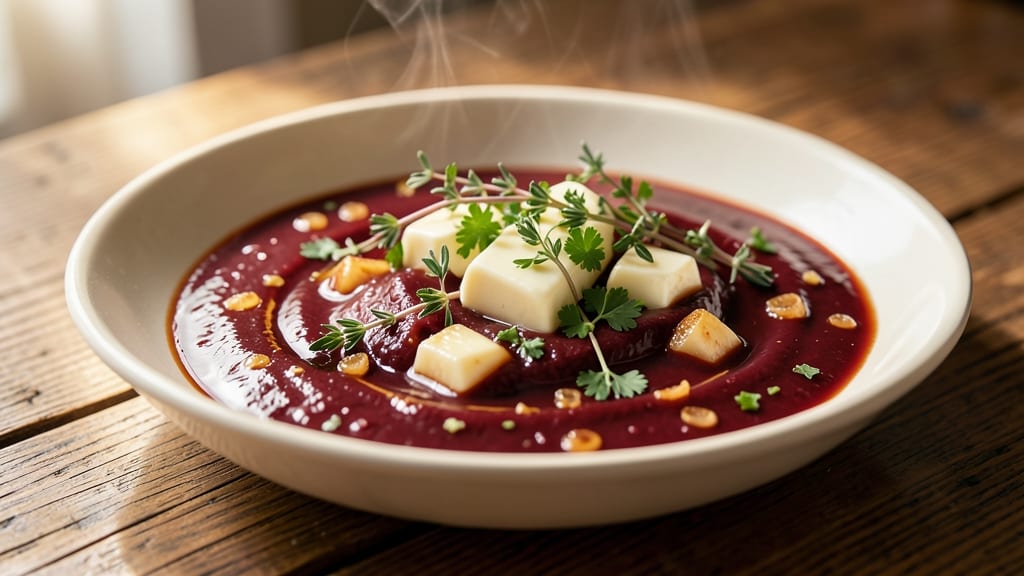
This au jus dipping sauce recipe captures the rich, savory essence of pan-roasted beef in every velvety spoonful. The secret lies in simmering beef stock with red wine, shallots, and butter until the flavors meld into a deep, aromatic concentrate—no heavy thickening needed.
Perfect for dipping steak fries, drizzling over roast beef, or elevating grilled meats, this sauce delivers restaurant-quality depth with minimal effort.
The process is straightforward yet transformative: strain the simmered mixture for a silky texture, then adjust seasoning to balance acidity and richness. Unlike store-bought versions, this homemade sauce builds flavor layer by layer, with the wine adding brightness and the butter rounding out the depth.
It’s the kind of sauce that turns simple sides into showstopping dishes.
What sets this recipe apart is its versatility—use it immediately for maximum impact or store it for up to 5 days in the refrigerator, where the flavors only deepen.
The sauce’s natural richness means it pairs beautifully with anything from crispy potatoes to hearty steaks, making it a pantry staple worth repeating.
For an extra touch of elegance, finish with a pat of cold butter or a sprinkle of fresh herbs. The result is a sauce that’s both comforting and refined, proving that the best flavors often come from the simplest techniques. Let’s create this flavor concentrate today.
Ingredients for au jus dipping sauce
Eight essential ingredients transform simple beef stock into velvety restaurant-quality au jus.
| Ingredient | Amount | Notes |
|---|---|---|
| Beef Stock 🥩 | 2 cups | High-quality, homemade preferred |
| Dry Red Wine 🍷 | ½ cup | Bold variety like Cabernet Sauvignon |
| Shallots 🧅 | 2 whole | Minced, about 2 tbsp total |
| Unsalted Butter 🧈 | 2 tbsp | Cold for finishing, full-fat preferred |
| Fresh Thyme Leaves 🌿 | 1 tsp | Or 0.25 tsp dried thyme |
| Fresh Parsley 🌿 | 1 tbsp | Chopped, for garnish |
| Worcestershire Sauce 🥫 | 1 tbsp | Vegetarian-friendly version preferred |
| Granulated Sugar 🍚 | ½ tsp | Balances acidity |
| Salt 🧂 | ½ tsp | Kosher or sea salt |
| Black Pepper 🌶️ | ¼ tsp | Freshly ground preferred |
The beef stock is the foundation—homemade from roasted bones delivers the deepest flavor, but high-quality store-bought like Kitchen Basics or Pacific Foods works too. Shallots add subtle sweetness; fresh is ideal, but jarred minced shallots in a pinch. The red wine should be dry and bold—Cabernet Sauvignon or Merlot from a good bottle, not cooking wine. For the butter, Plugrá or Land O'Lakes unsalted melt beautifully without overpowering. Thyme and parsley are fresh if available, but dried will work at one-third the amount.
No red wine? Beef broth with 1 tbsp balsamic vinegar mimics the depth. Worcestershire sauce can be omitted if vegetarian, but add 1 tsp soy sauce for umami. The sugar balances acidity—honey or maple syrup work too, but sugar dissolves faster. For a richer sauce, add 1 tbsp cold butter at the end. If your stock tastes flat, simmer it longer with a bay leaf or peppercorn for extra depth. The sauce thickens as it cools, so don't over-strain it.
This sauce peaks in flavor after 1-2 days in the fridge, so make it ahead. Store in a glass jar with a tight seal—keeps 5 days refrigerated or 3 months frozen. Reheat gently on low heat, stirring occasionally. For a quick touch, finish with a pat of cold butter and fresh parsley. The sauce thickens when chilled, so thin with 1-2 tbsp warm water if needed before serving.
Why You'll Love This Recipe
- Five-Ingredient Magic: I swear by this—just stock, wine, shallots, butter, and thyme. No fancy gadgets, no stress, and honestly? The hardest part is deciding whether to simmer it or reduce it faster.
- Rich Without Effort: That first sip? Deep, savory, and just a whisper of wine brightness. The butter makes it silky, but the thyme keeps it bright—like a hug in sauce form.
- Game for Any Bite: Slather it on fries, drizzle over steak, or use it to wake up grilled veggies. Even my picky teenage nephew asks for seconds when I serve it with roasted potatoes.
- Leftovers That Lie: Between us, this sauce always tastes better the next day. A splash of water or stock revives it—perfect for lazy lunches or last-minute dinner upgrades.
Step-by-step instructions for au jus dipping sauce
Here's the method for creating a rich, concentrated au jus that captures all the deep flavors of pan-roasted beef.
Sauté Shallots Until Translucent
Heat a medium saucepan over medium heat and add the 2 whole shallots that you've minced (about 2 tablespoons total). Cook them undisturbed for 2-3 minutes until they become soft and translucent at the edges. This step builds the aromatic foundation of your sauce.
Stir occasionally to prevent burning, but resist the urge to move them constantly—they'll caramelize slightly, adding depth of flavor. You're looking for a sweet, oniony aroma that fills your kitchen. Once they're golden around the edges, it's time to add the next ingredients.
Deglaze with Wine and Reduce
Pour in the 0.5 cup dry red wine and immediately scrape up any browned bits from the bottom of the pan with a wooden spoon. These bits are packed with flavor that would otherwise be lost. Let the wine simmer for 3-4 minutes until it reduces by about half and the alcohol smell dissipates.
The wine should smell rich and fruity, with no sharp alcohol tang remaining. This reduction step intensifies the flavors and creates a velvety texture. If you notice the mixture is reducing too quickly, lower the heat slightly to maintain a gentle simmer.
Build the Base with Stock and Seasonings
Add the 2 cups beef stock, 1 tablespoon Worcestershire sauce, 0.5 teaspoon granulated sugar, 0.5 teaspoon salt, and 0.25 teaspoon black pepper to the pan. Stir well to combine all ingredients. Bring the mixture to a gentle boil, then reduce heat to medium-low and let it simmer uncovered for 10-12 minutes.
During this time, the sauce will reduce further and develop a rich, concentrated flavor. You'll notice the color deepen to a beautiful amber hue. The sugar helps balance the acidity of the wine, while the Worcestershire sauce adds that unmistakable umami depth characteristic of au jus.
Finish with Butter and Fresh Herbs
Remove the pan from heat and let it cool slightly for 1-2 minutes. Add the 2 tablespoons cold unsalted butter and stir until it melts completely. This step adds a luxurious mouthfeel and helps balance the acidity of the sauce.
Finally, stir in the 1 teaspoon fresh thyme leaves and 1 tablespoon fresh parsley. The thyme adds an earthy aroma while the parsley provides a fresh finish. Let the sauce sit for 2-3 minutes off the heat to allow all the flavors to meld together. The result should be a glossy, velvety sauce with a perfect balance of rich, savory, and slightly sweet notes.
Strain and Serve
Strain the sauce through a fine-mesh sieve into a clean saucepan or serving dish to remove any herb stems or shallot pieces. This gives you a smooth, elegant sauce perfect for dipping. If you prefer a slightly thicker consistency, return the sauce to low heat and simmer for an additional 3-5 minutes to reduce further.
The au jus should coat the back of a spoon and have a beautiful glossy sheen. Taste and adjust seasoning if needed—you might want to add a pinch more salt or a splash of water to reach your desired consistency. Serve warm alongside your favorite beef dishes for the ultimate dipping experience.
Pro Tips For Making Au Jus Dipping Sauce
- SWEEAT THE SHALLOTS: Slice them paper-thin and let them sit in cold water for 10 minutes first—this softens them just enough to caramelize without burning. I learned this the hard way when my first batch turned into a bitter, brown sludge instead of sweet, golden fond.
- SIMMER LOW AND SLOW: Once the wine and stock come to a boil, drop the heat to a gentle simmer—think tiny bubbles, not rolling waves. Rushing this step evaporates the alcohol too fast and leaves your sauce tasting harsh instead of rich.
- STRAIN OUT THE THYME: After adding thyme leaves, let them steep for 2 minutes, then fish them out with a slotted spoon. Leaving them in too long turns your sauce herbal and muddy, not fragrant—trust me, you’ll taste the difference.
- BUTTER IT AT THE END: Toss in the cold unsalted butter off the heat, whisking like your life depends on it, until it melts into a glossy finish. Adding it earlier turns your sauce greasy and separates the flavors—this is the move that makes it silky.
Make-ahead tips for this au jus dipping sauce
Make-Ahead Magic
This au jus develops deeper flavor the longer it sits—perfect for meal prep! Let it cool completely, then store in a glass jar with a tight lid. The sauce keeps beautifully in the refrigerator for up to 5 days, with flavors intensifying over time.
I always make a double batch on Sunday so it's ready for weeknight dinners. 💫
Freezer-Friendly Tips
For longer storage, freeze the au jus in airtight containers or silicone molds for perfect portions. It maintains quality for up to 3 months—just thaw overnight in the fridge before reheating.
I like using quart-sized freezer bags because they're stackable and easy to squeeze out excess air. Label with the date to track freshness.
Reheating Perfection
Never microwave this sauce—it destroys the delicate texture. Instead, gently reheat on the stovetop over low heat for 3-5 minutes, stirring occasionally. Add 1-2 tablespoons warm water if it thickens too much during storage.
For extra richness, finish with a pat of cold butter right before serving. The sauce should be warm but not boiling.
Flavor Boost Tricks
If your stored au jus tastes flat, revive it by adding 1 teaspoon fresh lemon juice or a splash of red wine vinegar to brighten the acidity. For a smoky twist, stir in ½ teaspoon smoked paprika before reheating.
I also keep a small jar of au jus concentrate in the freezer—just add water when needed for instant flavor. 🔥
Portioning Secrets
Divide the sauce into small ramekins before freezing for perfect single-serving portions. These thaw in 15 minutes in warm water, making them ideal for quick dipping sauces. I use 4-ounce portions for individual servings—just enough to elevate a plate of steak fries or roast beef without overwhelming.
Store ramekins in a ziplock bag to prevent freezer burn.
Shelf-Life Hacks
The sauce actually improves after 24 hours in the fridge as the flavors meld. For maximum freshness, consume within 7 days. If you notice any separation, simply whisk vigorously before reheating.
The natural reduction process means this sauce thickens when chilled—just thin with warm water if needed before serving. Always use fresh herbs when reheating for the best flavor. ✨
Nutrition facts
Frequently asked questions
Can I make this au jus without red wine?
Yes! For a non-alcoholic version, replace the 0.5 cup red wine with 0.5 cup beef broth plus 1 tablespoon balsamic vinegar or 1 teaspoon red wine vinegar. The acidity will still brighten the sauce while maintaining the same depth of flavor. For extra richness, add 1 teaspoon soy sauce to replace the wine's umami notes.
How do I adjust the thickness of the sauce?
The au jus should naturally thicken as it cools. If it's too thin when serving, simmer it uncovered on low heat for 3-5 minutes to reduce further. For a thicker consistency right away, use 1.5 cups beef stock instead of 2 cups. If it thickens too much during storage, thin with 1-2 tablespoons warm water before reheating.
What are the best foods to serve with this sauce?
This rich, savory sauce pairs perfectly with classic beef dishes like steak fries, roast beef slices, grilled steak, or beef tenderloin. It also elevates crispy Brussels sprouts, potato wedges, or even grilled chicken for a unique twist. The sauce's depth makes it ideal for dipping or drizzling over hearty proteins.
Why did my au jus turn cloudy when reheating?
Cloudiness usually means the sauce separated during storage. Simply whisk vigorously to recombine the ingredients, then reheat gently on low heat. If the texture remains uneven, strain it again through a fine-mesh sieve. For prevention, store the sauce in a glass jar rather than plastic, and avoid freezing if possible—this sauce is best enjoyed fresh or refrigerated.
Can I use this sauce in cooking instead of just dipping?
This concentrated au jus works beautifully as a pan sauce for steak or roast beef. Deglaze your roasting pan with it after cooking, then reduce by half for a glossy finish. It also makes an excellent base for beef stroganoff or meatloaf gravy. Just