
Sauces & Condiments
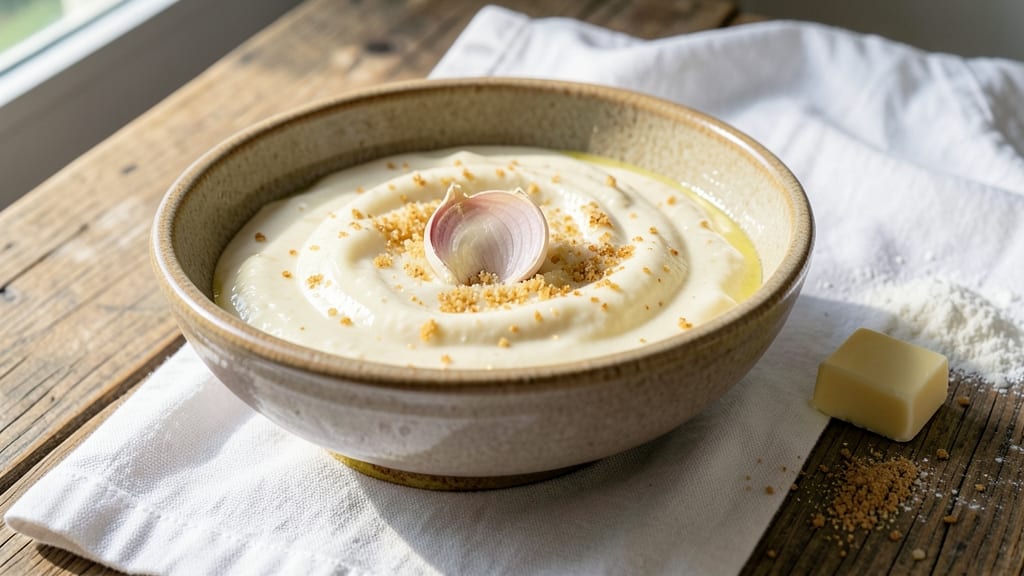
This authentic Italian white sauce recipe transforms simple pantry staples into the velvety, cheese-infused base that defines classic Italian dishes. 💛 The secret lies in a slow-cooked roux that forms the foundation—rich, smooth, and packed with umami—before being elevated with just the right amount of parmesan and nutmeg for that signature Italian depth.
What sets this sauce apart is its versatility and foolproof technique. Made with equal parts butter and flour (the classic 1:1 ratio), it cooks gently to avoid lumps while developing a nutty, caramelized flavor.
The addition of warm milk creates a silky texture, and a touch of cheese ensures that signature Italian richness without overpowering the dish.
This sauce is the backbone of lasagna, pasta bakes, and creamy vegetable dishes, delivering that creamy, restaurant-quality consistency you crave. The key to success? Patience—letting the sauce simmer until thick and smooth ensures it coats every noodle or layer perfectly.
Store leftovers in the fridge for up to 5 days or freeze for months, making it the ultimate pantry staple. Whether you're preparing a weeknight dinner or a holiday feast, this sauce will elevate your cooking to new heights.
Ingredients for authentic italian white sauce
Eight simple ingredients transform into the creamy, velvety base of Italian classics.
| Ingredient | Amount | Notes |
|---|---|---|
| Unsalted Butter 🧈 | ½ cup | Cold, cut into small pieces |
| All-Purpose Flour 🌾 | ½ cup | Sifted for smooth sauce |
| Whole Milk 🥛 | 2 cups | Warmed for best texture |
| Parmesan Cheese 🧀 | ½ cup | Freshly grated, fine |
| Ground Nutmeg 🌿 | ¼ tsp | Freshly grated preferred |
| Garlic Cloves 🧄 | 2 cloves | Minced, not powdered |
| Salt 🧂 | ½ tsp | Diamond Crystal preferred |
| White Pepper 🌶️ | ¼ tsp | Freshly ground preferred |
The Parmesan and nutmeg are non-negotiable for that authentic Italian flavor. Grab a wedge of Parmigiano-Reggiano from the deli counter—pre-grated tastes like sawdust in comparison. Nutmeg loses potency fast, so buy it whole and grate fresh. For the milk, warm it slightly (just until steaming) to help the sauce emulsify better. The butter? Cold, cubed butter melts slower, giving you better control over the roux. If you're short on time, European-style butter from Trader Joe's has higher fat content—perfect for this sauce.
No nutmeg? Mace at half the amount works in a pinch, but the flavor won't be identical. Fresh garlic is ideal, but garlic powder at one-third the amount gets you close. Short on Parmesan? Pecorino Romano has a sharper bite that pairs well. The milk can be swapped for half-and-half for extra richness, or unsweetened almond milk for a lighter version. If your flour is lumpy, sift it—Bob's Red Mill is my go-to for smooth results. And if you're making this ahead, the roux can be prepped a day in advance and refrigerated.
This sauce thickens as it cools, so stir in a splash of milk if it gets too thick while reheating. Keeps 5 days in the fridge, 3 months frozen. For freezing, cool it completely first, then portion into airtight containers. A thin layer of olive oil on top prevents a skin from forming. Leftovers reheat beautifully—just warm over low heat, stirring constantly. The flavor actually improves after the first day as everything melds together.
Why You'll Love This Recipe
- Pantry Magic: I swear by this sauce because it’s made with five ingredients—no fancy prep, no last-minute grocery runs. Just melt butter, whisk flour, and let the milk do the work. That’s it. Even my burnt-toast days end with something edible.
- Nutmeg Kiss: The secret’s in the nutmeg—just a pinch, but it transforms this from "basic" to "I’d pay extra for this at a restaurant." Rich, slightly sweet, with that sharp Parmesan bite cutting through. It’s the little details that make it unforgettable.
- Weeknight Swiss Army: Slap it on pasta, stir into risotto, or dump it over roasted veggies—this sauce doesn’t judge. I’ve used it to rescue forgotten chicken breasts, turn plain toast into bruschetta, and even glaze garlic bread. It’s my culinary duct tape.
- Budget Luxury: A stick of butter, a bag of flour, and a wedge of Parmesan stretch for days. I make a double batch on Sundays, freeze half, and still have leftovers for lunch. Fancy restaurant flavors without the price tag—honestly, it’s my favorite kind of magic.
Step-by-step instructions for authentic Italian white sauce
Here's how to make a rich, velvety white sauce that's the heart of Italian pasta dishes.
🍳 Step 1: Melt Butter and Whisk in Flour
Heat a medium saucepan over medium-low heat and add the 0.5 cup unsalted butter, cut into small pieces. Let it melt completely, then reduce heat to low to prevent browning. Add the 0.5 cup all-purpose flour all at once and whisk vigorously for 1-2 minutes until smooth and bubbly.
This roux is the foundation of your sauce. You want it to be pale golden—not brown—so keep the heat gentle. If you see any lumps, press them through with the back of your spoon. The flour will absorb the butter's moisture and create a thick paste that forms the base for your sauce.
🍳 Step 2: Cook the Roux Until Fragrant
Continue cooking the roux for 2-3 minutes while whisking constantly. You should notice a nutty aroma developing—this means the flour is fully cooked and ready to blend with the milk. The mixture should thicken slightly but still be pourable.
This step is crucial for authentic flavor. If you rush it, the sauce will taste raw and floury. If you let it brown, you'll get a bitter taste. The roux should smell like toasted breadcrumbs but look pale, almost like wet sand. Here's the thing—don't walk away. Constant whisking prevents burning and ensures even cooking.
🍳 Step 3: Gradually Add Warm Milk
Slowly pour in the 2 cups warm whole milk while whisking continuously. Add it gradually—about ¼ cup at a time—to prevent lumps from forming. After each addition, whisk until smooth before adding more. Once all the milk is incorporated, increase heat to medium-low and continue whisking for 5-7 minutes.
You're looking for a thick, creamy consistency that coats the back of a spoon. The sauce should be smooth with no visible flour particles. If it's too thick, you can thin it with a splash of milk later, but it's better to get it right now. Real talk: this is where many home cooks mess up by adding milk too quickly or not whisking enough.
🍳 Step 4: Add Aromatics and Seasonings
Stir in the 2 minced garlic cloves, 0.25 tsp ground nutmeg, 0.5 tsp salt, and 0.25 tsp white pepper. Cook for another 2-3 minutes while stirring occasionally. The garlic should be fragrant but not browned—just a subtle aroma is perfect. Remove from heat immediately after seasoning.
This is the moment that matters: the nutmeg and white pepper give that classic Italian flavor profile. The nutmeg adds warmth, while the white pepper provides depth without the visual distraction of black specks. Don't overcook the garlic—it should just perfume the sauce, not dominate it. The sauce should now be silky smooth with a beautiful glossy finish.
🥘 Step 5: Incorporate Parmesan for Richness
Off the heat, stir in the 0.5 cup freshly grated Parmesan cheese until completely melted and smooth. The sauce should thicken slightly as the cheese incorporates. If it's too thick, whisk in 1-2 tablespoons of milk to reach your desired consistency. Taste and adjust seasoning if needed.
Here's why this step is non-negotiable: the Parmesan adds a salty, umami depth that makes this sauce truly authentic. Freshly grated cheese makes all the difference—pre-shredded cheese contains anti-caking agents that prevent proper melting. The final sauce should be velvety, coating your spoon completely with no graininess. This is your creamy, cheese-infused Italian white sauce ready to elevate any pasta dish.
Pro Tips For Making Authentic Italian White Sauce
- Whisk Like You Mean It: The roux is where this sauce lives or dies. Use a wire whisk and stir constantly—no, really, don’t walk away—until the butter and flour turn a pale golden color. I learned this the hard way after one batch turned gray and tasted like glue.
- Cold Milk, Slow Pour: Dump cold milk into the roux all at once, and you’re asking for lumps. Instead, whisk in a splash at a time while stirring like your life depends on it. The goal? A smooth, lump-free sauce that doesn’t scream "rushed."
- Grate Your Own Cheese: Pre-shredded Parmesan has anti-caking agents that turn your sauce grainy. Freshly grate a small block (about ½ cup) using the large holes of a box grater—it’s a pain, but the texture makes all the difference.
- Nutmeg Last, Lightly: A pinch of ground nutmeg at the end brightens the sauce, but go easy—too much tastes like Christmas cake. Sprinkle it in, stir, then taste. If it’s still bland, add a tiny bit more. If it’s weird, you’ve overdone it.
Serving suggestions for this dish
Pasta Pairings
This white sauce transforms simple pasta into a restaurant-worthy dish. Try it with fettuccine or tagliatelle—the wide, flat noodles catch the sauce beautifully. For extra indulgence, toss with pappardelle and top with crispy pancetta for a Tuscan-inspired twist. 🍝
For a lighter option, pair with angel hair pasta or linguine. The sauce clings perfectly to the delicate strands without overwhelming them. If you're feeling adventurous, use gluten-free pasta (like brown rice or chickpea-based) for a modern adaptation that still delivers authentic flavor.
Vegetable Dishes
Roasted broccoli rabe or asparagus becomes a luxurious side when tossed in this sauce. Simply wilt the veggies in a pan with a splash of olive oil, then drizzle with the warm sauce. The nutmeg and Parmesan elevate the natural sweetness of the vegetables. 🥦
For a heartier dish, mix the sauce with cremini mushrooms and spinach for a creamy, cheesy vegetable bake. Layer with garlic bread or crusty sourdough to soak up every last drop of that velvety goodness.
Lasagna Layers
This sauce is the secret weapon for lasagna—replace store-bought ragù with equal parts of this white sauce and a simple tomato sauce for a lighter, creamier version. Spread between layers of no-boil lasagna noodles, ricotta, and mozzarella for a foolproof bake. 🍲
For a quicker version, use lasagna rolls stuffed with the sauce, ricotta, and herbs. The sauce's richness balances the acidity of the tomato sauce while keeping the dish tender and satisfying.
Garnish Game-Changers
Freshly cracked black pepper and an extra sprinkle of Parmesan take this sauce to the next level. For a pop of color, add baby spinach or arugula just before serving—they wilt beautifully in the warm sauce. 🌿
Drizzle with truffle oil (just ½ teaspoon) for a gourmet touch, or finish with toasted pine nuts for crunch. A pinch of red pepper flakes adds heat without overpowering the creamy base.
Bread & Comfort Food
Use this sauce as a dipping sauce for garlic bread or focaccia—the combination is pure comfort food magic. Brush it onto grilled cheese sandwiches with Gruyère cheese for an Italian-inspired twist. 🥖
For a showstopper appetizer, layer the sauce between baked ziti or manicotti shells. Top with extra Parmesan and bake until golden for a crowd-pleasing starter or light main course.
Nutrition facts
Frequently asked questions
What's the difference between this Italian white sauce and béchamel?
This authentic Italian version uses Parmesan cheese and nutmeg for depth, while classic French béchamel relies on Gruyère or Emmental and often includes a touch of noise (egg yolks). The Italian version is lighter, brighter, and designed to complement pasta dishes without overpowering them.
Can I make this sauce without dairy?
Swap the butter for olive oil, use unsweetened almond milk instead of whole milk, and replace the Parmesan with nutritional yeast for a cheesy flavor. The roux will still form, but the texture will be slightly lighter. For extra richness, add cashew cream at the end.
Why did my sauce get lumpy?
Lumps happen when milk is added too quickly or the roux isn't cooked long enough. Always whisk constantly and add milk gradually (about ¼ cup at a time). If lumps appear, press them through a fine-mesh sieve or blend briefly with an immersion blender. The key is patience—don't rush the process!
How do I adjust the consistency for different dishes?
For pasta, aim for a thick, spoonable consistency that coats noodles. For lasagna layers, thin it slightly with milk to create a silky spread. If too thick, whisk in 1-2 tablespoons of milk at a time. If too thin, simmer uncovered for 2-3 minutes to reduce. Always taste as you go!
Can I make this sauce ahead of time?
Yes! Prepare the roux a day ahead and refrigerate it in an airtight container. When ready to use, whisk in the milk and finish cooking as directed. The sauce also freezes beautifully for up to 3 months. Just thaw in the fridge overnight and reheat gently—stirring constantly to prevent separation.