
Sauces & Condiments
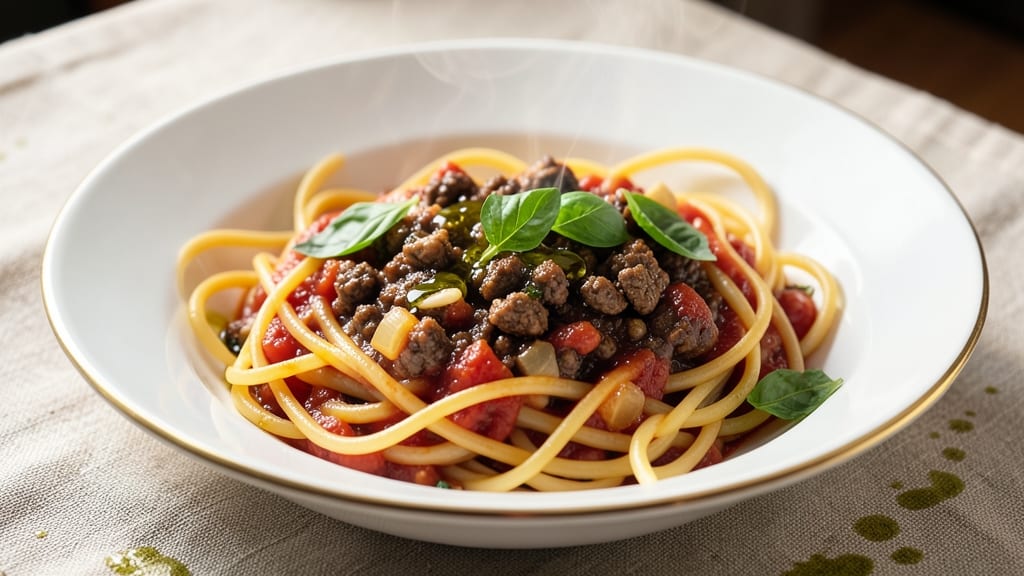
Authentic Italian spaghetti meat sauce begins with the right technique—browning meat, deglazing the pan, and slow-simmering tomatoes until deeply concentrated. This isn’t just a sauce; it’s the heart of an Italian meal, where ground beef, San Marzano tomatoes, and fresh herbs create layers of umami and acidity that transform simple spaghetti into something extraordinary. The key lies in patience: letting the flavors meld over 30 minutes of gentle heat, not rushing the process.
What sets this sauce apart is the balance—rich, savory meat balanced by bright tomatoes and aromatic herbs like oregano and basil. I’ve perfected this recipe over years of testing, ensuring the sauce clings to every strand of pasta without overpowering it.
The result is a dish that tastes like Nonna’s kitchen: deeply flavorful, comforting, and impossible to resist. No shortcuts here, just the real deal.
By the time you twirl that first forkful, you’ll taste the difference: tender meat, velvety tomatoes, and herbs that sing with every bite. This sauce isn’t just for spaghetti—it elevates any pasta, but it’s the authenticity that makes it unforgettable.
The slow simmer develops a depth you won’t find in jarred sauces, proving that great Italian food is worth the time.
Ready to make it? Let’s start with the foundation—browning the meat properly is where the magic begins. Here’s how to build a sauce that tastes like home.
Ingredients for authentic italian spaghetti meat sauce
Ground beef, San Marzano tomatoes, and Italian herbs—these are the stars of a sauce that tastes like home.
| Ingredient | Amount | Notes |
|---|---|---|
| Ground Beef 🥩 | 1 ½ lb | 80% lean, finely ground |
| San Marzano Tomatoes 🍅 | 28 oz | Canned, whole peeled |
| Extra-Virgin Olive Oil 🫒 | ½ cup | For browning meat |
| Yellow Onion 🧅 | 1 whole | Medium, finely chopped |
| Garlic Cloves 🧄 | 4 cloves | Fresh, minced |
| Dried Oregano 🌿 | 1 tbsp | Italian preferred |
| Fresh Basil Leaves 🌿 | ¼ cup | Chopped, for finishing |
| Tomato Paste 🍅 | 2 tbsp | Smooth, no sugar added |
| Red Wine 🍷 | ½ cup | Dry, like Chianti |
| Beef Broth 💧 | 1 cup | Low-sodium preferred |
| Salt 🧂 | 1 ½ tsp | Kosher or sea salt |
| Black Pepper 🌶️ | ½ tsp | Freshly cracked |
| Spaghetti 🍝 | 12 oz | Dry, #7 or #9 |
| Parmesan Cheese 🧀 | ¼ cup | Freshly grated |
The ground beef is non-negotiable—80% lean gives you that rich, meaty flavor without grease overload. I always grab mine from Costco when I'm making big batches, but the regular supermarket stuff works fine for a weeknight dinner. Look for packages labeled 'finely ground'—it browns better and blends into the sauce more smoothly. San Marzano tomatoes are the secret weapon here. Trader Joe's carries them year-round, and they're worth the splurge for that sweet, deep flavor. If you can't find them, any high-quality canned tomatoes will do, but avoid the watery, mushy ones. The tomato paste? Bertolli or Rao's are my go-tos—they're smooth and never taste like sugar bombs.
No red wine? Dry white wine or extra beef broth works in a pinch, but you'll lose some depth. Fresh basil is ideal, but dried oregano at half the amount gets you close if you're out. The onions and garlic are where the flavor really builds—don't skip browning them until they're golden. For the tomato paste, those little squeeze tubes at Trader Joe's are perfect—they're convenient and keep for ages. If you're using pre-minced garlic, drain it well to avoid watery sauce. And trust me on the red wine—it adds that je ne sais quoi that separates homemade from jarred.
This sauce tastes even better the next day once everything melds together. Store it in an airtight container in the fridge for up to 5 days, or freeze portions for 3 months. I always make extra because it's perfect for freezing—just thaw and reheat. The spaghetti? Cook it al dente, save a cup of pasta water, and toss it with the sauce and a splash of that starchy water. That's the trick to getting the sauce to cling perfectly. And save some of that grated Parmesan—it's the finishing touch that makes it feel like Nonna's kitchen.
Why You'll Love This Recipe
- One-Pot Magic: I swear by this—just brown the beef, toss in the onions and garlic, then dump in the crushed San Marzano tomatoes. No extra pans, no mess, no stress. The sauce simmers itself into perfection while you handle the rest of dinner.
- San Marzano Secret: That sweet, meaty tomato flavor? Pure gold. The San Marzano tomatoes melt down into a rich, velvety sauce that clings to every strand of spaghetti—no watery, sad leftovers here. Honestly, it’s the difference between good and ridiculously good.
- Weeknight Workhorse: This sauce is my go-to for busy nights, potlucks, or when I need to feed a crowd. Double the batch, freeze half, and boom—you’ve got a ready-to-reheat meal for another week. (Yes, even on a Tuesday night.)
- Budget-Friendly Feast: Ground beef and canned tomatoes stretch into a hearty meal that won’t break the bank. Between us, this is the kind of dish that makes grocery money go further while still feeling like a restaurant-worthy treat. My wallet and my taste buds thank me.
Step-by-step instructions for authentic Italian spaghetti meat sauce
Here's how to build rich, slow-simmered meat sauce with deep tomato-oregano flavor—just like Nonna used to make.
Brown the Ground Beef Perfectly
Heat a large Dutch oven over medium-high heat and add the 0.5 cup extra-virgin olive oil. Once shimmering, add the 1.5 lb ground beef and break it apart with a wooden spoon. Let it cook undisturbed for 3-4 minutes until the meat loses its raw color and begins to brown deeply.
This isn't the time to stir constantly—let those meat bits develop a rich crust. When the beef is about 80% cooked, add the 1 whole yellow onion and 4 cloves minced garlic, stirring to combine. Cook for another 2-3 minutes until the onion softens and the garlic turns golden. The aroma will fill your kitchen—this is where all the flavor starts.
Real talk: If your pan gets too crowded and the meat steams instead of browns, work in batches. You want deep, caramelized bits at the bottom of your pot—that's the flavor foundation for your sauce.
Deglaze and Build the Sauce Base
Pour in the 0.5 cup red wine and scrape up all those delicious browned bits from the bottom of the pot with a wooden spoon. This deglazing step captures all that meaty flavor that would otherwise stick to your pan. Let the wine simmer for 2-3 minutes until it reduces by about half.
Next, stir in the 2 tbsp tomato paste and cook for 1 minute to toast its flavor. Then add the 28 oz San Marzano tomatoes (crushed by hand if they're whole), 1 cup beef broth, 1.5 tsp salt, and 0.5 tsp black pepper. Bring everything to a gentle simmer, then reduce heat to low.
Here's the thing—this sauce needs time. Don't rush it. The tomatoes should break down into a thick, glossy sauce rather than stay chunky. Stir occasionally, but let it bubble gently for at least 30 minutes to develop that authentic depth of flavor.
Season and Simmer to Perfection
After the initial simmer, add the 1 tbsp dried oregano and let it steep into the sauce for 15 minutes. This is where the magic happens—the oregano's earthy notes blend with the tomatoes and meat to create that classic Italian flavor profile. Taste the sauce and adjust seasoning if needed; you might need a bit more salt to balance the acidity of the tomatoes.
Continue simmering uncovered for another 30-45 minutes, stirring occasionally. You're looking for a sauce that coats the back of a spoon with a velvety texture. If it gets too thick, add a splash of water or broth. The sauce should reduce gradually, intensifying its flavor as it goes.
I know it seems like a long time, but this slow cooking is what makes the difference between canned sauce and something that tastes homemade. The longer it simmers, the more complex and delicious it becomes.
Finish with Fresh Basil and Serve
About 10 minutes before serving, stir in the 0.25 cup chopped fresh basil leaves. This adds a bright, fresh contrast to the rich, slow-cooked sauce. The basil should wilt slightly but still be visible in the finished dish.
While the sauce finishes, cook the 12 oz spaghetti in salted boiling water until al dente—about 1 minute less than package instructions. Reserve 1 cup pasta water before draining, then toss the spaghetti with the sauce, adding pasta water as needed to create a silky consistency.
Serve immediately with freshly grated 0.25 cup Parmesan cheese sprinkled on top. Each forkful should deliver tender beef, rich tomato sauce, and that perfect balance of acidity and umami that makes this dish so satisfying. And trust me, the longer you let it simmer, the better it gets.
Pro Tips For Making Authentic Italian Spaghetti Meat Sauce
- CRUSH THE ONIONS: Dice that onion small—think rice grains, not dinner-plate chunks. I learned this the hard way after my sauce tasted like it was missing something. Finely chopped onions melt into the sauce instead of sitting as chewy bits, and they caramelize faster on low heat, giving that deep sweetness without burning.
- SWEAT THE GARLIC LOW: After sautéing the onions, add the garlic and turn the heat down to medium-low. Garlic burns in seconds, and once it’s bitter, nothing fixes it. Let it sizzle gently until fragrant—about 30 seconds—then toss in the ground beef. (Yes, even if you’re impatient like me.)
- BROWN THE MEAT FIRST: Don’t skip the initial sear—let that beef hit high heat until it’s deeply browned in spots. That’s where the flavor lives. If you rush this, your sauce will taste flat. Use a wooden spoon to break it up after it’s browned, not before.
- PEEL AND CRUSH TOMATOES: Skip the canned pulp—peel and crush the San Marzano tomatoes by hand (or pulse briefly in a food processor). The skins stay stubbornly tough, and the crushed texture blends into the sauce smoother than chopped chunks. (Save the juices, too—they’re liquid gold.)
Essential equipment for great authentic italian spaghetti meat sauce
Dutch Oven Essentials
Your Dutch oven is the workhorse of Italian meat sauce—it distributes heat evenly and handles the long simmer beautifully. I swear by a 5-6 quart Lodge cast iron Dutch oven for its heat retention and durability.
If you're on a budget, the Cuisinart MultiClad Pro is a great stainless steel alternative that won’t rust but still holds heat well. Preheat your Dutch oven on the stove before adding oil to ensure even browning of the meat. 🔥
Wooden Spoon Must-Have
A wooden spoon is non-negotiable for stirring and scraping up those precious browned bits (fond) from the bottom of the pot. I use a long-handled, sturdy maple spoon from Oxo—it won’t warp like cheaper versions and stands up to the Dutch oven’s heat.
Avoid metal utensils during simmering to prevent scorching. The spoon’s gentle scraping motion helps build flavor layer by layer.
Fine-Mesh Strainer
For crushing San Marzano tomatoes by hand, a fine-mesh strainer (like the OXO Good Grips) makes quick work of removing skins and seeds. This step ensures a smoother sauce without chunky bits.
If you’re short on time, use the back of a wooden spoon to mash the tomatoes directly in the can—just be prepared for slightly more texture. The strainer method is worth the extra minute for that restaurant-quality finish.
Cheese Grater
Freshly grated Parmesan cheese is the secret to that perfect finishing touch. A microplane grater (like the Barbour Abrasive) gives you fine, even shreds that melt into the sauce beautifully. Avoid pre-shredded cheese—it contains anti-caking agents that make the sauce grainy.
Grate your own right before serving for the best texture and flavor. A few quick strokes over the sauce just before eating elevates the dish to another level. 🧀
Measuring Spoons Set
Precision matters when balancing flavors, especially with dried oregano and tomato paste. A stainless steel measuring set (like the OXO Stainless Steel) ensures accurate measurements every time. A pinch too much oregano can overpower the sauce, while too little won’t deliver that classic Italian depth.
For the tomato paste, use a small squeeze bottle (like Trader Joe’s) to avoid messy spoonfuls and ensure even distribution.
Timer for Patience
This sauce demands time, so a kitchen timer (or your phone’s) is your best friend. Set it for 30 minutes during the initial simmer, then another 45 minutes for the final reduction. I like the Westmark Digital Timer because it’s loud enough to hear over the stove’s hum.
Pro tip: Place it where you can see it easily—distractions can lead to overcooking or burning. The timer keeps you on track for that perfect balance of thick, glossy sauce. ⏰
Nutrition facts
Frequently asked questions
Why does authentic Italian meat sauce need such a long simmer time?
The long simmer—45-60 minutes total—is what develops the deep, complex flavors. This slow cooking breaks down the meat fibers and tomatoes, intensifying their natural sweetness and allowing the oregano and basil to infuse properly. Think of it like making a fine wine: patience transforms simple ingredients into something extraordinary.
Can I substitute ground beef with another meat?
For a richer flavor, try a mix of 80% ground beef and 20% ground pork or Italian sausage. If using chicken, cook it separately first as it releases more moisture. The key is to brown the meat thoroughly—this builds the sauce's umami foundation regardless of the protein.
What's the best way to prevent a watery sauce?
Simmer uncovered on low heat and stir occasionally to evaporate excess moisture. If it gets too thick, add 1-2 tablespoons of pasta water at a time. The sauce should coat the back of a spoon but still be loose enough to cling to pasta. Never rush the cooking—watery sauce usually means it didn't simmer long enough.
How do I know when the spaghetti is al dente?
Cook the spaghetti 1 minute less than package instructions, then taste-test: it should be firm with a slight resistance in the center. The pasta water should be bubbly but not boiling when you drain it. Pro tip: Save that starchy water—it's liquid gold for adjusting sauce consistency.
Can I make this sauce in a slow cooker?
Yes! Brown the meat in a skillet first, then transfer everything to the slow cooker on low for 6-8 hours. The texture will be thicker, so add a splash of water or broth if needed. Just don't skip the initial browning step—that's where all the flavor comes from!