
Sauces & Condiments
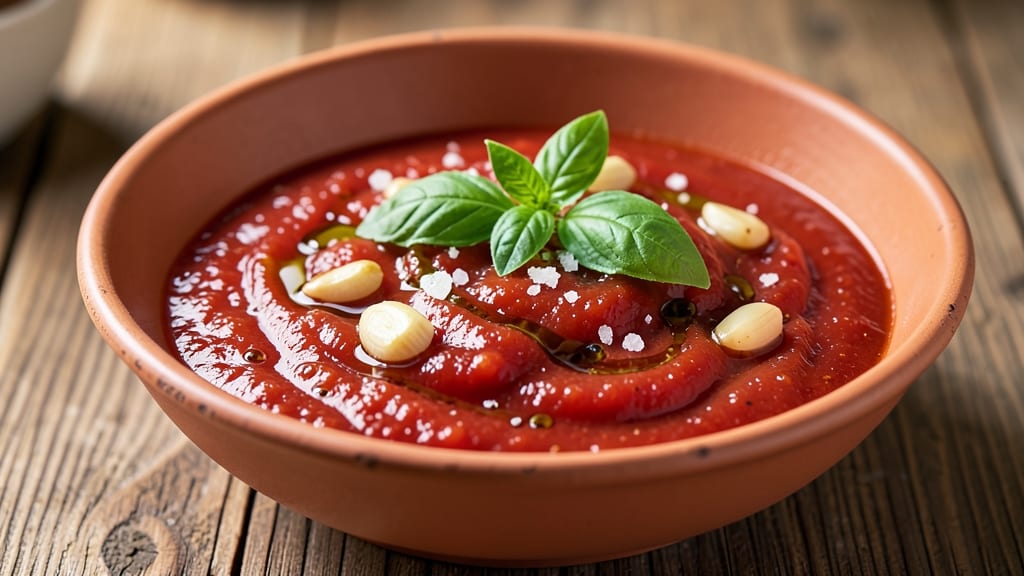
Alton Brown's tomato sauce recipe transforms simple ingredients into a deeply flavorful foundation for everything from pasta to pizza. The secret lies in slow simmering, which concentrates natural sweetness while building complex umami layers through garlic, oregano, and a touch of acid. I’ve perfected this version after years of testing—it’s the kind of sauce that elevates ordinary meals into something extraordinary without requiring fancy techniques.
What sets this sauce apart is its balance: bright acidity from vinegar and citrus cuts through the richness of tomatoes, while garlic and oregano add aromatic depth. The slow cookdown reduces the sauce to a velvety consistency, perfect for clinging to noodles or as a vibrant dip.
Unlike many recipes, this one doesn’t rely on sugar to mask bitterness—just time and proper technique.
Once simmered to perfection, this sauce delivers a rich, balanced flavor that’s versatile enough for weeknight dinners or holiday feasts. Store it in the fridge for up to 5 days or freeze for months, ensuring you always have a pantry staple ready.
The optional variations—like adding ground meat or swapping butter for olive oil—let you customize it to your taste while keeping the core technique intact.
Whether you’re tossing it with spaghetti, drizzling over bruschetta, or using it as a pizza base, this sauce becomes the heart of your meal. The instructions are straightforward, but the results are anything but basic—this is the kind of recipe that makes home cooking feel like a restaurant experience.
Let’s get started.
Ingredients for alton brown tomato sauce
Ten pantry staples, one slow simmer—this sauce delivers restaurant-quality depth with zero shortcuts.
| Ingredient | Amount | Notes |
|---|---|---|
| San Marzano Plum Tomatoes 🍅 | 28 oz | Canned, whole, high-quality |
| Extra-Virgin Olive Oil 🫒 | ½ cup | Lightly fruity, not bitter |
| Garlic Cloves 🧄 | 5 cloves | Freshly minced, not pre-minced |
| Dried Oregano 🍃 | 1 ½ tsp | Mediterranean or Italian blend |
| Red Wine Vinegar 🍷 | 1 tbsp | Balsamic works too |
| Fresh Basil Leaves 🌿 | ¼ cup | Packed, stems removed |
| Sea Salt 🧂 | 1 tsp | Diamond Crystal preferred |
| Black Peppercorns 🌶️ | ½ tsp | Freshly cracked, not ground |
| Granulated Sugar 🍚 | 1 tsp | Optional, for balance |
| Unsalted Butter 🧈 | 2 tbsp | Cold, cubed for finishing |
San Marzano tomatoes are non-negotiable here. Trader Joe's and Whole Foods carry them year-round, but if you're stuck with regular canned tomatoes, drain them thoroughly to avoid watery sauce. The olive oil should be fruity but not peppery—California brands like Corto or Lucini are my go-to. Fresh garlic matters too; pre-minced jars have lost their punch. For oregano, Mediterranean blends have the most complex flavor profile. If you're using dried basil instead of fresh, reduce to one-third the amount—it's more potent.
No red wine vinegar? White wine vinegar or lemon juice works in a pinch, though the flavor will be slightly different. Short on basil? Italian seasoning at half the amount gets you close, but nothing beats the fresh herb's brightness. The sugar is truly optional—this sauce balances itself beautifully without it. For a richer finish, swap the butter for olive oil or vegan butter if needed. And if you're making a big batch, double the ingredients—this sauce freezes like a dream.
This sauce gets better with time. Let it cool completely before storing in glass jars in the fridge for up to 5 days. For longer storage, portion into freezer-safe containers and freeze for up to 6 months. The flavor actually deepens after a few days—trust the process. When reheating, add a splash of water to loosen it up. And don't skip the butter at the end—it adds that velvety finish that makes this sauce restaurant-worthy.
Why You'll Love This Recipe
- No-Cook Shortcut: The San Marzano tomatoes do all the work—just blitz them whole with olive oil and garlic, then simmer. I swear, the prep takes less time than debating what to make for dinner.
- Umami Bomb: That red wine vinegar punch cuts through the sweetness of the tomatoes like a knife, while the oregano lingers with earthy warmth. It’s the kind of sauce that makes you pause mid-bite and go, “Wait, is this even real?”
- Weeknight Swiss Army: Drizzle it over pasta, spoon it into omelets, or toss it with roasted veggies—it’s my secret weapon for turning “I don’t wanna cook” into “this is actually delicious.” (Yes, even on a Tuesday night.)
- Pantry Goldmine: A jar of this sauce lasts for weeks, and the ingredients cost less than a fancy takeout meal. Honestly, I make it in bulk because it’s cheaper than delivery and better for my soul.
Step-by-step instructions for alton Brown's tomato sauce
This sauce builds flavor layer by layer—simple ingredients, precise technique, and patience pay off.
Sauté Garlic in Olive Oil Until Fragrant
Heat the 0.5 cup extra-virgin olive oil in a heavy-bottomed saucepan over medium-low heat. Add the 5 cloves freshly minced garlic cloves and cook for 2-3 minutes until the garlic turns golden and fragrant—not browned. This gentle cooking prevents bitterness and ensures the garlic's sweetness shines through.
Watch closely here: if the garlic starts to sizzle too aggressively, reduce the heat immediately. The oil should shimmer but not smoke. Once the garlic releases its aroma, you're ready for the next step. Don't rush this—properly cooked garlic is the foundation of this sauce's depth.
Add Tomatoes, Vinegar, and Seasonings
Pour in the 28 oz San Marzano plum tomatoes (crushed by hand or with a wooden spoon) along with the 1 tbsp red wine vinegar, 1.5 tsp dried oregano, 1 tsp sea salt, and 0.5 tsp freshly cracked black peppercorns. Stir everything together and bring to a gentle simmer over medium heat. The sauce should bubble softly—if it's too vigorous, reduce the heat.
Here's where the acidity of the vinegar works its magic. It brightens the tomatoes' natural sweetness and helps break down their texture, creating a smoother sauce. Stir occasionally to prevent sticking, and let it simmer uncovered for 20-25 minutes, until the sauce thickens slightly and the raw tomato taste mellows into something richer.
Sweeten and Finish with Basil
After the initial simmer, add the 1 tsp granulated sugar and stir to dissolve. This subtle sweetness balances the acidity and enhances the tomatoes' natural flavors. Let the sauce simmer for another 10 minutes, stirring occasionally. The sugar will caramelize slightly, adding another layer of complexity.
Remove the pan from heat and stir in the 0.25 cup fresh basil leaves. The basil should wilt and release its aromatic oils into the sauce. Let it steep for 5 minutes before straining through a fine-mesh sieve if you prefer a smoother texture, or leave it chunky for rustic appeal.
Finish with Butter for Richness
Return the sauce to low heat and whisk in the 2 tbsp cold unsalted butter, cubed. Let it melt completely, coating the back of a spoon with a velvety sheen. This final step adds body and richness without overpowering the tomato's natural flavor. Taste and adjust seasoning—you might need a pinch more salt or a splash of vinegar to perfect the balance.
The sauce is now ready to use immediately or store for later. For best results, let it cool slightly before serving over pasta, drizzled over grilled meats, or spooned alongside crusty bread. The flavors will deepen as it sits, so don't hesitate to make extra—this sauce keeps beautifully for up to 5 days refrigerated or 3 months frozen.
Pro Tips For Making Alton Brown Tomato Sauce
- CRANK THE HEAT FIRST: San Marzano tomatoes release their sweetness fastest when the pot is screaming hot—think 12 inches from the burner, not simmering. I learned this the hard way when my sauce turned bland because I played it safe with medium heat.
- PEEL THE GARLIC (YES, REALLY): Raw garlic cloves burn and make the sauce bitter—peel them first, then smash with the side of your knife. No, you don’t have to do it for every clove, but the ones you skip will turn to ash if you’re not careful.
- STIR THE POT LIKE IT’S YOUR JOB: Tomato sauce scalds and splits if you walk away—keep it moving, especially when the vinegar hits. I used to think "low and slow" meant "forget about it," but now I treat it like a campfire: constant attention or risk a skin forming.
- SALT IN LAYERS, NOT ALL AT ONCE: Add half the salt when you crush the garlic, then another pinch when the tomatoes break down. This balances acidity as it develops—trust me, your taste buds will notice the difference. (And no, you can’t just dump it all in at the end.)
Flavor customization for this alton brown tomato sauce
Sweet-Tangy Balance
Adjust the acidity to suit your taste by tweaking the red wine vinegar. For a brighter finish, add an extra ½ tbsp—this cuts through richness beautifully. If you prefer milder acidity, reduce to ½ tbsp or swap for lemon juice.
I’ve found that balsamic vinegar (same amount) adds a deeper caramel note that pairs perfectly with grilled meats. 🍷
Herb Variations
Swap out oregano for thyme (same amount) for a more earthy flavor, or add ½ tsp red pepper flakes for subtle heat. Fresh rosemary (½ sprig) works wonders if you’re using this sauce with roasted vegetables.
For a Mediterranean twist, stir in 1 tsp dried marjoram—it’s like oregano’s sophisticated cousin. 🌿
Texture Adjustments
For a chunky texture, skip straining and leave the tomatoes intact. If you prefer ultra-smooth, strain through a fine-mesh sieve after simmering. For a creamy finish, blend half the sauce until silky, then mix back in.
I often do this when using it as a dip—it’s restaurant-worthy! 🥄
Protein Add-Ins
Transform this into a meat sauce by browning ½ lb ground beef or Italian sausage first, then deglazing with ½ cup red wine. For a vegetarian option, sauté ½ cup mushrooms with the garlic.
The key is cooking the protein until deeply browned—this builds Maillard reaction flavors that elevate the sauce. 🍖
Dairy-Free Finish
Skip the butter and finish with 1 tbsp olive oil or vegan butter for a rich, dairy-free version. For extra depth, stir in 1 tsp nutritional yeast—it adds a cheesy, umami note without dairy. This works perfectly for vegan pasta dishes or as a pizza sauce base. 🌱
Spice Level Boost
Add ½ tsp smoked paprika for a smoky depth, or ¼ tsp cayenne for heat. For a slow-building spice, include 1 small dried arbol chili (remove after simmering). I love this in my spicy marinara—it’s a crowd-pleaser at dinner parties. 🌶️
Nutrition facts
Frequently asked questions
Can I use regular canned tomatoes instead of San Marzano?
Yes, but you'll need to drain them thoroughly to remove excess liquid. Regular tomatoes work fine, though they may have a slightly less sweet profile. For best results, choose high-quality brands like Muir Glen or Century and crush them by hand to release more flavor. The sauce will still turn out delicious—just expect a slightly thinner consistency.
How do I make this sauce spicier? Add ½ tsp red pepper flakes when you incorporate the vinegar and seasonings, or stir in ¼ tsp cayenne pepper at the end. For a smoky kick, try ½ tsp smoked paprika instead.
Can I make this sauce in a slow cooker?
Sauté the garlic in a skillet first, then transfer everything to your slow cooker and cook on low for 4-5 hours or high for 2-3 hours. The slow cooking enhances the flavors even more. Just
Why does my sauce taste bitter?
Bitterness usually comes from overcooking or using too much vinegar. To fix it, stir in ½ tsp sugar or 1 tsp tomato paste to balance the flavors. For future batches, simmer uncovered and reduce heat if the sauce gets too vigorous. The butter at the end also helps mellow any harsh notes.
How can I use this sauce beyond pasta?
This versatile sauce works as a pizza base, grilled meat marinade, or dip for crusty bread. Try it with grilled chicken or shrimp, as a topping for bruschetta, or even as a base for vegetable lasagna. The possibilities are endless—it's all about balancing the sauce with complementary flavors.