
Sauces & Condiments
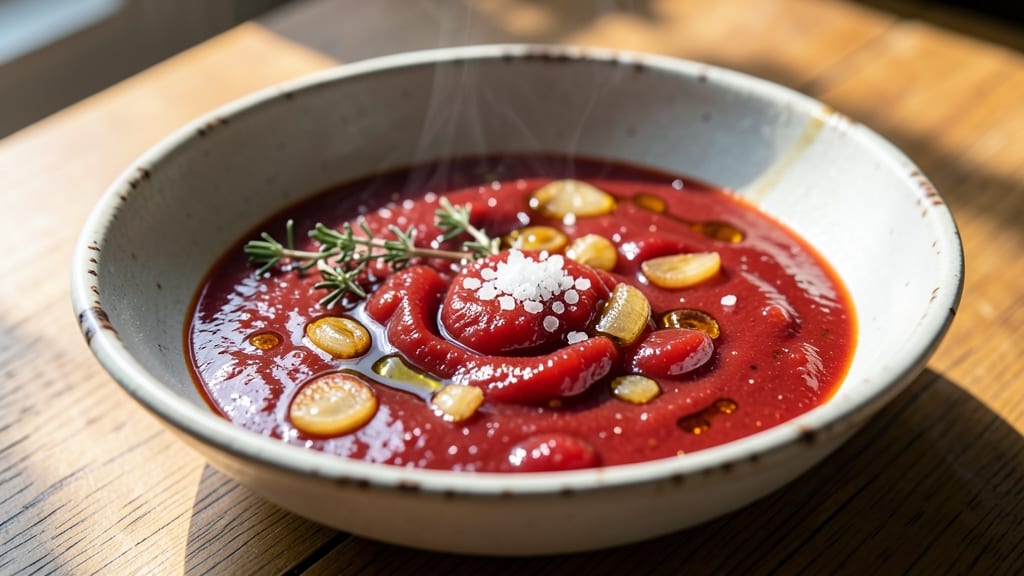
This Aussie tomato sauce recipe delivers the bold, spiced richness that transforms grilled meats and pasta into something extraordinary. The secret lies in simmering tomatoes with vinegar, garlic, and herbs until they develop deep, caramelized flavors—creating a sauce that's equal parts tangy, sweet, and complex.
I've perfected this recipe over years of backyard barbecues, where it earned its reputation as the ultimate grilling companion.
The process is straightforward but essential for achieving that signature Aussie depth: onions and garlic form the aromatic base, while tomatoes and vinegar create the signature tang. A touch of sugar balances the acidity, and herbs like thyme and bay leaf add layers of earthy warmth.
The sauce thickens naturally as it simmers, resulting in a chunky, velvety consistency that clings beautifully to grilled chicken, steak, or even crusty bread.
What makes this sauce truly versatile is its ability to elevate any dish without overpowering it. Use it as a marinade for meats, a dipping sauce for fried foods, or a finishing touch for pasta.
The flavors only deepen over time, making it perfect for meal prep—simmer a big batch and store it in the fridge for up to a week, or freeze for months of flavor-packed convenience.
Once you taste this sauce, you'll understand why it's a staple in Australian kitchens. The balance of sweet, tangy, and savory notes makes it impossible to resist, and the simplicity of the ingredients ensures you'll always have the makings on hand.
Let's get cooking—your next grilling session just got a whole lot better.
Ingredients for aussie tomato sauce
Nine simple ingredients transform into the ultimate Aussie grilling sauce—tangy, sweet, and packed with depth.
| Ingredient | Amount | Notes |
|---|---|---|
| San Marzano Tomatoes 🍅 | 28 oz | Crushed by hand for texture |
| White Vinegar 🍶 | ½ cup | Distilled for balance |
| Yellow Onion 🧅 | 1 whole | Diced, medium size |
| Garlic Cloves 🧄 | 4 cloves | Minced, fresh preferred |
| Granulated Sugar 🍚 | 1 tbsp | White or brown |
| Dried Thyme 🌿 | 1 tsp | Or 1 tbsp fresh |
| Bay Leaves 🌿 | 2 whole | Fresh or dried |
| Extra-Virgin Olive Oil 🫒 | 2 tbsp | For richness |
| Salt 🧂 | 1 tsp | Kosher or sea salt |
| Black Pepper 🌶️ | ½ tsp | Freshly ground |
The tomatoes are non-negotiable here. San Marzano are the gold standard—sweet, meaty, and perfect for crushing by hand (no blender needed). If you can't find them, Roma tomatoes work too, but avoid the watery varieties. The vinegar is what gives this sauce its signature tang, so don't skimp. I grab distilled white vinegar from Trader Joe's—it's consistent and affordable. For the garlic, I always use fresh—it makes a noticeable difference in flavor. The onions? Yellow or red both work, but yellow has a slightly sweeter base that pairs well with the vinegar's sharpness.
No San Marzano tomatoes? Canned crushed tomatoes in a pinch, but drain them well to avoid wateriness. Vinegar too strong? Balance with an extra tablespoon of sugar. Fresh thyme is ideal, but dried works at one-third the amount. Want more depth? Add a pinch of smoked paprika—it's a classic Aussie trick. The olive oil matters here too—use something fruity and peppery, not the bland stuff. And if you're short on time, pre-minced garlic from a jar saves steps without sacrificing flavor (just drain it first).
This sauce only gets better with time. Simmer a big batch and store it in the fridge for up to 1 week, or freeze for 6 months—the flavors deepen like a fine wine. I like to portion it into small jars so I can grab one for grilling or tossing with pasta. If it thickens too much, just stir in a splash of water or vinegar. And trust me, leftovers taste even better—the acidity mellows into this perfect balance of sweet, tangy, and savory.
Why You'll Love This Recipe
- No-Fuss Pantry Staples: I swear by this recipe because it only needs what’s already in my cupboard—no fancy ingredients, just San Marzano tomatoes and a splash of vinegar to brighten things up. Honestly, I’ve made it with whatever onions and garlic I had on hand, and it still tastes like I put in effort.
- Sweet-Tangy Magic: That balance of sugar and vinegar? It’s the secret weapon. The San Marzano tomatoes give it a rich depth, while the vinegar cuts through the sweetness—like a perfect Aussie BBQ sauce but way easier. I’ll be real: my kids ask for it on toast, not just with meat.
- Weeknight to Potluck Hero: This sauce works for everything—slather it on burgers, toss it with pasta, or even drizzle it over roasted veggies. Between us, I’ve taken it to BBQs, packed it for lunch, and even frozen half for lazy Sundays. It’s the one sauce that never lets me down.
- Makes More Than You Think: A single batch stretches across three meals for me—pasta one night, meatballs the next, and a quick pan sauce for stir-fry the third. Plus, it keeps well in the fridge, so I’m never scrambling for a last-minute sauce. Budget-friendly? Absolutely. Stress-free? Even better.
Step-by-step instructions for Aussie tomato sauce
Here's how to make this tangy, aromatic sauce that's perfect for grilling and marinating.
Sauté the Onion and Garlic
Heat the 2 tablespoons extra-virgin olive oil in a large saucepan over medium heat. Add the 1 whole yellow onion, diced into small pieces, and cook for 5-7 minutes until soft and translucent. You'll notice the onion releases moisture as it cooks—this is normal and helps develop flavor.
Once the onion is tender, add the 4 cloves minced garlic and cook for another 30-60 seconds until fragrant. Be careful not to let the garlic burn—it should smell sweet and aromatic, not bitter. If it starts to darken too quickly, reduce the heat slightly. This aromatic base forms the flavor foundation of your sauce.
Add Tomatoes, Vinegar, and Seasonings
Pour in the 28 oz San Marzano tomatoes (crushed by hand for texture) and the ½ cup white vinegar. Stir well to combine, scraping up any browned bits from the bottom of the pan. These bits are packed with flavor and will enrich your sauce. Add the 1 tablespoon granulated sugar, 1 teaspoon dried thyme, 2 whole bay leaves, 1 teaspoon salt, and ½ teaspoon black pepper. Stir everything together.
Bring the mixture to a gentle boil, then reduce the heat to medium-low and let it simmer uncovered for 20-25 minutes. You want the sauce to reduce slightly and thicken—it should coat the back of a spoon but still be pourable. Stir occasionally to prevent sticking, and watch for any foam that rises to the surface. Skim this off with a spoon to keep the sauce smooth.
Simmer Until Thick and Flavorful
Continue simmering the sauce for another 15-20 minutes, stirring occasionally, until it reaches your desired consistency. The sauce should be thick enough to coat the back of a spoon but still have a slight sheen—this indicates it's properly reduced. Taste and adjust the seasoning if needed, adding a pinch more salt or sugar to balance the flavors.
Remove the 2 bay leaves before serving, as they can be tough to chew. If you prefer a smoother texture, you can strain the sauce through a fine-mesh sieve, but I like to leave some texture for added depth. The sauce should have a vibrant red color with a glossy finish, and the aroma should be rich with tomato, garlic, and thyme.
Cool and Store for Best Results
Let the sauce cool to room temperature, then transfer it to an airtight container. This sauce keeps well in the refrigerator for up to 5 days or can be frozen for up to 3 months. The flavors actually deepen as the sauce sits, making it even more delicious when reheated.
When reheating, warm the sauce gently over low heat or in the microwave, stirring occasionally to prevent scorching. This Aussie tomato sauce is incredibly versatile—use it as a marinade for grilled meats, a dip for crusty bread, or a topping for pizzas and pasta. The tangy, slightly sweet profile makes it a standout in any dish.
Pro Tips For Making Aussie Tomato Sauce
- Char the Onion First: Get that onion deep golden before adding garlic—it builds flavor like nothing else. I used to skip this, and the sauce always tasted flat until I started browning the onions on medium heat for 8-10 minutes, stirring occasionally. (Yes, even if you’re impatient like me, resist the urge to rush.)
- Crush Garlic Like Mad: No mincing—crush those cloves with the flat side of your knife first. It releases more flavor and blends smoother into the sauce. I learned this the hard way after tasting chunks of raw garlic in my first batch. (Your future self will notice the difference.)
- Simmer Slow and Low: This isn’t a race. After adding vinegar and sugar, reduce heat to a gentle simmer—no boiling—and let it cook uncovered for at least 30 minutes. I used to speed it up, and the sauce turned thin and vinegary. Patience here makes all the difference.
- Sweat Tomatoes First: Dump those San Marzanos into a hot pan and let them sit for 5 minutes before stirring. It softens them slightly and prevents a messy, splattering start. (Does it look weird? Yes. Does it work? Every single time.)
Pro cooking tips for this dish
Simmering Secrets
Low and slow is your friend here—simmering at medium-low heat for 35-45 minutes total lets the flavors meld beautifully. I swear by using a heavy-bottomed saucepan (like All-Clad) to prevent scorching.
Stir every 5 minutes to distribute heat evenly and break up any foam that forms. The sauce should reduce by about 25%—this concentration is what gives it that signature depth. 🔥
Vinegar Balance
The ½ cup white vinegar is non-negotiable for that classic Aussie tang, but don’t let it overpower. If your tomatoes are particularly acidic (like some Roma varieties), reduce vinegar to ¼ cup and add ½ tsp more sugar to balance.
I always taste as I go—adjust in ¼ tsp increments until you hit that perfect sweet-tart harmony. Trust your palate here!
Texture Control
For that chunky, restaurant-quality texture, crush tomatoes by hand with your fingers—no blender needed! If you prefer smoothness, blend after simmering, but I find the slight texture adds body. Pro tip: Strain through a fine-mesh sieve if you want to remove bay leaves and any stubborn skins.
The sauce should coat the back of a spoon but still glide effortlessly. 💫
Flavor Boosts
Want to take it to the next level? Add ½ tsp smoked paprika during the final 10 minutes of simmering for a subtle smokiness. Or, for a deeper umami kick, stir in 1 tbsp tomato paste with the vinegar.
These tweaks are optional but transform the sauce into something truly special. I like to finish with a dash of Worcestershire sauce (just ½ tsp) for extra complexity.
Equipment Essentials
Your saucepan is the most critical tool—opt for stainless steel or enamel-coated to prevent sticking. A wooden spoon helps stir without scratching. For crushing tomatoes, I use a large mixing bowl and my hands—it’s the only way to control the texture.
If you’re making a big batch, a slow cooker on low for 3-4 hours works too, but taste frequently to avoid over-reduction.
Make-Ahead Magic
This sauce only gets better with time. Let it cool completely, then store in glass jars in the fridge for up to 1 week. For freezing, portion into ice cube trays—perfect for thawing just what you need.
Reheat gently over low heat or microwave in 30-second bursts, stirring between each. The longer it sits, the richer the flavors become—like a fine wine! ⏰
Nutrition facts
Frequently asked questions
Can I substitute white vinegar with another type of vinegar?
The classic Aussie tomato sauce relies on white vinegar for its signature tang, but you can use apple cider vinegar in a pinch. Avoid balsamic or red wine vinegar—they'll add unwanted sweetness or fruitiness. For every ½ cup white vinegar called for, use ⅓ cup apple cider vinegar and reduce the sugar slightly (½ tsp less) to maintain balance.
How do I make this sauce spicier?
Add ½ to 1 teaspoon of chili flakes or ½ teaspoon of cayenne pepper during the final 10 minutes of simmering. For heat with depth, stir in 1 teaspoon of crushed red pepper with the vinegar. Always taste first—you can adjust later if needed. Pro tip: Add a pinch of smoked paprika too for a smoky kick!
Can I use this sauce as a marinade for grilled meats?
This sauce makes an excellent marinade for chicken, lamb, or beef. Combine 1 cup of sauce with ¼ cup olive oil and marinate for 4-6 hours (or overnight for deeper flavor). For chicken, use ½ cup sauce per pound of meat. The tangy-sweet profile tenderizes while adding incredible flavor—just pat dry before grilling for the best sear.
Why does my sauce taste too acidic?
Tomatoes vary in acidity, and sometimes the vinegar overpowers. Fix it by adding ½ to 1 teaspoon more sugar (or honey) while simmering. For a smoother taste, simmer uncovered for 5-10 extra minutes to let some of the acidity cook off. If the sauce is still too sharp, stir in 1 teaspoon of tomato paste to mellow the flavors. Always taste as you go!
How can I use up leftover sauce?
This versatile sauce works in so many ways! Toss it with pasta and grated cheese, use it as a dipping sauce for fried chicken or mozzarella sticks, or brush it on grilled vegetables. For a quick meal, mix with cooked rice and diced feta. The tangy-sweet flavor also makes it perfect for burgers or hot dogs—just warm it up and drizzle!