
Sauces & Condiments
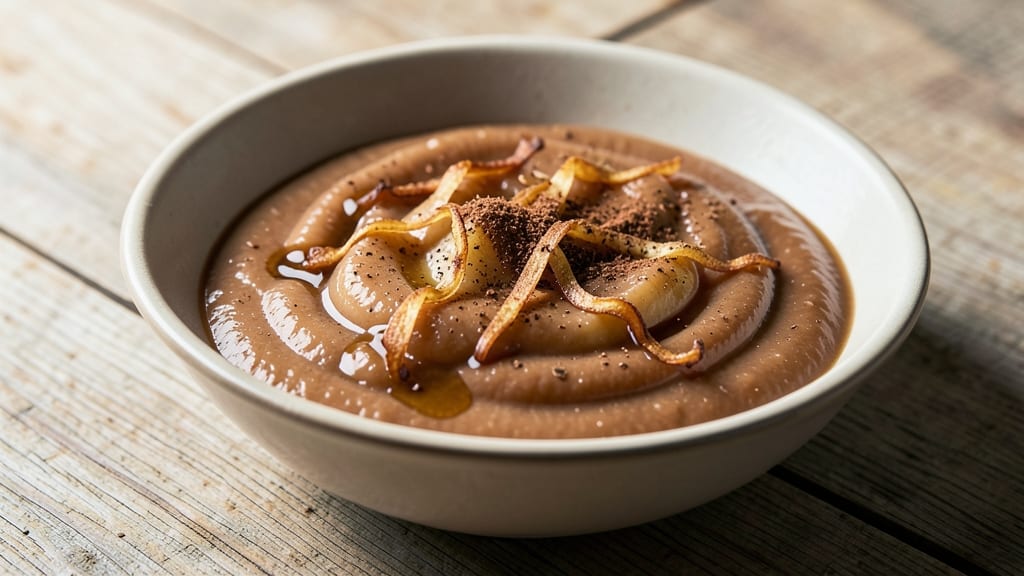
This applesauce recipe with apple cider vinegar transforms ordinary apples into a vibrant, tangy condiment that brightens everything from roasted meats to morning toast. The vinegar isn’t just for flavor—it preserves freshness, balances natural sweetness, and adds a subtle depth that store-bought versions can’t match.
I developed this after realizing how quickly homemade applesauce turns mushy; the acidity from vinegar keeps it silky for days.
The process is simpler than you’d think: just peel, core, and cook the apples until tender, then blend with a touch of vinegar and a pinch of cinnamon for warmth. No added sugar means the natural fruit sweetness shines, while the vinegar prevents browning and extends shelf life.
This isn’t just applesauce—it’s a versatile sauce that elevates savory dishes or pairs perfectly with oatmeal.
What sets this apart is the zesty balance that vinegar creates. It cuts through richness in pork tenderloin or chicken, adds a tangy kick to baked goods, and even works as a glaze for roasted vegetables.
The texture stays smooth, not grainy, and the flavor develops richer over time—ideal for meal prep. Store it in the fridge for up to a week or freeze for months.
Whether you’re aiming for a vegan-friendly alternative to sweet sauces or a way to use up ripe apples, this recipe delivers. The vinegar’s preservation power means less waste, and the adaptability makes it a pantry staple. Ready to make applesauce that tastes fresh and lasts longer?
Ingredients for applesauce recipe with apple cider vinegar
Eight simple ingredients—four pounds of apples and a splash of vinegar—create this tangy, long-lasting applesauce.
| Ingredient | Amount | Notes |
|---|---|---|
| Apples (mix of Honeycrisp and Fuji) 🍎 | 4 lb | Peeled, cored, roughly chopped |
| Apple Cider Vinegar 🍏 | ¼ cup | Raw, unfiltered preferred |
| Granulated Sugar (optional) 🍚 | ¼ cup | Adjust to taste (vegan-friendly) |
| Ground Cinnamon 🌿 | 1 tsp | Ceylon preferred for delicate flavor |
| Water 💧 | 1 cup | For blending consistency |
| Lemon Juice 🍋 | 1 tbsp | Freshly squeezed for brightness |
| Sea Salt 🧂 | ¼ tsp | Fine grain for even dissolving |
| Vanilla Extract (optional) 🌸 | ½ tsp | Pure vanilla for depth |
The apples are everything here. Honeycrisp and Fuji give you that perfect mix of sweet and tart, but any firm variety works—just avoid mealy ones. Trader Joe's and Whole Foods usually have great organic options, but regular grocery store apples are fine too. Peel them first (the vinegar won’t remove skin tannins), then core and chop into even pieces. If you’re using a mix of apples, the vinegar will balance any uneven sweetness. I always buy extra—this sauce keeps for ages.
Skip the sugar if you want it naturally sweet, but the vinegar gives it enough tang to stand alone. No apple cider vinegar? White vinegar or balsamic works in a pinch, though raw apple cider vinegar has the best flavor. The cinnamon is non-negotiable—it’s what turns this into something special. Ceylon cinnamon has a lighter taste if you’re sensitive to strong spice. For a smoother texture, add the water after blending. And if you’re making this for pork tenderloin, trust me—the vinegar’s acidity cuts through the fat like a dream.
This sauce gets better with time. Store it in an airtight jar in the fridge for up to 1 week, or freeze for 6 months—the acidity prevents browning. I make a double batch every time: one jar for the fridge, one frozen for when I’m craving that zesty applesauce on toast or roasted veggies. The vinegar’s preservation power means no weird textures or off flavors, just pure, bright applesauce whenever you need it.
Why You'll Love This Recipe
- No Peel, No Stress: I swear by this trick—just core and chop the apples, no peeling required. The vinegar actually helps tenderize them while keeping that bright, fresh flavor you’d expect from store-bought, but way better.
- Tangy-Sweet Magic: That splash of apple cider vinegar? It’s the secret weapon. It cuts through the sweetness of the Honeycrisp and Fuji, giving you a depth that plain applesauce just can’t match—like a grown-up version of the stuff you remember from childhood.
- Lunchbox Hero: Honestly, this is my go-to for school lunches or office snacks. The cinnamon adds warmth, and the vinegar keeps it from turning mushy too fast. Pack it in a jar, and it’s still perfect hours later—no sad, watery applesauce here.
- Pantry Staple Power: I make a big batch on Sundays, and it lasts me all week. The vinegar acts as a natural preservative, so it doesn’t spoil quickly, and the sugar (if you use it) keeps it shelf-stable. Plus, it’s cheaper than buying jars of fancy applesauce—win-win.
Step-by-step instructions for applesauce with apple cider vinegar
Here's how to make perfectly balanced applesauce that stays fresh longer.
Prep and Cook the Apples
Place the 4 lb Apples (mix of Honeycrisp and Fuji) in a large pot and cover with cold 1 cup Water. Bring to a boil over medium-high heat, then reduce to medium-low heat and simmer uncovered for 25-30 minutes until the apples are fork-tender and easily mashable. You'll know they're ready when the edges pull away from the sides and the center yields slightly to pressure.
I like to stir occasionally to prevent sticking, but don't worry if some apples stick to the bottom—they'll release as they soften. The mixture should reduce to about 2-3 cups of liquid, concentrating the apple flavor. If it's too watery at this stage, simmer uncovered for another 5 minutes to evaporate excess moisture.
Add Vinegar and Seasonings
Once the apples are tender, stir in the 0.25 cup Apple Cider Vinegar, 1 tbsp Lemon Juice, 0.25 tsp Sea Salt, and 1 tsp Ground Cinnamon. The vinegar will brighten the flavor and help preserve the applesauce, while the lemon adds a subtle tang that balances the sweetness. I use Ceylon cinnamon for its delicate flavor, but regular cinnamon works fine too.
If you're using the 0.25 cup Granulated Sugar (optional), add it now and stir well. Taste the mixture—you want a balance between tart and sweet. The applesauce should be pleasantly tart with just a hint of sweetness from the natural fruit sugars. If you're adding 0.5 tsp Vanilla Extract (optional), now's the time to incorporate it for a warm, aromatic depth.
Mash and Simmer for Texture
Use a potato masher or wooden spoon to mash the apples until you reach your desired consistency. For a smooth applesauce, press harder and strain through a fine-mesh sieve if needed. For a chunkier texture, leave some pieces whole. Simmer the mashed applesauce for another 5-10 minutes to thicken it further and let the flavors meld.
This simmering step is key—it helps the vinegar and spices integrate fully and ensures the applesauce has a velvety texture. Stir occasionally to prevent scorching at the bottom of the pot. The applesauce should coat the back of a spoon and hold its shape when spooned onto a plate.
Cool and Store for Freshness
Remove the pot from heat and let the applesauce cool to room temperature. Once cooled, transfer it to airtight containers or jars. The apple cider vinegar acts as a natural preservative, helping the applesauce stay fresh in the refrigerator for up to 2 weeks or in the freezer for up to 6 months. For best results, press plastic wrap directly onto the surface of the applesauce before sealing to minimize oxidation.
This method keeps the applesauce vibrant and flavorful longer than traditional recipes. The tangy balance from the vinegar and lemon prevents it from turning mushy or developing an off-flavor. Serve it warm with roasted meats, as a topping for oatmeal, or enjoy it chilled as a refreshing snack.
Pro Tips For Making Applesauce Recipe With Apple Cider Vinegar
- CORE THE APPLES FIRST: Peeling and coring apples before chopping saves time and keeps your sauce from turning to mush. I used to slice them whole and regret it every time—chopped pieces cook faster and more evenly, especially when you’re adding vinegar to brighten the flavor.
- USE 1 TABLESPOON VINEGAR PER POUND OF APPLES: Too little, and the tang fades; too much, and it’s harsh. Start here, taste as you go, and adjust. (Yes, even if you’re impatient like me—trust the process.)
- SIMMER UNCOVERED UNTIL SOFT: Skipping this step means gummy applesauce. Let the liquid reduce and the apples break down on their own steam before adding water or sugar—about 15 minutes of steady bubbling does the trick.
- STIR IN CINNAMON AT THE END: Adding it early burns the flavor. Sprinkle it in last, let it bloom for 30 seconds, then stir. (Your future self will notice the difference.)
Troubleshooting perfect results
Too Thin or Watery
If your applesauce turns out too thin, simmer it uncovered for an extra 5-10 minutes to reduce the liquid. The vinegar will help thicken it naturally as the water evaporates.
For a quicker fix, mix in 1 tablespoon of cornstarch or 1 teaspoon of tapioca starch with 1 tablespoon of cold water, then stir it into the hot applesauce. Let it simmer for 2 minutes until it thickens to your desired consistency. 💧
Too Thick or Grainy
Add 1-2 tablespoons of water or apple cider to loosen the texture if it’s too thick. For a smoother finish, blend it with an immersion blender or transfer to a countertop blender and pulse until silky.
If you prefer some texture, simply stir in 1 tablespoon of water and reheat gently. The vinegar helps prevent graininess, but over-mashing can still cause issues—balance is key! 🥄
Flavor Too Sweet
Balance overly sweet applesauce by adding 1 extra tablespoon of apple cider vinegar or ½ teaspoon of lemon juice. The acidity will brighten the flavor and create a more harmonious taste.
If you used sugar, reduce it in future batches—this recipe relies on the natural sweetness of the apples and the subtle tang of the vinegar. 🍏
Flavor Too Tart
Mellow the tartness by adding 1-2 teaspoons of honey or maple syrup (if not vegan) and simmer for 2 minutes to blend the flavors. Alternatively, stir in ½ teaspoon of vanilla extract or a pinch of ground cardamom to add warmth and depth.
The vinegar’s acidity will still shine, but the sweetness will soften the edge. 🌿
Applesauce Browning
To prevent browning, ensure the applesauce cools quickly and store it in an airtight container with plastic wrap pressed directly onto the surface. The vinegar helps slow oxidation, but exposure to air speeds up browning.
For longer storage, freeze the applesauce in ice cube trays—each cube can be thawed and used as needed without affecting texture. ❄️
Mold or Off-Flavors
If mold appears, discard the batch immediately—vinegar helps preserve freshness, but contamination can still happen. To prevent this, always use raw, unfiltered apple cider vinegar (it contains the "mother" culture, which acts as a natural preservative).
Store the applesauce in the freezer for extended shelf life, or refrigerate and use within 1 week for the best quality. 🧂
Nutrition facts
Frequently asked questions
Why does apple cider vinegar make applesauce last longer?
The vinegar’s natural acidity acts as a preservative by slowing bacterial growth and preventing oxidation. This keeps your applesauce fresh for 2 weeks in the fridge or 6 months frozen, while also brightening the flavor. The "mother" culture in raw vinegar adds extra preservation power!
Can I use this applesauce in savory dishes?
The tangy vinegar balances rich flavors perfectly. Try it as a glaze for roasted pork or chicken, a topping for baked potatoes, or a dipping sauce for fries. The acidity cuts through fat and enhances umami—just reduce the sweetness slightly for savory applications.
What if I don’t have apple cider vinegar?
Use white vinegar or balsamic vinegar in a 1:1 ratio, but raw apple cider vinegar gives the best flavor. For preservation benefits, white vinegar works, though it lacks the complex apple notes. Balsamic adds sweetness but still preserves well—just reduce sugar if using it.
How do I make it extra smooth?
After mashing, blend with an immersion blender or transfer to a countertop blender. For ultra-smooth results, strain through a fine-mesh sieve. The vinegar helps prevent graininess, but blending after simmering ensures silky texture. Add 1 tablespoon of water if needed during blending.
Is this recipe kid-friendly?
Yes, but adjust the vinegar to taste—start with 2 tablespoons instead of ¼ cup for milder flavor. The natural sweetness of apples usually balances it well. For picky eaters, blend in 1 teaspoon of vanilla extract to mask any tartness while keeping it vegan-friendly.