
Sauces & Condiments
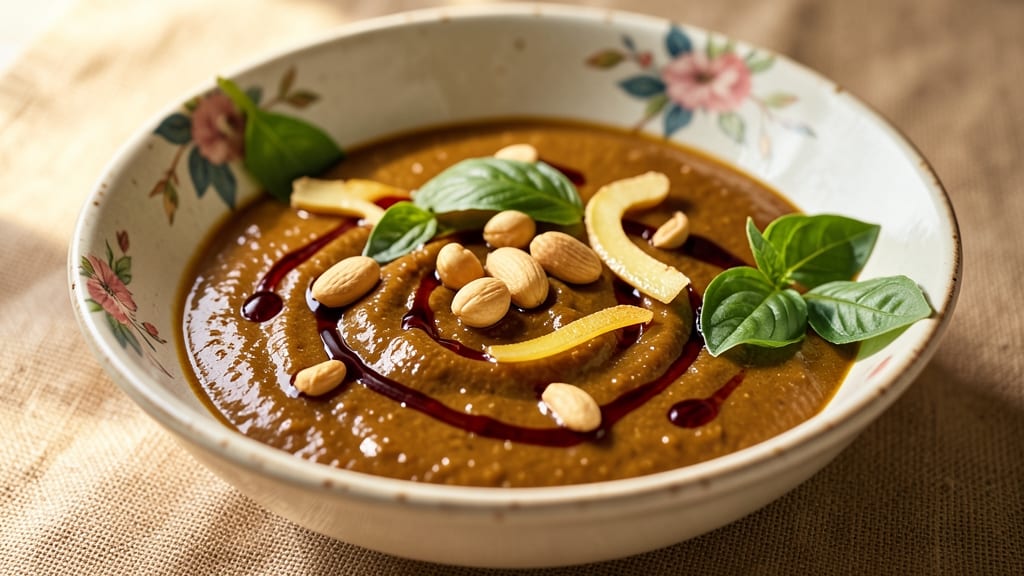
This Asian pesto sauce recipe transforms stir-fries with its nutty sesame-ginger base, blending bold flavors into a versatile condiment that elevates every dish.
The perfect harmony of toasted sesame seeds, fresh herbs, and aromatic ginger creates a sauce that's rich yet balanced—ideal for drizzling over noodles, marinating proteins, or serving as a dip.
What sets this apart is the careful balance of textures and umami notes that make it far more complex than traditional pesto.
The foundation of this sauce begins with a simple yet powerful combination: toasted sesame seeds and peanuts for nutty depth, fresh Thai basil for aromatic brightness, and a touch of chili oil for subtle heat.
A splash of soy sauce and a squeeze of lime juice tie everything together, creating a sauce that's both vibrant and deeply savory. The key to success lies in the freshness of the ingredients and the proper ratio of oil to create the perfect consistency—neither too thick nor too thin.
What you'll end up with is a sauce that's as beautiful as it is delicious, with a rich golden hue and a texture that clings perfectly to every bite.
Its versatility makes it a must-have in your kitchen—drizzle it over steaming rice, toss it with fresh spring rolls, or use it as a marinade for grilled meats. The best part?
It keeps well in the refrigerator for up to a week, allowing you to enjoy this flavorful creation throughout the week without any fuss.
This recipe is designed to be your go-to sauce for adding depth and complexity to Asian-inspired dishes, whether you're preparing a quick weeknight dinner or hosting a dinner party.
The balance of flavors ensures that it complements a wide range of ingredients, making it a true game-changer in your culinary repertoire. Let's get started on creating this nutty, aromatic sauce that will transform your meals.
Ingredients for asian pesto sauce
Nine bold ingredients create this nutty, aromatic sauce that transforms every stir-fry into a flavor masterpiece.
| Ingredient | Amount | Notes |
|---|---|---|
| Toasted Sesame Seeds 🥜 | ½ cup | Lightly toasted for nutty aroma |
| Roasted Peanuts 🥜 | ½ cup | Chopped, unsalted preferred |
| Fresh Thai Basil Leaves 🌿 | 1 ½ cups | Stems removed, loosely packed |
| Ginger Root 🧄 | 1 tbsp | Fresh, finely grated |
| Chili Oil 🌶️ | 1 tbsp | Or substitute chili flakes |
| Light Soy Sauce 🍶 | 2 tbsp | Or tamari for gluten-free |
| Fresh Lime Juice 🍋 | 1 tbsp | Zested lime adds brightness |
| Extra-Virgin Olive Oil 🫒 | ½ cup | For smooth texture |
| Sesame Oil 🫒 | 1 tbsp | Toasted for authentic flavor |
| Garlic Cloves 🧄 | 2 cloves | Minced, fresh preferred |
The sesame seeds and peanuts are absolute game-changers here—toast them lightly in a dry pan until golden for maximum nutty depth. Trader Joe's has the best pre-toasted sesame seeds, but if you're toasting your own, don't walk away! They burn fast. For peanuts, grab the unsalted kind—Planters or 365 brand work perfectly. The Thai basil is non-negotiable; regular basil just won't give you that same vibrant, anise-like punch. If you can't find Thai basil, cinnamon basil is your next best bet. Look for bright green leaves with no bruising—they should smell intensely aromatic.
No sesame oil? Toasted peanut oil at double the amount works in a pinch, though it'll have a slightly different profile. Running out of chili oil? Mix 1 tsp chili flakes with 1 tbsp olive oil—just don't overdo it. The ginger should be fresh; powdered just doesn't cut it here. For a sweeter note, add 1 tsp honey or maple syrup. Want more umami? Swap half the soy sauce for fish-free soy sauce with mushrooms. The lime juice can be bottled, but fresh is always better—Key lime or Persian limes have the most zing. And if you're making a big batch, double the oil and make it into a thicker paste—it's perfect for marinades!
This sauce keeps beautifully for 7 days in the fridge, sealed tightly under a layer of olive oil. For longer storage, freeze in ice cube trays—3 months with no texture loss. I always make extra because it's so versatile: drizzle over ramen, mix into peanut sauce, or use as a marinade for tofu. The texture thickens as it sits, so stir in a splash of water or oil if it gets too stiff. And trust me, the first time you drizzle this golden sauce over steaming hot noodles, you'll be hooked forever.
Why You'll Love This Recipe
- No-Fuss Blender Magic: I swear by this recipe because it’s three ingredients, pulse, repeat—no straining, no fuss. Toss the toasted sesame seeds and peanuts in raw, then blend with Thai basil and ginger while you wait for the rice to cook. Done.
- Umami Bomb Alert: That nutty crunch from roasted peanuts and toasted sesame seeds? It’s like a flavor grenade. The Thai basil adds bright, lemony freshness, while the chili oil—just a drizzle—wakes up every bite. Honestly, I’ve ruined perfectly good meals by eating the sauce straight from the jar.
- Pantry-to-Table Flex: This stuff works on everything—drizzled over noodles, stirred into congee, or slathered on grilled chicken. Even my picky teen asks for it on his sandwiches. (Yes, even on a Tuesday night.) And because it’s just peanuts, seeds, and herbs, it’s the kind of sauce that travels well—pack it in a jar for lunch or a picnic.
- Budget Stretch Star: A single batch costs me pennies but feels like a restaurant upgrade. Peanuts and sesame seeds last forever, Thai basil grows like a weed, and ginger stays fresh for weeks. Plus, the leftovers? They taste better the next day—if they last that long. Between us, I’ve used it to dress up store-bought dumplings and called it a win.
Step-by-step instructions for Asian pesto sauce
This vibrant sauce comes together in minutes with bold flavors you'll crave.
Toast the Peanuts and Sesame Seeds
Heat a dry skillet over medium heat. Add the 0.5 cup roasted peanuts and toast for 2-3 minutes until fragrant and lightly golden. Remove and set aside. In the same skillet, add the 0.5 cup toasted sesame seeds and toast for 1-2 minutes until they darken slightly and release their nutty aroma.
Watch closely—the peanuts burn quickly, so keep an eye on them. The sesame seeds should sizzle gently and smell toasty. Transfer both to a plate to cool slightly while you prep the remaining ingredients. This toasting step is crucial for developing depth of flavor in your sauce.
Pulse the Base Ingredients
In a food processor, combine the toasted peanuts, toasted sesame seeds, 1.5 cups fresh Thai basil leaves, 2 cloves garlic, and 1 tbsp ginger root. Pulse 3-4 times until the mixture resembles coarse sand but still has some texture. You want to break down the ingredients but not turn them into a paste just yet.
Here's the thing—pulsing too long will turn your sauce into a thick paste rather than a vibrant, textured pesto. Stop when you still see visible bits of peanuts and sesame seeds. The basil should be finely chopped but not completely puréed.
Add Liquids and Process to Perfection
With the food processor running, slowly drizzle in the 0.5 cup extra-virgin olive oil and 1 tbsp sesame oil. Process for 30-45 seconds until the mixture becomes smooth but still maintains some texture. Scrape down the sides with a spatula to ensure even blending.
This is where the magic happens—the oils emulsify with the nut and herb mixture, creating that signature silky texture. If the mixture looks too thick, add 1-2 teaspoons of water to loosen it slightly. You want a sauce that's spreadable but still has body.
Finish with Flavor Boosters
Transfer the pesto to a bowl and stir in the 2 tbsp light soy sauce, 1 tbsp chili oil, and 1 tbsp fresh lime juice. Taste and adjust seasoning—you might want to add a pinch more soy sauce for saltiness or lime juice for brightness. The sauce should be vibrant, slightly spicy, and perfectly balanced.
I like to give it a final taste right here before using it. The lime juice adds that essential brightness that cuts through the richness of the peanuts and sesame. If you're using this as a stir-fry sauce, you can thin it with a little water or more soy sauce to your preferred consistency.
Store and Use Immediately
Transfer the sauce to an airtight container and refrigerate for at least 30 minutes before using. This resting time allows all the flavors to meld together beautifully. The sauce will keep in the refrigerator for up to 5 days, though it's best used fresh.
This pesto is incredibly versatile—use it as a stir-fry sauce, dipping sauce for spring rolls, or even as a marinade for grilled meats. The nutty, spicy, citrusy flavors make it perfect for Asian-inspired dishes while adding a unique twist to your cooking repertoire.
Pro Tips For Making Asian Pesto Sauce
- TOAST SEEDS LOW AND SLOW: Skip the high-heat pan burn—dry-toast sesame seeds in a nonstick skillet over medium-low for 2-3 minutes, stirring constantly. They’ll turn golden and nutty without turning bitter, and you won’t spend 10 minutes scraping burnt bits off your pan.
- ROAST PEANUTS UNTIL FRAGRANT: Toss peanuts in a single layer on a baking sheet and roast at 350°F (175°C) for 8-10 minutes, shaking the pan halfway. They’re done when they smell like a Thai street cart—if they’re still pale, they’ll taste bland.
- STACK BASIL TO MAXIMIZE FLAVOR: Bundle Thai basil stems together and blitz them with the rest of the ingredients—this forces more oil and aroma into the sauce. Ignore the stems, and you’ll end up with a watery, weak version of what you’re after.
- PULSE THE GINGER COLD: Freeze ginger root for 10 minutes first, then grate it—this makes it easier to handle and ensures you get fine, even pieces that blend smoothly. No freezing? At least peel it before grating, or you’ll end up with rubbery chunks.
Serving suggestions for this asian pesto sauce
Noodle Perfection
Drizzle this vibrant sauce over steamed jasmine rice or udon noodles for an instant flavor upgrade. I love tossing it with hot ramen—the nutty sesame and spicy kick elevate the dish to restaurant-quality. For extra richness, add a spoonful of miso paste to the sauce before drizzling. 🍜
Try it with cold soba noodles for a refreshing summer dish. Thin the sauce with a splash of rice vinegar and serve over chilled noodles with sliced cucumber and edamame. The contrast of warm sauce on cold noodles is pure genius.
Protein Marinade
Use this sauce as a marinade for grilled chicken or tofu—the ginger and soy create tender, flavorful bites. I marinate chicken thighs for 30 minutes before grilling, then brush with extra sauce during the last 5 minutes of cooking.
For tofu, let it soak for 20 minutes to absorb the flavors. 🍗
For seafood lovers, toss shrimp or salmon in the sauce for 15 minutes before cooking. The lime and chili balance the richness of the fish beautifully. Serve with a sprinkle of sesame seeds and thinly sliced scallions for freshness.
Dipping Sauce
This sauce is a game-changer for spring rolls or fresh summer rolls. Serve it in a small bowl with chopsticks for dipping. The nutty, spicy, and tangy combo cuts through crispy rolls perfectly.
I like to add a pinch of sugar to balance the heat when using it as a dip. 🥢
Pair it with vegetable pakoras or crispy tofu bites for an Indian-Asian fusion twist. The texture contrast of the crunchy fries with the silky sauce is irresistible. For extra flair, garnish with crushed peanuts and lime zest.
Bowl Topper
Add a spoonful to your grain bowls for instant depth. I love it on quinoa bowls with roasted veggies and avocado. The sesame and ginger flavors complement the earthiness of the grains beautifully. 🥗
Use it as a dressing for Asian salads—toss it with mixed greens, shredded cabbage, and mandarin oranges. The lime and chili add a bright, zesty kick that keeps the dish fresh. Store extra sauce in the fridge for quick flavor boosts all week.
Nutrition facts
Frequently asked questions
Can I make this Asian pesto without peanuts?
Swap the peanuts for 1 cup roasted cashews or ½ cup toasted almonds for a similar nutty texture. For extra richness, use ¼ cup tahini instead—just reduce the oil slightly since tahini is already thick. The sauce will have a smoother consistency but still pack all the bold flavors.
How do I adjust the spice level?
Start with ½ tbsp chili oil if you prefer mild heat, or boost to 1.5 tbsp for extra kick. For a different flavor profile, replace chili oil with 1 tsp sriracha or gochujang paste—both add depth without overwhelming spice. Always taste before serving and adjust gradually.
What's the best way to use this sauce with seafood?
Toss shrimp or salmon with 2 tbsp sauce per pound and marinate for 15-20 minutes. The lime and ginger tenderize the fish while the sesame adds a delightful crunch. For extra shine, finish with 1 tsp sesame oil before serving. Serve immediately over rice or with steamed greens.
Can I make this sauce ahead of time?
Yes! Store it in an airtight container for up to 5 days in the fridge. For longer storage, freeze in 1-tbsp portions for 3 months. Thaw overnight in the fridge—never microwave directly. The flavors actually meld better overnight, making it perfect for meal prep.
What if my sauce turns out too thick?
Thin it gradually with 1 tsp water or rice vinegar at a time until you reach your desired consistency. For stir-fries, aim for a thin, pourable texture—like heavy cream. If it's too thin, simmer for 2-3 minutes to thicken naturally. Always adjust slowly to maintain balance.