
Sauces & Condiments
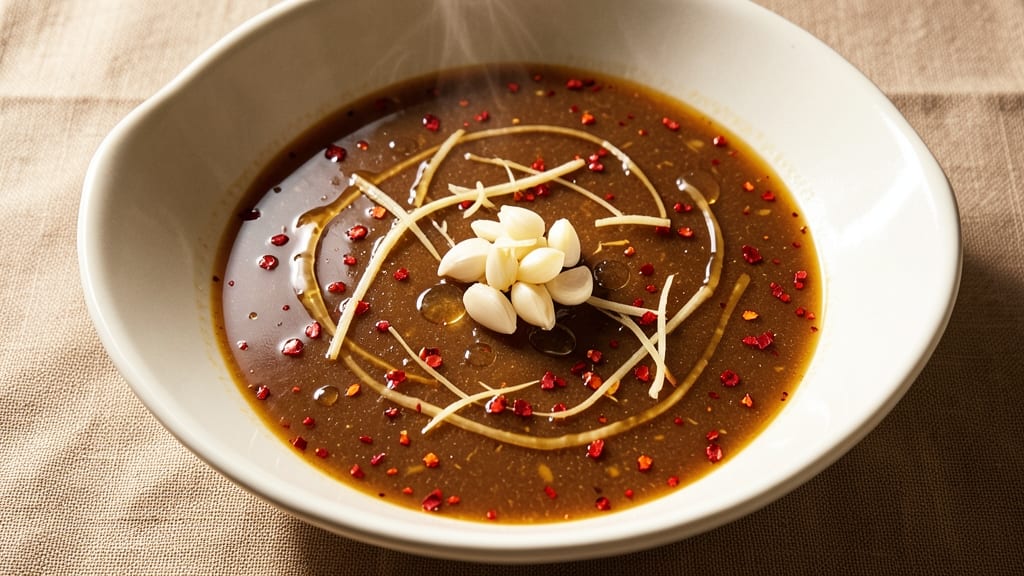
This Asian omelette sauce recipe transforms ordinary eggs into restaurant-worthy bites with its silky soy-ginger drizzle. The secret lies in balancing umami, heat, and brightness—simmering soy sauce, ginger, garlic, and a touch of honey until thickened just enough to cling to crispy egg edges.
I developed this after years of searching for the perfect sauce to elevate simple scrambled eggs or omelettes, and it never fails to impress.
The sauce comes together in 15 minutes with just six ingredients, yet delivers layers of flavor that make every bite feel special. A splash of rice vinegar brightens the soy's depth, while a pinch of chili flakes adds subtle heat without overpowering.
The result is a glossy, aromatic sauce that enhances—not masks—the natural richness of eggs, whether you're serving them crispy, fluffy, or in a delicate omelette.
What makes this sauce truly versatile is its ability to elevate more than just eggs. Drizzle it over noodles, toss it with stir-fried vegetables, or use it as a marinade for grilled meats.
The sauce keeps well in the fridge for up to a week, so you can make a batch ahead and have it ready whenever cravings strike. Once you try this, store-bought sauces won't stand a chance.
The key to success is patience during the simmer—letting the flavors meld without burning the garlic. Garnish with fresh green onions or toasted sesame seeds for extra texture and aroma. This sauce isn't just a condiment; it's the star of the dish, turning a simple meal into something extraordinary.
Ingredients for asian omelette sauce
Six simple ingredients create this restaurant-worthy sauce for eggs and beyond.
| Ingredient | Amount | Notes |
|---|---|---|
| Soy Sauce 🍶 | ½ cup | High-quality light soy preferred |
| Fresh Ginger 🌿 | 2 tbsp | Finely grated, aromatic |
| Garlic Cloves 🧄 | 3 cloves | Minced, not burned |
| Rice Vinegar 🍶 | 1 ½ tbsp | Seasoned or unseasoned |
| Honey 🍯 | 1 tbsp | For subtle sweetness |
| Red Chili Flakes 🌶️ | ½ tsp | Adjust for heat preference |
| Sesame Oil 🫒 | 1 tsp | Toasted for aroma |
| Green Onions 🧅 | 2 whole | Chopped, for garnish |
The soy sauce is the heart of this recipe—Kikkoman or La Choy are reliable, but any good light soy will do. Fresh ginger is a must; dried lacks the zing (though you can use it at half the amount if needed). Look for ginger with smooth skin and no soft spots—it keeps for weeks in the fridge. Garlic should be fresh too; those pre-minced jars in the store are a flavor crime. For sesame oil, Kadoya or Annie Chun's are affordable and flavorful, but any toasted sesame oil works. Skip the 'light' or 'flavorless' versions—they're not the same.
No fresh ginger? Dried ginger powder at half the amount works in a pinch. Swap honey for maple syrup if you're avoiding it, though the sauce won't be as silky. Chili flakes too spicy? Use smoked paprika instead—it adds depth without heat. The rice vinegar can be subbed with apple cider vinegar, but rice vinegar's mild sweetness is ideal. Sesame oil out of stock? Toasted peanut oil gives a similar nutty aroma. For extra umami, add a dash of fish sauce (if not vegetarian) or a pinch of MSG—trust me, it elevates everything.
This sauce keeps beautifully—1 week in the fridge sealed in a jar. For longer storage, freeze in ice cube trays and transfer to a bag. The flavors actually deepen over time, making it perfect for meal prep. Double the batch; you'll want it on everything. Garnish with green onions right before serving—they wilt fast if added too early. Store sesame oil separately if you're sensitive to its strong flavor; add it just before using.
Why You'll Love This Recipe
- Five-Ingredient Magic: I swear by this—just soy sauce, ginger, garlic, vinegar, and honey. That’s it. No fancy gadgets, no measuring cups stressing me out. The ginger and garlic get minced while I chat with someone (or yell at the dog), and boom, sauce ready.
- Umami Bomb: That first splash of soy sauce hits like a flavor grenade—salty, rich, but balanced by the honey’s sweetness. The rice vinegar cuts through, leaving this bright, addictive punch that makes even plain eggs taste like a Michelin-starred bite.
- Pantry Staple Power: Honestly, I make this weekly. Drizzle it over ramen, toss it with stir-fries, or use it to glaze baked chicken. The leftovers? They last forever in the fridge, and I’ve even frozen small batches for lazy mornings. No waste, all flavor.
- Budget Night Hero: Between us, this sauce costs pennies and saves my wallet. A splash here, a splash there—it stretches a single egg into a restaurant-worthy meal. My college self would’ve cried happy tears over this. (Yes, even on a Tuesday night.)
Step-by-step instructions for Asian omelette sauce
Here's how to make a velvety soy-ginger sauce that'll elevate your eggs to restaurant-quality crispiness.
Grate the Ginger and Mince the Garlic
Start by grating the 2 tablespoons of fresh ginger using a fine grater or microplane. You want a paste-like consistency—this ensures the ginger's bright flavor infuses completely into the sauce. Set it aside in a small bowl.
Next, peel and mince the 3 cloves of garlic. I like to use a sharp chef's knife and chop finely—you should end up with about 1 teaspoon of minced garlic. The smaller the pieces, the more evenly they'll distribute in the sauce. Don't crush the garlic into a paste, as that can make the sauce bitter.
Toast the Chili Flakes and Sesame Oil
Heat a small dry skillet over medium-low heat. Add the 0.5 teaspoon of red chili flakes and toast for 30 seconds, stirring constantly, until you can smell their aroma. This step deepens their flavor and removes any raw taste. Immediately transfer them to a small bowl to cool.
In the same skillet, add the 1 teaspoon of sesame oil and warm for 10 seconds—just until fragrant. Don't let it smoke! Remove from heat and set aside. This toasted aroma is what gives the sauce its authentic depth.
Combine Wet Ingredients
In a small saucepan, combine the 0.5 cup soy sauce, 1.5 tablespoons rice vinegar, and 1 tablespoon honey. Place over medium heat and bring to a gentle simmer. Let it cook for 2-3 minutes until the honey dissolves completely and the mixture becomes slightly translucent.
This is where the magic happens—the vinegar brightens the soy, while the honey balances the saltiness. If you prefer a smoother sauce, strain the mixture through a fine-mesh sieve to remove any sediment.
Blend All Ingredients
Transfer the warm soy mixture to a blender or small food processor. Add the grated ginger, minced garlic, toasted chili flakes, and toasted sesame oil. Blend until completely smooth, about 15-20 seconds. Taste and adjust seasoning—add a pinch more chili flakes if you want more heat, or a touch more honey if it needs sweetness.
For the silkiest texture, strain the blended sauce through a fine-mesh sieve into a clean bowl. This removes any lingering fiber and creates that luxurious, velvety consistency perfect for drizzling over crispy eggs.
Finish and Store
Garnish the sauce with the chopped 2 whole green onions (about 2 tablespoons finely chopped) and give it a final stir. The green onions add a fresh, bright contrast to the rich sauce. Let it cool to room temperature before using.
Store any leftovers in an airtight container in the refrigerator for up to 5 days or freeze for 3 months. The flavors actually deepen as it sits, making it perfect for quick egg dishes all week. This sauce keeps beautifully, so make extra!
Pro Tips For Making Asian Omelette Sauce
- GRATE THAT GINGER: Skip the mincer—freshly grated ginger (about 1 teaspoon) releases its oils better than pre-sliced or powdered, and it won’t turn bitter. I learned this the hard way after using jarred ginger and wondering why the sauce tasted flat.
- SIMMER LOW AND SLOW: Start on medium heat, then drop to a bare simmer once the garlic turns golden—around 3-4 minutes. Rush it, and you’ll burn the garlic before the flavors meld. (Yes, even if you’re impatient like me.)
- MEASURE THE SOY SAUCE: Use 1 tablespoon, not the 2 you might grab instinctively. Asian omelette sauce is about balance, not salt bombs. Taste as you go—you can always add more vinegar or honey later.
- SWAP HONEY FOR MAPLE: If you’re out of honey, sub equal parts maple syrup—it caramelizes faster and adds a deeper earthiness. I was skeptical until I tried it, and now I keep both on hand.
Flavor customization for this recipe
Spicy Sesame Kick
For a fiery twist, double the red chili flakes to 1 teaspoon and add 1 teaspoon of gochujang (Korean chili paste) for depth. Toast 1 teaspoon of black sesame seeds in the dry skillet alongside the chili flakes—this adds nutty crunch and smoky heat.
Balance the intensity with an extra ½ teaspoon of honey to prevent overpowering. I love this version with crispy fried eggs or ramen. 🌶️
Sweet and Tangy
Swap the honey for 1 tablespoon of maple syrup and add 1 teaspoon of mirin to the wet ingredients. Stir in 1 teaspoon of grated lemon zest after blending for a bright, citrusy finish.
Garnish with toasted coconut flakes for texture. This variation pairs perfectly with fluffy scrambled eggs or Vietnamese-style omelettes. 🍯
Umami Bomb
Boost the savory profile by adding 1 teaspoon of fish sauce (or ½ teaspoon of soy sauce substitute like coconut aminos) to the wet ingredients. Include 1 teaspoon of miso paste in the blend for a deeper, fermented richness.
Top with crispy fried shallots for extra crunch. This version works wonders on crispy egg rolls or noodle bowls. 🍜
Herb-Infused Freshness
Blend in 1 tablespoon of chopped cilantro and 1 tablespoon of Thai basil after straining the sauce. Add ½ teaspoon of lime juice and a pinch of salt to enhance freshness.
Garnish with extra herbs and a sprinkle of crushed peanuts. This lighter version is ideal for summer egg dishes or Vietnamese pho-inspired bowls. 🌿
Smoky Maple Glaze
Replace the honey with 1 tablespoon of maple syrup and add ½ teaspoon of smoked paprika to the wet ingredients. Toast 1 teaspoon of pepitas in the skillet with the chili flakes for a smoky crunch.
Drizzle this glaze over crispy egg tacos or avocado toast for a sweet-savory contrast. 🔥
Creamy Sesame Dressing
Thin the sauce with 2 tablespoons of warm water and stir in 1 tablespoon of tahini for creaminess. Add ½ teaspoon of ground coriander and a pinch of salt to balance flavors.
Drizzle over chilled egg salad or use as a dip for spring rolls. This version transforms the sauce into a versatile dressing. 🥗
Nutrition facts
Frequently asked questions
Can I make this sauce without a blender?
If you don't have a blender, finely grate the ginger and mince the garlic as small as possible, then whisk everything together in a bowl. For extra smoothness, press the mixture through a fine-mesh sieve into another bowl. The texture will be slightly chunkier but still delicious—just stir well before using.
How spicy should I make it for kids?
For little ones, reduce the chili flakes to ¼ teaspoon or omit them entirely. You can still add a tiny pinch of smoked paprika for depth without heat. The ginger and garlic provide plenty of flavor without needing spice. Always taste before serving!
Can I use this sauce on non-egg dishes?
This sauce is incredibly versatile! Drizzle it over noodles, toss with stir-fried vegetables, or use it as a marinade for grilled chicken or tofu. It even works as a dipping sauce for spring rolls or dumplings. The balance of soy, ginger, and sweetness makes it perfect for many Asian-inspired dishes.
Why did my sauce turn out too thick?
If your sauce is too thick, it likely didn't simmer long enough to reduce. Next time, cook the soy mixture for 5-7 minutes to evaporate more liquid. For an immediate fix, thin with 1 teaspoon of warm water at a time until you reach the desired consistency. Stir constantly while heating to prevent burning.
What's the best way to reheat leftover sauce?
Gently warm the sauce in a small saucepan over low heat for 1-2 minutes, stirring constantly. Avoid high heat as it can make the sauce separate or develop a bitter taste. If it thickens too much, add a splash of water or rice vinegar to restore its smooth consistency. Never microwave—it ruins the texture!