
Sauces & Condiments
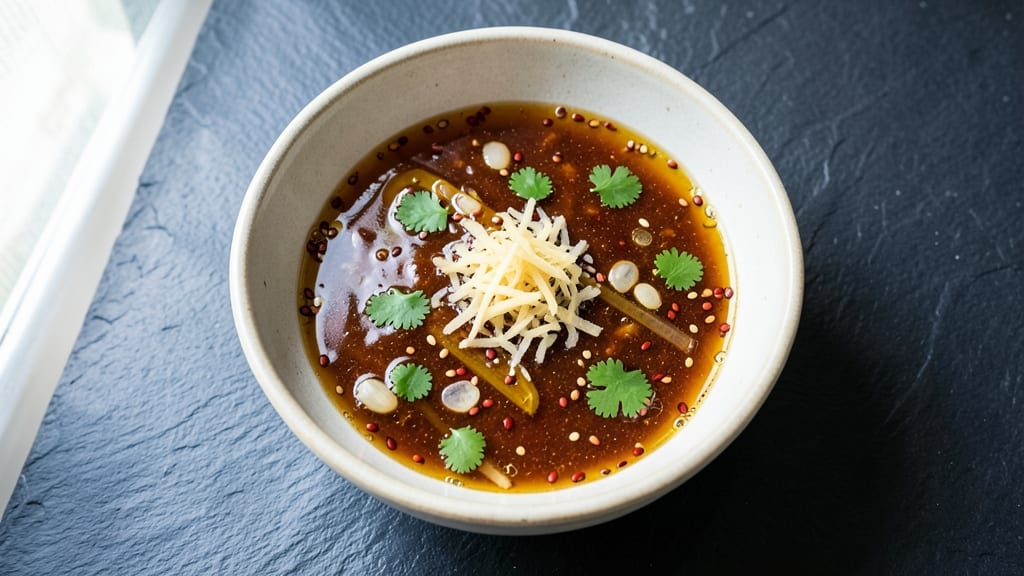
This Asian ginger sauce recipe transforms any dish with its bright, aromatic punch—perfect for stir-fries, noodles, or grilled meats. Fresh ginger, garlic, and soy sauce create a harmonious blend of spicy, sweet, and umami notes that elevate simple ingredients into something extraordinary.
The secret lies in balancing the flavors while keeping the sauce versatile enough for countless meals.
What sets this recipe apart is its simplicity: just 10 minutes of prep, no cooking required, and ingredients you likely already have. The sauce relies on a few key components—fresh ginger, rice vinegar, sesame oil, and a touch of honey—to deliver bold flavor without overwhelming complexity.
It’s the kind of condiment that turns ordinary weeknight dinners into restaurant-worthy experiences.
Once mixed, this sauce stays vibrant and potent in the fridge for up to 10 days, making it ideal for meal prep. Drizzle it over steaming stir-fries, toss it into ramen, or use it as a marinade for grilled chicken.
The fresh ginger adds a zingy kick, while the soy and sesame oil ground the flavors with depth. Every spoonful promises a burst of authenticity that’s hard to replicate.
For extra versatility, adjust the sweetness or spice to suit your taste—add a dash of chili for heat or more honey for richness. The possibilities are endless, but the foundation remains the same: a foolproof, flavor-packed sauce that’s as easy to make as it is delicious. Let’s get started!
Ingredients for asian ginger sauce
Nine essential ingredients blend into a vibrant sauce that transforms simple dishes into extraordinary meals.
| Ingredient | Amount | Notes |
|---|---|---|
| Fresh Ginger Root 🧄 | ½ cup | Finely grated, skin removed |
| Garlic Cloves 🧄 | 4 cloves | Minced, not pre-minced jarred |
| Rice Vinegar 🍶 | ½ cup | Unseasoned, mild flavor |
| Sesame Oil 🫒 | 2 tbsp | Toasted, not flavored |
| Low-Sodium Soy Sauce 🍶 | ¼ cup | Kikkoman preferred |
| Honey 🍯 | 2 tbsp | Wildflower or clover |
| Toasted Sesame Seeds 🌾 | 1 tbsp | For garnish, optional |
| Red Chili Flakes 🌶️ | ½ tsp | Adjust for heat preference |
| Diamond Crystal Kosher Salt 🧂 | ½ tsp | Fine grain preferred |
| Fresh Lime Juice 🍋 | 1 tbsp | Freshly squeezed |
The ginger and garlic are the heart of this sauce—freshly grated ginger delivers that signature zing, while minced garlic cloves add depth. For ginger, look for firm, blemish-free roots at Whole Foods or your local Asian market; avoid any with soft spots. Garlic should be plump and firm, not sprouting. Kikkoman soy sauce is the gold standard here, but any low-sodium variety works. Toast your own sesame seeds in a dry pan for 2-3 minutes until fragrant—they’ll elevate the sauce’s aroma. The honey should be wildflower or clover for balanced sweetness, and lime juice must be freshly squeezed to avoid bitterness.
No fresh ginger? Powdered ginger at half the amount works in a pinch, though texture will differ. Substitute white vinegar for rice vinegar if needed, but the flavor profile shifts slightly. For sesame oil, avocado oil can replace, though it lacks the nutty depth. If you’re avoiding honey, maple syrup or agave work well, though the sauce will taste more pronouncedly sweet. The chili flakes are optional but recommended—they add a subtle heat that balances the sauce’s brightness. For extra umami, a dash of fish sauce (if not vegetarian) or miso paste can deepen the flavor.
This sauce keeps beautifully in an airtight container in the fridge for up to 10 days, with flavors intensifying over time. For longer storage, freeze in ice cube trays—thaw and stir before use. The sesame oil separates slightly; just give it a gentle shake before drizzling. Garnish with toasted sesame seeds right before serving to preserve their crunch. If the sauce thickens, thin it with a splash of water or rice vinegar. Double the batch and freeze half for future meals—it’s that good.
Why You'll Love This Recipe
- No-Peel Struggles: I slice ginger straight from the root—no peeling, no mess—then toss it in the pan with garlic until it sizzles. That first burst of aroma? Worth the tiny knife work.
- Umami Magic: Low-sodium soy and rice vinegar team up to cut through the heat of fresh ginger, balancing it with a tangy, savory punch. Honestly, this sauce turns bland rice into a flavor bomb.
- Pantry Stash Ready: Between us, I always have ginger, garlic, and soy sauce on hand. No last-minute grocery runs—just mix, simmer, and serve. (Yes, even on a Tuesday night.)
- Leftovers That Shine: Double the batch and store it for weeks. Drizzle it over noodles, toss with stir-fries, or even glaze tofu—it’s my secret weapon for lazy days. No waste, all flavor.
Step-by-step instructions for Asian ginger sauce
This bright, aromatic sauce comes together in minutes with precise technique.
Grate and Extract Ginger Juice
Peel the 0.5 cup fresh ginger root using a spoon to remove the skin, then grate it using a fine grater or microplane. You should end up with about ¼ cup of finely grated ginger. Transfer it to a bowl and let it sit for 5 minutes to release its natural juices—this enhances the sauce's depth.
Using a clean kitchen towel, gently squeeze all the liquid from the grated ginger into a measuring cup. You'll need about 2 tablespoons of ginger juice. The remaining pulp can be reserved for garnish or discarded. This extraction method ensures maximum flavor without bitterness, which is crucial for the sauce's balance.
Bloom the Aromatics
In a small saucepan, combine the 4 cloves minced garlic, 0.5 cup rice vinegar, and 0.25 cup low-sodium soy sauce. Place the saucepan over medium heat and bring to a gentle simmer. Let it cook for 3-4 minutes until the garlic becomes fragrant but doesn't brown—this prevents bitterness that can overpower the sauce.
I like to stir occasionally with a wooden spoon, ensuring the garlic infuses evenly. The rice vinegar will start to reduce slightly, concentrating its bright acidity. This step builds the sauce's foundational flavor profile before adding the remaining ingredients.
Sweeten and Balance Flavors
Reduce the heat to low and stir in the 2 tablespoons honey and 2 tablespoons sesame oil. Let the mixture simmer gently for another 2-3 minutes until the honey dissolves completely and the sauce begins to thicken slightly. You'll notice the sauce develop a glossy sheen—this indicates proper emulsification.
Here's where the sauce comes together: the honey's sweetness balances the acidity of the rice vinegar, while the sesame oil adds nutty depth. Taste the mixture now—it should be tangy, slightly sweet, and umami-rich. If it tastes too sharp, add a touch more honey; if it's too flat, a splash of rice vinegar will brighten it up.
Finish with Seasoning and Rest
Remove the saucepan from heat and stir in the 0.5 teaspoon red chili flakes, 0.5 teaspoon Diamond Crystal kosher salt, and 1 tablespoon fresh lime juice. The red chili flakes add subtle heat, the salt enhances all flavors, and the lime juice provides a final brightening touch. Let the sauce sit at room temperature for 10 minutes—this allows all the components to meld completely.
Before using, give the sauce a final taste and adjust the seasoning if needed. The lime juice might make it seem slightly too acidic at first, but it will mellow as it rests. This sauce is incredibly versatile—drizzle it over stir-fries, noodle bowls, or grilled proteins for instant elevation.
Pro Tips For Making Asian Ginger Sauce
- PEEL GINGER LAST MINUTE: I used to peel ginger days ahead and store it in the fridge, thinking it’d save time. Wrong. Ginger oxidizes fast—it turns dull and loses punch. Peel it right before grating or slicing, and you’ll taste the bright, zesty kick you’re after. (Yes, even if you’re impatient like me.)
- MINCE GARLIC FINE: Chopping garlic into rough chunks? That’s how you end up with texture instead of flavor. For this sauce, aim for a paste—smash cloves with the flat side of your knife first, then mince until it’s almost a slurry. It blends smoother and infuses better. (Your blender will thank you later.)
- LOW HEAT FOR SESAME OIL: Sesame oil burns faster than you’d think. If you’re simmering this sauce, keep the heat at a whisper—medium-low or lower. High heat turns it bitter, and you’ll regret it when the aroma hits wrong. Trust me, this isn’t the step to rush.
- SALT THE VINEGAR: Rice vinegar tastes sharp on its own. Toss in a pinch of salt (½ tsp per 2 tbsp vinegar) while mixing the sauce—it rounds out the acid and balances the soy. Skip this, and your sauce might taste unfinished. (Your taste buds will notice.)
Common mistakes when making perfect results
Overcooking the Ginger
Fresh ginger loses its bright, zesty flavor quickly when cooked too long. Once you add the grated ginger juice to your sauce, keep the heat at low-medium and never let it boil.
I’ve made this mistake—adding ginger too early and letting it simmer for 5+ minutes turns it bitter and muddles the sauce’s freshness. The goal is to infuse, not cook down. Add the ginger juice near the end, just 1-2 minutes before finishing the sauce. 🌶️
Skipping the Resting Time
Rushing to use the sauce immediately is a rookie move. The 10-minute rest at room temperature lets the flavors meld and the acidity mellow. I once drizzled it over hot noodles straight after mixing—it tasted harsh and disjointed.
Let the sauce sit uncovered on the counter while you finish cooking your dish. This simple step makes all the difference in harmony.
Using Jarred Minced Garlic
Pre-minced garlic from jars lacks the fresh, aromatic punch you need. The moisture in jarred garlic dilutes your sauce and adds an off-flavor. Plus, it’s already partially cooked, which weakens its impact. Always use freshly minced garlic cloves—just 4 cloves make a difference.
If you’re short on time, at least drain the jarred garlic well and pat it dry before using half the amount.
Ignoring the Honey’s Role
The honey isn’t just for sweetness—it’s the emulsifier that binds the sauce’s components. If you skip it or use too little, the sauce may separate or taste flat. I’ve seen home cooks replace it with sugar, but sugar doesn’t dissolve the same way and can leave graininess.
Use 2 tbsp honey and let it simmer until fully incorporated. For a vegan version, agave works, but expect a slightly more pronounced sweetness.
Over-Salting Early
Adding all the salt at once can throw off the balance, especially if your soy sauce is already salty. Taste as you go! Start with just ¼ tsp of the ½ tsp total and add the rest only after the sauce has rested.
I’ve ruined batches by salting too soon—always adjust after the sauce cools slightly, as salt intensity changes with temperature. A pinch of salt at the end ensures perfect seasoning every time.
Not Adjusting for Vinegar Strength
Substituting white vinegar for rice vinegar changes the flavor profile dramatically. White vinegar is harsher and more acidic, which can make the sauce taste sour and unbalanced. If you must substitute, reduce the amount to ¼ cup and add 1 extra tbsp honey to compensate.
I’ve learned this the hard way—always use rice vinegar for that authentic, mild tang that complements the ginger’s warmth. 🍶
Nutrition facts
Frequently asked questions
Can I make this Asian ginger sauce without fresh ginger?
Yes, but the flavor will differ slightly. Use ½ teaspoon ground ginger (about half the amount of fresh) and add it at the end of cooking. For best results, toast the ground ginger in a dry pan for 30 seconds to enhance its aroma before mixing. The sauce will still taste great, though it won't have the same bright, fresh zing as fresh ginger.
How can I adjust the spice level in this sauce?
Start with ½ teaspoon chili flakes for mild heat, then increase to 1 teaspoon for medium spice, or 1½ teaspoons for a fiery kick. For extra heat without flakes, add ½ teaspoon gochujang (Korean chili paste) or a pinch of cayenne pepper. Always taste as you go—you can't remove spice once added!
What are the best dishes to pair with this Asian ginger sauce?
This versatile sauce works beautifully with stir-fried vegetables, grilled chicken or salmon, ramen noodles, and even as a marinade for tofu or shrimp. Try it on steamed dumplings, drizzled over cold soba noodles, or mixed into peanut sauce for extra depth. The bright ginger flavor cuts through rich, fatty dishes perfectly.
Can I make this sauce ahead of time?
Store it in an airtight container in the fridge for up to 10 days, where flavors actually deepen over time. For longer storage, freeze in ice cube trays—thaw and stir before use. The sesame oil may separate slightly; just shake gently before serving. The sauce tastes even better the next day as the flavors meld.
What if my sauce tastes too sweet or sour?
For a sweeter sauce, add ½ teaspoon more honey and let it simmer for 1 minute to blend. If it's too sour, balance it with ½ teaspoon more honey or a splash of 1 teaspoon soy sauce. The key is to adjust gradually—taste after each addition. The sauce should have a harmonious balance of all flavors, not just one dominating.