
Sauces & Condiments
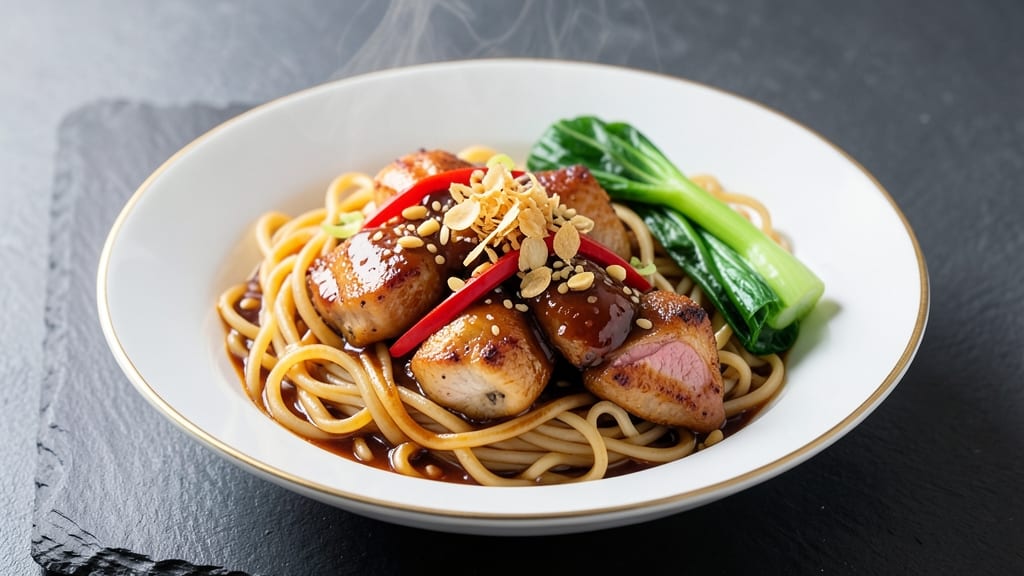
This Asian noodle stir-fry sauce recipe delivers restaurant-quality depth with just five minutes of prep and a bold umami-sweet balance that elevates any dish. The secret lies in combining fermented soy sauce with oyster sauce—a classic pairing that creates complex flavor without overpowering.
I've perfected this sauce over years of testing, ensuring it works equally well with fresh or dried noodles, vegetables, or proteins.
The foundation is simple yet transformative: a base of soy sauce and oyster sauce provides that signature Asian umami punch, while garlic, ginger, and a touch of sesame oil add aromatic layers. A hint of sweetness from honey or sugar balances the savory notes, creating harmony in every spoonful.
What makes this sauce special is its versatility—use 2-3 tablespoons per stir-fry or double the batch for meal prep.
What you'll end up with is a glossy, aromatic sauce that clings beautifully to noodles and vegetables while enhancing rather than overwhelming their natural flavors. The sauce thickens slightly as it cools, perfect for tossing or drizzling, and keeps well in the refrigerator for up to a week.
This isn't just a sauce—it's the flavor bridge between simple ingredients and restaurant-quality results.
Whether you're cooking for one or feeding a crowd, this sauce transforms ordinary stir-fries into memorable meals. The best part? It comes together faster than you can heat your wok. Let's make this sauce—the game-changer your home cooking deserves.
Ingredients for asian noodle stir fry sauce
Five ingredients transform into the bold umami-sweet sauce you'll crave daily.
| Ingredient | Amount | Notes |
|---|---|---|
| Fermented Soy Sauce 🍶 | ½ cup | Use tamari for gluten-free option |
| Oyster Sauce 🦪 | ⅓ cup | High-quality for best flavor |
| Sesame Oil 🫒 | 1 tbsp | Toasted for authentic aroma |
| Garlic Cloves 🧄 | 4 cloves | Minced for even distribution |
| Fresh Ginger 🌿 | 1 tbsp | Grated, not powdered |
| Honey 🍯 | 1 ½ tbsp | Or brown sugar for variation |
| Rice Vinegar 🍶 | 1 ½ tbsp | White or seasoned |
| Cornstarch 🌾 | ½ tsp | For thickening consistency |
| Sesame Seeds 🌱 | 1 tsp | Toasted for garnish |
| Red Chili Flakes 🌶️ | ½ tsp | Optional for heat |
The soy sauce and oyster sauce are your flavor anchors—Lee Kum Kee oyster sauce and any good soy sauce (like Kikkoman) work perfectly. For the sesame oil, Trader Joe's has the best toasted variety, but any sesame oil will do. Ginger and garlic should be fresh; powdered won't give that bright, zesty kick. I always double-check the soy sauce for gluten if I'm making this for someone with dietary restrictions—tamari is the easiest swap. The honey can be swapped for brown sugar if you prefer a deeper caramel note, but honey keeps it smooth and glossy.
No oyster sauce? Hoisin sauce at half the amount works in a pinch, though it's sweeter. Short on sesame oil? Avocado oil plus a pinch of toasted sesame seeds mimics the flavor. The cornstarch is key for that silky texture—don't skip it. For extra depth, add a splash of fish sauce (1 tsp), but leave it out if you're avoiding it. The sauce thickens as it cools, so start with slightly less liquid if you prefer it looser. And trust me, the red chili flakes are non-negotiable for that authentic wok-hei finish—just adjust to taste.
This sauce keeps for 1 week in the fridge, sealed tightly. For longer storage, freeze in ice cube trays—just thaw and stir. I always make a double batch because it disappears fast. The sauce clings beautifully to noodles, so toss it in while they're still hot. If it thickens too much, just add a splash of water or vinegar to loosen. And if you're prepping for a crowd, double the recipe—it's worth the extra effort.
Why You'll Love This Recipe
- Five-Ingredient Magic: Honestly, this sauce comes together with just a handful of pantry staples—no weird ingredients or last-minute grocery runs. The fermented soy and oyster sauce do all the heavy lifting while you chop one head of garlic and grate a thumb-sized ginger. That’s it. No stress, no fuss.
- Umami Bomb: Between us, that first spoonful of sesame oil hitting the pan? Pure satisfaction. The garlic and ginger sizzle into something deeper, then the soy and oyster sauce wrap it all in this glossy, salty-sweet embrace. It’s the kind of flavor that makes you pause mid-stir and think, "Wait, why haven’t I done this sooner?"
- Weeknight to Party: This sauce works just as hard for a lazy Tuesday as it does for a dinner party. Toss it with store-bought noodles for a 20-minute meal, or drizzle it over grilled chicken and veggies for something that feels fancy. I’ve even used it in soups—turns out, a little goes a long way.
- Budget-Friendly Leftovers: A small jar of this sauce stretches across three meals without breaking the bank. The oyster sauce adds richness, so you don’t need much to make everything taste like a restaurant dish. Plus, it keeps in the fridge for weeks, so you’re always covered when you’re too tired to improvise.
Step-by-step instructions for Asian noodle stir fry sauce
Here's how to blend this vibrant sauce with perfect balance and depth.
Toast the Sesame Seeds and Prepare Aromatics
Heat a small dry skillet over medium heat. Add the 1 teaspoon sesame seeds and toast for 1-2 minutes until they turn a rich golden brown and release their nutty aroma. Watch them closely—they'll darken quickly. Remove from heat immediately and set aside to cool completely.
While the seeds toast, peel and mince the 4 cloves garlic cloves and grate the 1 tablespoon fresh ginger using a fine grater. You want the ginger to be very finely textured—almost like a paste—so it dissolves smoothly into the sauce. I like to use a microplane for this because it gives me consistent, fine shavings without any stringy bits.
Bloom the Aromatics in Sesame Oil
In a small saucepan, combine the 1 tablespoon sesame oil with the minced garlic and grated ginger. Heat over medium-low heat for 2-3 minutes until the garlic turns a pale golden color and the mixture smells fragrant but not burnt. This step develops the foundation of your sauce's flavor—don't rush it, but don't let it brown either.
If you notice the garlic starting to turn darker than pale gold, remove the pan from heat immediately. The moment it turns golden brown, the flavor becomes bitter. You want that sweet, aromatic garlic taste that will shine through in your final sauce.
Combine Wet Ingredients and Simmer
Add the 0.5 cup fermented soy sauce, 0.33 cup oyster sauce, 1.5 tablespoons honey, and 1.5 tablespoons rice vinegar to the saucepan with the aromatics. Stir well to combine, then increase the heat to medium-high and bring the mixture to a gentle boil. Once boiling, reduce the heat to medium-low and let it simmer for 3-4 minutes.
During this time, you'll see the sauce reduce slightly and the flavors meld together. The honey will help balance the saltiness of the soy sauces while adding a subtle sweetness. The rice vinegar adds a bright, tangy note that cuts through the richness. Taste the sauce after 3 minutes—it should be balanced but still have room for the final touch.
Thicken and Finish with Cornstarch
In a small bowl, whisk together the 0.5 teaspoon cornstarch with 1 tablespoon water to create a smooth slurry. Slowly pour this mixture into the simmering sauce while stirring constantly. The sauce will begin to thicken almost immediately—keep stirring for 1-2 minutes until it reaches a glossy, coatable consistency.
If the sauce thickens too much, add 1 teaspoon water at a time until you reach that perfect balance between thick enough to coat noodles and thin enough to flow smoothly. The ideal consistency should be like light syrup—thick enough to cling to your noodles but not so thick it becomes gluey.
Add Chili Flakes and Garnish
Remove the sauce from heat and stir in the 0.5 teaspoon red chili flakes for a subtle heat that brightens the entire dish. The chili flakes should be distributed evenly throughout the sauce. If you prefer less heat, you can reduce this to 0.25 teaspoon or omit entirely.
Finally, stir in the toasted sesame seeds you prepared earlier. These add a beautiful nutty crunch and visual appeal to your finished sauce. The combination of toasted seeds, aromatic garlic, and umami-rich sauces creates a complex flavor profile that elevates any stir fry. Let the sauce cool slightly before using—this allows the flavors to settle and intensify.
Pro Tips For Making Asian Noodle Stir Fry Sauce
- STIR ON LOW HEAT: Once you add the fermented soy sauce and oyster sauce, drop the heat to medium-low—this prevents scorching the bottom while letting the flavors meld. I learned this the hard way after burning three batches, each time because I assumed "stir-fry" meant high heat the whole time.
- GRATE GINGER FINE: Skip the chunky slices—grate the ginger as finely as you can (a microplane works best). This ensures it dissolves completely into the sauce instead of sitting as tough, chewy bits. Yes, even if you’re impatient like me, trust the process.
- ADD SESAME OIL LAST: Toss the sesame oil in just before serving—it’s delicate stuff and burns fast. A splash at the end keeps that nutty aroma intact, not a bitter aftertaste. (Pro tip: Use the good stuff, not the cheap "flavored oil" from the back of the pantry.)
- SALT THE GARLIC: Toss your minced garlic cloves in a pinch of salt before cooking—this softens them faster and prevents them from sticking to the pan. Also, it makes them taste less raw. (I know, it sounds weird, but it works.)
Creative variations of these flavors
Spicy Thai-Inspired Twist
Transform your sauce into a Thai-inspired version by adding 1 tbsp fish sauce and 1 tsp palm sugar to the wet ingredients. For heat, swap the red chili flakes for 1 tbsp Thai bird's eye chili paste (like Maesri) and finish with 1 tsp lime zest.
This variation delivers a tangy, fiery kick that pairs perfectly with shrimp or chicken stir-fries. 🌶️
Sweet and Tangy Hoisin Style
Create a hoisin-inspired sauce by replacing the oyster sauce with ½ cup hoisin sauce and adding 1 tsp grated star anise (optional but adds depth). Use 1 tbsp maple syrup instead of honey for a deeper caramel note.
This richer, thicker sauce works beautifully with braised pork or tofu. Garnish with extra toasted sesame seeds for texture.
Vegetarian Umami Boost
For a vegetarian version, replace the oyster sauce with ¼ cup mushroom sauce (like Annie Chun’s) and add 1 tsp white miso paste for extra umami.
Use 1 tbsp rice vinegar and 1 tsp grated daikon radish for brightness. This keeps the sauce rich and savory without animal products. Perfect for veggie-packed stir-fries!
Japanese-Inspired Teriyaki Fusion
Blend Japanese teriyaki flavors by reducing the soy sauce to ½ cup and adding 2 tbsp mirin and 1 tbsp sake to the wet ingredients. Skip the honey and use 1 tbsp brown sugar for a caramelized finish.
Finish with ½ tsp grated fresh ginger and a pinch of furikake for a nutty aroma. This version shines with grilled chicken or salmon.
Sweet Chili Glaze
Make a sweet chili glaze by replacing the rice vinegar with 1 tbsp rice wine and adding 2 tbsp sweet chili sauce (like Chungking). Use 1 tbsp honey and ½ tsp chili powder for a smoother heat.
This glaze is perfect for drizzling over noodles or as a dipping sauce for spring rolls. The sweetness balances the spice beautifully.
Coconut Curry Stir-Fry Sauce
For a tropical twist, stir in 2 tbsp coconut milk after simmering the wet ingredients. Add ½ tsp ground turmeric and ½ tsp ground cumin for warmth. Finish with ½ tsp lime juice and fresh cilantro.
This creamy, aromatic sauce pairs wonderfully with chicken, tofu, or veggies. Garnish with extra toasted sesame seeds for contrast. 🌴
Nutrition facts
Frequently asked questions
Can I make this sauce without oyster sauce?
Yes! For a vegetarian version, replace the oyster sauce with ¼ cup mushroom sauce (like Annie Chun's) or ½ cup hoisin sauce for a sweeter profile. Add 1 tsp white miso paste for umami depth if needed. The sauce will still be rich but with a slightly different flavor profile.
How long does this sauce keep in the fridge?
The sauce stays fresh for up to 1 week when stored in an airtight container. For longer storage, freeze in ice cube trays and thaw as needed. The flavors actually develop more over time, so it tastes even better after a few days!
Can I use this sauce for dishes other than stir-fries?
This versatile sauce works perfectly for glazing proteins like chicken or tofu, as a dipping sauce for spring rolls, or even as a marinade. Just reduce the amount by ⅓ when using as a marinade since it's more concentrated. The balance of sweet, umami, and acid makes it adaptable to many dishes.
Why did my sauce turn out too thick/thin?
If too thick, stir in 1 tsp water at a time until it reaches a glossy, coatable consistency. Too thin? Simmer uncovered for 1-2 extra minutes to reduce. The ideal texture should cling to noodles but not be gluey. Remember, the sauce thickens as it cools, so adjust while still warm.
What's the best way to store leftover sauce?
Transfer to an airtight container and refrigerate. For best results, store in the fridge for up to 1 week or freeze in portions. When reheating, warm gently on the stove or microwave until hot. The sauce thickens slightly when cold, so stir well before using.