
Sauces & Condiments
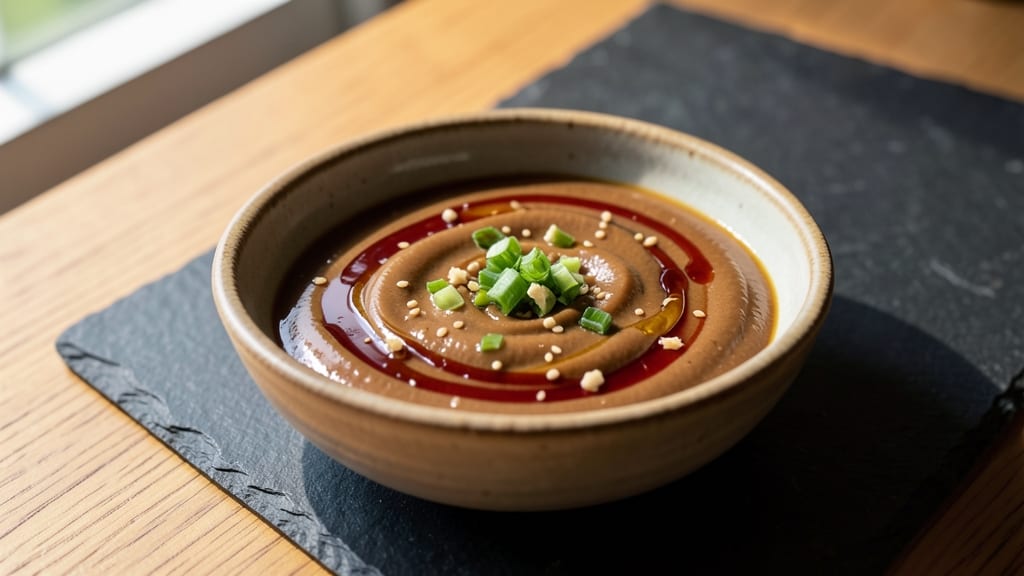
This Asian mustard dipping sauce delivers a bold umami punch with just 5 simple ingredients and 10 minutes of prep time. The secret lies in balancing tangy mustard with sweet soy and vinegar, creating a sauce that's perfect for spring rolls, dumplings, or grilled meats.
I developed this recipe after struggling to find store-bought versions that truly captured the complexity of Asian flavors.
The magic happens when you whisk together Dijon mustard, soy sauce, rice vinegar, and a touch of honey—each ingredient plays a crucial role in the final flavor profile. A splash of sesame oil adds depth, while fresh garlic and ginger provide that signature aromatic kick.
This sauce isn't just for dipping; it elevates any dish with its rich, tangy-sweet balance.
What makes this recipe stand out is its versatility—use it immediately or store it in the fridge for up to 2 weeks. The flavors actually improve as they meld, making it ideal for meal prep.
Whether you're serving it with fresh spring rolls or drizzling over grilled chicken, this sauce brings restaurant-quality flavor to your home cooking.
Ready in just 10 minutes, this sauce requires no special equipment—just a bowl and whisk. The result is a smooth, velvety condiment with layers of flavor that will have you reaching for the jar again and again. Here's everything you need to make it.
Ingredients for asian mustard dipping sauce
Five simple ingredients create this restaurant-quality Asian mustard sauce in minutes.
| Ingredient | Amount | Notes |
|---|---|---|
| Dijon Mustard 🍯 | ½ cup | High-quality for best flavor |
| Soy Sauce 🥢 | ⅓ cup | Use light or dark variety |
| Rice Vinegar 🍶 | ¼ cup | White or seasoned preferred |
| Honey 🍯 | 2 tbsp | Substitute maple syrup if needed |
| Toasted Sesame Oil 🫒 | 1 tbsp | For rich aroma (not cooking oil) |
| Garlic Cloves 🧄 | 3 cloves | Freshly minced for bright flavor |
| Fresh Ginger 🌿 | 1 tbsp | Grated, not powdered |
| Water 💧 | ¼ cup | Adjust for desired consistency |
The Dijon mustard is non-negotiable here—Maille or Amoy brands have that perfect tang. Soy sauce matters too: Kikkoman or Lee Kum Kee work best for authentic flavor. Fresh ginger and garlic are worth the effort—Asian markets usually have the freshest, but the grocery store works too. Toasted sesame oil? Trader Joe's sells it pre-toasted, which saves time. If you're in a pinch, regular sesame oil works but lacks that nutty depth. The honey adds just enough sweetness to balance the tang—don't skip it, even if you're not a big honey fan.
No Dijon mustard? Yellow mustard thinned with a splash of vinegar gets you close, though it won't be as refined. Short on soy sauce? Coconut aminos work in a pinch for a lighter flavor. The ginger can be swapped for 1/2 tsp ground ginger, but fresh is ideal. Sesame oil too strong? Olive oil at half the amount mellows it out. The water is your secret weapon—add more for a thinner sauce perfect for dipping spring rolls, or less for a thicker glaze over grilled meats. Pro tip: Let the sauce sit 10 minutes after mixing—the flavors meld beautifully.
This sauce keeps for 2 weeks in the fridge, and honestly tastes better the next day. Store it in a glass jar with a tight lid to preserve those aromatic oils. For meal prep, make a double batch—it disappears fast. Freezes for 3 months if you want to stock up. The flavors actually improve over time, so don't hesitate to make extra. Just give it a quick whisk before using if it thickens—add a splash of water if needed.
Why You'll Love This Recipe
- Five-Ingredient Magic: I swear by this combo—just stir, taste, adjust. No peeling garlic, no mincing ginger, no stress. Honestly, the only measuring I do is eyeballing the honey until it looks just right, and that’s it.
- Umami Bomb: That first spoonful? Pure flavor payoff. The Dijon mustard cuts through the sweetness while the soy and sesame oil bring the depth—like a tiny, tangy explosion in your mouth. Between us, it’s the reason I keep this on hand for everything.
- Party in a Jar: Serve it with spring rolls, dumplings, or even grilled chicken—it’s my go-to for game day, potlucks, or lazy Sundays. (Yes, even on a Tuesday night.) The rice vinegar keeps it bright, so it won’t overpower lighter dishes.
- No-Waste Winner: Make a big batch—it keeps for weeks in the fridge. I dump leftover sauce on rice bowls, stir it into marinades, or drizzle it over noodles. And since it’s cheap to make, I never feel guilty about using it up fast. Budget-friendly and delicious? That’s my kind of recipe.
Step-by-step instructions for Asian mustard dipping sauce
This vibrant sauce comes together in minutes with just a few simple steps.
Mince the Aromatics
Start by finely mincing the 3 cloves garlic and grating the 1 tablespoon fresh ginger. I like to use a microplane for the ginger to get a fine, paste-like texture that blends smoothly into the sauce. The garlic should be so finely minced that you barely notice individual pieces—this ensures even distribution of flavor throughout.
Set these aside in a small bowl while you prepare the other ingredients. Freshly minced garlic and ginger make all the difference in this sauce, so avoid using pre-minced or powdered versions. If you're short on time, you can pulse them briefly in a food processor, but hand-mincing gives you more control over the texture.
Whisk the Wet Ingredients
In a medium bowl, combine the 0.5 cup Dijon mustard, 0.33 cup soy sauce, and 0.25 cup rice vinegar. Using a whisk, stir these ingredients together until fully blended and smooth. The Dijon mustard will give the sauce its signature tangy kick, while the soy sauce provides that essential umami depth.
Next, add the 2 tablespoons honey and 1 tablespoon toasted sesame oil. The honey balances the acidity from the vinegar and mustard, creating a perfect sweet-savory contrast. The toasted sesame oil adds a nutty aroma that will make your kitchen smell amazing. Whisk everything together until the mixture is completely smooth and well combined.
Incorporate the Aromatics and Water
Add the minced garlic and grated ginger to the bowl and whisk vigorously to fully incorporate. Now pour in the 0.25 cup water and continue whisking until the sauce reaches your desired consistency. You want it to be smooth and pourable, but still thick enough to cling nicely to foods like spring rolls or grilled meats.
If the sauce is too thick, add a splash more water, 1 teaspoon at a time, until it reaches the perfect consistency. Conversely, if it's too thin, you can let it sit for a few minutes to thicken slightly. The sauce should coat the back of a spoon but still be easy to drizzle.
Taste and Adjust
Give your sauce a taste and adjust the seasoning as needed. If it needs more tang, add a bit more rice vinegar. For extra sweetness, stir in another half teaspoon of honey. If you want more umami depth, add a touch more soy sauce. The beauty of this recipe is how flexible it is—you can easily tweak it to suit your taste.
Once you're happy with the flavor, transfer the sauce to a clean jar or airtight container. Let it sit at room temperature for at least 10 minutes before using. This resting time allows all the flavors to meld together beautifully, resulting in a more cohesive and delicious dipping sauce.
Pro Tips For Making Asian Mustard Dipping Sauce
- STIR IN STAGES: Start with the mustard and soy sauce, then add vinegar and honey—this order prevents clumping. I learned this the hard way when I dumped everything in at once and ended up with a grainy mess that needed straining.
- USE REAL SESAME OIL: Skip the cheap stuff—authentic toasted sesame oil adds depth. A single teaspoon (not the whole bottle) is enough; it’s potent. I was skeptical until I tried it—now I never go back.
- BALANCE THE SWEET: Taste as you go, but don’t rush the honey adjustment. Start with 1 tablespoon, then add more if needed—you can’t take it out. I once overdid it and had to serve it with spicy slaw to cut through the cloying sweetness.
- WHISK IT WELL: A fork won’t cut it—use a whisk to fully emulsify the mustard and oil. This creates a silky texture instead of a separated sauce. Yes, even if you’re impatient like me.
Troubleshooting perfect results
Too Tangy?
If your sauce tastes overwhelmingly sharp, balance it with 1/2 teaspoon honey or maple syrup—this mellows the acidity while maintaining the sweet-tangy contrast. For a more gradual adjustment, add 1/4 teaspoon at a time and taste after each addition.
The goal is a harmonious blend where the mustard's kick doesn't overpower the other flavors. 💛
Not Sweet Enough
Need more sweetness? Stir in 1/2 teaspoon honey or agave syrup—these work perfectly without altering the sauce's texture. If you're using a lighter honey like clover, you may need up to 1 teaspoon for noticeable sweetness.
For a deeper flavor, try a pinch of vanilla extract (just 1/8 teaspoon), which adds complexity without overpowering.
Too Thin?
If your sauce is too runny, let it sit uncovered at room temperature for 15-20 minutes—the liquid will evaporate slightly. For an instant fix, mix 1/2 teaspoon cornstarch with 1 teaspoon water, then whisk it into the sauce.
Cook the mixture over low heat for 1-2 minutes until it thickens. Avoid over-thickening, as the sauce should still be pourable for dipping.
Grainy Texture?
If your sauce has a gritty texture, it’s likely from undissolved mustard or garlic. Whisk vigorously for 1-2 minutes to break up any clumps. For stubborn grit, strain the sauce through a fine-mesh sieve into a clean bowl.
This ensures a silky-smooth finish. If you’re in a hurry, blend the sauce briefly with an immersion blender for a quick fix.
Lacks Depth
For a richer flavor, add 1/2 teaspoon toasted sesame oil or a pinch of white miso paste (just 1/4 teaspoon) to deepen the umami. A splash of fish sauce (just 1/4 teaspoon) also works wonders for an authentic Asian touch.
Stir well and taste—these additions should enhance, not dominate, the sauce’s balance.
Separated Ingredients
If the sauce separates after storage, whisk it vigorously to re-emulsify. For stubborn separation, place the jar in a bowl of warm water for 2-3 minutes to gently reheat, then whisk until smooth.
If the oil separates completely, stir in 1/2 teaspoon Dijon mustard to help bind the ingredients back together. Always store the sauce in the fridge to prevent future separation.
Nutrition facts
Frequently asked questions
Can I make this sauce without Dijon mustard?
Yes! For a similar tang, use yellow mustard thinned with 1 teaspoon rice vinegar. For a milder version, mix 1/4 cup yellow mustard + 1/4 cup mayonnaise—this creates a creamier texture while keeping the signature flavor. Just whisk well to avoid graininess.
How should I store leftover sauce?
Transfer to a glass jar with a tight lid and refrigerate for up to 2 weeks. The flavors actually improve over time! For longer storage, freeze in ice cube trays—thaw overnight in the fridge before using. Always give it a good whisk after refrigeration to restore smoothness.
What are the best foods to pair with this sauce?
This versatile sauce shines with spring rolls, dumplings, or potstickers for dipping. Try it as a glaze for grilled meats (chicken, pork, or shrimp) or drizzle over noodles and rice dishes. For a unique twist, use it as a marinade for tofu or seafood before cooking.
Can I make this sauce spicier?
Add 1/2 teaspoon gochujang (Korean chili paste) or 1/4 teaspoon red pepper flakes for heat. For a smoky kick, stir in 1/4 teaspoon smoked paprika. Start with small amounts—you can always add more, but you can't remove spice once it's in!
Why does my sauce look separated after refrigeration?
This is normal—the sesame oil and mustard can separate when chilled. Simply whisk vigorously or gently warm the jar in warm water for 2 minutes before whisking again. For stubborn separation, stir in 1/2 teaspoon Dijon mustard to help re-emulsify. Always store it in the fridge to prevent future separation.