
Sauces & Condiments
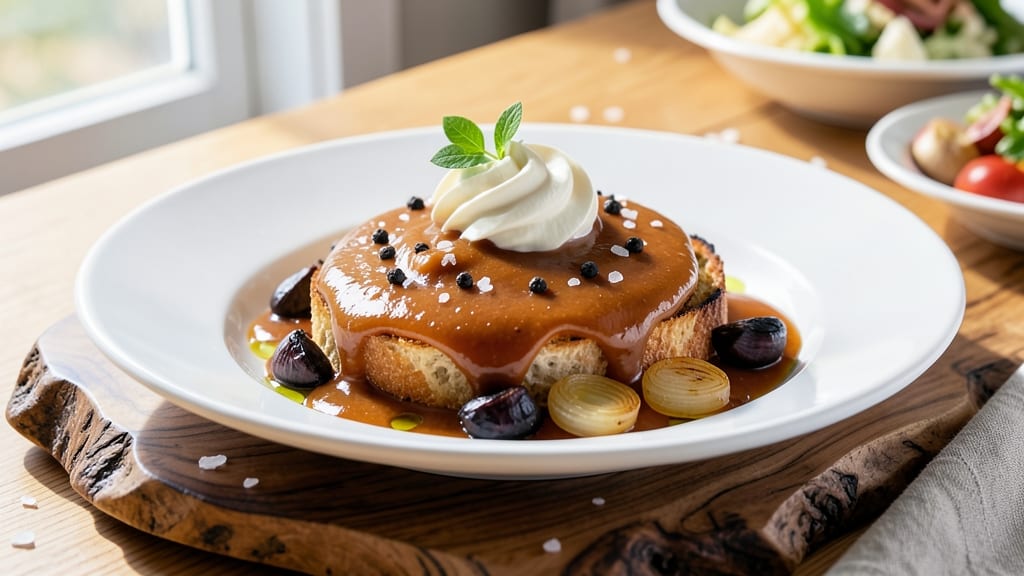
This Arthur and Sons vodka sauce transforms ordinary weeknight meals into restaurant-worthy dishes with its velvety tomato-cream base and subtle vodka depth. The key lies in balancing rich tomato flavor with the smooth, aromatic notes of vodka—creating a sauce that's both bold and refined without overpowering.
I developed this recipe after years of experimenting with vodka-based sauces, and it consistently delivers that perfect harmony of tangy, creamy, and slightly smoky complexity.
The beauty of this sauce is its versatility—it elevates pasta, seafood, and even appetizers with equal ease. A slow simmer reduces the sauce to a luxurious consistency, while the vodka infuses depth without the harshness of alcohol.
The secret? Using high-quality tomato paste and fresh herbs to complement the vodka's clean finish. This isn’t just a sauce; it’s a flavor multiplier that turns simple ingredients into something extraordinary.
What you’ll end up with is a silky-smooth, tomato-cream sauce that clings to every strand of pasta or coats seafood in a luscious glaze. The vodka mellows into the background, adding layers of sophistication rather than dominating the flavor profile.
It’s the kind of sauce that makes you pause mid-bite, savoring the balance of acidity, creaminess, and subtle warmth.
Best of all, this sauce keeps well in the fridge for up to a week, making it perfect for meal prep or gifting. Whether you’re drizzling it over fettuccine, tossing it with shrimp, or using it as a dip for crusty bread, the possibilities are endless.
Let’s get cooking—your taste buds will thank you.
Ingredients for arthur and sons vodka sauce
This velvety vodka sauce transforms simple ingredients into restaurant-quality richness with vodka's subtle sophistication.
| Ingredient | Amount | Notes |
|---|---|---|
| Extra-Virgin Olive Oil 🫒 | ½ cup | High-quality, fruity variety preferred |
| Arthur and Sons Vodka 🍸 | ½ cup | Use premium, not cooking vodka |
| Tomato Paste 🍅 | ½ cup | San Marzano preferred for sweetness |
| Heavy Cream 🥛 | 1 cup | Full-fat for luxurious texture |
| Garlic Cloves 🧄 | 6 cloves | Fresh, minced for aromatic depth |
| Shallots 🧅 | 2 whole | Finely minced for subtle sweetness |
| Fresh Basil Leaves 🌿 | ½ cup | Packed, stems removed for vibrant flavor |
| Fresh Thyme Leaves 🌿 | ¼ cup | Or 1 tbsp dried thyme |
| Low-Sodium Chicken Broth 💧 | 1 cup | For added depth without saltiness |
| Granulated Sugar 🍚 | 1 tbsp | Balances acidity, adjust to taste |
| Salt 🧂 | 1 ½ tsp | Diamond Crystal preferred |
| Freshly Ground Black Pepper 🌶️ | ½ tsp | Freshly cracked for best flavor |
The vodka is non-negotiable here—Arthur and Sons brings that clean, aromatic finish that elevates everything. Grab a bottle from Total Wine or your local liquor store if you can't find it nearby. For the tomato paste, San Marzano is worth the splurge—its natural sweetness balances the vodka's bite. Fresh herbs make all the difference: basil and thyme should be bright green, not wilted. If you're short on time, dried herbs work (use half the amount), but nothing beats the fresh stuff for that vibrant punch. The olive oil? Don't skimp—California avocado oil or a high-quality extra-virgin works best.
No vodka? White wine or apple cider vinegar can mimic the acidity, but you'll lose that signature depth. Short on fresh herbs? Dried basil and thyme at one-third the amount will work in a pinch. The heavy cream can be swapped for half-and-half, but it'll be slightly lighter. Want to make this dairy-free? Coconut cream adds richness, though the texture will differ. The sugar is key—if your tomatoes are especially tart, you might need an extra teaspoon. And if you're worried about the vodka flavor being too strong, don't be: the long simmer mellows it beautifully into the background.
This sauce is a meal-prep dream—it actually tastes better the next day as the flavors meld. Store it in an airtight container in the fridge for up to 7 days, or freeze for 3 months in portion-sized containers. I like to make a double batch: one for immediate use and one to freeze for lazy weeknights. When reheating, warm it gently on the stove—never microwave, or it'll split. A drizzle of fresh basil oil (basil + olive oil blended) right before serving takes it to the next level.
Why You'll Love This Recipe
- No-Chop Nightmare: I swear by this sauce because it’s the only one that lets me skip chopping anything except garlic—and even that’s just mincing a few cloves. Sauté them in olive oil until they’re golden, add the vodka, and let the alcohol burn off. That’s it. No dicing, no peeling, no stress.
- Creamy-Garlic Hug: The vodka cuts through the richness of the heavy cream, so you get this perfect balance: silky smooth with a sharp, bright finish. That first bite—where the garlic’s punch meets the tomato paste’s depth—is like a warm, boozy hug for your taste buds. (Yes, even on a Tuesday night.)
- Leftovers That Lie: I make a double batch every time because this sauce begs to be reheated. Toss it with pasta, dollop it over grilled chicken, or stir it into scrambled eggs the next morning. It tastes just as good cold in sandwiches or warm over toast—no one will guess it’s been sitting in the fridge for days.
- Budget Booster: Tomato paste and heavy cream are cheap staples, and a bottle of Arthur and Sons vodka stretches farther than you’d think. Honestly, I’ve used this same sauce for four different meals without breaking the bank. Plus, the vodka’s flavor elevates everything—so you’re not just saving money, you’re making every ingredient work harder.
Step-by-step instructions for Arthur and Sons vodka sauce
This velvety vodka sauce delivers restaurant-quality depth with a hidden vodka kick—here's how to make it shine.
Sauté Aromatics Until Fragrant
Heat the 0.5 cup extra-virgin olive oil in a medium saucepan over medium heat. Add the 2 whole shallots and 6 cloves garlic cloves, mincing them as they hit the oil. Cook for 5-6 minutes until the shallots soften and turn translucent, and the garlic releases its pungent aroma—this is your flavor foundation.
Here's the thing—don't let the garlic burn. It should smell heavenly but not bitter. If it starts to darken too quickly, reduce the heat slightly. The shallots should caramelize just enough to add subtle sweetness without browning.
Build the Vodka-Tomato Base
Stir in the 0.5 cup tomato paste and cook for 2 minutes, stirring constantly, until it darkens slightly and loses its raw taste. This step develops the sauce's rich color and deepens its flavor profile. Now pour in the 0.5 cup Arthur and Sons vodka and let it simmer for 3-4 minutes until the alcohol burns off completely.
You'll notice the vodka's sharp aroma dissipates as it cooks off, leaving behind a smooth, mellow depth. This is where the magic happens—the vodka's clean finish prevents the sauce from tasting harsh or metallic, which is common with wine-based reductions.
Simmer with Broth and Sugar
Add the 1 cup low-sodium chicken broth and 1 tbsp granulated sugar, then bring to a gentle simmer. Let it cook uncovered for 8-10 minutes until the liquid reduces by about half and the sauce thickens slightly. This reduction concentrates the flavors and balances the acidity with natural sweetness.
Taste the sauce now—it should be tangy but not overly acidic. If it needs more balance, add a pinch of sugar or a splash of broth. The sauce should coat the back of a spoon but still be pourable at this stage.
Finish with Cream and Herbs
Reduce the heat to low and stir in the 1 cup heavy cream. Let it warm through for 2-3 minutes, being careful not to let it boil—you want to maintain that velvety texture. Remove from heat and stir in the 0.5 cup fresh basil leaves and 0.25 cup fresh thyme leaves, letting them steep for 5 minutes to infuse their bright flavors.
Season with 1.5 tsp salt and 0.5 tsp freshly ground black pepper, adjusting to taste. The sauce should be rich, slightly sweet, and deeply aromatic with a subtle vodka warmth. For best results, strain out the herbs before serving to achieve a silky, herb-speckled finish.
Adjust Consistency and Serve
If the sauce is too thick, thin it with a splash of warm water or broth. For a glossy finish, return it to low heat and stir in 1 tsp extra-virgin olive oil. This sauce pairs beautifully with pasta, grilled meats, or even as a dipping sauce for crusty bread.
Here's the moment that matters: let the sauce rest for 10 minutes before serving. This allows the flavors to meld completely and the texture to set properly. The result? A velvety, complex vodka sauce that's far more sophisticated than your average tomato cream.
Pro Tips For Making Arthur And Sons Vodka Sauce
- Bloom the Garlic: Crush the garlic cloves flat with the side of your knife before adding them to the oil—this releases more flavor without burning. I used to just mince them, but now I swear by this quick step; it makes the sauce smell like a garlic festival from the first stir.
- Simmer, Don’t Boil: Keep the sauce at a gentle simmer after adding the vodka, not a rolling boil. After burning through the alcohol, a low heat lets the tomato paste and cream meld without curdling—my first attempt ended in a lumpy mess because I got impatient.
- Salt the Cream: Sprinkle a pinch of salt into the heavy cream before whisking it into the sauce. This stops the vodka’s sharpness from curdling the cream later; I learned this after a batch split like a bad breakup.
- Toast the Tomato Paste: Cook the tomato paste in the olive oil for 2–3 minutes before adding anything else. It deepens the flavor and removes that raw, metallic taste—skipping this step means your sauce will taste underwhelming, no matter how fancy the vodka.
Troubleshooting perfect results
Sauce Too Thin?
If your vodka sauce ends up too thin after simmering, don’t panic—simmering uncovered for an extra 5-10 minutes will thicken it naturally.
For a quicker fix, mix 1 tbsp cornstarch with 2 tbsp cold water, stir into the sauce, and simmer for 2-3 minutes. Alternatively, whisk in 1 tbsp tomato paste. The key is patience: let it reduce gradually to avoid splitting the sauce.
Sauce Separating?
If the sauce curdles or separates when adding cream, reduce the heat to low. Stir constantly and avoid boiling—heat is the enemy of stability. For a quick fix, whisk in 1 tbsp cold butter. If it’s already split, blend it briefly to smooth out the texture.
The vodka’s alcohol content helps stabilize the sauce, so ensure it’s fully cooked off before adding cream.
Vodka Flavor Too Strong?
If the vodka taste is overpowering, simmer the sauce uncovered for an extra 10-15 minutes. The alcohol burns off completely at 160°F. If needed, add a splash of white wine. Avoid adding more tomato paste—it’ll deepen the flavor but won’t mask the vodka.
Trust the process: the sauce will mellow as it cools.
Herbs Not Infusing?
For maximum herb flavor, chop them finely and let them steep for 5-10 minutes. If they’re wilted or bitter, strain them out immediately. For extra depth, add ½ tsp dried oregano. Fresh herbs should be bright green—if they’re yellowing, they’ve lost potency.
A quick tip: bruise the basil leaves slightly with your fingers before adding to release more flavor.
Sauce Too Salty?
If the sauce tastes too salty, dilute it with 2-3 tbsp warm water or broth. If that’s not enough, add a pinch of sugar. Avoid adding more liquid—it’ll thin the sauce further.
Taste as you go: the sugar balances saltiness while preserving the sauce’s depth. The low-sodium broth. already helps control sodium, but sometimes even that needs adjustment.
Sauce Too Tart?
Balance tartness with ½ tsp sugar. If the sauce is still too acidic, add a pinch of baking soda. For a richer fix, stir in 1 tbsp heavy cream. Avoid overcorrecting—too much sugar can make the sauce taste flat.
The vodka’s subtle sweetness helps balance acidity, so ensure it’s fully integrated before adjusting further.
Nutrition facts
Frequently asked questions
Can I substitute regular vodka for Arthur and Sons in this recipe?
While you can use regular vodka, Arthur and Sons brings a smoother, more aromatic finish that elevates the sauce. If you're using a budget vodka, look for one labeled "premium" or "ultra-premium" (like Tito's or Ketel One) to avoid harsh flavors. The vodka should fully cook off, so quality matters more than brand.
How do I make this sauce dairy-free?
Swap the heavy cream for 1 cup coconut cream or ½ cup cashew cream (blended soaked cashews + water). For richness, add 1 tbsp nutritional yeast to mimic the umami depth of dairy. The texture will be slightly lighter but still luxurious—just stir in 1 tsp arrowroot powder if it's too thin.
Can I make this sauce ahead of time?
This sauce actually improves overnight as flavors meld. Store it in an airtight container in the fridge for up to 7 days. For freezing, portion into containers and freeze for 3 months. Thaw in the fridge overnight—never microwave, or it'll split. Reheat gently on low heat, stirring frequently.
What's the best way to use leftover vodka sauce?
This versatile sauce works on pasta, grilled chicken, or as a seafood glaze. For pasta, toss with fettuccine and top with fresh basil. For seafood, drizzle over shrimp scampi or grilled salmon. Even garlic bread becomes irresistible with a warm dip. The vodka's depth pairs beautifully with rich proteins.
Why does my sauce look curdled when I add cream?
This happens when the sauce is too hot or acidic. Lower the heat to low before adding cream and stir constantly. If it curdles, whisk in 1 tbsp cold butter to stabilize it. The vodka's alcohol helps prevent this, so ensure it's fully cooked off (no alcohol smell) before adding dairy. Strain if needed for a silky finish.