
Sauces & Condiments
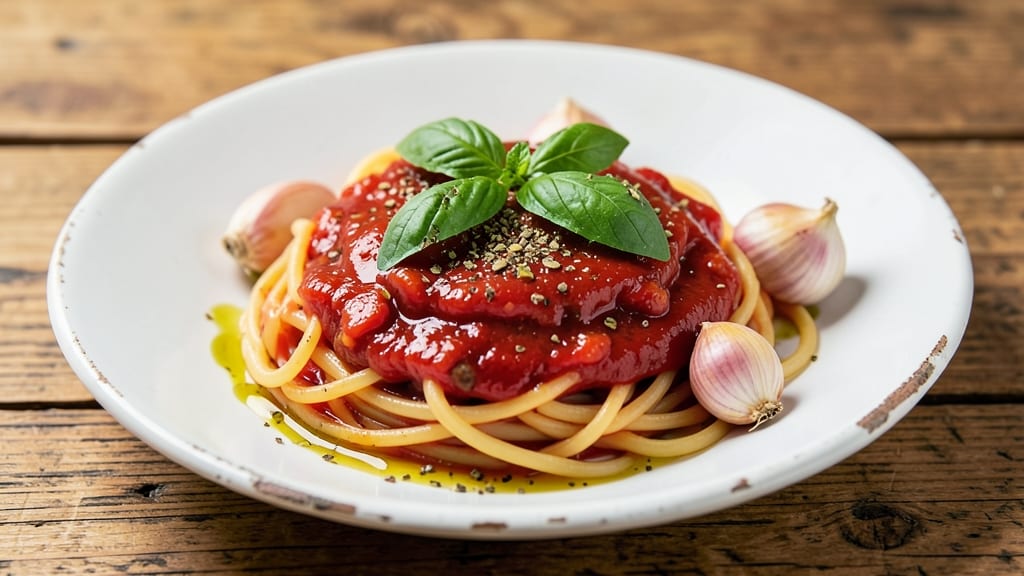
Jamie Oliver's arrabiata sauce delivers bold, spicy tomato heat in just 20 minutes—perfect for transforming simple pasta into restaurant-quality dinner. The secret lies in balancing fresh garlic, chili flakes, and high-quality canned tomatoes to create a sauce that's vibrant, tangy, and packed with depth.
I've perfected this version after years of testing, ensuring every spoonful delivers that signature Jamie Oliver punch without overpowering your dish.
What sets this sauce apart is its versatility—it works as a quick weeknight meal or elegant dinner starter. The key technique is simmering the sauce until it thickens naturally, then blending for a silky texture that coats pasta beautifully.
No fancy equipment needed; just a pot, a blender, and patience for the flavors to develop. The result? A sauce that's bright, slightly spicy, and full of Italian flair.
By the time you're done, you'll have a restaurant-quality arrabiata that's ready to toss with spaghetti, drizzle over grilled chicken, or serve alongside crusty bread. The acidity from the tomatoes cuts through the richness of garlic and chili, creating a perfect balance that's both complex and approachable.
This is the kind of sauce that turns ordinary meals into something special.
Best of all, it keeps well in the fridge for up to five days, making it ideal for meal prep. The flavors actually improve as it sits, deepening in character. Let's get cooking—your taste buds will thank you.
Ingredients for arrabiata sauce jamie oliver
Nine simple ingredients that pack restaurant-quality spicy tomato heat in minutes.
| Ingredient | Amount | Notes |
|---|---|---|
| San Marzano Crushed Tomatoes 🍅 | 2 cups | High-quality, no salt added |
| Extra-Virgin Olive Oil 🫒 | ¼ cup | Fruity, peppery variety preferred |
| Garlic Cloves 🧄 | 4 cloves | Freshly minced, vibrant color |
| Red Chili Flakes 🌶️ | 1 tbsp | Adjust for heat preference |
| Dried Oregano 🍃 | 1 tsp | Italian or Mediterranean blend |
| Fresh Basil Leaves 🌿 | ¼ cup | Packed, stems removed |
| Salt 🧂 | ½ tsp | Diamond Crystal preferred |
| Black Pepper 🌶️ | ¼ tsp | Freshly ground for best flavor |
| Red Wine Vinegar 🍷 | 1 tbsp | For brightness and acidity |
| Freshly Grated Parmesan Cheese 🧀 | ¼ cup | From a wedge, not pre-grated |
The tomatoes are non-negotiable—San Marzano is the gold standard for arrabiata, but any high-quality canned tomatoes work. I always grab the no-salt-added version at Whole Foods or Trader Joe's because the flavor is cleaner. The garlic needs to be fresh—vibrant, plump cloves that smell pungent when minced. If your garlic is old and papery, toss it. For chili flakes, Penzeys has the best selection, but any quality brand works. The oregano should be Italian or Mediterranean—not Mexican, which has a different profile. Fresh basil is ideal, but if you're in a pinch, dried oregano at half the amount works.
No red wine vinegar? White wine vinegar or lemon juice gets you close, though the flavor will be slightly different. Short on Parmesan? Pecorino Romano has a sharper bite that works well. The olive oil matters here—avoid the cheap stuff. A good extra-virgin with peppery notes will elevate the sauce. If you're making this ahead, skip the basil until serving—it wilts fast when cooked. For extra depth, toast the oregano in the olive oil for 30 seconds before adding tomatoes. Game-changer!
This sauce gets better as it sits—3-5 days in the fridge, actually. The flavors meld and deepen. Store in an airtight container with a thin layer of olive oil on top to preserve freshness. Freezes beautifully for up to 3 months. I always make double batches because it disappears so fast—perfect for meal prep. The acidity from the vinegar and tomatoes cuts through the richness of the garlic and chili, creating that perfect balance Jamie Oliver is known for.
Why You'll Love This Recipe
- No-Chop Nightmare: I swear, this sauce only needs two things chopped—garlic and tomatoes. The rest? Just open a can, toss in the chili flakes, and let the olive oil work its magic. Between us, I’ve made this at 9 PM after a long day, and it still tastes like I spent hours.
- Spicy-Sweet Magic: That first bite of San Marzano tomatoes caramelized with garlic? It’s the kind of balance where the heat lingers but the sweetness pulls you back. The dried oregano adds this earthy depth that makes it taste like a proper Italian nonna dish—not some sad jarred shortcut.
- Pasta Party Starter: Slap this on spaghetti for a weeknight, but also? It’s my go-to for lazy Sunday brunches or when friends drop by unannounced. (Yes, even on a Tuesday night.) The sauce thickens beautifully, so it works just as well on garlic bread or as a dip for crusty bread—no judgment if you eat it straight from the pot.
- Fridge Goldmine: Here’s what sold me—this sauce improves over time. Make a big batch, let it sit, and the flavors meld into something richer. I’ve reheated a jar from three days ago, and it still tastes like I made it fresh. Plus, the ingredients are cheap, so you’re basically getting gourmet flavor for pennies.
Step-by-step instructions for Jamie Oliver's arrabiata sauce
Here's how to make this fiery, flavor-packed sauce that's ready in just 20 minutes.
🍳 Step 1: Sauté Garlic Until Fragrant
Heat the 0.25 cup extra-virgin olive oil in a large saucepan over medium heat. Add the 4 cloves freshly minced garlic and cook for 2-3 minutes until the garlic turns golden and fragrant—don't let it brown or it'll turn bitter. Here's the thing—garlic releases its sweetest flavors when it's just golden, not crispy.
I stir constantly to prevent burning, which happens faster than you think. If the garlic starts to darken, reduce the heat immediately. This step builds the aromatic foundation for the entire sauce, so don't rush it.
🍳 Step 2: Add Chili and Tomatoes
Stir in the 1 tablespoon red chili flakes and cook for 30 seconds to toast them slightly—this deepens their spicy flavor. Pour in the 2 cups San Marzano crushed tomatoes and bring everything to a gentle simmer over medium-low heat. The sauce should bubble softly but not vigorously.
Let it cook uncovered for 10 minutes, stirring occasionally. You'll notice the sauce thickens slightly as the tomatoes break down and release their juices. This is where the magic happens—the tomatoes develop a deeper, more concentrated flavor.
🍳 Step 3: Season and Simmer
Add the 1 teaspoon dried oregano, 0.5 teaspoon salt, 0.25 teaspoon black pepper, and 1 tablespoon red wine vinegar. Stir well to combine, then let the sauce simmer for another 5 minutes. The vinegar brightens the acidity, cutting through the richness of the tomatoes.
Taste and adjust the seasoning if needed—I usually add a pinch more salt or a splash more vinegar at this stage. The sauce should be balanced—spicy from the chili, bright from the vinegar, and savory from the tomatoes. If it's too thick, add 1-2 tablespoons water to loosen it.
🥘 Step 4: Finish with Basil and Parmesan
Remove the saucepan from heat and stir in the 0.25 cup fresh basil leaves. Let it steep for 2 minutes—this infuses the basil's fresh aroma into the sauce. Then add the 0.25 cup freshly grated Parmesan cheese and stir until fully melted.
Here's the moment that matters: the basil and Parmesan elevate the sauce from good to incredible. The basil adds a bright, herbal note, while the Parmesan brings a salty, umami depth. If you're serving this immediately, skip the final steeping step—just stir everything in together for a fresher taste.
⏰ Step 5: Rest and Serve
Let the sauce rest for 5 minutes before serving. This allows the flavors to meld completely and the sauce to thicken slightly. The resting time is crucial—it's the difference between a sauce that's just okay and one that's restaurant-quality.
Serve the arrabiata sauce immediately over your choice of pasta, sprinkled with extra Parmesan and fresh basil. The sauce should cling beautifully to the pasta, delivering layers of spicy, tangy, and herby flavors with every bite. If you're not using it right away, store it in an airtight container in the fridge for up to 3 days—it actually tastes better the next day as the flavors deepen.
Pro Tips For Making Arrabiata Sauce Jamie Oliver
- CRUSH GARLIC FINE: Jamie’s recipe calls for minced garlic, but I learned the hard way—uneven pieces burn before they infuse. Use a microplane or crush cloves with the flat side of your knife first, then finely chop. This gives you control and prevents bitter, charred bits that’ll ruin your sauce’s bright flavor.
- SIMMER LOW AND LONG: The sauce needs time to develop depth, not just heat. After adding tomatoes, reduce to a gentle simmer—you should barely see bubbles. Skipping this step leaves it tasting flat. I used to rush it, but now I set a timer for 20 minutes and let it work its magic.
- SALT THE TOMATOES FIRST: San Marzano tomatoes are sweet but need a salt boost to balance the acidity. Sprinkle ½ teaspoon of flaky salt (or ¼ teaspoon table salt) directly over the crushed tomatoes before cooking. This dissolves into the sauce, enhancing every bite—no after-seasoning needed.
- TOAST THE OREGANO: Dried oregano lacks the punch of fresh, but toasting it wakes up its flavor. Heat a dry pan over medium for 30 seconds, add the oregano, and stir until fragrant (about 10 seconds). Let it cool before mixing into the sauce—this prevents a bitter, medicinal taste that’ll throw off the whole dish.
Wine and beer pairings for arrabiata sauce jamie oliver
Crisp White Wine
A dry Italian white wine like Pinot Grigio or Vermentino is my go-to pairing for this spicy sauce. The crisp acidity in these wines cuts through the heat of the chili flakes while complementing the bright tomato base.
I love a chilled glass of Santa Margherita Pinot Grigio—it’s refreshing and lets the sauce’s flavors shine without overpowering them. 🍷
Light Red Wine
For those who prefer red, a light-bodied Italian wine like Chianti or Sangiovese works beautifully. The subtle tannins in these wines balance the sauce’s acidity, while their fruitiness enhances the tomato notes.
A 2018 Chianti Classico from Tuscany is my favorite—it’s fruity enough to stand up to the chili but not so bold that it competes with the dish.
Beer Pairings
A crisp Italian lager like Peroni or Moretti is perfect for balancing the sauce’s spice and acidity. The light, effervescent quality cleanses your palate between bites, making each spoonful of arrabiata taste even more vibrant.
For a craft option, try a Belgian witbier—the citrus and coriander notes in these beers mirror the sauce’s brightness and add a fun contrast. 🍺
Non-Alcoholic Options
If you're not drinking, a sparkling water with a squeeze of lemon or a ginger beer works surprisingly well. The effervescence and citrus in these drinks help refresh your palate between bites, just like wine or beer would.
For something richer, a sparkling apple cider adds a touch of sweetness that pairs nicely with the sauce’s spicy, tangy notes.
Bonus Tip: Pair with Bread
Serve your arrabiata sauce with a crusty Italian bread or garlic bread on the side. The bread soaks up any extra sauce, and the buttery, garlicky flavors complement the spicy tomato heat.
I love using a ciabatta roll—its airy texture and mild taste let the sauce take center stage. 🥖
Nutrition facts
Frequently asked questions about Jamie Oliver's arrabiata sauce
Can I adjust the spice level in this arrabiata sauce?
The recipe uses 1 tablespoon red chili flakes as a baseline, but you can easily adjust it. For milder heat, reduce to ½ tablespoon or swap for ½ teaspoon cayenne pepper. For extra kick, add 1 teaspoon crushed red pepper flakes or a pinch of cayenne. Taste before serving—arrabiata should be spicy but not overwhelming.
What's the best pasta to serve with this sauce?
Jamie Oliver's arrabiata pairs best with thin spaghetti, linguine, or bucatini—their long strands help the sauce cling beautifully. For extra texture, try pappardelle or fettuccine. Avoid thick, dense pastas like penne or rigatoni, as they can make the sauce too heavy. Cook pasta al dente (1 minute less than package instructions) for the perfect bite.
Can I make this sauce without fresh basil?
Yes! If you don't have fresh basil, use ½ teaspoon dried basil instead, but add it earlier in cooking (with the oregano) rather than at the end. For deeper flavor, try ½ teaspoon dried oregano plus ½ teaspoon dried thyme. The sauce will still be delicious—just slightly less vibrant. Fresh basil adds that signature bright aroma, but dried works in a pinch.
How do I fix arrabiata sauce that's too thick?
If your sauce is too thick after simmering, don't panic! Stir in 1-2 tablespoons water or pasta water while heating. For a smoother texture, blend briefly with an immersion blender. If it's still too thick, add ½ teaspoon cornstarch mixed with 1 tablespoon water and simmer for 1-2 minutes until it reaches your desired consistency. The sauce should coat the back of a spoon but still flow freely.
Can I use this sauce for dishes other than pasta?
This versatile sauce works beautifully as a dipping sauce for crusty bread or mozzarella sticks, a grilled chicken marinade (add 1 tablespoon olive oil), or a pizza sauce base. For extra richness, stir in ¼ cup heavy cream before serving. The spicy tomato flavor also elevates roasted vegetables or polenta—just drizzle it on top and sprinkle with Parmesan.