
Sauces & Condiments
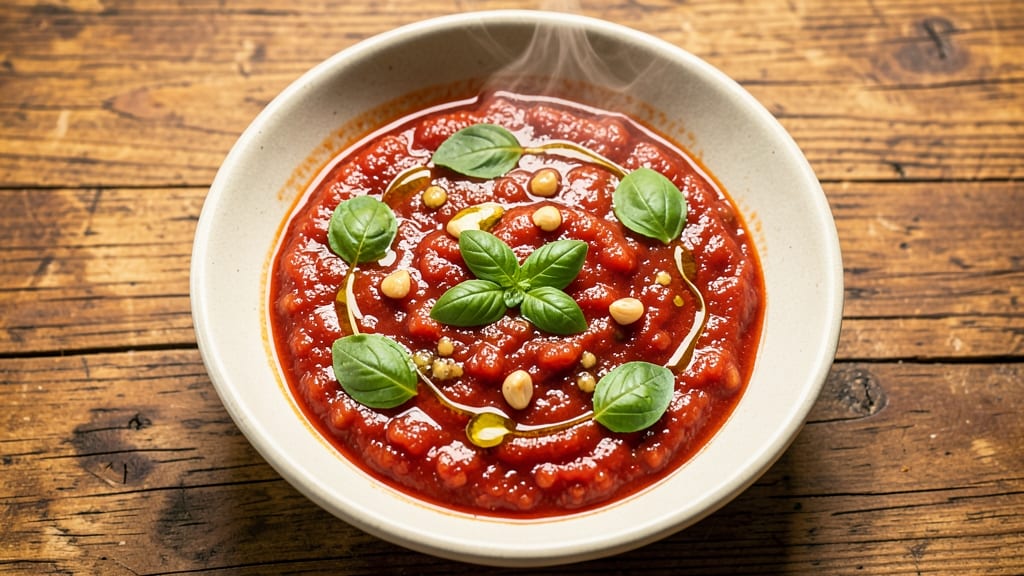
This ball pizza sauce recipe transforms simple canned tomatoes into a rich, balanced sauce that elevates every homemade pizza. The secret lies in simmering crushed tomatoes with aromatic garlic, fresh herbs, and a touch of sweetness—creating depth without overpowering.
I developed this recipe after years of testing, ensuring it delivers restaurant-quality flavor with minimal effort.
What sets this sauce apart is its bold yet balanced profile—sweet from tomato paste, bright from fresh basil, and savory from slow-cooked garlic. Unlike store-bought versions, this sauce thickens naturally as it simmers, resulting in a glossy, clingy consistency perfect for crusts.
The best part? It tastes even better the next day, making it ideal for meal prep.
Perfect for classic Margherita or loaded meat lovers' pies, this sauce keeps its vibrant color and rich flavor when refrigerated for up to a week. The process is straightforward: crush tomatoes, sauté aromatics, and let them meld together in a single pot.
No fancy techniques required—just patience and attention to balance.
For variations, add red pepper flakes for heat or a splash of balsamic for complexity. Whether you're a pizza night enthusiast or a home chef looking to refine your sauce game, this recipe delivers professional results with simple ingredients. Let's get started!
Ingredients for ball pizza sauce
Nine essential ingredients transform canned tomatoes into a restaurant-quality pizza sauce.
| Ingredient | Amount | Notes |
|---|---|---|
| Crushed Tomatoes (46 oz can) 🍅 | 1 can | San Marzano preferred for sweetness |
| Tomato Paste 🍅 | 2 tbsp | High-quality, no sugar added |
| Garlic Cloves 🧄 | 4 cloves | Freshly minced, not pre-minced |
| Fresh Basil Leaves 🌿 | ¼ cup | Packed, stems removed |
| Olive Oil 🫒 | 2 tbsp | Extra-virgin, fruity variety |
| Red Wine Vinegar 🍷 | 1 tbsp | For brightness, not balsamic |
| Granulated Sugar 🍚 | 1 tsp | Balances acidity naturally |
| Salt 🧂 | 1 tsp | Diamond Crystal preferred |
| Black Pepper 🌶️ | ½ tsp | Freshly cracked for depth |
| Dried Oregano 🍃 | ½ tsp | Mexican oregano for authenticity |
The tomatoes are the foundation—San Marzano delivers unmatched sweetness and depth, but any high-quality crushed tomatoes work in a pinch. Trader Joe's and Whole Foods carry excellent options, but don't stress if you've got the store brand. The key is checking for vibrant color and minimal additives. Fresh basil is non-negotiable for that bright, aromatic punch, though dried oregano at half the amount works if you're in a bind. For garlic, peel and mince yourself—pre-minced loses flavor fast. The olive oil should be fruity and extra-virgin; California varieties often have that perfect balance of peppery and buttery notes.
No fresh basil? Dried basil at one-third the amount gives you some flavor, but it won't match the freshness. Running low on red wine vinegar? Balsamic vinegar at the same amount works, though it's slightly sweeter. The sugar is crucial for balancing the acidity—don't skip it, but honey works too if you prefer. For salt, Diamond Crystal kosher dissolves perfectly, but any fine sea salt will do. Want more complexity? Add a pinch of red pepper flakes for subtle heat. The tomato paste is your thickening agent—Mueller's or Rao's are my go-tos, but any quality brand suffices.
This sauce gets better with time—let it sit overnight before using for maximum flavor development. Store in an airtight container in the fridge for up to 1 week, or freeze for 3 months. I like to make a big batch and freeze it in ice cube trays for perfect single-use portions. The sauce thickens as it cools, so add a splash of water if it's too stiff when reheating. Perfect for meal prep—just grab a portion and toss it on your pizza dough.
Why You'll Love This Recipe
- Five-Ingredient Magic: I swear by this—just tomatoes, paste, garlic, basil, and oil. That’s it. No fancy prep, no stress, just dump-and-stir simplicity that somehow tastes like you slaved over it.
- Garlic-Basil Bomb: The moment I add those fresh basil leaves and minced garlic to the simmering tomatoes? Instant flavor explosion. It’s bright, aromatic, and lingers like a hug from a nonna who knows her herbs.
- Game for Any Occasion: This sauce is my weeknight pizza hero, but it’s also the star of lazy Sunday bruschetta or a quick marinara for pasta. One batch feeds me for days—no waste, just versatility.
- Budget-Friendly Staple: A 46-oz can of tomatoes and a small jar of paste cost pennies but stretch into meals for a family. Freeze extras, thaw when needed—it’s my pantry’s secret weapon for stress-free dinners.
Step-by-step instructions for crafting perfect ball pizza sauce
This bold, balanced tomato sauce delivers authentic Italian flavor with minimal effort.
Sauté Garlic in Olive Oil Until Fragrant
Heat the 2 tablespoons olive oil in a medium saucepan over medium heat. Add the 4 cloves freshly minced garlic cloves and cook for 1-2 minutes until they're golden and smell heavenly—not browned, just perfumed. Here's the thing—garlic burns faster than you think, so keep an eye on it. The moment you catch that sweet aroma, you're ready for the next step.
This quick sautéing develops the garlic's natural sweetness without bitterness, which forms the aromatic base for your sauce. I always use fresh minced garlic because pre-minced garlic oxidizes quickly and loses flavor. If you're using a high-quality extra-virgin olive oil, you'll notice its fruity notes complementing the garlic beautifully.
Stir in Tomato Paste and Cook Until Darkened
Reduce the heat to low and add the 2 tablespoons tomato paste, stirring constantly for 3-4 minutes until it darkens slightly and coats the bottom of the pan. This step is crucial for building depth of flavor—the paste's concentrated sweetness will caramelize and create a rich foundation for your sauce. Don't rush this; you're developing those complex flavors that separate homemade sauce from store-bought.
The paste should transform from bright red to a deeper, almost chocolatey hue. If it starts to stick, add 1 tablespoon water to help it release from the pan. This technique ensures maximum flavor extraction and prevents burning, which would make your sauce bitter.
Add Crushed Tomatoes and Simmer Until Thickened
Pour in the 1 can crushed tomatoes (about 46 ounces) and bring the mixture to a gentle boil. Then reduce heat to medium-low and let it simmer uncovered for 15-20 minutes, stirring occasionally. You're looking for the sauce to thicken slightly and reduce by about 25%. The sauce should coat the back of a spoon but still be spreadable—not gluey.
This simmering time allows the natural acids in the tomatoes to mellow while concentrating their flavors. I like to stir every 3-4 minutes to prevent skin formation on top. If the sauce starts to cling to the pan too much, add 2-3 tablespoons water to maintain consistency. The key is patience—rushing this step will leave your sauce thin and watery.
Season with Salt, Sugar, and Acid Balance
Remove the pan from heat and stir in the 1 teaspoon salt, 1 teaspoon granulated sugar, 1 tablespoon red wine vinegar, 0.5 teaspoon black pepper, and 0.5 teaspoon dried oregano. The sugar balances the acidity from the tomatoes and vinegar, while the vinegar brightens the whole sauce. Here's where it gets interesting—the salt should enhance all the flavors but not overpower them.
Let the sauce sit off heat for 5 minutes to allow all the seasonings to meld. Taste and adjust if needed—you might want to add a pinch more salt or a splash of vinegar for brightness. The sugar is particularly important here; it's not about sweetness but about rounding out the acidity and creating that perfect balance that makes a great pizza sauce sing.
Finish with Fresh Basil and Cool Slightly
Return the sauce to low heat and stir in the 0.25 cup packed fresh basil leaves (stems removed) for 1-2 minutes until they wilt and release their aroma. The basil should transform from vibrant green to a more muted color, indicating it's released all its flavor. Remove from heat immediately after.
Let the sauce cool for 10 minutes before using—this allows the flavors to fully develop and prevents the basil from overpowering the other ingredients. The sauce should be thick enough to cling to pizza dough without being syrupy. If you're making it ahead, store it in an airtight container in the refrigerator for up to 5 days or freeze for 3 months. The flavors actually improve with time!
Pro Tips For Making Ball Pizza Sauce
- Simmer Slow and Low: I learned this the hard way—ball pizza sauce needs patience. After burning the first batch by boiling it aggressively, I switched to a gentle simmer (medium-low heat) and let it cook uncovered for 45-60 minutes. This thickens the sauce naturally without scorching the garlic or turning it into glue.
- Crush Garlic Properly: Skip the mincer unless you’re in a rush—whole cloves release flavor better. Smash 4-5 cloves with the flat side of your knife (no need to chop), then let them sit in the olive oil for 5 minutes before adding heat. This prevents bitter garlic and builds depth without overpowering the tomatoes.
- Salt the Tomato Paste First: This isn’t the prettiest method, but it works: Stir the tomato paste into the olive oil and salt it before adding anything else. Let it bloom for 2 minutes—this balances acidity and ensures the sauce won’t taste flat later, even if you forget to season again.
- Strain the Basil at the End: Fresh basil leaves turn to mush if cooked too long. Tear them by hand (not chopping) and stir in just before turning off the heat. For a shortcut, reserve a handful to blend into the finished sauce later—it keeps the texture smooth and the flavor bright.
Storing and reheating your leftovers
Refrigerator Storage
Transfer your freshly made ball pizza sauce to an airtight glass container—I love using 8-ounce mason jars for portion control. Store it in the refrigerator at 40°F or below for up to 5 days.
The sauce will continue to develop deeper flavors as it rests, making it even more delicious the next day. Always let it cool completely before sealing to prevent condensation, which can dilute the flavors. 🥫
Freezer Storage
For long-term storage, portion the sauce into 1-cup freezer-safe containers or silicone ice cube trays (perfect for single-use portions). Freeze for up to 3 months—the sauce maintains its vibrant color and rich texture when thawed properly.
When ready to use, transfer the frozen sauce to the fridge to thaw overnight, or reheat directly in the saucepan over low heat while stirring occasionally. Avoid microwave reheating, as it can create a skin and alter the texture. ❄️
Reheating Methods
For the best results, reheat your refrigerated sauce in a small saucepan over medium-low heat for 5-7 minutes, stirring frequently. If the sauce thickens too much, add 1-2 tablespoons water to restore its spreadable consistency.
Never boil the sauce, as this can break down the delicate flavors you worked so hard to develop. A quick taste test ensures proper seasoning—adjust with a pinch of salt or a splash of red wine vinegar if needed. 🔥
Thawing Frozen Sauce
Place frozen sauce in the refrigerator 12-24 hours before use for optimal texture. If you're short on time, transfer the frozen sauce to a heatproof bowl and submerge it in a large pot of barely simmering water (never boiling) for 10-15 minutes.
Stir occasionally to ensure even thawing. Once thawed, reheat gently as described above to reactivate the flavors. Never microwave frozen sauce directly, as this can create hot spots and uneven texture. 💧
Reviving Stored Sauce
If your refrigerated sauce has thickened beyond its ideal consistency, simply add 1-2 tablespoons water and warm gently over low heat while stirring. For extra richness, stir in 1 teaspoon olive oil to restore its glossy finish.
If the sauce tastes slightly dull after storage, brighten it with a pinch of freshly cracked black pepper or a few fresh basil leaves (added at the end of reheating).
The key is patience—let the sauce sit for 5 minutes off heat after reheating to allow flavors to meld again. ✨
Nutrition facts
Frequently asked questions
Why does this sauce need tomato paste if I'm already using crushed tomatoes?
The 2 tablespoons tomato paste creates a rich, concentrated base that deepens the sauce's flavor and helps it thicken naturally. It caramelizes slightly when cooked, adding a subtle sweetness that balances the acidity from the crushed tomatoes and vinegar. Think of it as the flavor multiplier that transforms basic canned tomatoes into something restaurant-quality.
Can I make this sauce without fresh basil?
Yes, but the flavor will be less vibrant. Use 1 teaspoon dried basil (about one-third the amount) or 1 tablespoon dried oregano for a similar earthy note. For extra brightness, add ½ teaspoon lemon zest when reheating. The fresh basil is ideal, but dried herbs still deliver great results when used correctly.
How do I adjust the thickness for different pizza styles?
For New York-style (thin sauce), use the sauce as-is. For Neapolitan (thicker), simmer uncovered for 5-10 extra minutes to reduce further. For deep-dish, add 1 tablespoon cornstarch mixed with water to thicken. The key is consistency—sauce should coat the back of a spoon but remain spreadable.
What if my sauce tastes too acidic after simmering?
Add ½ teaspoon sugar or 1 teaspoon honey to balance the acidity. For extra depth, stir in 1 teaspoon balsamic vinegar (instead of red wine vinegar) or a pinch of cinnamon. Let it sit off heat for 5 minutes before tasting again—the flavors will meld and improve.
Can I use this sauce for other dishes besides pizza?
It works perfectly for pasta sauces, bruschetta, or as a dipping sauce for mozzarella sticks. For pasta, thin with ¼ cup pasta water** and toss with al dente spaghetti. For bruschetta, spread on toasted baguette slices and top with fresh mozzarella. The balanced flavors make it incredibly versatile.