
Sauces & Condiments
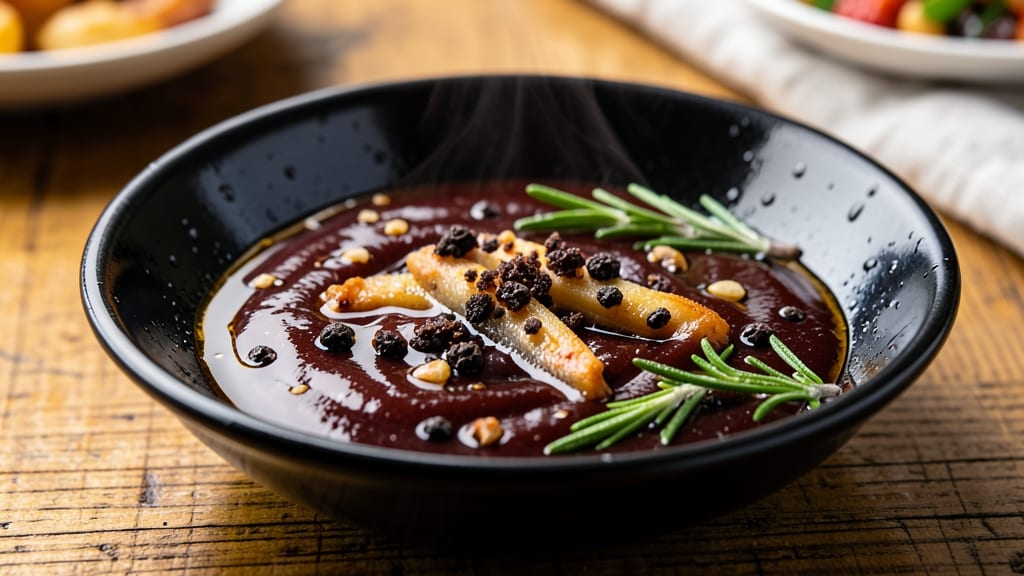
Arby's Three Pepper Sauce packs a signature punch that's impossible to resist—bold heat, sweet tang, and layers of umami that turn any bite into a standout. This homemade version replicates the restaurant's signature blend using simple pantry staples, including a touch of anchovies for that signature depth.
No preservatives or artificial flavors here, just pure, customizable heat that you control.
The secret lies in balancing cayenne, brown sugar, and vinegar to create that signature sweet-spicy profile, while Worcestershire and anchovies deliver the umami backbone. This sauce is incredibly versatile—drizzle it over burgers, fries, or even popcorn for a bold flavor boost.
The recipe comes together in just 10 minutes, with no cooking required, making it perfect for quick prep or batch-making ahead.
What sets this sauce apart is its intensity—each ingredient plays a crucial role in delivering that signature Arby's kick without the processed shortcuts. The anchovies dissolve into the sauce, adding a savory depth that's hard to replicate with other ingredients.
For those who prefer less heat, simply reduce the cayenne or add a splash of water to thin it out.
Store in an airtight container in the fridge for up to 2 weeks, or freeze for longer shelf life. Whether you're a fan of the original or just love bold, tangy flavors, this homemade version delivers the same addictive punch—without the mystery ingredients.
Ready to elevate your meals with this restaurant-quality sauce?
Ingredients for arbys three pepper sauce
Nine bold ingredients blend into Arby's signature sauce—no preservatives, just pure heat and tang.
| Ingredient | Amount | Notes |
|---|---|---|
| Cayenne Pepper 🌶️ | 1 ½ tbsp | Adjust for desired heat level |
| Brown Sugar 🍚 | ½ cup | Light or dark variety works |
| Apple Cider Vinegar 🍎 | ½ cup | Or white vinegar for tang |
| Worcestershire Sauce 🍶 | 2 tbsp | Ensure anchovy-free if needed |
| Anchovy Fillets 🐟 | 4 whole | Dissolve completely for depth |
| Garlic Cloves 🧄 | 3 cloves | Minced for smooth texture |
| Black Peppercorns 🌶️ | 1 tsp | Freshly cracked preferred |
| Ground Black Pepper 🌶️ | ½ tsp | For extra peppery kick |
| Salt 🧂 | 1 ½ tsp | Diamond Crystal preferred |
| Water 💧 | ½ cup | Adjust for desired consistency |
The cayenne is the star here, so grab a hot brand like Penzeys if you want restaurant-level kick. Brown sugar matters too—light brown gives a cleaner sweetness, but dark adds molasses depth. Anchovies are non-negotiable for that signature umami (they dissolve completely, trust me). For Worcestershire, Lea & Perrins is the gold standard, but any good brand works. Garlic should be fresh—no jarred minced—or the sauce tastes flat. I always toast my black peppercorns in a dry pan for 30 seconds before grinding—worth the extra minute.
No anchovies? Fish sauce at half the amount gets you close, though it'll taste different. Short on cayenne? Red pepper flakes work 1:1, but you'll lose some of that signature fine heat. Vinegar substitutes? Balsamic adds richness but changes the tang. The water is your consistency control—start with half a cup, then add more if it's too thick. For a milder version, reduce cayenne to 1 teaspoon and add an extra tablespoon of brown sugar. This sauce keeps developing flavor, so let it sit 10 minutes before tasting.
Store in a clean glass jar with a tight seal—keeps 2 weeks in the fridge, or 6 months frozen. I double the batch and freeze half in ice cube trays. Perfect for fries, burgers, or even drizzling over popcorn. The flavor actually improves after a day or two as everything melds. If it separates, just give it a good stir before using—it'll come back together.
Why You'll Love This Recipe
- Pantry Magic: I swear, this sauce comes together with stuff you already have—no specialty shopping required. That anchovy fillet? Tiny but mighty, adding depth without breaking the bank. Honestly, I’ve made it twice in the same week because it’s that reliable.
- Sweet Heat Balance: The cayenne brings the fire, but the brown sugar and vinegar tame it into something ridiculously good—like a hug for your taste buds. Between us, that Worcestershire sauce tie-in is what makes it taste like a restaurant secret, not just a homemade hack.
- Game for Any Meal: Slather it on burgers, drizzle it over fries, or toss it with grilled chicken—it’s the MVP of quick weeknight dinners. I’ll be real: my kids even ask for it on their chicken tenders now. (Yes, even on a Tuesday night.)
- Stays Fresh, Costs Less: A little goes a long way, and it keeps for weeks in the fridge—perfect for when you’re prepping meals ahead. Not the prettiest in a jar, but the flavor? That’s the stuff you’ll fight over at family gatherings. Budget-friendly and foolproof.
Step-by-step instructions for Arby's three pepper sauce
Here's how to recreate that iconic sweet-spicy kick at home with real ingredients.
Bloom the Spices and Anchovies
In a medium saucepan, combine the 1.5 tbsp cayenne pepper, 1 tsp black peppercorns, 0.5 tsp ground black pepper, 1.5 tsp salt, and the 4 whole anchovy fillets. Add the 3 cloves minced garlic and stir to distribute evenly. This is where all the flavors start to wake up—you'll notice the spices immediately release their aroma and the anchovies begin to dissolve into the mixture.
Place the saucepan over medium-low heat and let it simmer gently for 3-4 minutes, stirring occasionally. The anchovies should completely break down into the mixture, adding that umami depth that makes this sauce so addictive. Don't walk away—this is the foundation of your sauce, and you want every particle of anchovy to dissolve completely. If the mixture starts to darken too quickly, reduce the heat slightly to prevent burning.
Add the Sweet and Tangy Components
Once the anchovies and spices have melded together, increase the heat to medium and add the 0.5 cup brown sugar and 0.5 cup apple cider vinegar. Stir vigorously to dissolve the sugar completely—you should see it disappear into the mixture within about 1-2 minutes. This is where the sauce starts to take on its signature sweet-spicy balance.
The vinegar will cause a slight effervescence as it reacts with the heat. Let the mixture bubble gently for 2-3 minutes until it begins to thicken slightly. You're looking for a syrupy consistency that coats the back of a spoon. If it thickens too quickly, add 1-2 tablespoons of water to keep it smooth. The goal is a glossy, velvety texture that will cling perfectly to your sandwiches or fries.
Build Depth with Worcestershire and Water
Reduce the heat to low and stir in the 2 tbsp Worcestershire sauce and the 0.5 cup water. The Worcestershire will add a savory complexity that rounds out all the other flavors. Let the mixture simmer gently for another 5-7 minutes, stirring occasionally. You'll notice the sauce becoming more cohesive and developing a rich, glossy sheen.
Taste as you go—this is where you can adjust the balance. If it needs more heat, add a pinch more cayenne. If it needs more sweetness, stir in a little more brown sugar. The sauce should finish with a perfect harmony of sweet, spicy, tangy, and umami notes. Once you're satisfied with the flavor, remove the saucepan from heat and let it cool slightly. The sauce will continue to thicken as it cools, so don't worry if it looks a bit runny while still hot.
Strain and Store for Maximum Flavor
For a completely smooth sauce, strain it through a fine-mesh sieve into a clean jar or bottle, pressing on the solids to extract every bit of flavor. This step removes any peppercorn bits or undissolved particles, giving you that signature silky texture. If you prefer a slightly textured sauce, you can skip the straining—but I find the smooth version tastes more like the original.
Let the sauce cool to room temperature before sealing. It will keep in the refrigerator for up to 2 weeks or can be frozen for 3 months. The flavors actually deepen as it sits, so making a batch ahead of time is a great idea. This sauce is incredibly versatile—drizzle it over sandwiches, fries, chicken wings, or even use it as a marinade for meats. The possibilities are endless, but trust me, it's best on Arby's-style roast beef sandwiches!
Pro Tips For Making Arbys Three Pepper Sauce
- Simmer Slow and Steady: I learned this the hard way—rushing the sauce on high heat turns it bitter. Keep it at a gentle boil for at least 15 minutes, stirring often, so the cayenne and anchovies meld instead of burning. The first 5 minutes are the most critical—don’t walk away.
- Crush Those Anchovies: Whole anchovies? Skip it. Mash them into a paste with a fork before adding to the sauce—this dissolves their salt and oil better, giving you a smoother texture. I used to strain them out, but now I leave them in for depth (just don’t let them linger too long or they’ll turn fishy).
- Balance the Heat First: Taste the sauce before adding the brown sugar. If the cayenne is too sharp, a pinch of salt or a splash of vinegar tempers it better than sugar alone. I’ve ruined batches by dumping sugar on a sauce that needed acid first—now I adjust in stages.
- Use Real Vinegar, Not Substitutes: Apple cider vinegar’s tang is non-negotiable here. Skip the cheap white vinegar—it’ll make the sauce taste harsh. If you’re in a pinch, use balsamic, but reduce it by half first (it’s sweeter and thicker). The acidity cuts the heat and rounds out the anchovies.
Regional styles of this arbys three pepper sauce
Southern BBQ Style
In the South, this sauce gets a smoky twist by adding 1 tbsp smoked paprika and ½ tsp liquid smoke during the final simmer. The result is a deeper, charred flavor that pairs perfectly with pulled pork sandwiches or grilled ribs.
I like to serve it with a side of tangy coleslaw to balance the heat. For extra authenticity, finish with a sprinkle of crushed red pepper flakes right before serving. 🌶️
Midwest Roast Beef Classic
The Midwest loves their roast beef sandwiches, and this sauce takes center stage. For a regional touch, add 1 tsp mustard powder and ½ tsp onion powder to the initial spice blend.
The mustard adds a subtle tang that complements the sweet-spicy profile, while the onion powder enhances the umami depth. This version is especially popular with Arby's-style roast beef sandwiches piled high with melted provolone. 🥪
West Coast Fusion
On the West Coast, this sauce gets a modern twist with 1 tbsp soy sauce replacing half the Worcestershire and a splash of rice vinegar instead of apple cider vinegar. The soy adds a salty depth, while the rice vinegar keeps the tang but with a lighter touch.
This version works beautifully with Asian-inspired dishes like bulgogi beef bowls or spicy ramen. For extra flair, garnish with sesame seeds and sliced green onions. 🍜
Carolina Heat Boost
In the Carolinas, they crank up the heat by adding 1 tbsp hot sauce (like Crystal or Tabasco) and ½ tsp cayenne pepper on top of the original recipe. The result is a fiery sauce that's perfect for Carolina-style pulled pork or fried green tomatoes.
For a smoky kick, add ½ tsp chipotle powder when blooming the spices. Serve with a cool, creamy side like cornbread dressing to tame the burn. 🔥
Great Lakes Sweet Heat
Up North, the sauce gets a sweeter profile with 2 tbsp molasses replacing half the brown sugar and 1 tsp cinnamon added during the final simmer. This version has a caramel-like richness that pairs perfectly with beef on weck sandwiches or cheese curds.
The cinnamon adds warmth that balances the heat, making it ideal for chilly Midwest winters. For extra depth, finish with a pinch of ground allspice. 🍁
Nutrition facts
Frequently asked questions
Why does this recipe use anchovies if I don't like fish?
Anchovies provide that signature umami depth that's hard to replicate! For a fish-free version, substitute with 1 tbsp fish sauce (or 1 tsp soy sauce + ½ tsp miso paste) while keeping all other ingredients identical. The flavor won't be identical, but it'll maintain the sauce's sweet-spicy balance without fish.
Can I make this sauce without cooking?
Yes! For a no-cook version, simply whisk all ingredients together in a bowl and let it sit for 10 minutes to allow flavors to meld. The anchovies and spices will still dissolve, though the texture will be slightly thinner. For best results, strain through a fine-mesh sieve to remove any undissolved particles.
How do I adjust the heat level?
Start with the full 1.5 tbsp cayenne for authentic heat, but reduce to 1 tsp for mild or 1 tbsp for extra spicy. For those who love smoky heat, add ½ tsp smoked paprika to the initial spice blend. Always taste as you go—you can't overdo it with sugar or vinegar, but cayenne is the only ingredient that's easy to overpower.
What's the best way to store homemade sauce?
Transfer to an airtight glass jar and refrigerate for up to 2 weeks. For longer storage, freeze in ice cube trays—thaw overnight in the fridge. The sauce actually tastes better after sitting 24 hours as flavors develop. If it separates, just stir vigorously before using.
Can I use this sauce on non-meat dishes?
This bold sauce elevates everything from fries to popcorn, and even works as a marinade for tofu or grilled veggies. For vegetarian versions, swap anchovies for ½ tsp nutritional yeast (adds umami) and use vegetable broth instead of water. The sweet-spicy profile shines in unexpected places!