
Sauces & Condiments
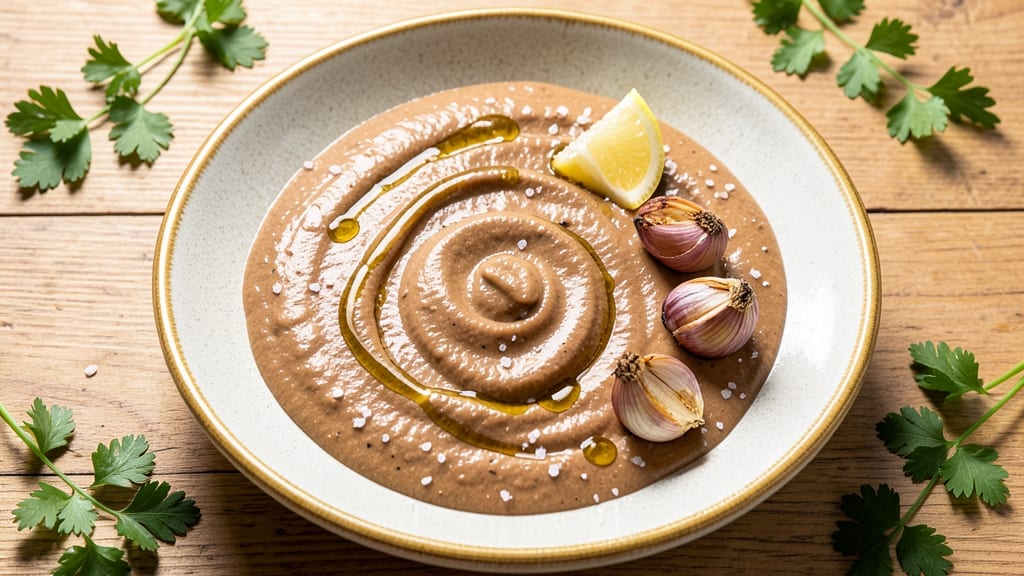
This Arabic tahini sauce recipe transforms simple pantry staples into a velvety, nutty condiment that elevates every dish it touches. The secret lies in balancing tahini’s richness with bright lemon, sharp garlic, and just enough acidity to keep flavors vibrant.
I’ve perfected this version over years of testing—it’s the kind of sauce that turns ordinary meals into restaurant-worthy experiences with minimal effort.
The magic happens in the emulsification process, where tahini and oil combine to create a silky texture that clings beautifully to grilled meats, fresh salads, or crispy vegetables.
Unlike store-bought versions, this recipe stays fresh for days and adapts effortlessly to any flavor profile—add a pinch of cumin for warmth, smoked paprika for depth, or even a touch of maple syrup for sweetness. The result?
A sauce that’s equally at home drizzled over roasted vegetables or used as a dip for warm pita.
What makes this sauce truly special is its versatility. Use it as a marinade for chicken or lamb, a dressing for grain bowls, or a finishing touch for hummus and falafel platters.
The lemon and garlic brighten the tahini’s earthiness, creating a perfect balance that’s neither too heavy nor too light. With just five ingredients and 10 minutes of active time, you’ll have a sauce that’s worth making again and again.
Storage is simple—keep it refrigerated in an airtight container for up to a week, or freeze for longer shelf life. The flavors actually deepen over time, making it an ideal make-ahead condiment for meal prep.
Whether you’re serving a crowd or prepping for the week, this tahini sauce delivers restaurant-quality results with zero fuss.
Ingredients for arabic tahini sauce
Five simple ingredients create a velvety sauce that transforms ordinary meals into restaurant-quality experiences.
| Ingredient | Amount | Notes |
|---|---|---|
| Tahini 🥜 | ½ cup | High-quality, sesame paste preferred |
| Extra-Virgin Olive Oil 🫒 | ½ cup | Light, fruity variety for balance |
| Fresh Lemon Juice 🍋 | 3 tbsp | Freshly squeezed, strained |
| Garlic Cloves 🧄 | 3 cloves | Freshly minced, vibrant color |
| Water 💧 | ¼ cup | Room temperature preferred |
| Sea Salt 🧂 | ½ tsp | Fine grain, kosher preferred |
| Ground Black Pepper 🌶️ | ¼ tsp | Freshly ground for best flavor |
| Maple Syrup 🍯 | 1 tsp | Optional, for subtle sweetness |
| Ground Cumin 🌿 | ¼ tsp | Toasted for deeper aroma |
The tahini is the heart of this sauce—look for high-quality, 100% sesame paste at Middle Eastern markets or well-stocked grocery stores like Whole Foods. The olive oil should be light and fruity, not bitter or overly peppery. California Avocado or Colavita brands work beautifully. Fresh garlic and lemon are non-negotiable; bottled versions lack the brightness this sauce needs. If you can't find fresh cumin seeds, Penzeys Spices sells excellent pre-ground cumin that's worth the investment for this recipe.
No tahini? Substitute with peanut butter at half the amount, though the flavor will differ slightly. Short on lemon juice? Lime juice works at the same quantity. The maple syrup can be omitted if you prefer a strictly savory sauce, or agave nectar at the same amount works well. For extra depth, add a pinch of smoked paprika—it adds a subtle complexity that pairs perfectly with grilled meats. The emulsification process is key; if your sauce breaks, simply whisk in another tablespoon of olive oil and a splash of water until smooth again.
Store this sauce in an airtight container in the refrigerator for up to 1 week. The flavors actually improve with time, developing a deeper richness. For longer storage, freeze in ice cube trays—thaw as needed for perfect portions. The sauce thickens when chilled, so always stir before using. If it becomes too thick, thin with a splash of water or lemon juice. This makes an excellent make-ahead condiment for meal prep, especially when paired with hummus or falafel platters.
Why You'll Love This Recipe
- Five-Minute Miracle: I swear by this sauce because it’s the kind of recipe that feels like cheating—just blend tahini, olive oil, garlic, and lemon until it’s silky smooth. No chopping, no waiting, just pure, effortless magic.
- Umami Bomb: That first taste of garlic and tahini hitting your tongue? It’s like a flavor explosion. The lemon cuts through the richness, but the olive oil keeps it luscious—balanced, bold, and impossible to resist.
- Meal Prep MVP: This sauce doesn’t just work with hummus—it’s my go-to for drizzling on roasted veggies, grilled chicken, or even as a dip for pita. Honestly, I make a big batch on Sundays so I’m never stuck scrambling for flavor later in the week.
- Leftovers That Last: Between us, tahini sauce tastes better the next day—if it even makes it that far. It keeps for days in the fridge, and a splash of water can revive it if it thickens. Plus, it’s cheap to make, so I never feel guilty about using it everywhere.
Step-by-step instructions for Arabic tahini sauce
This sauce comes together in minutes with a perfect balance of nutty, tangy, and aromatic flavors.
Whisk Tahini and Olive Oil Smoothly
In a medium bowl, combine the 0.5 cup tahini and 0.5 cup extra-virgin olive oil. Using a whisk or immersion blender, blend vigorously for 1-2 minutes until completely smooth and free of lumps. The mixture will thicken slightly as you work, but keep whisking until it reaches a creamy, homogeneous texture.
This step is crucial—I've found that using an immersion blender gives the best results, as it incorporates air and creates a lighter sauce. If you see any graininess after blending, add 1-2 teaspoons of water and blend again until fully emulsified. The sauce should now have a velvety consistency, ready for the next flavors to meld in.
Add Lemon Juice and Garlic
Gradually whisk in the 3 tablespoons fresh lemon juice and 3 minced garlic cloves while continuing to blend. The sauce will lighten in color and become more aromatic. Taste at this stage—you should notice a bright citrus tang cutting through the richness of the tahini.
Here's the thing—adding the lemon juice slowly prevents curdling. If you add it all at once, the sauce might separate. Work in small increments, whisking constantly. The garlic should dissolve completely, infusing the sauce with its pungent, savory depth. If you prefer a smoother texture, strain the mixture through a fine-mesh sieve at this point to remove any garlic bits.
Incorporate Water and Seasonings
Stream the 0.25 cup water into the sauce while whisking continuously. This thins the mixture to your desired consistency—aim for something between a thick dressing and a pourable sauce. Add the 0.5 teaspoon sea salt, 0.25 teaspoon ground black pepper, and 0.25 teaspoon ground cumin, whisking until fully dissolved.
The water helps balance the richness while creating the perfect sauce-to-dish ratio. The cumin adds a subtle earthy warmth that complements the lemon and garlic beautifully. Taste again and adjust seasoning if needed—this is where you fine-tune the sauce to your preference. The final texture should coat the back of a spoon but still be pourable.
Finish with Maple Syrup (Optional)
For a touch of sweetness, stir in the 1 teaspoon maple syrup. This step is optional but enhances the sauce's complexity, particularly when served with spicy dishes or grilled meats. The syrup should dissolve completely, adding a delicate sweetness that rounds out the flavors.
Give the sauce one final taste. It should now have a perfect balance of nutty tahini, bright lemon, aromatic garlic, and subtle sweetness. The sauce is ready to use immediately, but if you're preparing it ahead, cover and refrigerate for up to 5 days. Before serving, give it a good whisk to restore its smooth texture—it may thicken slightly when chilled.
Pro Tips For Making Arabic Tahini Sauce
- Whisk in Stages: Start by mixing tahini with just a splash of water—about 2 tablespoons—to break up clumps before adding more. I learned this the hard way after struggling to blend thick tahini smoothly; gradual hydration keeps the sauce from turning into glue.
- Roast the Garlic: Wrap whole garlic cloves in foil with a drizzle of olive oil, then roast at 400°F (200°C) for 15 minutes before mincing. The sweet, mellow flavor beats raw garlic’s sharpness—no more overpowering your sauce.
- Acidify Gradually: Add lemon juice one teaspoon at a time while tasting, since over-acidifying kills the tahini’s richness. I used to dump it all in and end up with a bitter, tangy mess—now I adjust as I go.
- Finish with Oil: Drizzle in a generous stream of extra-virgin olive oil at the end, emulsifying with a spoon. This upgrades the texture from thin to velvety, and the oil’s peppery notes balance the sauce’s earthiness. (Yes, even if you’re impatient like me.)
Storing and reheating your leftovers
Refrigerator Storage
Store your freshly made tahini sauce in an airtight glass container—I prefer Pyrex with a snap-on lid—and keep it refrigerated for up to 1 week. The sauce actually improves with time, developing deeper, more complex flavors.
Always stir before using, as it thickens slightly when chilled. If it becomes too thick, thin with 1-2 teaspoons of water or lemon juice until you reach your desired consistency. 💧
Freezer Preservation
For longer storage, freeze the sauce in ice cube trays—this makes perfect single-serving portions for later. Once frozen, transfer the cubes to a freezer-safe bag, squeezing out excess air to prevent freezer burn. Thaw in the refrigerator overnight before using.
The texture will be slightly thicker after freezing, so thin with water or lemon juice as needed. This method preserves the sauce’s quality for up to 3 months. ❄️
Thawing and Reheating
When reheating from the refrigerator, whisk the sauce vigorously to restore its smooth texture. If it’s too thick after chilling, add 1 tablespoon of water at a time until you reach a pourable consistency.
For a quick fix, place the container in a bowl of warm water for 2-3 minutes—this gently reheats the sauce without cooking it. Never microwave tahini sauce, as the heat can cause separation. 🔥
Reviving Broken Sauce
If your sauce separates during storage, don’t toss it! Simply whisk in 1 tablespoon of olive oil and 1 teaspoon of water until fully emulsified again. The key is patience—work slowly to avoid over-diluting.
I’ve revived even the most stubbornly broken sauces this way. For extra insurance, strain through a fine-mesh sieve before serving to remove any lumps. 💡
Portion Control Tips
Use small ramekins or silicone molds to portion the sauce for easy grab-and-go use. These keep individual servings fresh in the fridge for 3-4 days. For meal prep, store portions in mini mason jars—they’re perfect for drizzling over salads or dipping veggies.
Label with the date to track freshness. This makes tahini sauce an effortless addition to your weekly meal prep routine. ✨
Flavor Evolution
The sauce’s flavor profile deepens over time, with the garlic and lemon becoming more pronounced. After 3-4 days in the fridge, the cumin’s warmth and the tahini’s nuttiness blend beautifully. Taste before using—sometimes a pinch of extra salt or a splash of lemon juice is all it needs to shine.
This is why I always make extra and store it for future meals! 🌟
Nutrition facts
Frequently asked questions about Arabic tahini sauce
Can I make this sauce without tahini?
Yes! For a similar texture, substitute ½ cup peanut butter (unsweetened) or ½ cup cashew butter. The flavor will differ slightly, but the technique remains the same—whisk with oil and lemon until smooth. For a more authentic taste, try ½ cup white miso paste (though it adds umami depth rather than nutty richness).
Why did my sauce separate?
Separation usually happens when oil and tahini aren't properly emulsified or when acid (like lemon) is added too quickly. Fix it by whisking in 1 tablespoon olive oil and 1 teaspoon water until smooth. For prevention, add lemon juice gradually while blending continuously. The key is patience—don't rush the emulsification step!
What are the best ways to use this sauce?
This versatile sauce works as a dip for warm pita or veggie sticks, a dressing for grain bowls or salads, or a marinade for grilled chicken or lamb. Drizzle it over roasted vegetables or use it as a finishing sauce for falafel or shawarma platters. The nutty creaminess pairs perfectly with both spicy and mild flavors!
Can I adjust the spice level?
For heat, add ½ teaspoon chili flakes or 1 teaspoon harissa paste. For smokiness, stir in ½ teaspoon smoked paprika. To mellow the garlic, reduce to 2 cloves or add ½ teaspoon onion powder. The sauce's balance makes it easy to customize for any dish!
How do I make this sauce vegan?
This recipe is already 100% vegan! All ingredients—tahini, olive oil, lemon, garlic, water, salt, pepper, cumin, and maple syrup—are plant-based. Just ensure your tahini is certified vegan (some brands may contain trace honey). The sauce's creamy texture comes entirely from tahini and oil, making it perfect for vegan diets.