
Sauces & Condiments
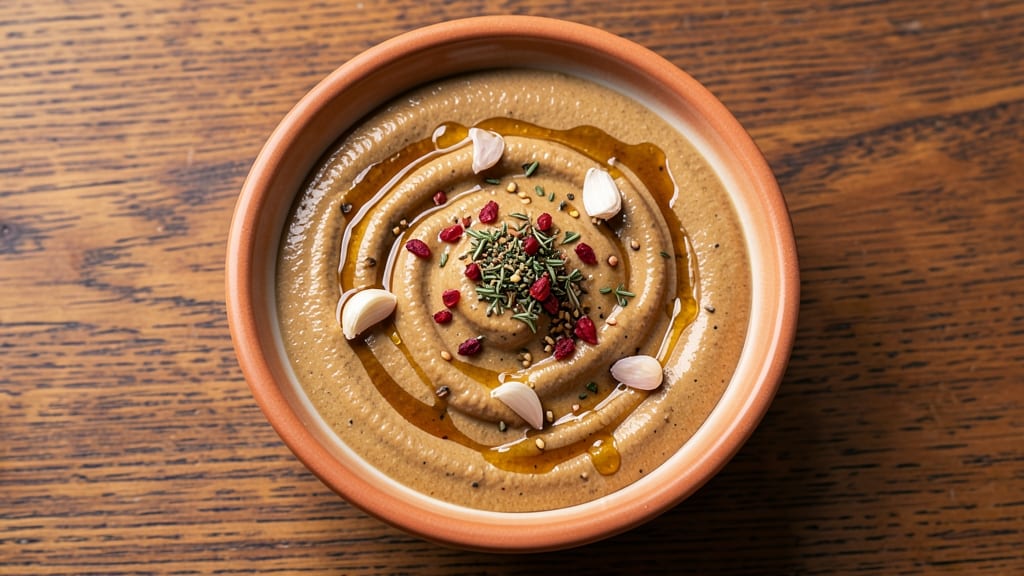
This Arabic sauce recipe transforms simple ingredients into a bold, aromatic blend that elevates everything from grilled meats to fresh bread. The secret lies in balancing smoky za’atar, nutty tahini, and bright lemon—each element working together to create depth without overpowering.
I developed this sauce after years of testing Middle Eastern recipes, and it’s become my go-to for adding that restaurant-quality richness at home.
The foundation is tahini, which provides that signature creamy texture and nutty warmth, while za’atar brings earthy, smoky complexity. A touch of garlic and lemon brightens the flavors, ensuring every bite is vibrant and well-rounded.
Unlike store-bought versions, this sauce stays fresh and flavorful for weeks, making it perfect for meal prep or gifting.
What sets this sauce apart is its versatility—drizzle it over grilled chicken, use it as a dip for crudités, or spread it on flatbread for an instant flavor upgrade.
The blend of spices and herbs creates a balance that’s both familiar and exciting, with just the right amount of heat to linger on the palate. Once you try it, you’ll never reach for bottled again.
The best part? It comes together in 10 minutes with just 6 ingredients, and the prep is straightforward—no special equipment required. Let’s make this sauce, and turn ordinary dishes into extraordinary ones.
Ingredients for arabic sauce
Six ingredients, bold flavors—this sauce turns ordinary dishes into restaurant-quality masterpieces.
| Ingredient | Amount | Notes |
|---|---|---|
| Tahini 🥜 | ½ cup | Sesame paste, unsweetened |
| Za’atar Spice Blend 🌿 | 3 tbsp | Smoky, sesame-based blend |
| Fresh Lemon Juice 🍋 | ¼ cup | From 1-2 lemons, strained |
| Garlic Cloves 🧄 | 3 cloves | Peeled, finely minced |
| Extra-Virgin Olive Oil 🫒 | ½ cup | High-quality, fruity |
| Water 💧 | ¼ cup | Room temperature preferred |
Tahini is the heart of this sauce, so don't skimp on quality. The good stuff comes in thick, paste-like jars—Kirkland Signature or Whole Foods 365 are solid budget picks, but Bella or Al Wadi take it to the next level. Za’atar can be tricky to find outside specialty stores, but Trader Joe’s carries a great blend, or check the Middle Eastern aisle at Penzeys. If you see za’atar with a chalky, grayish tint, toss it—it should be vibrant and fragrant. Fresh lemon juice is non-negotiable here; bottled just won’t cut it. For garlic, I always grab extra—half gets minced for the sauce, half gets tossed into whatever I’m serving it with.
No tahini? Substitute with equal parts peanut butter and olive oil, though the flavor won’t be identical. Za’atar hard to find? Mix 2 tbsp sesame seeds, 1 tbsp dried thyme, 1 tsp sumac, and ½ tsp cumin for a DIY version. Running low on lemon juice? Lime juice works in a pinch, but it’ll skew the sauce slightly tangier. The olive oil should be fruity and peppery—California-based oils like Corto or Omni tend to shine. And if you’re worried about the sauce being too thick, just add a splash more water. It thins out beautifully.
This sauce keeps for 2 weeks in the fridge, sealed tightly in a jar. The longer it sits, the deeper the flavors get—trust me, it only gets better. For longer storage, freeze it in ice cube trays and thaw as needed. A drizzle of olive oil on top before sealing helps preserve freshness. Pro tip: Make a double batch. You’ll want it on everything—grilled meats, roasted veggies, even scrambled eggs. It’s that good.
Why You'll Love This Recipe
- No Chopping Needed: I’ll admit, I’m lazy about prep—this sauce requires zero knife work. Just smash the garlic, whisk the tahini, and let the za’atar do its magic. Five minutes, tops.
- Tahini Magic: That nutty, rich tahini base—when balanced with bright lemon and sharp garlic—becomes this ridiculously good umami bomb. It’s the kind of sauce where every spoonful makes you want to dip everything in it.
- Dresses Anything: Drizzle it over grilled chicken, toss it with roasted veggies, or slather it on fresh bread. Honestly, I’ve even used it as a marinade. It’s my go-to for weeknights when I’m too tired to plan.
- Makes Leftovers Shine: A jar of this sauce keeps for weeks in the fridge—way better than takeout. I’ll be real: I’ve had it last three days in the fridge and still taste like day one. Budget win, flavor win.
Step-by-step instructions for smoky za’atar and tahini sauce
This sauce comes together faster than you can say "lammeh" - bold, tangy, and packed with nutty depth.
Whisk Tahini and Lemon Juice Until Smooth
In a medium bowl, combine the 0.5 cup tahini with the 0.25 cup fresh lemon juice. I like to use a hand mixer for this step - it emulsifies the tahini beautifully without requiring elbow grease. Whisk continuously for about 2 minutes until the mixture becomes completely smooth and glossy. You'll notice the texture transform from thick and grainy to silky and uniform - this is your base, so don't rush it.
Here's the thing - tahini can be stubborn when mixed with acidic ingredients like lemon juice. If you see any separation or graininess after whisking, simply add 1 tablespoon of water at a time until it smooths out completely. The sauce should coat the back of a spoon without leaving any streaks.
Gradually Incorporate Olive Oil
With the mixer still running on medium speed, very slowly drizzle in the 0.5 cup extra-virgin olive oil. I mean VERY slowly - about 1 teaspoon at a time - while continuing to whisk. This gradual approach prevents the sauce from breaking and creates that perfect emulsion we're after. You're looking for a texture that's thick but pourable, like heavy cream.
Watch closely as the sauce transforms - it should become noticeably lighter in color and develop a beautiful sheen. If it starts to look curdled or separated at any point, simply add another 1 tablespoon of water and whisk vigorously for 30 seconds. The final texture should be smooth enough to drizzle but thick enough to cling to whatever you're serving it with.
Add Za'atar and Garlic for Depth
Remove the bowl from the mixer and stir in the 3 tablespoons za'atar spice blend using a silicone spatula. The za'atar will add that signature smoky, nutty flavor that makes this sauce so distinctive. Then add the 3 minced garlic cloves and mix well to distribute evenly. At this point, you can taste and adjust the seasoning if needed - I usually find the za'atar provides enough saltiness, but you can add a pinch of salt if it needs it.
This is where the sauce really comes alive with flavor. The za'atar's complex blend of sesame seeds, sumac, and herbs will mingle with the tahini's nuttiness, creating layers of taste that are both earthy and bright. Give it a good stir to ensure every spoonful will be packed with those aromatic spices.
Thin to Desired Consistency
Add the 0.25 cup water one tablespoon at a time while whisking continuously. The sauce should now be at a consistency where it coats the back of a spoon but isn't too thin to drizzle. You want it to be smooth, glossy, and just thick enough to cling to your dish without sliding off. This final adjustment is crucial - too thick and it won't coat properly, too thin and it loses that luxurious body.
For serving, I like to adjust the consistency based on what I'm pairing it with. For dipping or drizzling over salads, I keep it slightly thinner. For spreading on flatbreads or using as a marinade, I prefer it a bit thicker. The good news is you can always thin it further with a splash of water if needed - it won't curdle like some other sauces.
Rest and Serve
Let the sauce rest for 10-15 minutes at room temperature. This resting period allows all the flavors to meld together beautifully. You'll notice the colors deepen slightly and the aromas become more pronounced. The sauce should smell like a perfect balance of lemon brightness, smoky za'atar, and nutty sesame.
Serve immediately while still at room temperature. This sauce is incredibly versatile - drizzle it over grilled meats, spread it on warm pita bread, use it as a dip for fresh vegetables, or even mix it into grain bowls. The flavors will continue to develop slightly as it sits, so I always recommend making it fresh when you're ready to serve.
Pro Tips For Making Arabic Sauce
- Warm the Tahini First: Cold tahini is thick and stubborn—whisk it with a splash of hot water (about ¼ cup) until it’s smooth before adding anything else. I learned this the hard way when my sauce turned into a lumpy mess because I skipped this step. Trust me, your sauce will thank you.
- Toast the Za’atar: Dry-toast the za’atar in a small pan over medium heat for 30 seconds until fragrant—this wakes up the spices and deepens the flavor. Skip this, and your sauce will taste flat. (Yes, even if you’re impatient like me.)
- Pulse the Garlic: Smash the garlic cloves with the flat side of your knife before mincing them—this releases more flavor without overpowering. I used to chop them fine, but pulsing them first makes a real difference in the sauce’s depth.
- Balance the Lemon Last: Add the lemon juice after everything else is mixed, then taste and adjust—you can always add more, but you can’t take it out. Start with 1 tablespoon and go from there. (Your future self will thank you.)
Pro cooking tips for great arabic sauce
Emulsify Like a Pro
The key to a silky, restaurant-quality sauce lies in proper emulsification. Tahini and lemon juice are natural emulsifiers, but they need help from olive oil to create that luxurious texture. I always use a hand mixer on medium speed—never high—to gradually incorporate the oil.
If you don’t have one, a whisk works, but you’ll need to work faster. The secret? Slow and steady—drizzle the oil in 1 tsp at a time while whisking continuously. This prevents separation and creates that velvety consistency. 🥜
Za’atar Magic
Za’atar is the soul of this sauce, but it can be tricky. If your blend is too coarse, strain it through a fine-mesh sieve before adding to avoid graininess.
For extra depth, toast the za’atar in a dry skillet over medium heat for 30 seconds to wake up its smoky, nutty aromas. I like to mix it in last—after the tahini and oil emulsion—to preserve its freshness. A good za’atar should smell earthy, lemony, and slightly smoky.
If yours lacks these notes, it’s past its prime. 🌿
Garlic: Fresh or Frozen?
Fresh garlic is ideal, but don’t toss out that frozen garlic you have lurking in the freezer! Thaw it first, then mince it finely—almost like a paste. The goal is to distribute the flavor evenly without chunks.
For a milder taste, use 2 cloves instead of 3. If you’re feeling adventurous, add a ¼ tsp red pepper flakes with the za’atar for a subtle kick. 🧄
Fixing Separation
If your sauce breaks or separates, don’t panic—it’s easily fixable. Simply add 1 tbsp water at a time while whisking vigorously. The tahini should re-emulsify within seconds. For stubborn separation, warm the sauce gently over a double boiler (never direct heat) while whisking.
This trick works like magic and restores that silky texture. The key is patience—rushing leads to curdling. ✨
Storage Secrets
This sauce keeps for 2 weeks in the fridge in an airtight container, but the flavors actually improve over time. For longer storage, freeze it in ice cube trays—perfect for adding to dishes later.
To thaw, let it sit at room temperature for 10 minutes before whisking to restore its smoothness. A drizzle of olive oil before sealing helps preserve freshness. Pro tip: Label your jars with the date—trust me, you’ll forget! ❄️
Flavor Boosts
Want to elevate this sauce even more? Add 1 tsp honey for sweetness or ½ tsp smoked paprika for extra depth. For a tangy twist, stir in 1 tbsp plain yogurt at the end.
If you love herbs, finely chop 1 tbsp fresh parsley and fold it in just before serving. The possibilities are endless—let your taste buds guide you! 💫
Nutrition facts
Frequently asked questions
Can I make this sauce without tahini?
Yes, but the texture and flavor will change. For a similar nutty base, blend ½ cup peanut butter with ¼ cup olive oil to replace the tahini. The sauce will be richer but slightly sweeter. If you're avoiding nuts entirely, try ½ cup Greek yogurt mixed with 1 tbsp lemon juice—it adds creaminess while keeping the tangy profile.
How spicy should this sauce be?
The recipe balances smoky za'atar and bright lemon for mild heat, but you can adjust it! For extra kick, add ¼ tsp red pepper flakes with the za'atar or a pinch of cayenne. If you prefer no heat, skip the garlic and use 2 cloves instead of 3. The sauce's depth comes from the spices, not just heat—think of it as a flavor bridge, not a spicy condiment.
What's the best way to use leftover sauce?
This sauce is incredibly versatile! Use it as a marinade for 10-15 minutes before grilling chicken or lamb, or stir it into hummus for extra richness. Spread it on warm pita bread with grilled veggies, or drizzle over roasted potatoes and tahini. For a quick fix, mix 1 tbsp sauce with 2 tbsp yogurt to create an instant dip for crudités. The possibilities are endless—it's like a flavor multiplier!
Why did my sauce separate?
Separation usually happens when oil and tahini aren't emulsified properly. Fix it by whisking in 1 tbsp water at a time until smooth. For stubborn separation, warm the sauce gently in a double boiler while whisking constantly. The key is patience—never rush the process. If it still looks grainy, strain it through a fine-mesh sieve before serving. This sauce is forgiving, but proper emulsification is everything!
Can I make this sauce ahead of time?
This sauce actually tastes better after 24 hours as the flavors meld. Store it in an airtight jar in the fridge for up to 2 weeks, or freeze in ice cube trays for 3 months. When ready to use, whisk to restore smoothness. The longer it sits, the deeper the za'atar's smoky notes become—perfect for meal prep!