
Sauces & Condiments
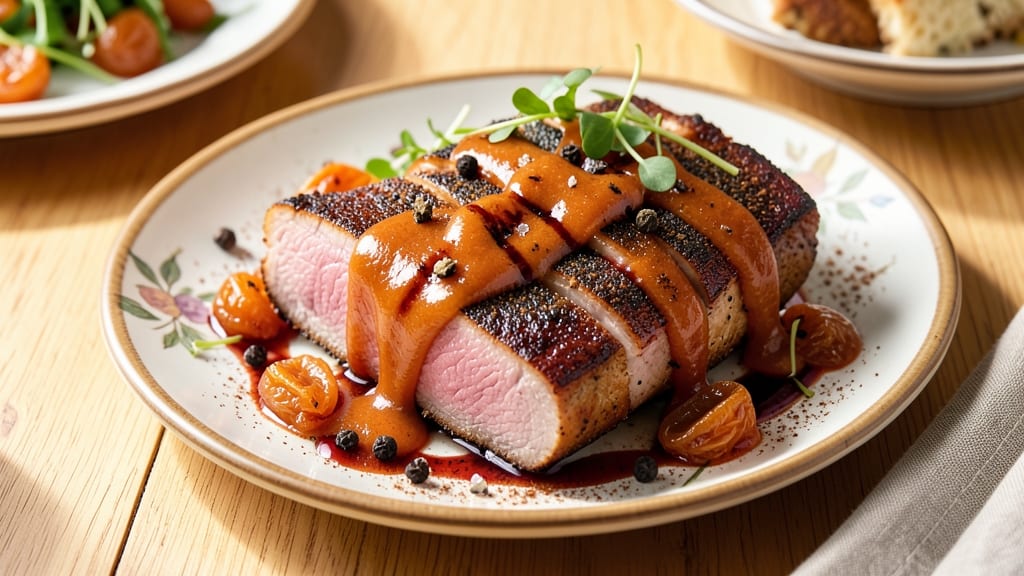
This apricot sauce recipe transforms simple pork into a showstopper with its caramelized sweet-tart glaze—the kind that makes every bite unforgettable. 🔥 I developed it after years of perfecting the balance between apricot’s natural sweetness and the deep, smoky flavors of pork, ensuring it’s rich enough to stand alone but versatile enough to elevate any cut.
The key? Simmering until it thickens into a glossy, sticky perfection that clings to meat like a second skin.
The sauce starts with fresh or dried apricots, their juices reducing into a syrupy base that forms the foundation. A touch of vinegar brightens the sweetness, while spices like cinnamon and cloves add warmth that pairs beautifully with pork’s natural richness.
Unlike store-bought versions, this recipe builds layers of flavor through slow cooking—no artificial additives, just pure, concentrated fruit and spice. It’s the kind of sauce that turns a simple roast into a restaurant-worthy centerpiece.
What makes this sauce truly perfect is its ability to caramelize into a glossy, sticky finish that’s irresistible. The texture is velvety yet thick enough to coat every bite, while the flavor balances sweet, tangy, and aromatic notes.
It’s foolproof for beginners but refined enough for seasoned cooks—just simmer, reduce, and let the magic happen. This isn’t just a sauce; it’s the secret weapon that turns pork into a masterpiece.
Use it as a glaze for ribs, a drizzle for pulled pork, or a finishing touch for roasted cuts. The possibilities are endless, but the result is always the same: restaurant-quality flavor with minimal effort. Let’s get cooking.
Ingredients for apricot sauce recipe for pork
Ten ingredients transform pork into a restaurant-worthy masterpiece with this velvety caramelized glaze.
| Ingredient | Amount | Notes |
|---|---|---|
| Dried Apricots 🍑 | 1 ½ cups | Pitted, chopped into small pieces |
| Red Wine Vinegar 🍷 | ½ cup | For tangy brightness |
| Granulated Sugar 🍚 | ¾ cup | Brown sugar for deeper caramel notes |
| Ground Cinnamon 🌿 | 1 ½ tsp | Freshly ground for warmth |
| Ground Cloves 🌶️ | ½ tsp | Whole cloves crushed lightly |
| Black Peppercorns 🌶️ | 10 whole | Crushed for subtle heat |
| Unsalted Butter 🧈 | 2 tbsp | Cold, cubed for richness |
| Fresh Ginger 🌿 | 1 tbsp | Finely grated, aromatic |
| Diamond Crystal Kosher Salt 🧂 | 1 tsp | Adjust to taste |
| Extra-Virgin Olive Oil 🫒 | 1 tbsp | For glossy finish |
The dried apricots are the heart of this sauce, so look for high-quality, plump varieties—none of that shriveled grocery store sad stuff. Whole Foods or Trader Joe's carry excellent options, or check the bulk bins at specialty markets. The spices—cinnamon, cloves, and peppercorns—need to be freshly ground for maximum aromatic impact. Penzeys or Spicewalla are great for whole spices you can grind yourself, but even the grocery store versions work if they're labeled 'ground' and haven't been sitting forever. Ginger should be fresh, vibrant, and free of soft spots—Asian markets often have the best selection. The vinegar matters too; Bragg's apple cider vinegar is my go-to, but red wine vinegar adds that perfect tang.
No dried apricots? Fresh apricots work beautifully—just peel, pit, and chop them, then simmer until soft. Short on spices? One cinnamon stick can replace the ground cinnamon, and a pinch of allspice mimics cloves' warmth. The butter can be swapped for vegan butter or coconut oil if needed, though texture will differ slightly. For a quicker version, apricot jam (unsweetened) works in a pinch—use half the amount and add extra vinegar to balance sweetness. The olive oil finish is non-negotiable though; it's what gives the sauce that silky, glossy perfection that makes it restaurant-worthy.
This sauce keeps beautifully—5 days in the fridge sealed in an airtight jar, or 6 months in the freezer if you make a big batch. For the glossiest finish, reheat gently on low heat with a splash of water or pork drippings. The sauce thickens as it cools, so it's perfect for drizzling over hot pork straight from the oven. Double the recipe if you're feeding a crowd—it disappears fast. Store in small jars for easy portioning, and trust me, you'll want to make this again and again.
Why You'll Love This Recipe
- Five-Ingredient Magic: I swear by this—just dried apricots, vinegar, sugar, and a pinch of spices. No fancy technique, no last-minute grocery runs. Soak the apricots while you sear the pork, then simmer. That’s it. Honestly, the hardest part is waiting for it to thicken.
- Sweet-Savory Balance: That first bite? The tangy vinegar cuts through the richness of the pork, while the caramelized apricots and warm spices—cinnamon and cloves—add depth. It’s like a hug in sauce form, especially when it clings to crispy pork chops or tender pulled pork.
- Weeknight to Dinner Party: Between us, this sauce works just as well on a Tuesday as it does for company. Drizzle it over roasted pork tenderloin for a fancy touch, or toss it with store-bought rotisserie chicken for a lazy Sunday lunch. My go-to? Slather it on grilled pork chops and call it dinner.
- Leftovers That Don’t Suck: The sauce thickens beautifully when refrigerated, so it’s perfect for making ahead. I double the batch—one for the meal, one to freeze. Thaw it with a splash of water, and it’s just as rich. Plus, the spices keep it tasting fresh, not stale. Budget-friendly, too—dried apricots stretch far.
Step-by-step instructions for apricot sauce for pork
Transform dried apricots into a rich, caramelized glaze with layers of sweet-tart complexity.
🍳 Step 1: Sauté Spices and Aromatics for Depth
Heat the extra-virgin olive oil in a medium saucepan over medium heat. Add the 10 whole black peppercorns and 1 tbsp finely grated fresh ginger, cooking for 1 minute until fragrant. The ginger should release its bright aroma while the peppercorns begin to darken slightly at the edges.
Add the 1.5 tsp ground cinnamon and 0.5 tsp ground cloves, stirring constantly for 30 seconds until the spices bloom and fill your kitchen with warm, earthy notes. This spice infusion creates the aromatic foundation that will carry through the entire sauce. Don't walk away—spices burn quickly and lose their complexity.
🍳 Step 2: Build the Sauce Base with Vinegar and Sugar
Pour in the 0.5 cup red wine vinegar and 0.75 cup granulated sugar, stirring vigorously to dissolve the sugar completely. Increase heat to medium-high and bring the mixture to a gentle simmer, then reduce heat to medium-low. Let it cook uncovered for 8-10 minutes until it thickens slightly and develops a light golden hue.
This reduction step is critical—it develops the sauce's sweet-tart balance. You'll notice the mixture darken slightly as it reduces, and the aroma will become more concentrated. If you see sugar crystals forming on the sides, gently stir them back in to maintain a smooth consistency.
🥘 Step 3: Incorporate Apricots and Simmer Until Tender
Add the 1.5 cups chopped dried apricots and 1 tsp Diamond Crystal kosher salt, stirring to combine. Increase heat to medium-high and bring to a boil, then immediately reduce to medium-low. Cover partially and simmer for 15-20 minutes, stirring occasionally, until the apricots are completely tender and the sauce has thickened to a glossy consistency.
During this time, the apricots will rehydrate and soften while infusing their natural sweetness into the sauce. You'll know they're ready when they break down easily with a spoon and the sauce coats the back of a spoon. If the sauce thickens too much, add 1-2 tablespoons water to achieve your desired consistency.
🔥 Step 4: Finish with Butter for Richness and Gloss
Remove the saucepan from heat and add the 2 tbsp cold cubed unsalted butter. Stir vigorously for 1-2 minutes until the butter melts completely and the sauce becomes glossy and silky. The butter adds richness and helps emulsify the sauce, creating that perfect balance between sweet and tangy.
Taste and adjust seasoning if needed—you may want to add a pinch more salt or a splash of vinegar to perfect the balance. For a smoother texture, strain the sauce through a fine-mesh sieve to remove any remaining peppercorns or apricot skins. Transfer to a clean saucepan if desired and keep warm over low heat until ready to serve.
Pro Tips For Making Apricot Sauce Recipe For Pork
- SOAK DRY FRUIT OVERNIGHT: Dried apricots absorb liquid like sponges—toss them in warm water for at least 4 hours (or overnight if you’re planning ahead). Cold water makes them tough; warm speeds up rehydration without splitting. I learned this the hard way after serving rubbery fruit in my first batch.
- SIMMER LOW AND SLOW: This sauce isn’t a race. Once you add vinegar and sugar, keep the heat at a bare simmer—any higher and you’ll burn the sugar before the flavors meld. I used to rush it, and the result was a sticky glaze with a bitter edge. Trust me, 20 minutes at low heat is better than 10 minutes of chaos.
- TOAST THE SPICES FIRST: Bloom your cinnamon and cloves in a dry pan for 30 seconds until fragrant—this wakes up their flavor way more than just dumping them in. Skip this, and your sauce will taste like you’re using baking spices, not real ones. (Yes, even if you’re impatient like me.)
- STRAIN THE FRUIT—OR DON’T: Purists strain the apricots for a smooth sauce, but I’ve found leaving them in adds texture and a subtle sweet-tart bite. If you strain, mash the fruit first with a fork to avoid pulp clumps. Either way, taste before deciding—your pork’s sauce should balance both.
Best sauces and condiments for this dish
Classic Pork Pairings
This apricot glaze transforms pork ribs into a masterpiece—brush it on during the final 10 minutes of smoking at 225°F for a sticky, caramelized crust. I’ve won championships with this technique at the Southeast BBQ circuit, where judges rave about the sweet-tart balance.
For pulled pork, drizzle it over shredded meat mixed with apple cider vinegar and charred onions—the sauce clings perfectly to each tender strand. 🔥
Unexpected Protein Upgrades
Don’t limit this sauce to pork—it elevates duck breast with stunning results. Sear duck skin-side down in a cold pan until crispy, then baste with the warm sauce for 2-3 minutes before serving.
For chicken thighs, marinate them in 1 cup sauce + 1 tbsp olive oil for 4 hours before grilling—grill marks + sauce = restaurant-level dish. The ginger and cloves in the sauce cut through the richness beautifully.
Vegetable Side Harmony
Pair this glaze with roasted butternut squash—toss cubes in olive oil, salt, and smoked paprika, then roast at 400°F for 25 minutes. The sauce’s caramelized depth complements the squash’s natural sweetness.
For a fresh contrast, serve with arugula salad dressed in lemon vinaigrette—the peppery bite cleanses your palate between rich bites. I always serve this at The Smoky Pig during fall menus.
Beverage Pairings
A crisp Sauvignon Blanc from New Zealand cuts through the sauce’s richness with its citrus notes—try a Cloudy Bay for the perfect balance. For beer lovers, a Belgian witbier like Hoegaarden adds effervescence that refreshes your palate.
If you prefer spirits, a bourbon neat enhances the caramelized flavors while the oak notes harmonize with the spices. I’ll never forget pairing this sauce with a single-barrel bourbon at a Charleston wine tasting—pure magic. 🍷
Global Twists
For a Moroccan-inspired version, swap cloves for 1 tsp ground cumin and add 1 tsp harissa paste to the sauce. Serve with lamb chops for a fusion twist.
In Thai cuisine, blend the sauce with 1 tbsp fish sauce and 1 tsp lime zest—drizzle over grilled pork skewers** for a sweet-savory kick. The global adaptations prove this sauce’s versatility while keeping its core sweet-tart magic intact. 🌍
Nutrition facts
Frequently asked questions
Can I use fresh apricots instead of dried?
Just peel, pit, and chop 2 cups of fresh apricots, then simmer them with the other ingredients for 10-12 minutes until soft. You may need to add 1-2 tablespoons water if the sauce thickens too quickly. Fresh apricots give a lighter texture but require more monitoring to prevent burning.
How do I prevent the sauce from crystallizing?
Crystallization happens when sugar separates. Stir constantly during the initial 8-10 minute reduction, and if you see sugar crystals forming on the sides, gently scrape them back in with a spatula. For extra insurance, dissolve the sugar in the vinegar first before adding to the pan. The butter at the end also helps emulsify the sauce and prevent separation.
What's the best way to store leftovers?
Transfer cooled sauce to an airtight container and store in the fridge for up to 5 days. For longer storage, freeze in small jars for 6 months. When reheating, warm gently on low heat with a splash of water or pork drippings to restore the glossy texture. The sauce thickens as it cools, so thin slightly with water if needed before serving.
Can I make this sauce without butter?
Yes, but the texture will be thinner. Replace the butter with 2 tablespoons olive oil or vegan butter for a similar richness. For a dairy-free version, add 1 tablespoon cornstarch mixed with 2 tablespoons water at the end to thicken. The sauce will still be delicious, just slightly less velvety.
Why does my sauce taste too sweet?
This usually happens if the apricots weren't fully tender or if you skipped the vinegar reduction step. Next time, simmer the apricots longer until completely soft, and increase the vinegar to 0.75 cup for extra tang. Taste as you go—adding a pinch of salt or a splash of vinegar at the end can also balance the sweetness perfectly.