
Sauces & Condiments
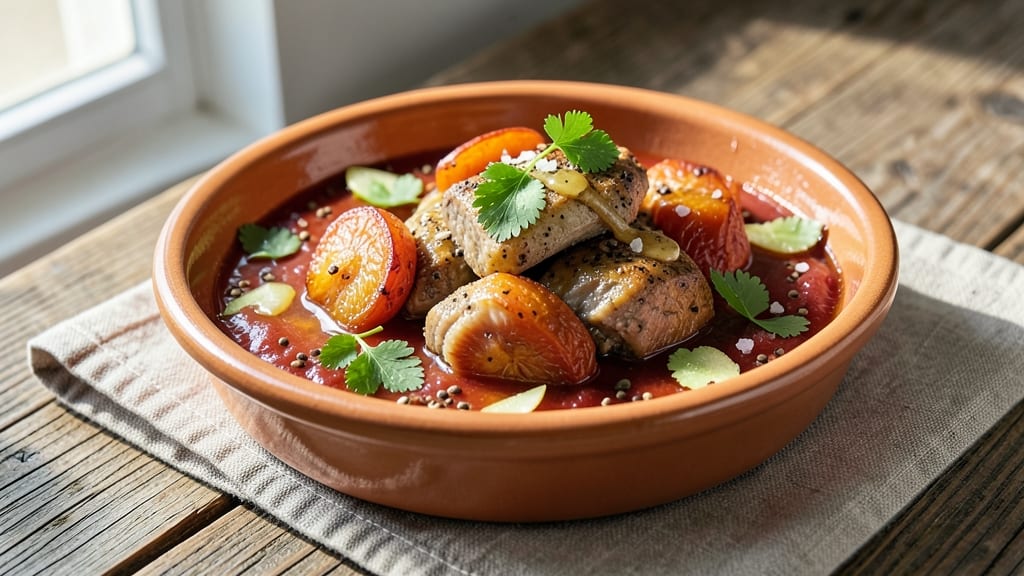
This apricot and coriander tagine sauce transforms ordinary dishes into Moroccan-inspired masterpieces with just 20 minutes of simmering. The sweet-tart balance of apricots and bright coriander creates a sauce that clings to grilled meats, tagines, or even roasted vegetables like a flavorful embrace.
Professional chefs swear by this technique—simmering spices with fruit to develop deep, complex flavors without overpowering the dish.
The secret lies in toasting whole spices first—cumin, cinnamon, and ginger—to release their aromatic oils before blending them with fresh coriander and apricots. A touch of tomato paste deepens the sauce’s richness, while a splash of orange juice brightens the finish.
Unlike store-bought versions, this recipe delivers restaurant-quality depth with just five key ingredients and one pot.
What makes this sauce truly special is its versatility—drizzle it over lamb tagines, use it as a marinade for chicken, or serve it as a condiment with grilled halloumi.
The texture is velvety yet vibrant, with pockets of fruit that add bursts of sweetness. Once you taste it, you’ll never reach for bottled again.
Best of all, it keeps beautifully in the fridge for up to 5 days, making it perfect for meal prep. Let’s create this foolproof sauce that elevates every dish it touches.
Ingredients for apricot and coriander tagine sauce
Five spices, two fruits, and a splash of citrus create restaurant-quality Moroccan depth in one pot.
| Ingredient | Amount | Notes |
|---|---|---|
| Dried Apricots 🍑 | 1 cup | Chopped into small pieces |
| Fresh Coriander Leaves 🌿 | ½ cup | Stems removed, loosely packed |
| Ground Cumin 🌶️ | 1 tbsp | Toasted for aromatic depth |
| Ground Cinnamon 🍃 | ½ tsp | High-quality Ceylon preferred |
| Fresh Ginger 🧄 | 1 tbsp | Grated, aromatic variety |
| Tomato Paste 🍅 | 1 tbsp | San Marzano preferred, no additives |
| Orange Juice 🍊 | ¼ cup | Freshly squeezed, no pulp |
| Extra-Virgin Olive Oil 🫒 | ½ cup | Fruity, peppery variety |
| Vegetable Stock 💧 | ½ cup | Homemade or high-quality low-sodium |
| Sea Salt 🧂 | ½ tsp | Diamond Crystal preferred |
The foundation starts with Ceylon cinnamon and toasted cumin—these are non-negotiable for authentic depth. Whole Foods or Middle Eastern markets carry the best quality, but don't stress if you only have regular ground spices. The ginger should be freshly grated—pre-minced loses its punch quickly. For apricots, dried unsulfured delivers the best flavor, but if you can't find them, dried sweetened apricots work in a pinch. The coriander leaves must be fresh—no dried substitutes here, as their bright aroma is essential to balancing the sweetness.
No fresh ginger? Ground ginger at half the amount will work, though it lacks the same complexity. Substituting orange juice? Lemon juice works too, but the sauce will have a slightly sharper edge. The tomato paste is crucial for depth—avoid the watery kind found in some budget brands. For extra richness, Trader Joe's carries excellent San Marzano tomato paste in tubes, perfect for this recipe. If you're short on time, canned crushed tomatoes can replace the paste, but reduce the vegetable stock by 2 tbsp to maintain balance.
This sauce develops better with time—let it sit for 30 minutes after cooking to allow flavors to meld. Store in an airtight container with a thin layer of olive oil on top to preserve freshness. Keeps 5 days refrigerated or 3 months frozen. For freezing, portion into ice cube trays before transferring to a bag—ideal for quick additions to dishes. The sauce thickens as it cools, so adding a splash of water when reheating ensures the perfect consistency.
Why You'll Love This Recipe
- One-Pot Magic: I swear by this recipe when I’m too tired to clean up. Just toss dried apricots, cumin, cinnamon, and ginger into a pot with broth—no chopping, no fuss. The sauce thickens itself while you stir, and honestly? That’s my kind of cooking.
- Sweet-Savory Balance: The dried apricots melt into the sauce like caramelized honey, while fresh coriander brightens everything up. Between us, the cinnamon and ginger add this warm depth that makes it taste like a hug in a bowl—especially over grilled chicken or rice.
- Weeknight to Dinner Party: This sauce is my secret weapon for lazy nights and when I’m hosting. Double the batch, store it in the fridge, and it’s ready to jazz up anything—pasta, roasted veggies, even toast. (Yes, even on a Tuesday night.)
- Budget-Friendly Pantry Hero: Dried apricots and spices cost pennies, and they stretch this sauce for days. I’ve had leftovers for four meals, and it still tastes fresh. Plus, the coriander keeps it vibrant, so it doesn’t get boring—just rich, spiced, and totally satisfying.
Step-by-step instructions for apricot and coriander tagine sauce
This method delivers a perfectly balanced sauce with vibrant Moroccan flavors and silky texture.
Toast the Spices for Maximum Aroma
Heat a small dry skillet over medium-low heat and add the 1 tablespoon ground cumin and 0.5 teaspoon ground cinnamon. Toast for 1-2 minutes until fragrant and you can smell the warm, earthy notes developing. This step is crucial—it deepens the spice flavors and prevents them from tasting raw.
Watch carefully to avoid burning. The spices should be aromatic but not darken in color. Immediately transfer the toasted spices to a small bowl and set aside. This prevents them from overcooking later in the sauce. The toasted spices will serve as the aromatic base for your entire sauce.
Build the Sauce Base with Ginger and Tomato
In a medium saucepan, heat the 0.5 cup extra-virgin olive oil over medium heat. Add the 1 tablespoon grated fresh ginger and cook for 1 minute until fragrant. Be careful not to let it brown—just warm through. Add the 1 tablespoon tomato paste and stir continuously for 2 minutes to cook out the raw taste.
This creates a rich, flavorful foundation. The ginger should be completely incorporated without any visible specks. The tomato paste will develop a slightly caramelized flavor that balances the sweetness of the apricots later. If you notice any sticking, add a splash of vegetable stock to deglaze.
Simmer with Apricots and Orange Juice
Add the 1 cup chopped dried apricots and 0.25 cup orange juice to the saucepan. Stir well to combine, then bring to a gentle simmer over medium-low heat. Let it cook uncovered for 8-10 minutes until the apricots soften and release their juices. You'll notice the sauce begin to thicken slightly as the fruit breaks down.
The sauce should develop a rich, caramelized aroma with hints of citrus. If it reduces too quickly, add 1-2 tablespoons of vegetable stock to maintain the proper consistency. The apricots should be tender but still hold their shape—this ensures a pleasant texture in your final sauce.
Finish with Coriander and Seasoning
Remove the saucepan from heat and stir in the 0.5 cup fresh coriander leaves and 0.5 teaspoon sea salt. The coriander adds a bright, citrusy freshness that cuts through the richness of the other ingredients. Let the sauce sit off the heat for 5 minutes to allow the flavors to meld completely.
Taste and adjust the seasoning if needed. You might want to add a pinch more salt or a splash of orange juice if the sauce needs balancing. The final texture should be thick but still pourable, with visible pieces of apricot and coriander. This sauce works beautifully with grilled meats, roasted vegetables, or as a dipping sauce for flatbread.
Serve Immediately for Best Results
Return the sauce to low heat just before serving to maintain its ideal temperature. The sauce tastes best when served warm, allowing all the aromatic components to shine. If you need to reheat later, do so gently over low heat, stirring occasionally to prevent scorching.
The sauce should coat the back of a spoon with a glossy sheen and have a perfect balance of sweet, spicy, and citrusy flavors. The dried apricots should be tender but still hold their shape, and the coriander should add a fresh, herbal note. This tagine sauce captures the essence of Moroccan cuisine in a simple, one-pot preparation.
Pro Tips For Making Apricot And Coriander Tagine Sauce
- SOAK DRY APRICOTS FIRST: Dried apricots stay stubbornly chewy if you toss them in cold. Give them a quick 10-minute soak in warm water—just enough to soften their edges without turning them mushy. Drain well, then pat dry with a paper towel before adding to the tagine; this guarantees they absorb the spices and caramelize properly instead of steaming into a sad pulp.
- SWEAT THE GINGER LOW: Fresh ginger burns faster than you’d think, especially when paired with cinnamon. Start it over medium-low heat for 3-4 minutes until it’s fragrant but not browned—just until the edges turn translucent. This builds flavor without bitterness, and you’ll notice the difference when the coriander joins later.
- STOP WHEN CORIANDER LOOKS WILTED: Fresh coriander wilts fast, but that’s exactly when it releases its brightest flavor. Add it to the tagine just as the sauce starts to simmer, then turn off the heat immediately—let it sit covered for 5 minutes. Overcooking turns it bitter; undercooking leaves it sharp. The right moment is when the leaves look droopy but still vibrant.
- TOAST SPICES BEFORE ADDING: Ground cumin and cinnamon lose their punch if they hit the pot straight from the jar. Warm them dry in a small pan for 30 seconds until aromatic—just until you smell that toasty, earthy note. Stir them into the sauce after the ginger has sweated; this keeps their flavors sharp and prevents them from dissolving into the background.
Regional styles of these flavors
Moroccan Fez Style
In Fez, this sauce takes center stage in slow-cooked lamb tagines, where it simmers for 3-4 hours with tender meat and almonds. The key difference? Add 2 tbsp slivered almonds along with the apricots and a pinch of saffron threads steeped in 2 tbsp warm water.
The almonds add crunch while the saffron deepens the golden hue. Serve with couscous and warm flatbread for an authentic Fez experience. 🍽️
Atlas Mountain Variation
High-altitude regions like the Atlas Mountains use this sauce with hearty lamb shanks and preserved lemons. Replace the orange juice with 2 tbsp preserved lemon juice and add 1 tsp ground turmeric for warmth.
The preserved lemon adds a tangy depth that balances the sweetness beautifully. This version works exceptionally well with slow-roasted potatoes for a complete mountain-style meal. 🏔️
Coastal Casablanca Twist
Casablanca’s coastal influence brings fresh seafood into play. Use this sauce as a marinade for grilled shrimp or sea bass, adding 1 tbsp harissa paste for heat. The harissa cuts through the sweetness while the coriander brightens the dish.
Garnish with extra coriander and a drizzle of extra-virgin olive oil for a restaurant-worthy finish. Perfect for summer grilling! 🌊
Berber Mountain Adaptation
Berber communities in the mountains often use this sauce with game meats like venison or rabbit. Replace the vegetable stock with game stock> and add 1 tsp smoked paprika for depth. The smoky note complements the earthiness of game perfectly.
Serve with wild greens> like dandelion salad for a rustic, foraged feel. This version is heartier and more rustic than coastal styles. 🌿
Modern Fusion Approach
For a contemporary twist, blend the cooked sauce until smooth and use it as a glaze for grilled chicken or pork belly. Add 1 tbsp honey> and 1 tsp chili flakes> to create a sweet-spicy contrast.
This fusion style works brilliantly with Asian-inspired dishes like rice noodles or dumplings>. The apricot-coriander combo adds an unexpected Moroccan flair to any cuisine. 🍯
Nutrition facts
Frequently asked questions
Can I substitute fresh apricots for dried in this sauce?
Fresh apricots work but require a different approach. Use 2 medium fresh apricots (peeled, pitted, and chopped) and add them with the orange juice. Simmer for only 5 minutes to avoid mushiness. The sauce will be brighter but less concentrated in sweetness. For best results, blend half the sauce for a smoother texture.
How do I adjust the spice level for sensitive palates?
Start by reducing the cinnamon to ¼ teaspoon and omit the harissa if using the Casablanca variation. For extra mildness, replace half the cumin with ground coriander (½ tsp) which has a sweeter, milder profile. Always taste as you go—you can add more spices later, but you can't remove them once added.
Can I make this sauce without a stove?
Yes! Use an instant pot or microwave-safe bowl. For the Instant Pot, sauté spices on "Sauté" mode, then add all ingredients and cook on "High Pressure" for 3 minutes, followed by a natural release. For microwave: Combine all ingredients in a bowl, cover, and microwave on high for 4 minutes, stirring halfway. The texture will be slightly thinner but still delicious.
What's the best way to store leftovers?
Transfer to an airtight container with a thin layer of olive oil on top to preserve freshness. Refrigerated, it keeps for 5 days—the flavors actually improve after 24 hours! For freezing, portion into ice cube trays, then transfer to a bag. Thaw overnight in the fridge and reheat gently. The sauce thickens when cold, so add 1-2 tbsp water when reheating.
Why does my sauce taste bitter?
Bitterness usually comes from overcooked spices or tomato paste. Prevent it by toasting spices just until fragrant (1-2 minutes) and removing them immediately. If it happens, balance with 1 tsp honey or 1 tbsp orange juice. Never add more salt—it intensifies bitterness. For future batches, reduce tomato paste to ½ tablespoon if you prefer.