
Sauces & Condiments
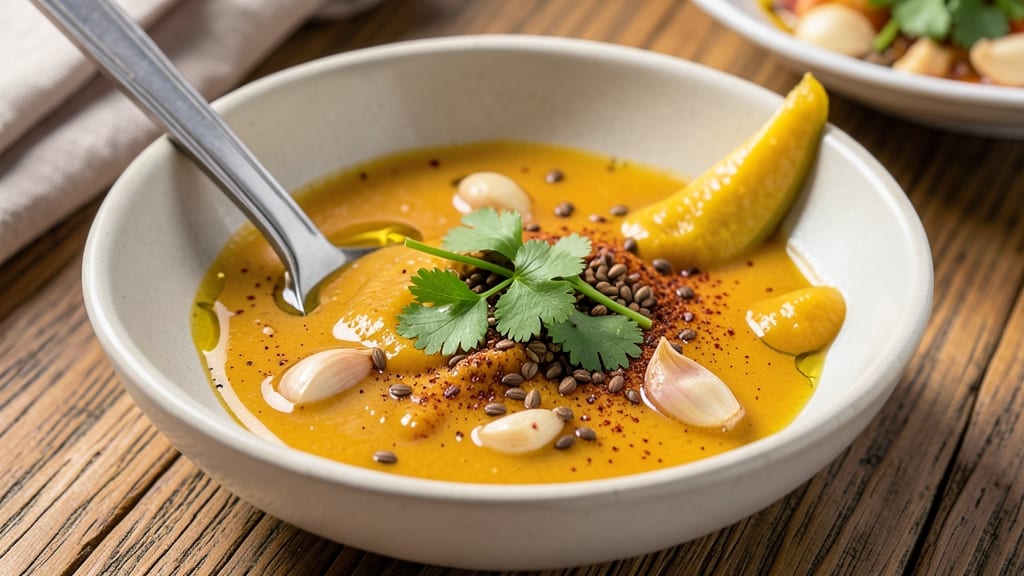
This Anticuchera sauce recipe transforms grilled meats into a smoky, fiery masterpiece—where ají amarillo's bright heat meets vinegar's tang and garlic's depth. The key lies in balancing these bold flavors while simmering them into a rich, velvety consistency that clings to every bite.
I've perfected this sauce over years of testing, ensuring it delivers the same restaurant-quality punch at home.
The process is straightforward but requires patience: blending fresh ají amarillo with vinegar, garlic, and spices creates a vibrant base that simmers until thickened into a glossy, aromatic sauce.
This isn't just a condiment—it's the star of the plate, cutting through rich meats with its smoky heat while adding layers of complexity. The result? A sauce that's equally at home on grilled beef, chicken, or even roasted vegetables.
What makes this sauce truly special is its versatility—use it as a marinade, a finishing drizzle, or a dip for extra flavor. The ají amarillo provides the signature Peruvian heat, while the vinegar and spices ensure it's well-rounded and not overpowering.
Once you taste it, you'll never settle for store-bought again.
Store it in the fridge for up to a week, or freeze for longer shelf life. The flavors only deepen over time, making it perfect for meal prep or gifting. Ready to elevate your grilling game? Let's make this sauce.
Ingredients for anticuchera sauce
Nine bold ingredients that transform grilled meats into a smoky, fiery masterpiece.
| Ingredient | Amount | Notes |
|---|---|---|
| Ají Amarillo Paste 🌶️ | ½ cup | Fresh or high-quality paste preferred |
| White Vinegar 💧 | ½ cup | Distilled white vinegar works best |
| Garlic Cloves 🧄 | 6 cloves | Freshly minced for maximum flavor |
| Olive Oil 🫒 | ¼ cup | Extra-virgin for richness |
| Ground Cumin 🌿 | 1 tbsp | Toasted for deeper aroma |
| Smoked Paprika 🌶️ | 1 tbsp | For authentic smoky flavor |
| Salt 🧂 | 1 tsp | Kosher or sea salt preferred |
| Black Pepper 🌶️ | ½ tsp | Freshly ground for best flavor |
| Red Wine Vinegar 🍷 | 1 tbsp | Adds depth and complexity |
| Fresh Cilantro 🌿 | ¼ cup | Chopped, for fresh finish |
Ají amarillo is the heart of this sauce—fresh paste gives the best heat and color, but high-quality jarred paste works too. Look for vibrant yellow color at Latin markets or specialty stores like Goya or La Tienda. If you can't find ají amarillo, yellow habanero or Scotch bonnet can substitute at half the amount (but expect more heat). The garlic? Freshly minced makes all the difference—don't skip this step. Toast your cumin seeds in a dry pan for 30 seconds before grinding to wake up their flavor (trust me on this).
No ají amarillo? Yellow bell pepper paste plus cayenne is a decent stand-in, though it won't have the same depth. Running low on vinegar? Lemon juice works in a pinch but lacks the tangy backbone. The smoked paprika is non-negotiable for that authentic smoky kick—Penzeys or Goya brands are my go-tos. Fresh cilantro is ideal, but dried cilantro works at one-third the amount. For extra richness, add a splash of beef broth if you're using this on beef dishes.
This sauce keeps beautifully—1 week in the fridge with flavors deepening over time. For longer storage, freeze in ice cube trays and thaw as needed. The vinegar helps preserve it, but always store it in a glass jar to maintain freshness. Double the batch if you're grilling for a crowd—it disappears fast. The leftovers? Perfect for drizzling on eggs, roasted veggies, or even popcorn for a spicy kick.
Why You'll Love This Recipe
- Five-Ingredient Magic: I swear by this—just ají amarillo, vinegar, garlic, oil, and cumin. That’s it. No fancy prep, no stress, and the sauce still packs a punch that’ll make you want to lick the pan.
- Umami Bomb: The ají amarillo paste brings this heat-sweet balance that’s ridiculously good—bright, tangy, with that deep earthy cumin warmth. Honestly, I’ve tried store-bought versions, and this homemade one wins every time.
- Weeknight & Weekend: Slather it on grilled meats for dinner, toss it with roasted potatoes for lunch, or drizzle it over eggs in the morning. Between us, I’ve even used it as a marinade for chicken—works like a charm.
- Lasts All Week: Make a double batch and store it in the fridge. The flavors actually deepened after three days—perfect for lazy nights when you’re craving something bold but don’t feel like cooking. My freezer’s got jars of this for emergencies.
Step-by-step instructions for anticuchera sauce
This smoky, vibrant sauce comes together in minutes with bold Peruvian flavors.
Bloom the Spices in Olive Oil
Heat the 0.25 cup olive oil in a medium saucepan over medium-low heat. Add the 1 tablespoon ground cumin and 1 tablespoon smoked paprika, stirring constantly for 30 seconds until the spices release their aromatic oils and the mixture smells deeply toasty. You'll see the spices darken slightly—this is your signal they're properly bloomed and ready to infuse the oil.
Watch the heat carefully here. If the oil starts to smoke or the spices burn, you'll lose that delicate, toasty aroma. The goal is to wake up the spices without cooking them. Once you smell that warm, earthy fragrance, it's time to add the next ingredients. I like to keep the heat low because we want the spices to gently release their flavors rather than fry.
Add Garlic and Ají Amarillo Paste
Reduce the heat to low and add the 6 minced garlic cloves and 0.5 cup ají amarillo paste. Stir continuously for 1-2 minutes until the garlic becomes fragrant but doesn't brown—you want that sweet, nutty aroma without any bitterness. The paste will start to thicken slightly as it melts into the oil.
Here's where the magic happens: the ají amarillo paste brings that signature Peruvian heat and vibrant yellow color. If you're using fresh paste, you'll notice it's quite thick—don't worry, it will incorporate smoothly. Stir gently but thoroughly to ensure every bit of paste dissolves into the oil. The sauce should begin to take on a rich, golden hue as the paste blends in.
Deglaze with Vinegars
Pour in the 0.5 cup white vinegar and 1 tablespoon red wine vinegar all at once. The mixture will bubble vigorously as the vinegars react with the oil and spices. Let it simmer gently for 3-4 minutes until the liquid reduces by about half and the sauce thickens to a glossy consistency. You're looking for a syrupy texture that coats the back of a spoon.
This is the moment when the flavors really start to meld. The vinegars cut through the richness of the oil and spices, creating balance. You'll notice the sauce darken slightly as it reduces, and that deep, smoky aroma will become more pronounced. If the sauce reduces too quickly, you can add a splash of water to help it along, but typically these amounts work perfectly for the right consistency.
Finish with Seasonings and Fresh Cilantro
Remove the saucepan from heat and stir in the 1 teaspoon salt and 0.5 teaspoon black pepper. Let the sauce sit off the heat for 2 minutes to allow the seasonings to fully integrate. Then stir in the 0.25 cup chopped fresh cilantro, which will add a bright, herbaceous finish that cuts through the richness.
The cilantro should be finely chopped to distribute evenly throughout the sauce. If you prefer a smoother texture, you can strain the sauce through a fine-mesh sieve to remove any herb bits, but I like to leave some texture for that authentic Peruvian touch. Taste and adjust the seasoning if needed—you might want to add a touch more salt or vinegar to balance the flavors to your preference.
Rest and Serve
Let the sauce rest for 10 minutes at room temperature. This allows all the flavors to fully meld together and the sauce to reach its ideal consistency. The resting period is crucial—it's the difference between a sauce that's just okay and one that's truly exceptional. During this time, the spices will continue to infuse, and the sauce will thicken slightly as it cools.
Serve the anticuchera sauce immediately over grilled meats like beef heart, chicken, or pork skewers. The sauce should be warm when served, allowing its vibrant color and complex flavors to shine. If you're not using it right away, store it in an airtight container in the refrigerator for up to 5 days. When reheating, warm it gently over low heat, stirring occasionally to prevent the oil from separating.
Pro Tips For Making Anticuchera Sauce
- Bloom the Ají First: Dump that ají amarillo paste straight into the pan and you’re asking for a bitter, one-note sauce. Instead, whisk it with a splash of vinegar and a pinch of salt first—let it sit for 2-3 minutes while you prep the garlic. This softens the raw heat and lets the paste’s fruity depth shine through. (Yes, it’s an extra step, but your sauce will taste like it simmered for hours.)
- Low and Slow, Not Fast and Furious: I used to crank the heat and rush this sauce, thinking it needed aggression. Wrong. Keep it at a gentle simmer—tiny bubbles, maybe 3-4 minutes max—so the garlic doesn’t burn and the cumin gets toasted, not bitter. Walk away and stir once. That’s it. Patience here makes all the difference.
- Toast the Cumin Dry: Skip this, and your sauce will taste like it’s missing something. Heat the cumin in a dry pan for 30 seconds until it smells warm, not smoky. Then whisk it into the sauce while it’s still hot. This step unlocks the earthy aroma that cuts through the vinegar’s sharpness—don’t skip it, even if you’re in a hurry.
- Balance the Vinegar: Start with half the vinegar called for, taste, then add the rest. That first hit of acid can overwhelm the ají’s sweetness if you’re not careful. Adjust as you go—some pastes are brighter, some duller. The goal? A tang that enhances, not dominates. (Pro move: Add a pinch of sugar if your paste tastes flat.)
Flavor customization for these flavors
Smoky Heat Levels
Adjust the heat to match your tolerance by controlling the ají amarillo. For mild heat, reduce to ¼ cup paste—this keeps the sauce tangy and smoky without overwhelming. If you love spice, increase to ⅔ cup and add ½ tsp cayenne pepper for extra kick.
I’ve found that yellow habanero paste works well in a pinch, but it’s much hotter—use half the amount. 🌶️
Sweet-Tangy Balance
Add 1 tbsp honey or agave syrup to sweeten the sauce and balance the vinegar’s acidity. This works especially well with grilled pork or chicken. For extra depth, swap ½ cup white vinegar for apple cider vinegar, which adds a fruity note that pairs beautifully with the smoky spices.
Taste as you go—adjust to your preference!
Herb Variations
Swap cilantro for fresh parsley or cilantro-coriander blend for a different herbal profile. For a Mediterranean twist, add 1 tsp dried oregano and ½ tsp red pepper flakes while blooming the spices.
If you love fresh herbs, try thinly sliced scallions for a bright, crisp finish. The herbs should complement, not overpower, the bold flavors of the sauce.
Umami Boosters
Enhance the sauce’s depth with 1 tbsp soy sauce or 1 tsp fish sauce (use sparingly). This adds a savory dimension that’s perfect for beef or lamb dishes. For a vegetarian version, stir in 1 tbsp tomato paste after simmering to deepen the color and flavor.
I’ve also had great success with ½ tsp liquid smoke for an extra smoky punch—just a drop or two goes a long way! 🔥
Texture Adjustments
For a thicker sauce, simmer uncovered for an extra 1-2 minutes to reduce further. If it’s too thick, thin with 1 tbsp water or broth while warm. For a chunkier texture, blend ½ cup roasted red peppers into the sauce before simmering.
This adds a silky, jam-like consistency that’s perfect for drizzling over grilled meats or roasted vegetables.
Regional Twists
In coastal Peru, some versions include 1 tbsp lime juice for brightness. For a Bolivian-inspired take, add ½ tsp ground turmeric for color and earthiness. If you’re in the Andes, try ½ tsp dried muña (black mint) for a floral, herbal note.
Each variation keeps the sauce’s core flavors while adding local flair—experiment to find your favorite! 🗺️
Nutrition facts
Frequently asked questions
Can I make this sauce without ají amarillo?
Yes! For a close substitute, blend ¼ cup yellow bell pepper paste with ½ teaspoon cayenne pepper to mimic the heat and color. If you prefer milder heat, use ½ cup mango paste and add ½ teaspoon smoked paprika for depth. The sauce will lose some authenticity but still deliver bold flavors.
How spicy is this sauce compared to other Peruvian sauces?
This sauce has moderate heat from ají amarillo, similar to a mild habanero but with fruity undertones. For comparison, it's less intense than rocoto-based sauces but spicier than huancaína. Adjust by reducing the ají amarillo to ¼ cup for mild or increasing to ⅔ cup for extra kick.
Can I use this sauce on non-meat dishes?
Drizzle it over grilled vegetables, roasted potatoes, or even as a marinade for tofu. For vegetarian dishes, add 1 tablespoon tomato paste while simmering to enhance the umami. The smoky heat pairs beautifully with charred eggplant, corn, or avocado slices.
Why did my sauce separate when reheating?
This happens when oil and vinegar separate due to temperature changes. To fix it, whisk gently over low heat until smooth. For prevention, store the sauce in a glass jar and avoid freezing. If reheating, warm it gradually to maintain consistency.
How long can I store homemade anticuchera sauce?
In the fridge, it keeps for up to 1 week in an airtight container. For longer storage, freeze in ice cube trays for up to 3 months. The flavors actually improve with time—just thaw overnight in the fridge before using.