
Sauces & Condiments
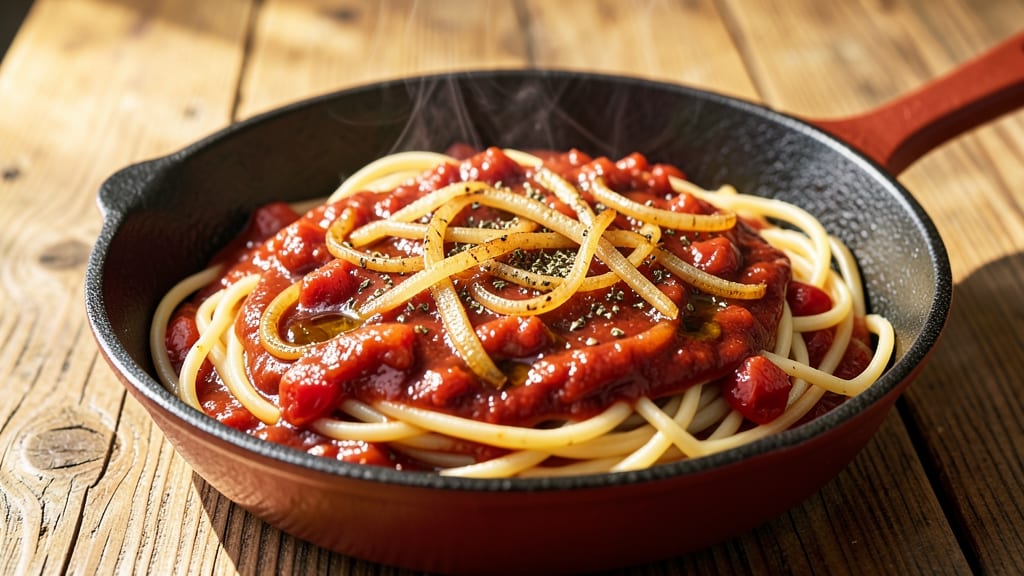
Alton Brown’s spaghetti sauce delivers the kind of deep, complex flavor that transforms simple pasta into a restaurant-worthy meal. This slow-simmered tomato sauce builds layers of umami through careful technique—no shortcuts, just rich, balanced taste that lingers long after the last bite.
The secret lies in patience: letting aromatics caramelize, tomatoes break down, and spices meld into a cohesive, velvety sauce that’s meatless but impossibly satisfying.
What sets this recipe apart is Alton’s signature approach—no blender required, just a pot, time, and a few key ingredients that work in harmony.
Olive oil jump-starts the flavors, garlic and onions build depth, and crushed tomatoes provide the backbone, while herbs and spices (like oregano and basil) elevate it to something extraordinary. The result? A sauce so versatile it works with any pasta but feels like a labor of love.
By the time you twirl that first forkful, you’ll taste the difference: no artificial aftertaste, just authentic tomato sweetness, a touch of acidity, and a savory richness that clings to every strand of al dente pasta.
This isn’t just sauce—it’s the foundation of a complete meal, ready to pair with crusty bread, grilled chicken, or even a sprinkle of parmesan for extra indulgence.
Perfect for weeknight dinners or meal prep, this sauce keeps its depth even after reheating. The technique is foolproof, the ingredients are simple, and the results are restaurant-quality—all while staying true to Alton’s philosophy of flavor-first cooking. Let’s get started.
Ingredients for alton brown spaghetti sauce
Sixteen ingredients transform into restaurant-quality spaghetti sauce through slow simmering and umami-building techniques.
| Ingredient | Amount | Notes |
|---|---|---|
| Extra-Virgin Olive Oil 🫒 | ½ cup | High-quality, fruity variety preferred |
| Yellow Onion 🧅 | 1 whole | Medium size, finely diced |
| Garlic Cloves 🧄 | 4 cloves | Peeled, minced for depth |
| Crushed Tomatoes 🍅 | 28 oz | San Marzano preferred for sweetness |
| Tomato Paste 🍅 | 1 tbsp | High-quality, no sugar added |
| Dried Oregano 🌿 | 1 tbsp | Mediterranean variety for authenticity |
| Dried Basil 🌿 | 1 tbsp | Or 0.25 cup fresh basil leaves |
| Red Wine 🍷 | ½ cup | Bold, dry variety like Cabernet |
| Vegetable Broth 💧 | 1 cup | Low-sodium preferred for balance |
| Kosher Salt 🧂 | 1 ½ tsp | Diamond Crystal preferred |
| Black Pepper 🌶️ | ½ tsp | Freshly cracked for brightness |
| Red Pepper Flakes 🌶️ | ¼ tsp | Optional, for subtle heat |
| Bay Leaves 🌿 | 2 whole | Removed before serving |
| Granulated Sugar 🍚 | 1 tsp | Balances acidity naturally |
The foundation starts with San Marzano crushed tomatoes—their natural sweetness and low acidity are non-negotiable for authentic depth. Whole Foods or Trader Joe's carry these reliably, though any high-quality canned tomatoes work in a pinch. Fresh garlic and onions should be vibrant and firm—no wilted aromatics here. The olive oil matters too: California avocado or Italian varieties provide the fruity notes that elevate the sauce. For the red wine, any bold, dry variety (Cabernet Sauvignon, Merlot) will contribute depth, but avoid sweet dessert wines. Bay leaves infuse subtle earthiness, so use fresh ones if possible—they're worth the small splurge at specialty markets.
No San Marzano tomatoes? Crushed Roma tomatoes are the next best option, though they may need a pinch more sugar to balance acidity. Dried herbs can be swapped for fresh at a 1:3 ratio (1 tsp dried = 3 tbsp fresh), but fresh basil and oregano add complexity that dried simply can't replicate. The tomato paste is crucial for thickening and concentrating flavor—avoid the sugary varieties found in some supermarket brands. For the wine, dry vermouth or even extra vegetable broth can stand in if absolutely necessary, though the flavor will shift slightly. Red pepper flakes are optional but recommended for a subtle heat that lingers; omit entirely if you prefer a purely sweet-savory profile.
This sauce develops deeper flavor with time, so plan to simmer for at least 45 minutes—the longer it cooks, the more complex the taste. Store in glass jars in the refrigerator for up to 5 days or freeze for 3 months. The sauce thickens as it cools, so a splash of broth or water can restore consistency when reheating. For meal prep, portion into single-serving containers—each serving pairs perfectly with al dente pasta and a sprinkle of freshly grated Parmesan (though the sauce itself is vegetarian). The bay leaves should be removed before serving, but the rest of the ingredients hold up beautifully to reheating, making this an ideal make-ahead sauce for busy weeknights.
Why You'll Love This Recipe
- 20-Minute Start: I swear by the slow-simmered tomato paste base—it deepens the flavor without babysitting the pot. Just chop, sauté, and let it work its magic while you toss a salad or set the table.
- Umami Bomb: That crushed tomato and garlic combo? It’s the secret weapon. The olive oil caramelizes the onion until it’s sweet and sticky, then the garlic hits like a flavor grenade—rich, layered, and impossible to resist.
- Weeknight & Potluck: Same sauce, endless uses. Slap it over pasta for a quick dinner, use it as a pizza topping, or pack it in jars for lazy Sundays. My college kids devour it straight from the pot with crusty bread—no judgment here.
- Budget Magic: A single jar of crushed tomatoes and a can of paste stretch into days of meals. I make a double batch, freeze half, and still have leftovers for lunch. Zero waste, maximum flavor for pennies.
Step-by-step instructions for Alton brown's slow-simmered tomato sauce
This method builds rich umami through controlled heat and proper technique.
Sauté Aromatics Until Fragrant
Heat the 0.5 cup extra-virgin olive oil in a heavy-bottomed Dutch oven over medium-low heat. Add the 1 whole yellow onion, cut into ¼-inch dice, and cook for 8-10 minutes until softened and translucent. The onions should release their moisture and begin to caramelize slightly at the edges.
Lower the heat to medium and add the 4 cloves minced garlic. Cook for 30 seconds until the garlic becomes aromatic but doesn't brown. This step develops the sauce's foundational flavors—don't rush it. If the garlic darkens too quickly, reduce the heat immediately to prevent bitterness.
Build the Sauce Base
Stir in the 1 tbsp tomato paste and cook for 2 minutes until it darkens slightly and releases its concentrated flavor. This creates a deeper, more complex sauce foundation. Add the 28 oz crushed tomatoes, 1 cup vegetable broth, 0.5 cup red wine, 1.5 tsp kosher salt, 0.5 tsp black pepper, 0.25 tsp red pepper flakes, and 2 whole bay leaves. Stir well to combine.
Bring the mixture to a gentle simmer over medium heat, then reduce to low. Here's the key: maintain a barely perceptible bubble at the surface. This slow simmer prevents scorching while allowing the flavors to meld. If the sauce bubbles vigorously, reduce the heat immediately—you want gentle, even cooking.
Simmer and Develop Flavor
Partially cover the Dutch oven with a lid and let the sauce simmer for 45-60 minutes. Stir occasionally to prevent sticking. The sauce should reduce slightly, becoming thicker and more concentrated. The 1 tsp granulated sugar will help balance the acidity of the tomatoes as it simmers.
After 30 minutes, taste the sauce. It should be developing depth, but still need time to fully integrate. If it's too acidic, add a pinch more sugar. If it needs more salt, adjust gradually—you can always add more, but you can't remove excess salt. The dried oregano and dried basil will infuse slowly during this time, adding their earthy notes.
Finish and Adjust
Once the sauce has simmered for 45-60 minutes, remove the 2 bay leaves and discard them. Taste the sauce again and make final adjustments: more salt if needed, or a splash of red wine if it's too thick. The texture should coat the back of a spoon but still be fluid enough to cling to pasta.
For best results, let the sauce rest for 10-15 minutes off the heat before serving. This allows the flavors to fully settle and the sauce to reach its ideal consistency. The slow simmer and proper technique ensure a sauce that's rich, balanced, and full of umami—without any meat. Serve immediately over al dente spaghetti with a sprinkle of fresh basil if desired.
Pro Tips For Making Alton Brown Spaghetti Sauce
- SWEAT THE ONIONS LOW: I learned this the hard way—when you see the onions turning translucent and sweet, they’re ready. If they brown too fast, you’ll end up with bitter bits instead of that rich, caramelized base. Keep the heat at a steady simmer, not a sizzle, and stir often.
- TOAST THE PASTE: That tomato paste isn’t just there to thicken—it’s the flavor anchor. Cook it in the olive oil for 3-4 minutes until it darkens slightly and smells like a sun-drenched Italian kitchen. Skimp here, and your sauce will taste flat, no matter how much garlic you add.
- CRUSH GARLIC FINE: Whole cloves? Nope. For this sauce, you want minced garlic—no bigger than a grain of rice. That way, it blends seamlessly into the sauce instead of leaving chewy chunks. A garlic press works, but a knife gives you more control (and less mess).
- STIR THE TOMATOES GENTLY: Dumping in crushed tomatoes and stirring aggressively can turn your sauce into a gloppy mess. Instead, pour them in slowly while stirring just enough to incorporate, then let the heat do the work. This keeps the texture smooth and prevents a watery finish.
Make-ahead tips for alton brown spaghetti sauce
Prep Ahead Strategy
Make this sauce a day ahead for maximum flavor development—it tastes even better after resting. Let it cool completely, then transfer to glass jars with airtight lids. Store in the refrigerator for up to 5 days, or freeze for 3 months in airtight containers.
The longer it sits, the more the flavors meld together, creating that restaurant-quality depth. 💫
Portioning for Meals
Divide the sauce into single-serving portions before storing to make weeknight dinners effortless. Each 1-cup serving pairs perfectly with 2 oz of cooked spaghetti—just reheat gently on the stovetop with a splash of water or broth.
I like to keep a jar in the fridge for quick assembly, especially when I'm short on time but still want that homemade taste.
Freezing for Later
For long-term storage, freeze the sauce in quart-sized freezer bags or glass containers. Leave 1-inch headspace to prevent expansion cracks. When ready to use, thaw overnight in the refrigerator, then reheat on the stovetop over low heat for 10-15 minutes, stirring occasionally.
The texture may thicken slightly after freezing, so add a splash of broth if needed. 🧊
Pasta Pairing Prep
Cook your pasta separately and store it in a lightly oiled container to prevent sticking. Reheat pasta in boiling water for 30 seconds before tossing with the sauce. I keep a batch of al dente spaghetti pre-cooked and frozen—just toss it with reheated sauce for an instant meal.
For extra convenience, freeze sauce and pasta together in single-serving containers.
Flavor Boost Before Serving
Brighten up reheated sauce with a splash of red wine or a pinch of fresh basil right before serving. I also like to finish with a drizzle of high-quality olive oil and a sprinkle of Parmesan cheese for added richness.
These final touches make the sauce feel fresh and restaurant-worthy, even after reheating. ✨
Batch Cooking Tips
Double the recipe and freeze half for future meals—this sauce is perfect for meal prep. Label containers with the date and reheating instructions. When you're ready to use it, simply thaw and reheat as directed.
The sauce maintains its depth and flavor beautifully, making it ideal for busy schedules or when you want to treat yourself to homemade pasta night. 🍝
Nutrition facts
Frequently asked questions
Can I make this sauce without red wine?
Replace the 0.5 cup red wine with 0.5 cup extra vegetable broth or even a splash of balsamic vinegar (2 tbsp) for acidity. The wine adds depth, but the sauce will still be delicious. For a non-alcoholic option, dry vermouth works too—just use the same amount. The key is maintaining the sauce's balance of acidity and richness.
How do I prevent the sauce from getting too thick?
If your sauce thickens too much during simmering, simply stir in 1-2 tablespoons of water or broth to loosen it. The sauce will continue to thicken as it cools, so it's better to err on the thinner side while cooking. For extra insurance, keep a small bowl of water nearby to adjust consistency as needed. The goal is a sauce that coats the back of a spoon but still clings beautifully to pasta.
What's the best pasta to serve with this sauce?
Alton Brown's rich, slow-simmered sauce pairs perfectly with al dente spaghetti, but it also works wonderfully with linguine, fettuccine, or even rigatoni. For a heartier meal, try pappardelle or tagliatelle. The wider noodles hold up better to the sauce's depth, while thinner strands like angel hair would get overwhelmed. Cook pasta 1 minute less than package instructions for the best texture.
Can I add meat to this vegetarian sauce? Yes! For a meat version, brown ½ pound Italian sausage or ground beef in the Dutch oven before adding onions. Drain excess fat, then proceed with the recipe as written. For extra depth, use pancetta or guanciale instead of sausage. The meat will infuse the sauce with savory notes while keeping the dish balanced. Just
Why does my sauce taste bland after reheating?
This usually happens when the sauce sits too long uncovered or lacks proper acidity. To fix it, stir in 1 teaspoon of balsamic vinegar or lemon juice and a pinch of sugar to rebalance flavors. For future batches, always store the sauce in airtight containers and reheat gently over low heat with a splash of broth. The slow simmer develops complex flavors that reheating can mute—adding acidity helps restore that bright, restaurant-quality taste.