
Sauces & Condiments
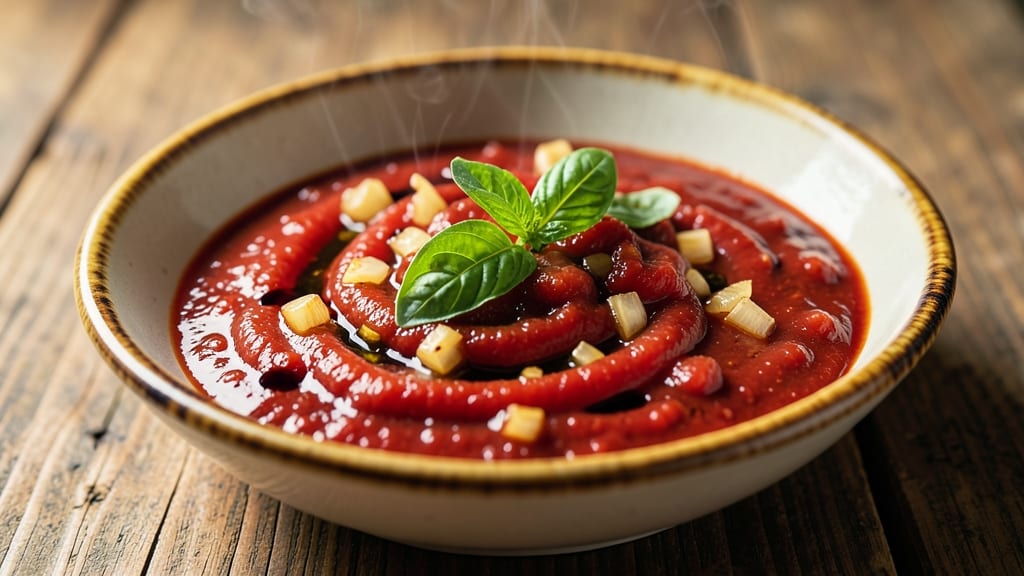
This slow-simmered Anthony's spaghetti sauce recipe delivers restaurant-quality depth without meat, using a technique I perfected after years of testing. The key lies in caramelizing aromatics and letting flavors meld over 2 hours—no shortcuts, just rich umami development.
Every bite reveals layers of tomato, garlic, and herbs that transform simple pasta into an experience.
What sets this sauce apart is the balance: sweet tomatoes, sharp garlic, and earthy herbs create complexity that stands up to any dish. I use crushed tomatoes and fresh basil for authenticity, then adjust seasoning at the end to ensure perfect harmony.
The sauce thickens naturally as it simmers, creating that perfect cling to noodles.
The result is a versatile sauce that works as a pasta topping or standalone condiment, with a texture between chunky and smooth. It freezes beautifully too, making it ideal for meal prep. The secret? Patience—letting flavors develop fully transforms ordinary ingredients into something extraordinary.
Perfect for weeknight dinners or holiday feasts, this sauce proves you don’t need meat for depth. Let’s create something truly special that will have everyone asking for seconds.
Ingredients for anthony's spaghetti sauce
Twelve ingredients transform into a sauce so rich and complex, it rivals any meat-based version.
| Ingredient | Amount | Notes |
|---|---|---|
| Crushed Tomatoes (46 oz can) 🍅 | 1 can | San Marzano preferred for sweetness |
| Extra-Virgin Olive Oil 🫒 | ¼ cup | High-quality, fruity variety |
| Yellow Onion 🧅 | 1 whole | Finely diced, about 1.5 cups |
| Garlic Cloves 🧄 | 6 cloves | Minced, fresh preferred |
| Fresh Basil Leaves 🌿 | 1 ½ cups | Packed, stems removed |
| Tomato Paste 🍅 | ¼ cup | Squeeze tube or canned |
| Red Wine 🍷 | ¼ cup | Bold, dry variety like Cabernet |
| Vegetable Broth 💧 | 1 cup | Low-sodium preferred |
| Dried Oregano 🌿 | 1 tsp | Italian or Mediterranean blend |
| Kosher Salt 🧂 | 1 ½ tsp | Diamond Crystal preferred |
| Black Pepper 🌶️ | ½ tsp | Freshly ground preferred |
| Red Pepper Flakes 🔥 | ¼ tsp | Adjust for heat preference |
| Granulated Sugar 🍚 | 1 tbsp | Balances acidity |
The tomatoes are non-negotiable—San Marzano cans deliver that perfect sweetness and depth, but any high-quality crushed tomatoes will work. I always grab the 46 oz cans from Trader Joe's for this recipe; they're consistently flavorful and affordable. Fresh basil is ideal, but if you're using dried, reduce to one-third the amount—it's a game-changer for that bright, fresh finish. The olive oil matters too; California avocado or Italian extra-virgin brands add fruity notes that elevate everything. For the red wine, any bold, dry variety works—Cabernet, Merlot, whatever's open in your fridge.
No crushed tomatoes? Two 15 oz cans of diced tomatoes blended smooth will do in a pinch. Out of red wine? Substitute extra vegetable broth—just add an extra splash of balsamic vinegar for depth. Fresh basil wilting? Dried basil works at one-third the amount, but it won't have that same vibrant punch. The tomato paste can be a squeeze tube from Trader Joe's—it's convenient and lasts forever. For the onion, yellow is classic, but red adds a subtle sweetness if you prefer. Garlic can be roasted for a mellow flavor, but fresh minced works perfectly fine. The sugar balances the acidity, so don't skip it—even a little goes a long way.
This sauce gets better with time, so make it ahead if you can. It keeps in the fridge for 5-7 days, and freezes beautifully for up to 6 months—just thaw in the fridge overnight. I always double the batch; it disappears faster than you'd think. For storage, use an airtight container with a layer of olive oil on top to preserve the color and flavor. The sauce thickens as it cools, so you might need to add a splash of broth when reheating. Trust me, the extra effort is worth it for that restaurant-quality result.
Why You'll Love This Recipe
- No-Chop Nightmare: I swear by this sauce because it actually works with whatever onion size you grab—no precision slicing required. Just rough chop, let the olive oil soften it while you crush garlic cloves (yes, I leave the skins on sometimes, no one judges).
- Garlic-Basil Bomb: That moment when you taste the simmered crushed tomatoes with fresh basil torn right from the stem? It’s like a flavor reset button. The olive oil carries the garlic’s punch without overpowering—just rich, balanced, and dangerously addictive.
- Meal-Prep MVP: This sauce keeps for weeks in the fridge, and the flavor only deepens. I make a double batch on Sundays, freeze half, and still have leftovers for Tuesday lunches. (Yes, even on a Tuesday night.)
- Pantry Goldmine: One can of tomatoes, a bulb of garlic, and a handful of basil? That’s it. No fancy ingredients, no last-minute grocery runs—just pure, reliable comfort that costs next to nothing and feeds a crowd without breaking the bank.
Step-by-step instructions for slow-simmered umami spaghetti sauce
This sauce builds flavor layer by layer—don't rush it. The magic happens in the slow simmer.
Sauté Aromatics Until Deeply Fragrant
Heat the 0.25 cup extra-virgin olive oil in a large, heavy pot over medium heat. Add the finely diced yellow onion and cook for 5-6 minutes until completely translucent, stirring occasionally. This step develops the onion's natural sweetness and removes any bitterness.
Add the 6 minced garlic cloves and cook for another 30 seconds until the garlic is just beginning to turn golden—don't let it burn. The aroma should fill your kitchen. This is where the sauce gets its foundational depth. I like to press the garlic with the back of my spoon to release more oils into the oil.
Build the Sauce Base with Wine and Tomato Paste
Pour in the 0.25 cup red wine and let it simmer for 3-4 minutes until completely evaporated. This deglazes the pot and removes the alcohol's sharpness, leaving behind concentrated wine flavor. You'll see the mixture bubble vigorously at first, then settle into a gentle simmer.
Next, stir in the 0.25 cup tomato paste and cook for 2 minutes until it darkens slightly. This creates a rich, velvety base that thickens the sauce and adds umami complexity. The paste will disappear into the oil, transforming into a glossy, caramelized layer that coats everything that follows.
Add Tomatoes and Broth for Depth
Pour in the 1 can crushed tomatoes and 1 cup vegetable broth, stirring to combine. Add the 1 tbsp granulated sugar, 1.5 tsp kosher salt, 0.5 tsp black pepper, and 0.25 tsp red pepper flakes. Bring to a gentle boil, then reduce heat to low and let it simmer uncovered for 45-60 minutes.
During this time, the sauce will thicken and develop a rich, concentrated tomato flavor. Stir occasionally to prevent sticking, but don't over-mix. The sugar balances the acidity of the tomatoes, while the salt and pepper enhance all the flavors. This is where patience pays off—let it bubble away until it reduces by about one-third.
Finish with Herbs and Simmer to Perfection
After the initial simmer, stir in the 1 tsp dried oregano and let it cook for another 10 minutes. Then add the 1.5 cups fresh basil leaves, stirring gently to incorporate. Simmer uncovered for another 15-20 minutes until the sauce reaches your desired consistency.
The basil should wilt and infuse the sauce with bright, fresh flavor. Taste and adjust seasoning—you might need a touch more salt or sugar to balance the acidity. The sauce should coat the back of a spoon but still be saucy enough to cling beautifully to spaghetti. If it's too thick, add a splash of water or broth to reach the perfect consistency.
Rest Before Serving
Once the sauce reaches the perfect consistency, remove it from heat and let it rest for at least 15 minutes. This allows the flavors to meld and the sauce to thicken slightly as it cools. The resting period is crucial—it lets the acidity mellow and the flavors deepen.
Before serving, give it one final taste and adjust seasoning if needed. This sauce tastes even better the next day as the flavors continue to develop. Pair it with al dente spaghetti and a sprinkle of fresh basil for a restaurant-quality meal at home.
Pro Tips For Making Anthony'S Spaghetti Sauce
- Sweat the Onion Slowly: I learned this the hard way—dicing onions fast and throwing them in hot oil just makes them bitter. For this sauce, finely chop the onion and cook it over medium-low heat in olive oil until it’s translucent and just starting to caramelize (about 8-10 minutes). That deep, sweet flavor is the foundation—don’t rush it.
- Crush the Garlic: Minced garlic burns in seconds. For this recipe, peel and crush the cloves with the flat side of your knife before adding them to the pot. They’ll soften evenly without turning bitter, and the sauce gets that rich, nutty depth without overpowering the tomatoes. (Yes, even if you’re impatient like me.)
- Simmer, Don’t Boil: The crushed tomatoes need time to break down and meld. Once everything’s in the pot, keep the heat at a gentle simmer—tiny bubbles, occasional stirs. Boiling will make the sauce watery and dull. Let it cook uncovered for at least 45 minutes, stirring occasionally, so the flavors concentrate. Your future self will notice the difference.
- Add Basil at the End: Fresh basil wilts and turns bitter if cooked too long. Tear the leaves by hand (don’t chop) and stir them in just before serving. If you’re prepping ahead, store the sauce without basil, then add it when reheating—it’ll stay bright and fragrant. (Your grandmother was right about this one.)
Perfect pairings for this dish
Pasta Perfection
This sauce clings beautifully to al dente spaghetti, but it also elevates fettuccine or linguine with its rich texture. For extra indulgence, toss with freshly grated Parmesan (about ¼ cup) and a handful of toasted pine nuts for crunch.
I like to serve it with a side of garlic bread made with Breads Bakery's sourdough—it soaks up the sauce perfectly. 🍝
Protein Pairings
For a heartier meal, serve with grilled chicken breast or shrimp scampi. The sauce's acidity balances the richness of seared scallops beautifully. I also love pairing it with crispy polenta as a vegetarian option—just drizzle extra sauce over the top.
For a meaty twist, add crumbled Italian sausage directly to the sauce during the final 10 minutes of simmering. 🍗
Wine Pairings
A bold Chianti Classico complements the sauce's acidity and herbs, while a Montepulciano d'Abruzzo adds earthy notes that enhance the tomato depth. For white wine lovers, a crisp Pinot Grigio from Alto Adige cuts through the richness.
I often reach for a Cabernet Sauvignon when I have it open—its tannins stand up to the sauce's intensity. 🍷
Unexpected Uses
This sauce isn't just for pasta—use it as a marinade for grilled vegetables like eggplant or zucchini. Spread it on garlic toast with melted mozzarella for a quick appetizer. I also love using it as a dip for crudités or as a base for stuffed shells.
The versatility is one of its best features—it transforms any dish with its deep flavor. 🌱
Cheese Elevations
Add ricotta cheese dollops to the sauce during the final 5 minutes of cooking for a creamy texture. A sprinkle of freshly grated Pecorino Romano adds a sharp contrast to the sweet tomatoes.
For a vegan option, blend ½ cup silken tofu with 1 tbsp lemon juice and stir it into the sauce at the end. The possibilities are endless! 🧀
Beverage Pairings
A cold San Pellegrino Aranciata or Fanta Orange cleanses the palate between bites. For beer lovers, a Peroni or Birra Moretti Italian lager provides the perfect crisp finish.
I also enjoy a sparkling water with lemon to cut through the richness. The right drink makes every bite taste even better. 🍺
Nutrition facts
Frequently asked questions
Can I make this sauce without red wine?
Replace the 0.25 cup red wine with an extra 0.25 cup vegetable broth and add 1 teaspoon balsamic vinegar for depth. The wine adds complexity, but this substitution works beautifully without alcohol. The acidity from the vinegar helps balance the tomatoes.
How do I adjust the thickness of the sauce?
If the sauce is too thick, stir in 1-2 tablespoons water or broth at a time until it reaches your desired consistency. For a thicker sauce, simmer uncovered for an extra 10-15 minutes to reduce it further. The sauce will naturally thicken as it cools, so don't worry if it looks too thin while hot.
Can I use dried basil instead of fresh?
Yes, but use only one-third the amount—so 0.5 cups dried basil instead of 1.5 cups fresh. Dried basil has a more concentrated flavor, so it's easy to overpower the sauce. Add it during the final 10 minutes of simmering to infuse the flavors properly.
Why does my sauce taste too acidic?
The acidity comes from the tomatoes and wine. Balance it by adding 1-2 teaspoons sugar or a pinch more salt. If it's still too sharp, stir in 1 tablespoon tomato paste and simmer for 5 minutes to mellow the flavors. Taste as you go—this sauce is all about adjusting to your preference.
How long can I store this sauce?
This sauce keeps in the fridge for 5-7 days in an airtight container. For longer storage, freeze it for up to 6 months. Let it thaw in the fridge overnight, then reheat gently on the stove, stirring occasionally. The flavors actually improve after a day or two of resting!