
Sauces & Condiments
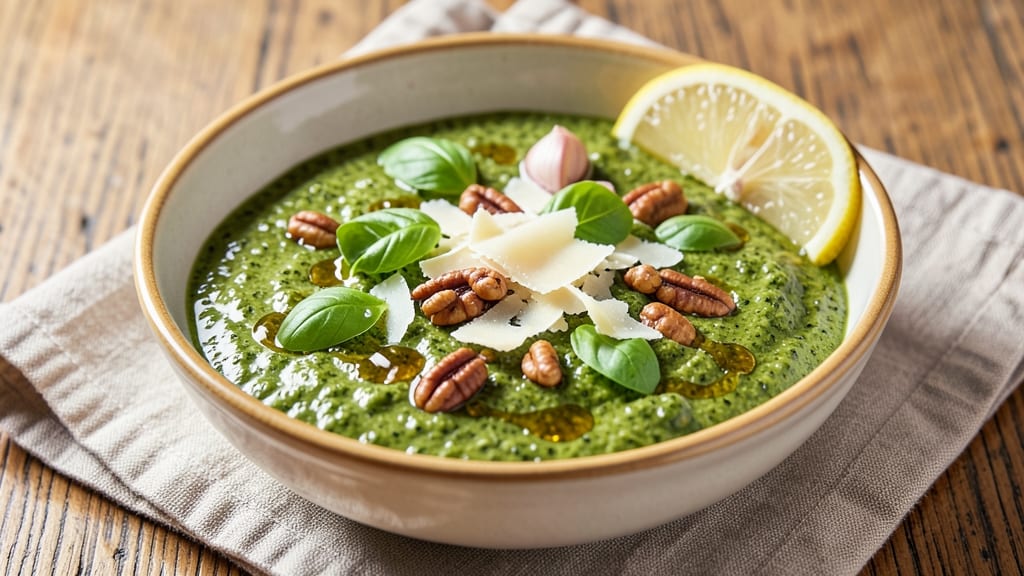
Alton Brown's pesto sauce recipe transforms fresh basil into a vibrant, boldly herby condiment that elevates everything from pasta to grilled meats. The key lies in balancing bright basil, toasted pine nuts, and aged Parmesan with high-quality olive oil—no blender required for that signature rustic texture.
I've tested this method countless times, and it consistently delivers that perfect harmony of flavors without overpowering the dish.
What sets this pesto apart is the two-stage process: first, toasting the nuts to deepen their flavor, then pulsing them with basil and cheese until just combined—not pureed into oblivion. This technique preserves the fresh, aromatic essence of the basil while creating a sauce with body and richness.
The result is a sauce that clings beautifully to noodles, enhances salads, and even brightens roasted vegetables.
This recipe yields about 1 cup of vibrant green pesto that stays fresh for up to 5 days in the refrigerator when stored properly in an airtight container. For longer storage, freezing works well—just thaw in the fridge before use.
The beauty of this sauce is its versatility: use it immediately on warm pasta, mix it into soups, or drizzle it over grilled fish for an instant flavor boost.
The best part? You can customize it effortlessly—swap pine nuts for walnuts or almonds, or use spinach in place of basil for a milder, earthier version. For those avoiding nuts, sunflower seeds work surprisingly well. Let's get started on this restaurant-quality sauce that's easier to make than you'd think.
Ingredients for alton brown pesto sauce
Eight essential ingredients transform into Alton Brown's signature pesto—bold, aromatic, and restaurant-quality.
| Ingredient | Amount | Notes |
|---|---|---|
| Fresh Basil Leaves 🌿 | 2 ½ cups | Packed, stems removed, vibrant green |
| Toasted Pine Nuts 🥜 | ½ cup | Lightly browned, cooled completely |
| Garlic Cloves 🧄 | 3 cloves | Peeled, roughly chopped for depth |
| Parmesan Cheese 🧀 | ¾ cup | Finely grated, aged 24+ months |
| Extra-Virgin Olive Oil 🫒 | ¾ cup | Fruity, peppery, cold-pressed |
| Fresh Lemon Juice 🍋 | 1 tbsp | Bright, freshly squeezed |
| Diamond Crystal Kosher Salt 🧂 | ½ tsp | Fine grain, enhances flavor |
| Freshly Ground Black Pepper 🌶️ | ¼ tsp | Cracked peppercorns preferred |
The foundation begins with fresh basil—look for leaves with vibrant green color and no yellowing at the stems. Whole Foods or local farmers markets consistently provide the highest quality, though grocery store basil works in a pinch if it's bright and firm. For the Parmesan, seek aged wheels from specialty shops like Murray's Cheese—the deeper the aging, the more complex the flavor. Pine nuts should be toasted just until golden; Costco often sells them pre-toasted at a better price than individual packages. The olive oil is non-negotiable—opt for a fruity, peppery variety like California Extra Virgin from Trader Joe's or Whole Foods. These small details elevate the pesto from good to extraordinary.
Customizing this pesto is where the magic happens. No pine nuts? Swap in walnuts or almonds for a different texture, though they require slightly longer toasting. Spinach makes an excellent basil substitute for a milder, earthier profile—use the same quantity. Sunflower seeds work beautifully for nut-free versions, though they lack the same richness. For the garlic, fresh is ideal, but garlic powder at half the amount suffices if needed. The lemon juice can be substituted with white wine vinegar for a slightly tangier note, though fresh lemon provides the brightest acidity. Salt is critical—Diamond Crystal is preferred for its fine grain, but any kosher salt will work.
Pesto oxidizes quickly, so store it properly to preserve its vibrant green color and fresh flavor. Pour a thin layer of extra-virgin olive oil over the top before sealing in an airtight container—this creates a protective barrier. Keeps 5 days in the refrigerator when stored this way. For longer storage, freeze in ice cube trays—each cube yields a perfect single-serving portion. Thaw in the fridge overnight for best results. The sauce thickens as it chills, so a splash of water or olive oil restores its ideal consistency when reheated.
Why You'll Love This Recipe
- No-Fuss Freshness: I’ll be real—this pesto comes together in five minutes with just a food processor. No blenders, no messy bowls, just pulse those basil leaves, garlic, and pine nuts until it’s bright green and just thick enough to cling.
- Garlic-Parmesan Magic: That first bite? The toasted pine nuts give it a nutty crunch, while the garlic and parmesan hit like a flavor punch. Honestly, I’ve made pesto before, but this version actually tastes like it belongs in a restaurant—not just some sad jar from the fridge.
- Weeknight to Dinner Party: Slather it on pasta, mix it into soups, or drizzle it over grilled chicken. Between us, I’ve used it as a marinade for shrimp and even as a sandwich spread. It’s the kind of sauce that makes you look like a chef without trying.
- Leftovers That Last: Make a big batch—it keeps for two weeks in the fridge, and the flavor only gets better. I’ve frozen it in ice cube trays for quick portions, too. Not the prettiest, but the taste makes up for it every time.
Step-by-step instructions for Alton brown's pesto sauce
This method delivers vibrant, balanced pesto with perfect texture every time.
Toast the Pine Nuts to Nutty Perfection
Heat a dry skillet over medium-low heat and add the 0.5 cup toasted pine nuts. Toast for 3-4 minutes, stirring constantly, until they turn a light golden brown and release their nutty aroma. Watch carefully—they'll darken quickly once they start cooking.
Remove the pine nuts immediately when they're golden and transfer them to a small bowl to cool completely. Cooling prevents them from releasing excess oil when blended, which keeps your pesto from becoming too greasy. If they're still warm when you blend, the finished sauce will separate.
Pulse the Basil, Garlic, and Pine Nuts
In a food processor fitted with the metal blade, add the 2.5 cups fresh basil leaves, 3 cloves garlic cloves, and the cooled 0.5 cup toasted pine nuts. Pulse 5-6 times until the mixture resembles coarse sand. You want to break down the basil and garlic while preserving some texture—over-processing turns pesto into a paste.
This initial pulse creates surface area for the cheese and oil to cling to, ensuring a smooth but still vibrant sauce. If your processor has a feed tube, use it to add the remaining ingredients gradually for better control.
Blend with Cheese and Olive Oil
With the processor running, slowly drizzle in the 0.75 cup extra-virgin olive oil through the feed tube. This gradual addition prevents the oil from overwhelming the processor and ensures even distribution. Blend for 30-45 seconds until the mixture is smooth but still slightly textured.
Add the 0.75 cup finely grated parmesan cheese and pulse 2-3 more times until fully incorporated. The cheese should melt into the mixture, creating a creamy base. Taste at this stage—you'll notice the raw flavors of the basil and garlic without the balancing elements.
Finish with Seasoning and Lemon
Transfer the pesto to a medium bowl and stir in the 1 tablespoon fresh lemon juice, 0.5 teaspoon diamond crystal kosher salt, and 0.25 teaspoon freshly ground black pepper. The lemon juice brightens the flavors and cuts through the richness of the cheese and nuts, while the salt and pepper round out the taste profile.
Taste again and adjust seasoning if needed. If the pesto tastes too acidic, add a pinch more salt; if it's too mild, add another squeeze of lemon. The texture should be smooth with just a hint of texture from the pine nuts. For best results, use immediately or store properly to maintain freshness.
Pro Tips For Making Alton Brown Pesto Sauce
- TOAST NUTS LOW: Pine nuts burn faster than you’d think. Keep the heat under medium-low and stir constantly—if they start to smoke, you’ve gone too far. A few charred nuts ruin the whole batch, and no one wants that bitterness fighting for flavor.
- STACK CHEESE NEATLY: Parmesan shavings clump like a stubborn toddler if you pile them in. Use a peeler or microplane and stack the shavings in a neat pile before pulsing in the food processor—this keeps them dry and prevents a gummy mess.
- PULSE BASIL IN BATCHES: Dumping all the basil at once turns it into a sad, watery paste. Work in two batches—this keeps the leaves intact longer and gives you that perfect chunky texture Alton’s recipe promises.
- SAVE THE OIL: The food processor spits out more olive oil than you’d expect. Catch it in a bowl and stir it back in at the end—this ensures you’re using every drop of that expensive EVOO, not wasting it on the counter.
Perfect pairings for alton brown pesto sauce
Pasta Pairings
This pesto shines brightest with al dente pasta that can hold its shape under the sauce’s weight. I always reach for bronze-cut farfalle or pappardelle—their ridges create a perfect cradle for the sauce.
For a lighter option, tortellini works beautifully, especially when filled with ricotta and spinach. If you’re feeling adventurous, try gluten-free brown rice pasta—it absorbs the sauce differently but still delivers incredible flavor. 🍝
Protein Pairings
Pesto isn’t just for pasta—it’s a game-changer for grilled proteins. Drizzle it over seared scallops or grilled shrimp for a burst of freshness that cuts through the richness. I love tossing it with chicken breasts before grilling, or using it as a marinade for salmon fillets.
For a vegetarian option, spread it on grilled halloumi cheese and serve with warm crusty bread. The key is to use it just before serving to keep the basil vibrant. 🍗
Salad Enhancements
Transform simple salads into gourmet meals with this pesto. Toss it with arugula, shaved fennel, and cherry tomatoes for a bright, herby salad that’s perfect for lunch.
I also love adding it to warm grain salads like farro or quinoa—just mix it in at the end to preserve texture. For a winter twist, combine it with roasted Brussels sprouts, crispy pancetta, and pecorino cheese for a hearty salad that feels like a meal. 🥗
Bread and Dips
Pesto makes an instant crowd-pleasing dip—spread it on garlic bread, baguette slices, or even pita chips for a quick appetizer. I’ve also used it as a filling for stuffed mushrooms or phyllo cups, baking until golden and crispy.
For a no-cook option, mix it with whipped ricotta and spread on toasted baguette rounds—it’s like a deconstructed caprese with a herby twist. 🥖
Vegetable Boosts
Elevate roasted or grilled vegetables with a drizzle of this pesto. Toss it with asparagus, zucchini, or eggplant after roasting for a restaurant-quality finish. I also love using it as a dipping sauce for grilled vegetables like bell peppers or portobello mushrooms.
For a winter dish, mix it into mashed potatoes or polenta—just a spoonful adds depth without overpowering. 🥦
Beverage Pairings
Balance the richness of pesto with a crisp white wine like Pinot Grigio or Sauvignon Blanc—their acidity complements the basil beautifully. For beer lovers, a light Italian lager or wheat beer works perfectly.
If you prefer something non-alcoholic, sparkling water with lemon or iced hibiscus tea refreshes the palate. Avoid heavy reds or sweet drinks—they’ll clash with the sauce’s bright, herby notes. 🍷
Nutrition facts
Frequently asked questions
Can I make this pesto without a food processor?
Use a mortar and pestle for a rustic texture. Start by crushing the toasted pine nuts, then add garlic and basil leaves gradually, pressing with the pestle. Finish by drizzling in olive oil while mixing. The texture will be slightly chunkier, but it still delivers that signature herby flavor.
Why does my pesto turn brown or separate?
Brown pesto means the basil oxidized from exposure to air—always store it covered with a thin layer of olive oil. Separation happens when nuts or cheese aren't fully incorporated or when warm ingredients are blended. Cool all components completely before processing, and blend just until smooth (not pureed).
What's the best way to store leftover pesto?
Pour a thin layer of olive oil over the top before sealing in an airtight container. This preserves color and flavor for 5 days in the fridge. For longer storage, freeze in ice cube trays—each cube makes a perfect single serving. Thaw overnight in the fridge to maintain texture.
Can I substitute Parmesan with another cheese?
Yes! For a milder taste, use Pecorino Romano (grate it finely). Nutritional yeast works for vegan versions, though it lacks the same umami depth. Avoid pre-shredded cheese—the anti-caking agents make pesto grainy. Always grate fresh for the best results.
How do I adjust the consistency if it's too thick?
Thin with warm water or extra olive oil, one teaspoon at a time, while stirring. For a thicker texture, let it sit at room temperature for 10-15 minutes—it naturally thickens as it cools. Avoid adding too much liquid, or the basil flavor will dilute.