
Sauces & Condiments
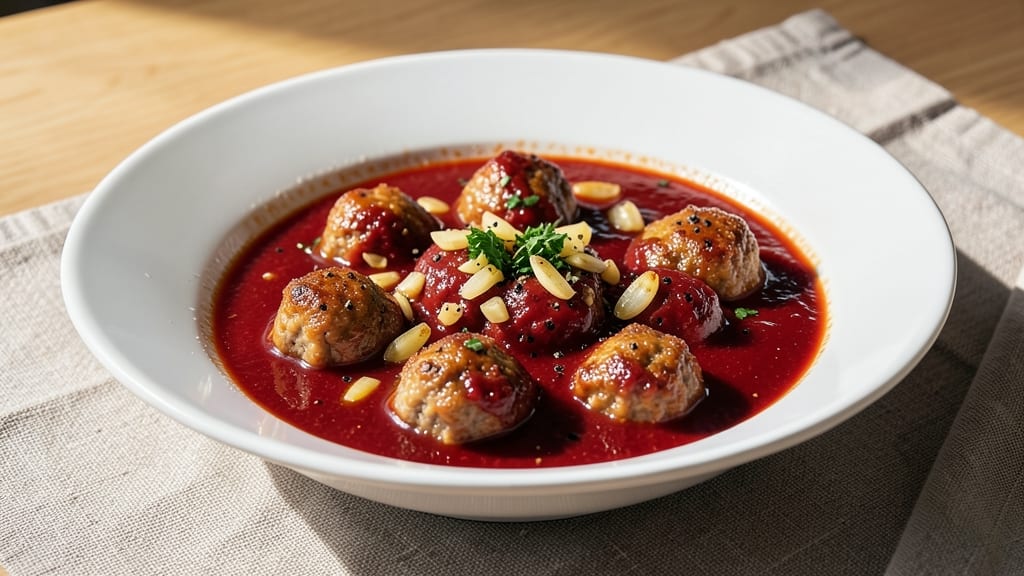
This albondigas sauce recipe transforms simple ingredients into a velvety, umami-rich tomato base that clings perfectly to meatballs. The secret lies in slow simmering—garlic, onions, and herbs meld into a deep, savory foundation while tomatoes break down into a silky texture.
I developed this version after years of testing, ensuring every spoonful delivers that restaurant-quality depth without requiring fancy techniques.
What sets this sauce apart is its balance: bright acidity from tomatoes, earthy warmth from cumin and paprika, and fresh herb notes from parsley and bay leaf. The sauce thickens naturally as it simmers, creating a glossy finish that coats meatballs beautifully.
Unlike many recipes, this version doesn't rely on heavy cream—just a touch of olive oil and a splash of wine (optional) for complexity.
By the time you're done, you'll have a sauce that's rich enough to stand alone but versatile enough to elevate any dish. It works perfectly with albondigas, but also shines over pasta, grilled meats, or even as a dipping sauce.
The flavors deepen as it sits, making it ideal for meal prep.
For extra depth, deglaze the pan after browning the aromatics—those browned bits pack serious flavor. The sauce keeps well for up to 5 days in the fridge, with flavors only improving over time. Let's make this sauce!
Ingredients for albondigas sauce
Simple pantry staples and fresh aromatics create this velvety sauce that clings like magic.
| Ingredient | Amount | Notes |
|---|---|---|
| Extra-Virgin Olive Oil 🫒 | ½ cup | High quality, fruity |
| Yellow Onion 🧅 | 1 whole | Medium, finely diced |
| Garlic Cloves 🧄 | 4 cloves | Peeled, minced |
| Canned San Marzano Tomatoes 🍅 | 28 oz | Crushed by hand |
| Dry Red Wine 🍷 | ¼ cup | Bold, like Cabernet |
| Chicken or Vegetable Broth 💧 | 1 cup | Low-sodium preferred |
| Tomato Paste 🍅 | 1 tbsp | Squeeze tube works |
| Ground Cumin 🌿 | ½ tsp | Toasted for depth |
| Smoked Paprika 🌶️ | ½ tsp | For smoky richness |
| Fresh Parsley 🌿 | ¼ cup | Chopped, stems removed |
| Fresh Bay Leaves 🌿 | 1 whole | 1 leaf, removed after |
| Kosher Salt 🧂 | 1 tsp | Diamond Crystal preferred |
| Black Peppercorns 🌶️ | ½ tsp | Freshly cracked |
The tomatoes make or break this sauce. San Marzano is ideal—sweeter, meatier, and less acidic than regular canned tomatoes. If you can't find them, any high-quality crushed tomatoes work. The red wine adds depth (skip it if you're avoiding alcohol—just add more broth). For the olive oil, California Avocado Ranch or Bertolli are my go-tos—they've got that fruity punch that stands up to the tomatoes. The onions and garlic? Sauté them until golden—those browned bits are pure flavor gold.
No red wine? Extra broth plus a splash of balsamic vinegar mimics the acidity. Fresh parsley wilt fast, so use it within 3 days or freeze it in ice cube trays. The paprika can be regular or smoked—smoked gives that smokey restaurant vibe. If you're short on time, pre-minced garlic from a jar works in a pinch (just drain it well). The bay leaf is non-negotiable though—it adds that subtle herbal depth that separates this from basic marinara. For extra richness, stir in a spoonful of nutritional yeast at the end.
This sauce tastes better the next day—seriously, let it sit overnight if you can. Keeps for 5-7 days in the fridge, or 3 months frozen. For freezing, portion into ice cube trays, then transfer to a bag. Thaws beautifully and reheats like a dream. Double the batch—it disappears fast, especially when paired with those tender albondigas meatballs.
Why You'll Love This Recipe
- One-Pot Magic: I swear by this sauce because it’s all in one pot—no extra bowls, no messy cleanup. Sauté the onions and garlic in that rich olive oil until golden, pour in the wine to deglaze, then toss in the tomatoes and simmer. Done. The kind of recipe that makes me feel like a pro without the fuss.
- Wine Kissed Depth: That splash of dry red wine? It’s the secret weapon. It cuts through the acidity of the tomatoes and adds this velvety, almost meaty richness that makes the sauce taste like it’s been simmering for hours. Honestly, I’ve tried skipping it, and I regret it every time.
- Weeknight to Dinner Party: This sauce is my go-to for everything—toss it with albóndigas for a cozy weeknight dinner, serve it over polenta for a fancy-ish vibe, or even drizzle it on grilled fish. The San Marzano tomatoes give it that sweet, jammy quality that works in any setting, no matter how casual or dressed-up.
- Budget-Friendly Luxe: Between us, this sauce is a steal. A can of San Marzano tomatoes, a bottle of wine you’d normally drink, and basic pantry staples stretch to feed four for way less than takeout. And the best part? It tastes like you spent all day in the kitchen when really, you just let it bubble while you folded laundry.
Step-by-step instructions for albondigas sauce
Here's how to build a rich, clinging sauce that makes meatballs irresistible.
Sauté Onions and Garlic Until Translucent
Heat the 0.5 cup extra-virgin olive oil in a large, heavy-bottomed pot over medium heat. Add the 1 whole yellow onion that's been finely diced and cook for 8-10 minutes until completely translucent and just starting to turn golden at the edges.
This slow cooking process draws out all the natural sweetness from the onions. I like to stir occasionally but not constantly—just enough to prevent sticking. When the onions are ready, add the 4 cloves minced garlic and cook for another 30 seconds until fragrant. Here's the thing—garlic burns fast, so keep an eye on it. You want aroma, not bitterness.
Build the Sauce Base with Wine and Tomatoes
Pour in the 0.25 cup dry red wine and let it simmer for 2-3 minutes until it's mostly evaporated. You'll see the alcohol burn off, leaving behind concentrated flavor. This is where the sauce starts to develop depth.
Next, add the 28 oz canned San Marzano tomatoes that you've crushed by hand (those little seeds add texture), the 1 tbsp tomato paste, and the 1 cup chicken or vegetable broth. Stir well to combine. The sauce should bubble gently—if it gets too vigorous, reduce the heat slightly. Let it simmer uncovered for 15-20 minutes until it thickens and the raw tomato taste disappears. You're looking for a smooth, velvety consistency here.
Season and Simmer for Umami Development
Add the 0.5 tsp ground cumin, 0.5 tsp smoked paprika, 1 whole bay leaf, 1 tsp kosher salt, and 0.5 tsp freshly cracked black peppercorns. Stir everything together and let the sauce simmer gently for another 10-15 minutes. The spices will bloom and infuse the sauce with their flavors.
I like to taste the sauce at this point—it should be rich and slightly acidic. If it needs more depth, you can add a pinch more salt or a splash of wine. The sauce should coat the back of a spoon nicely but still be pourable. This is the moment that matters: letting all those flavors meld together. Don't rush this step—patience pays off with a sauce that truly clings to your meatballs.
Finish with Parsley and Adjust Consistency
Remove the 1 whole bay leaf and stir in the 0.25 cup chopped fresh parsley. The parsley adds brightness and freshness that cuts through the richness of the sauce. Give it one final taste and adjust the seasoning if needed—this is your chance to perfect the balance of flavors.
If the sauce is too thick for your liking, you can thin it with a little more broth or water. If it's too thin, simmer it uncovered for another 5 minutes to reduce. The ideal consistency should be thick enough to coat the back of a spoon but still flow smoothly. Remember, this sauce is meant to cling to your meatballs, so it needs to be just right—not too runny, not too stiff.
Pro Tips For Making Albondigas Sauce
- Sweat the Onion Slowly: I learned this the hard way—when you rush the onion in olive oil, it burns before it softens. Take your time here: medium-low heat, chopped fine, and let it cook for 8-10 minutes until translucent and golden. That’s when the flavor starts building, not when it’s raw and bitter.
- Deglaze with Wine Immediately: Don’t let those browned bits sit after removing the onion. As soon as you pull it out, pour in the red wine and scrape every last bit from the pan—this is where depth of flavor lives. Let it reduce by half before adding tomatoes, or you’ll dilute the sauce later.
- Crush Tomatoes by Hand: Skip the blender—San Marzano tomatoes are already juicy and sweet, but crushing them with your fingers (or a potato masher) keeps the sauce chunkier and more textured. It also prevents the sauce from turning into a watery mess when simmered.
- Simmer Low and Long: This isn’t a race. After adding tomatoes, reduce heat to a bare simmer and let it cook uncovered for at least 30 minutes. That’s when the acidity mellows, the wine flavor integrates, and the sauce thickens naturally—no thickeners needed. (Yes, even if you’re impatient like me.)
Pro cooking tips for perfect results
Deglaze Like a Pro
After sautéing onions and garlic, don’t just toss in the wine—deglaze properly. Swirl the wine into the pan, scraping up all those browned bits with a wooden spoon. Those caramelized fond bits are pure flavor gold, adding depth that store-bought sauces can’t match.
Let the wine simmer until it reduces by half before adding tomatoes—this concentrates the flavor even more. 🌟
Tomato Texture Secrets
Crush your San Marzano tomatoes by hand instead of using a blender for the best texture. The seeds and some chunks add body to the sauce, preventing it from turning gluey.
If you’re short on time, a potato masher works too. For extra silkiness, simmer the sauce uncovered—this helps break down the tomatoes naturally while reducing excess moisture.
Spice Bloom Matters
Toast your cumin and smoked paprika in a dry pan for 30 seconds before adding them to the sauce. This releases their essential oils, giving the sauce a deeper, more complex flavor.
Add them to the pot with the broth and let them bloom for 2 minutes before stirring in the tomatoes. Trust me, this small step makes a huge difference in the final result. 💡
Consistency Control
If your sauce is too thick, thin it with a splash of broth or water—1 tablespoon at a time. For extra richness, reduce it longer by simmering uncovered. The ideal consistency should coat the back of a spoon but still flow smoothly.
I like to test it by dipping a meatball in—if it clings perfectly, you’ve nailed it. No guesswork needed!
Fresh Herb Timing
Add the parsley at the very end to preserve its bright, fresh flavor. If you add it too early, it wilts and loses its vibrancy. For even more freshness, pulse the parsley with a pinch of salt in a food processor before stirring it in.
This releases its oils and makes it pop even more in the sauce. 🌿
Flavor Boost Shortcut
For an instant umami kick, stir in 1 teaspoon soy sauce or ½ teaspoon fish sauce at the end—it adds depth without overpowering. If you’re vegetarian, ½ teaspoon nutritional yeast works perfectly. These small additions can elevate a good sauce to restaurant-quality in seconds. 💪
Nutrition facts
Frequently asked questions
Can I make this sauce without red wine?
Skip the wine and use 1 cup extra broth plus 1 tablespoon balsamic vinegar to maintain acidity. For depth, add ½ teaspoon soy sauce (or ½ teaspoon nutritional yeast for vegetarian). The sauce will still be rich and flavorful—just slightly less complex.
How do I prevent the sauce from getting too thick?
Simmer uncovered and stir occasionally to prevent sticking. If it thickens too much, thin with 1 tablespoon broth at a time. For extra insurance, add 1 extra tablespoon broth at the start if you prefer a looser consistency. The key is patience—don't rush the simmering process.
Can I use fresh tomatoes instead of canned?
Yes, but you'll need 1.5 pounds ripe tomatoes (peeled, seeded, and crushed). Simmer them longer (25-30 minutes) to break down the texture. For best results, roast the tomatoes first at 400°F for 20 minutes before adding to the sauce. This concentrates their flavor beautifully.
What's the best way to store leftovers?
Let the sauce cool completely, then transfer to an airtight container. It keeps for 5-7 days in the fridge or 3 months in the freezer. For freezing, portion into ice cube trays first—this makes thawing and reheating much easier. The flavors actually improve overnight!
Why does my sauce taste too acidic?
This usually happens if the tomatoes were undercooked or if you used too much wine/vinegar. Balance it by adding ½ teaspoon sugar or 1 extra pinch of salt. For extra richness, stir in 1 tablespoon tomato paste and simmer for 5 more minutes. Taste as you go—this sauce should be bright but never sour.