
Sauces & Condiments
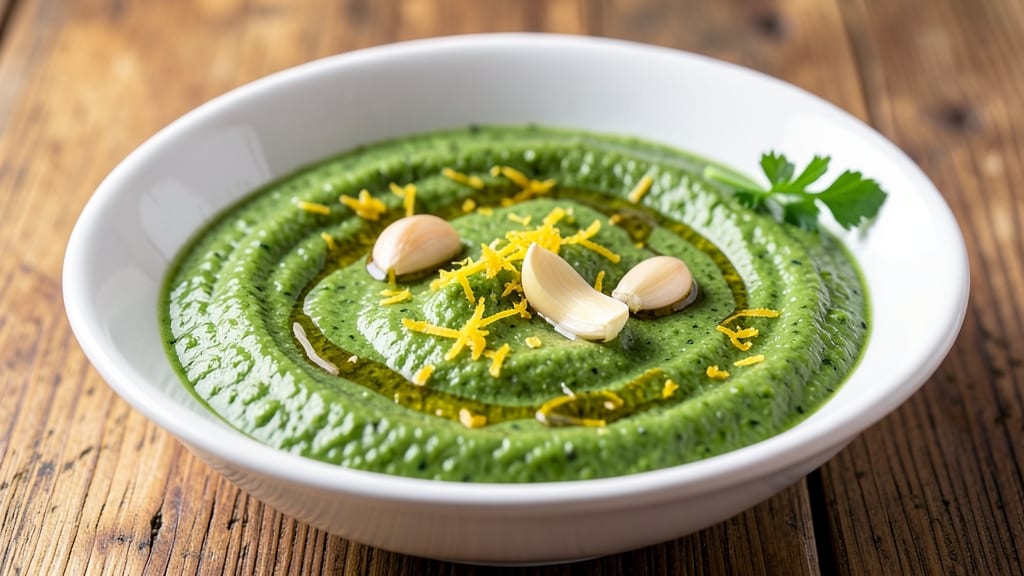
This all-purpose green sauce recipe transforms everyday meals with its bright, herbaceous punch—perfect for dips, dressings, marinades, and more. The secret lies in balancing fresh parsley, tangy lemon, and creamy yogurt for a sauce that’s versatile enough to elevate grilled chicken, fresh salads, or crispy fries.
I developed this after years of testing herb-based sauces, and it never fails to impress with its freshness and adaptability.
The magic happens in the blend: finely chopped herbs, minced garlic, and a touch of Dijon mustard create depth, while the yogurt base keeps it creamy without overpowering the bright flavors. Unlike store-bought versions, this sauce stays fresh for days in the fridge, making it ideal for meal prep.
The texture is smooth yet vibrant, with just enough acidity to cut through rich dishes.
What sets this green sauce apart is its multi-purpose nature—drizzle it over roasted vegetables, use it as a dip for pita chips, or toss it with grilled shrimp for a restaurant-worthy finish.
The herbs stay bright and aromatic, thanks to a quick rest in the fridge before serving. It’s the kind of sauce that turns simple meals into something special with minimal effort.
Ready in 10 minutes with just 8 ingredients, this recipe is a game-changer for home cooks who want flavor without the fuss. Whether you’re hosting a dinner party or prepping for the week, this green sauce delivers consistent, restaurant-quality results every time. Let’s make it!
Ingredients for all purpose green sauce
Eight simple ingredients create a vibrant sauce perfect for dips, dressings, and marinades.
| Ingredient | Amount | Notes |
|---|---|---|
| Fresh Parsley Leaves 🌿 | 1 ½ cups | Packed, stems removed |
| Plain Greek Yogurt 🥛 | 1 cup | Full-fat preferred |
| Extra-Virgin Olive Oil 🫒 | ½ cup | High-quality, fruity |
| Lemon Juice 🍋 | ¼ cup | Freshly squeezed |
| Garlic Cloves 🧄 | 3 cloves | Minced finely |
| Dijon Mustard 🍯 | 1 tbsp | For depth of flavor |
| Fresh Mint Leaves 🌱 | ¼ cup | Optional, for brightness |
| Sea Salt 🧂 | ½ tsp | Fine grain preferred |
The parsley is non-negotiable here—farmers market or grocery store bunches work best, but avoid wilted leaves. Trader Joe's or Whole Foods carry the freshest parsley in bulk bins, which keeps longer than pre-packaged containers. For the yogurt, Fage or Siggi's full-fat are my go-tos—they stay thick and creamy without separating. If you're using mint, grab it fresh too; dried just won't cut it in this sauce. The olive oil should be extra-virgin, not the cheap cooking oil—look for Italian or Spanish brands with fruity notes.
No parsley? Fresh cilantro or basil at the same amount works in a pinch, though the flavor profile shifts slightly. Swapping Greek yogurt for vegan yogurt or sour cream keeps it creamy, but texture may thin out. Running short on lemon juice? Lime juice or apple cider vinegar adds tang, though lemon's brightness is ideal. The garlic can be roasted for a milder taste—just wrap the cloves in foil with a drizzle of olive oil and roast at 400°F for 10 minutes. For the mustard, Dijon is essential—it adds depth that regular yellow mustard lacks.
This sauce keeps beautifully in the fridge for up to 5 days, though the herbs stay brightest for the first 3. For longer storage, divide into ice cube trays, freeze, and transfer to a bag—perfect for single-use portions. To maintain vibrancy, always stir in a splash of fresh lemon juice before using. The texture thickens as it chills, so thin with a little water if needed. A sprinkle of extra parsley or a drizzle of olive oil before serving elevates it every time.
Why You'll Love This Recipe
- No-Chop Nightmare: This sauce requires zero fancy knife work—just a quick chop of parsley (or even pulse it in a food processor if you’re lazy). I’ve made it while answering work emails, watching TV, and once while my toddler “helped” by smearing yogurt on the counter. It’s that unfussy.
- Bright & Tangy: The lemon cuts through the richness of the yogurt while the garlic—just minced, not fried—adds a punchy depth. Honestly, that first bite after a greasy meal? It’s like a palate reset button. The olive oil ties it all together without overpowering.
- Secret Weapon for Everything: Drizzle it on grilled chicken, toss it with roasted veggies, or spoon it into wraps—it’s the one sauce I keep in my fridge for weeks. Even my picky boyfriend slathers it on his eggs. (Yes, even on a Tuesday night.)
- Leftovers That Don’t Suck: Unlike sauces that separate or turn slimy, this stays fresh for five days in the fridge. The yogurt keeps it creamy, and the lemon preserves the brightness. I’ve used week-old batches on tacos, salads, and even as a dip—no one can tell the difference.
Step-by-step instructions for all-purpose green sauce
This vibrant, adaptable sauce comes together in minutes with simple techniques.
Blend the Fresh Herbs and Garlic
In a food processor, combine the 1.5 cups fresh parsley leaves and 0.25 cup fresh mint leaves (if using). Pulse until finely chopped but not puréed—you want visible texture for that fresh herb appearance. Add the 3 cloves minced garlic cloves and pulse just until incorporated. Stop before it becomes a paste; we want distinct herb flecks in the final sauce.
This initial blending ensures even distribution of the herbs throughout the yogurt base. If you're using a regular blender, pulse in short bursts to avoid over-processing. The herbs should be finely chopped but still recognizable—this prevents a muddy, uniform green color that can happen when over-blended.
Incorporate the Yogurt and Mustard
Add the 1 cup plain Greek yogurt and 1 tbsp Dijon mustard to the food processor. Pulse the mixture for 10-15 seconds until just combined. The sauce should look thick and slightly chunky, with visible herb pieces. Avoid over-blending at this stage—we want a textured sauce that clings beautifully to foods.
Here's the thing—Greek yogurt provides the perfect creamy base, but it needs the mustard to cut through its richness. The Dijon mustard also helps emulsify the olive oil later, preventing separation. If your mixture looks too thick after this step, we'll adjust it in the next step with the lemon juice.
Emulsify with Olive Oil and Lemon Juice
With the processor running on low speed, slowly drizzle in the 0.5 cup extra-virgin olive oil through the feed tube. This gradual addition creates an emulsion that prevents the sauce from separating. After the oil is fully incorporated, add the 0.25 cup lemon juice and pulse once more for 5 seconds to combine.
The key here is patience. Adding the oil too quickly causes the sauce to break, creating an oily layer on top. The lemon juice brightens the flavors and balances the richness of the yogurt and olive oil. If the sauce still looks too thick after adding the lemon juice, you can thin it slightly with 1-2 tablespoons of water or additional lemon juice.
Season and Adjust Consistency
Transfer the sauce to a bowl and stir in the 0.5 tsp sea salt. Taste and adjust the seasoning—you may need a bit more salt to balance the acidity from the lemon juice. For a smoother texture, you can strain the sauce through a fine-mesh sieve to remove any remaining herb stems or garlic pieces. If you prefer a chunkier texture, skip this step.
This sauce should be thick enough to coat the back of a spoon but still drizzle easily. If it's too thick, whisk in 1 tablespoon of water at a time until you reach your desired consistency. The sauce will thicken slightly as it chills, so it's better to err on the thinner side if you're using it immediately for dipping or drizzling.
Chill and Use
Cover the sauce and refrigerate for at least 30 minutes before using. This chilling time allows the flavors to meld and the sauce to thicken slightly. The longer it chills, the more pronounced the herb flavors become. I like to let it sit for 1-2 hours before serving to achieve maximum flavor development.
This versatile green sauce can be used as a dip for vegetables, a dressing for salads, a marinade for grilled meats, or even a topping for soups. Its bright, herbaceous flavor pairs beautifully with almost any dish. Store any leftovers in an airtight container in the refrigerator for up to 5 days, though I rarely have any leftovers!
Pro Tips For Making All Purpose Green Sauce
- Pulse the Parsley: Fresh parsley stems are packed with flavor—don’t just chop the leaves. Toss the stems in with the leaves and pulse them briefly in the food processor first. You’ll get a richer, greener sauce that actually tastes like it has depth.
- Strain the Yogurt: Thick Greek yogurt is great, but if it’s too tangy or has a skin, strain it through a fine-mesh sieve for 10 minutes. This removes excess liquid and smooths out the texture, so your sauce stays creamy and doesn’t turn watery when you add the lemon.
- Mince the Garlic Fine: Pre-minced garlic from a jar is convenient, but it’s also bland and often watery. Use a microplane or knife to mince fresh garlic cloves into a paste—this distributes the flavor evenly and prevents clumps. Trust me, the difference is noticeable.
- Add Lemon Gradually: Dumping in all the lemon juice at once can make the sauce too sharp and thin it out. Start with half the amount, taste, then add the rest a little at a time. You can always adjust, but you can’t un-lemon it if it’s too strong.
Common mistakes when making this dish
Over-Blending the Herbs
I’ve made this mistake more times than I’d admit—pulsing the herbs until they turn into a muddy paste instead of keeping those fresh, vibrant flecks. The food processor can be aggressive, so pulse in short bursts (about 3-4 seconds at a time) to maintain texture.
Over-blending also releases bitter compounds from the parsley, making the sauce taste harsh. If you accidentally turn it into a smoothie, don’t stress—just add a splash of olive oil and lemon juice to restore balance. 🌿
Skipping the Chill Time
Rushing to use the sauce immediately is a big no-no. The flavors need time to meld, and the herbs release their oils when chilled, making them more aromatic. I once served this sauce right after blending, and it tasted flat compared to when I let it rest.
Always refrigerate for at least 30 minutes—if you’re short on time, even 15 minutes helps. Pro tip: The longer it chills, the better it gets, so make it ahead if possible.
Using Low-Quality Ingredients
Cheap olive oil or wilted herbs can ruin an otherwise perfect sauce. I learned this the hard way when I used store-brand olive oil—it turned the sauce bitter and oily. Stick with extra-virgin olive oil (like California Olive Ranch or Colavita) and fresh, vibrant herbs.
If your parsley looks dull or smells musty, skip it—those herbs will make the sauce taste off. The same goes for yogurt: full-fat Greek yogurt (like Fage) stays thick and creamy, while low-fat versions can thin out the sauce.
Adding Oil Too Quickly
This is the fastest way to break an emulsion and end up with a separated sauce. When blending the olive oil, add it slowly while the processor is running on low. I’ve seen people pour it in all at once, and the result? A sad, oily layer floating on top.
The key is patience—let the oil incorporate gradually. If it does separate, whisk in a bit of lemon juice or Dijon mustard to help re-emulsify it. A splash of cold water can also help restore consistency. 💡
Ignoring the Mustard
The Dijon mustard isn’t just for flavor—it’s the secret to a stable emulsion. Without it, the sauce can separate or taste bland. I once made a batch without mustard, and it turned out too rich and greasy.
Always include that 1 tablespoon of Dijon—it balances the yogurt’s creaminess and helps bind the oil. If you’re out of Dijon, a pinch of regular mustard in a pinch (though it won’t add the same depth).
Not Adjusting Seasoning
Tasting the sauce before serving is non-negotiable. I’ve caught myself skipping this step, only to realize it needed more salt or lemon juice. Start with the 0.5 teaspoon of salt, but don’t be afraid to add more—especially if you’re using salty ingredients like olives or cured meats.
The lemon juice can also be adjusted to taste; if the sauce tastes flat, a splash more brightens it up. Trust your palate—seasoning is where the magic happens! ✨
Nutrition facts
Frequently asked questions
Can I make this green sauce without a food processor?
Use a sharp knife to finely chop 1.5 cups parsley and 0.25 cup mint into small pieces, then mix with a fork in a bowl. For the garlic, mince it by hand and combine everything with the yogurt and mustard. The texture will be slightly chunkier, but still delicious. Just whisk vigorously when adding the olive oil to help emulsify it properly.
How can I adjust this sauce for vegan diets?
Swap the Greek yogurt for vegan yogurt or silken tofu blended until smooth. Use vegan olive oil (most are already plant-based) and ensure your Dijon mustard is vegan-friendly. The texture may be slightly thinner, so add 1 tablespoon of aquafaba (chickpea brine) or 1 teaspoon of cornstarch mixed with water to thicken it if needed.
What are the best ways to use this green sauce?
This versatile sauce works as a dip for veggie sticks, pita chips, or grilled shrimp. Drizzle it over salads, roasted potatoes, or grilled chicken for instant flavor. It also makes an excellent marinade for fish or lamb—just add 1 tablespoon of olive oil and let it sit for 30 minutes before cooking. For extra richness, mix in 1 tablespoon of tahini.
Why did my sauce turn out too thick or too thin?
If it's too thick, whisk in 1 tablespoon of water or lemon juice at a time until smooth. For a thinner sauce, add more olive oil or yogurt gradually. The sauce will naturally thicken as it chills, so adjust before refrigerating. If it separates, whisk in 1 teaspoon of Dijon mustard or a splash of cold water to help re-emulsify it.
How can I make this sauce last longer?
Store it in an airtight container in the fridge for up to 5 days. For longer storage, divide into ice cube trays, freeze, and transfer to a bag. Frozen portions keep for 3 months and thaw beautifully. To maintain freshness, always stir in a splash of fresh lemon juice before using. The herbs stay brightest when stored properly!