
Sauces & Condiments
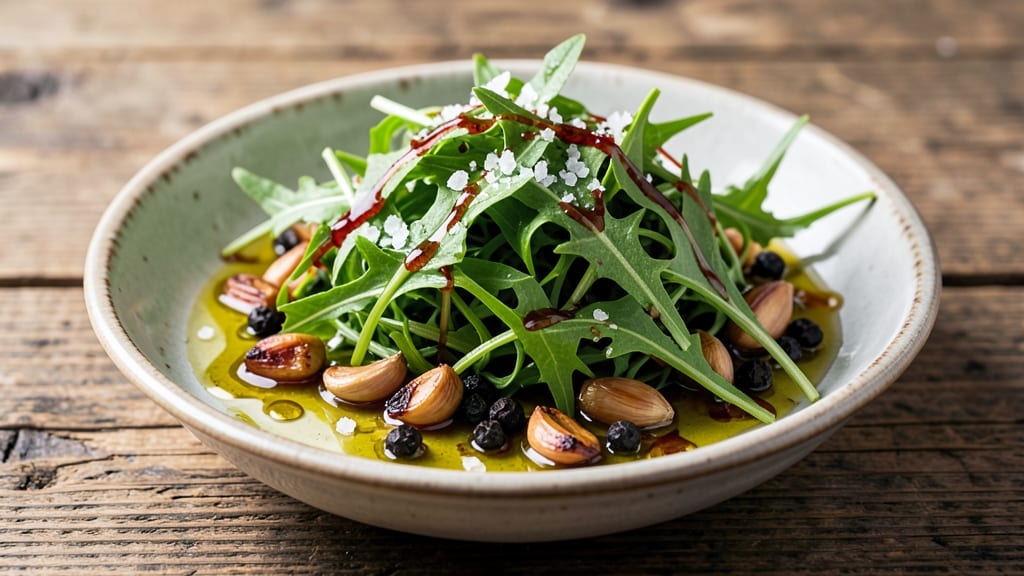
This arugula chimichurri sauce recipe transforms simple ingredients into a vibrant, herb-packed condiment that elevates grilled meats and more. The secret lies in blending fresh arugula with garlic, olive oil, and red wine vinegar—creating a sauce that’s bright, tangy, and impossibly flavorful.
Unlike traditional parsley-based chimichurri, arugula adds a peppery depth that stands up to bold flavors like charred steak or grilled shrimp.
The process is straightforward but requires patience: pulse the ingredients in a food processor, then let the sauce rest for at least 30 minutes. This resting time allows the flavors to meld, resulting in a sauce that’s smoother and more cohesive.
The texture is perfect for drizzling—thick enough to cling but still light enough to enhance, not overpower. It’s restaurant-quality simplicity, achieved with just a handful of pantry staples.
What makes this sauce truly versatile is its adaptability. Drizzle it over grilled meats for an instant flavor boost, toss it with roasted vegetables for a fresh finish, or use it as a dressing for hearty salads.
The acidity cuts through richness, while the herbs add a fresh, herbal brightness that keeps every bite lively. One batch will last for days in the fridge, making it a go-to condiment for any meal.
For best results, use freshly ground spices and high-quality olive oil—they make all the difference. If you love chimichurri but want something with a little more complexity, this arugula version delivers without the effort. Let’s make it—your taste buds will thank you.
Ingredients for arugula chimichurri sauce
Eight ingredients blend into vibrant arugula chimichurri that transforms any grilled dish.
| Ingredient | Amount | Notes |
|---|---|---|
| Fresh Arugula Leaves 🌿 | 1 ½ cups | Packed, stems removed for best texture |
| Garlic Cloves 🧄 | 4 cloves | Peeled, roughly chopped for bold flavor |
| Extra-Virgin Olive Oil 🫒 | ½ cup | High-quality, fruity variety preferred |
| Red Wine Vinegar 🍷 | ¼ cup | Dry red wine vinegar works best |
| Kosher Salt 🧂 | 1 tsp | Diamond Crystal preferred for purity |
| Ground Black Pepper 🌶️ | ½ tsp | Freshly ground for maximum heat |
| Red Chili Flakes 🔥 | ½ tsp | Adjust for desired spice level |
| Fresh Lemon Juice 🍋 | 1 tbsp | Freshly squeezed for bright acidity |
The arugula is non-negotiable—farmers market varieties have the most peppery kick, but store-bought works too (just pick the freshest bunch). Garlic should be freshly peeled—pre-minced loses flavor fast. For olive oil, California or Italian brands like Bertolli or Olea shine here; avoid the cheap stuff. Red wine vinegar? Balsamic vinegar won’t cut it—this needs the sharp tang of true red wine vinegar. The salt and pepper are simple but critical—Diamond Crystal kosher dissolves perfectly, and freshly cracked pepper adds depth the pre-ground can’t match.
No fresh arugula? Baby spinach works in a pinch—it’s milder but still adds freshness. Short on garlic? Garlic powder at half the amount gets you close, but the flavor won’t be the same. Skip the chili flakes? Cayenne pepper at a quarter teaspoon adds heat without altering texture. Lemon juice? Bottled works if you’re in a bind, but fresh is always better. The red wine vinegar is the most important swap—white wine vinegar lacks the complexity this sauce needs to shine.
This sauce keeps for 5-7 days in the fridge, but the flavors deepen over time. Store it in a glass jar with a tight seal—plastic absorbs odors. For longer storage, freeze in ice cube trays and transfer to a bag. Thickens as it rests? Add a splash of olive oil to loosen it up. Perfect for drizzling over grilled meats, roasted veggies, or even as a pasta sauce—just toss it in at the end.
Why You'll Love This Recipe
- I’ll be real: this sauce is ridiculously forgiving. You don’t even need to chop the garlic finely—just smash those cloves with the flat side of your knife, toss in the arugula, and pulse until it’s almost smooth. Honestly, the blender does most of the work while you sip your coffee.
- No Pulse Required: I’ll be real: this sauce is ridiculously forgiving. You don’t even need to chop the garlic finely—just smash those cloves with the flat side of your knife, toss in the arugula, and pulse until it’s almost smooth. Honestly, the blender does most of the work while you sip your coffee.
- Bright & Punchy: That tangy vinegar cut through the peppery arugula like a knife, but the olive oil softens it into something addictive. The garlic? Oh, it’s there—bold and warm, but not overpowering. It’s the kind of flavor that makes you reach for the last bite of crusty bread again.
- Weeknight Superhero: This sauce turns a sad bowl of pasta into a showstopper in five minutes. Drizzle it over grilled chicken, toss it with roasted potatoes, or slap it on a sandwich—it’s my go-to for when I’m too tired to plan but still want something that feels special. (Yes, even on a Tuesday night.)
Step-by-step instructions for arugula chimichurri sauce
Here's how to make this vibrant, herb-forward sauce that elevates grilled meats to new heights.
Prepare the Arugula and Garlic Base
Start by rinsing the 1.5 cups fresh arugula leaves thoroughly under cold water to remove any dirt or debris. I like to use my hands to gently separate the leaves from the stems, which gives you a more tender texture in the finished sauce. Pat the leaves completely dry with paper towels—any moisture will dilute your sauce and prevent proper emulsification.
In a food processor, add the 4 peeled garlic cloves (roughly chopped) and the dried arugula. Pulse just until the garlic is finely minced but the arugula remains mostly intact—you want visible leaf texture in your sauce. This step is crucial because over-processing releases bitterness from the arugula. Process for about 10-15 seconds—just until everything is combined but still chunky.
Add Acid and Seasonings
With the food processor running, slowly drizzle in the 0.5 cup extra-virgin olive oil through the feed tube. This gradual addition helps emulsify the sauce properly. After all the oil is incorporated, add the 0.25 cup red wine vinegar, 1 tsp kosher salt, 0.5 tsp ground black pepper, and 0.5 tsp red chili flakes. Process for another 15-20 seconds until everything is thoroughly combined.
Here's the thing—this sauce relies on balance. The acid from the vinegar brightens the arugula's peppery notes, while the chili flakes add subtle heat. Taste as you go: if it needs more acid, add another teaspoon of vinegar; if it needs more salt, adjust gradually. The sauce should be vibrant green with a slightly coarse texture—this isn't meant to be smooth like traditional chimichurri.
Finish with Lemon Juice and Rest
Transfer the mixture to a medium bowl and stir in the 1 tbsp fresh lemon juice. This final addition adds a bright, citrusy finish that cuts through the richness of grilled meats. Give it a taste—you should notice the flavors melding together immediately. The sauce should have a fresh, herbaceous aroma with a slight tang.
Let the sauce rest for 10-15 minutes at room temperature. This resting period allows the flavors to develop and the arugula to soften slightly, making the sauce more cohesive. Don't skip this step—it makes a noticeable difference in the final texture and flavor. If the sauce separates slightly after resting, simply give it a quick stir before using.
Adjust Consistency and Serve
If your sauce is too thick after resting, thin it with 1-2 teaspoons of water or additional olive oil until it reaches a pourable consistency. I prefer it slightly thick so it clings well to grilled meats, but it should still be spreadable. The sauce should coat the back of a spoon with a vibrant green color and visible herb flecks.
Use immediately over grilled steaks, chicken, or fish, or store in an airtight container in the refrigerator for up to 3 days. For best results, let it come to room temperature before serving—this enhances the aromatic qualities. The bright acidity and fresh herbs make this sauce perfect for cutting through rich, charred meats while adding a refreshing contrast.
Pro Tips For Making Arugula Chimichurri Sauce
- STORE GARLIC IN OIL: Toss your peeled garlic cloves in a splash of olive oil (about 1 tablespoon) before pulsing them—keeps them from turning bitter and makes the sauce smoother. I learned this the hard way after a batch tasted weirdly metallic.
- CHOP Arugula COARSELY: Tear or chop arugula into rough chunks, not tiny pieces—it keeps the texture vibrant and prevents the sauce from turning into a sad, watery sludge. (Yes, even if it looks "unfinished.")
- PULSE DON’T PUREE: Use quick bursts in the food processor (3-4 seconds max) to avoid turning the sauce into a paste. You want texture, not a uniform green goop—stop before it looks like it’s trying to glue itself together.
- REST THE SAUCE 10 MINUTES: Let the chimichurri sit after mixing—it mellows the garlic’s sharpness and lets the arugula’s peppery bite shine. I used to skip this and wondered why my sauce always tasted aggressive. (Your future self will notice the difference.)
Serving suggestions for this arugula chimichurri sauce
Grilled Meat Pairings
This vibrant arugula chimichurri sauce is a grill master’s secret weapon—especially for steaks and seafood. Drizzle it over ribeye or flank steak while still sizzling hot to let the sauce caramelize slightly from the residual heat.
I love pairing it with grilled shrimp skewers or garlic butter scallops—the peppery arugula cuts through the richness beautifully. For chicken lovers, toss it with grilled chicken thighs or use it as a marinade for boneless chicken breasts before grilling. 🔥
The key is temperature contrast: serve the sauce at room temperature while your meat is still hot. This creates a flavor explosion where the sauce’s acidity brightens the charred edges of the meat.
For extra drama, finish with a sprinkle of flaky sea salt and a few toasted breadcrumbs to add texture. Trust me, your guests will ask for the recipe!
Vegetable and Grain Bowls
Don’t limit this sauce to just meats—it’s equally brilliant on vegetarian dishes. Toss it with roasted Brussels sprouts, charred zucchini, or grilled eggplant for a herb-forward finish. I often mix it into quinoa bowls with roasted sweet potatoes and avocado—the acidity balances the earthy flavors perfectly.
For a heartier option, spread it on toasted baguette slices with whipped goat cheese and sliced heirloom tomatoes.
Pro tip: Warm the sauce slightly before tossing with vegetables to enhance its aromatic qualities. A quick 10-second microwave zap does the trick without cooking the herbs. The sauce’s peppery brightness also pairs well with creamy textures like hummus or mashed potatoes—just drizzle it on top for a fresh twist.
Pasta and Grain Dishes
Turn your pasta night into a flavor fiesta by tossing this sauce with al dente spaghetti or linguine. The arugula’s peppery bite stands up to rich sauces like brown butter or creamy Alfredo.
I like to reserve some pasta water and thin the sauce slightly before mixing—this helps it cling better to the noodles. For a lighter option, toss it with cold farro salad and cherry tomatoes for a refreshing summer dish. 💫
For grains like couscous or orzo, use the sauce as a dressing rather than a coating. The acidity cuts through the chewy texture of grains beautifully. Add a handful of toasted pine nuts or crumbled feta for extra crunch and depth.
The sauce’s versatility makes it perfect for meal prep—store it separately and mix it in just before serving to keep the herbs fresh.
Breakfast and Brunch
Yes, you read that right—this sauce is breakfast-approved! Drizzle it over scrambled eggs or avocado toast for a herbaceous wake-up call. The acidity balances the richness of eggs perfectly, and the peppery arugula adds a surprising depth.
I also love spreading it on toasted sourdough with smoked salmon and creme fraiche for a brunch-worthy bite. 🍳
For a savory pancake twist, mix a spoonful into your batter before cooking—it adds a bright, herby flavor that pairs well with maple syrup. The sauce’s bold personality also works on breakfast burritos with black beans and cheddar cheese.
Just keep it on the side for dipping to avoid sogginess. It’s a game-changer for lazy weekend mornings!
Nutrition facts
Frequently asked questions
Can I use baby spinach instead of arugula?
Yes, but expect a milder flavor! Baby spinach works in a pinch—it lacks arugula's peppery kick but still adds freshness. For best results, use 2 cups of spinach instead of 1.5 cups of arugula to compensate for its softer texture. The sauce will be gentler on the palate but still vibrant and herby.
How spicy is this sauce with red chili flakes?
The 0.5 tsp red chili flakes in this recipe add subtle heat—not overwhelming. For a milder version, reduce to ¼ tsp or omit entirely. If you love spice, add ½ tsp cayenne pepper instead for a smoother burn. Always taste as you go!
Can I make this sauce ahead of time?
This sauce tastes even better after 24 hours in the fridge as flavors meld. Store in an airtight jar and stir before using. If it thickens, thin with 1 tsp olive oil or water. For longer storage, freeze in ice cube trays—perfect for single servings!
Why does my sauce look watery?
Wet arugula or over-processing causes wateriness. Always pat leaves completely dry before blending. For a thicker texture, reduce the 0.25 cup red wine vinegar to 2 tbsp or add 1 tbsp extra olive oil. Let it rest 10 minutes—this helps emulsify naturally.
What’s the best way to store leftovers?
Keep in an airtight container in the fridge for up to 5 days. For longer storage, freeze in 1-tbsp portions in ice cube trays. Thaw overnight in the fridge—never microwave directly. The sauce’s acidity preserves freshness, but herbs may darken slightly after freezing.