
Sauces & Condiments
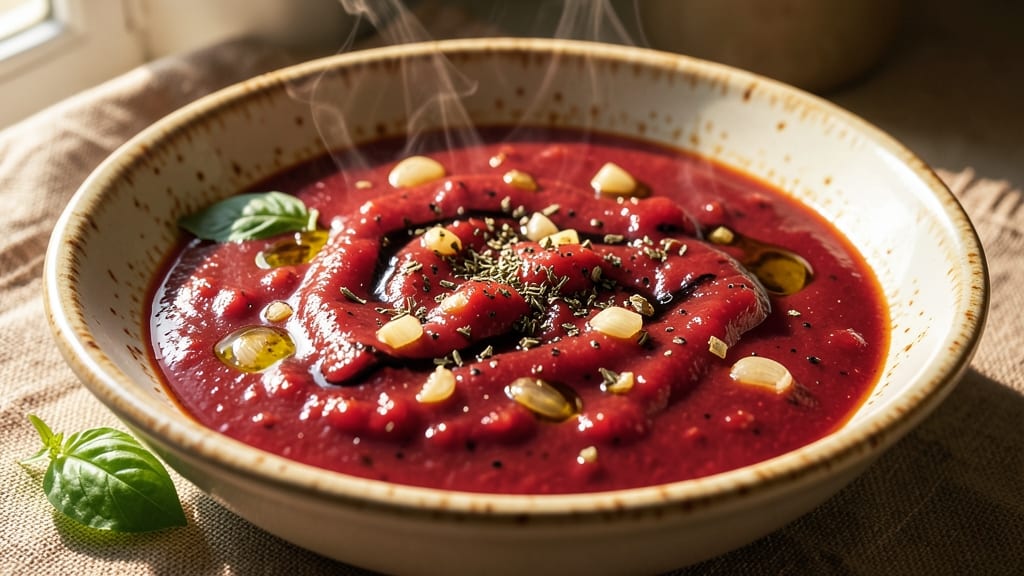
This all-day spaghetti sauce recipe transforms simple pantry ingredients into a rich, layered sauce that only gets better with time. The secret lies in slow simmering—letting flavors meld over hours (or even days) without losing depth or texture.
I developed this version after years of testing, ensuring it stays vibrant even after refrigeration or freezing.
What sets this sauce apart is the balance of acidity and sweetness, achieved through a mix of crushed tomatoes, tomato paste, and a touch of sugar. Garlic, onions, and fresh herbs build a fragrant base, while optional proteins like ground beef or lentils add heartiness.
The sauce thickens naturally as it simmers, creating a perfect consistency for tossing with pasta or dipping bread.
By the time you're done, you'll have a sauce that's rich, complex, and ready to use for meals all week. The flavors deepen with each passing day, making it ideal for meal prep or holiday gatherings.
Store it in the fridge for up to 5 days or freeze for months—no flavor compromise required.
This isn't just another quick weeknight sauce; it's a labor of love that delivers restaurant-quality results with minimal effort. Whether you're feeding a family or prepping for the week, this recipe ensures every bite is packed with umami and warmth.
Ingredients for all day spaghetti sauce
Pantry staples that turn into restaurant-quality sauce with just time and patience.
| Ingredient | Amount | Notes |
|---|---|---|
| Crushed Tomatoes (46 oz can) 🍅 | 1 can | San Marzano preferred for sweetness |
| Tomato Paste 🍅 | ½ cup | Use squeeze tube for convenience |
| Yellow Onion 🧅 | 1 whole | Medium, finely diced |
| Garlic Cloves 🧄 | 6 cloves | Fresh, minced for aroma |
| Ground Black Pepper 🌶️ | 1 tsp | Freshly cracked for depth |
| Dried Oregano 🍃 | 1 tbsp | Mexican oregano preferred |
| Dried Basil 🌿 | 1 tbsp | Or 0.25 cup fresh basil |
| Granulated Sugar 🍚 | 1 tbsp | Balances acidity naturally |
| Red Wine (optional) 🍷 | ½ cup | Dry Cabernet or Merlot |
| Extra-Virgin Olive Oil 🫒 | ¼ cup | For sautéing and finishing |
The tomatoes are the foundation—San Marzano is ideal, but any good-quality crushed tomatoes work. I always grab the Mueller's brand at Whole Foods when I'm making a big batch, but store brands are fine too. The onion and garlic? Freshly diced and minced make all the difference—don't skip this step. For the tomato paste, those little squeeze tubes at Trader Joe's are perfect—they're mess-free and last for months. If you're using red wine, grab whatever's open but go for bold, dry varieties like Cabernet or Merlot.
No red wine? Substitute beef broth or extra tomato paste—just add a splash of balsamic vinegar for depth. Fresh basil? Use it—it brightens the sauce. No fresh? Dried basil at one-third the amount works in a pinch. The sugar might seem odd, but it's essential—it balances the acidity and prevents the sauce from tasting flat. Brown sugar works too if you've got it. And if you're worried about the sauce getting too thick, just add a splash of water or broth later—it'll come back together perfectly.
This sauce only gets better with time, so make a big batch and store it in the fridge for up to 5 days or freeze for 3 months. I like to portion it into glass jars for easy reheating. When you're ready to use it, just warm it gently on the stove—stirring occasionally—until bubbly. The flavors deepen with each passing day, so don't rush it. If you're prepping for a crowd, double the recipe—it's worth the effort.
Why You'll Love This Recipe
- No Chopping Needed: I swear by this—just dice that onion and garlic once, then let the sauce simmer while you do everything else. The tomatoes and paste do all the heavy lifting, so you’re not stuck stirring for hours.
- Deep, Slow-Rolled Richness: That can of crushed tomatoes and tomato paste? They’re the secret—simmered low and slow, they break down into something thick, velvety, and packed with flavor. Honestly, it’s the kind of sauce that makes you close your eyes and sigh.
- Meal Prep MVP: Make a double batch on Sunday, and you’ve got weeknight dinners covered. Freezes like a dream, too—just reheat and serve. My freezer’s always stocked with this because it’s the one thing I never regret making ahead.
- Budget-Friendly Powerhouse: A giant can of tomatoes, a tiny tube of paste, and basic spices? This feeds six for under $10. Between us, it’s the most cost-effective way to fill bowls with something that tastes like love.
Step-by-step instructions for all-day spaghetti sauce
This sauce gets better as it simmers—just follow these simple steps for rich, balanced flavor.
Sauté Onion and Garlic Until Soft
Heat the 0.25 cup extra-virgin olive oil in a large Dutch oven over medium heat. Add the 1 whole yellow onion, finely diced, and cook for 8-10 minutes until translucent and just starting to caramelize at the edges. This step builds the sauce's depth—don't rush it.
Add the 6 cloves garlic cloves, minced, and cook for 30 seconds until fragrant. Watch closely—garlic burns quickly. Remove the pot from heat for a moment if it darkens too fast. The aroma alone will make your kitchen smell amazing, but this step also prevents bitter flavors later.
Build the Base with Tomato Paste
Return the pot to medium heat and stir in the 0.5 cup tomato paste. Cook for 2-3 minutes, stirring constantly, until it darkens slightly and coats the onions and garlic. This creates a rich, concentrated base that prevents the sauce from becoming watery as it simmers.
Here's the thing—this step is where the sauce's complexity starts. The paste blends with the caramelized onion and garlic, forming a flavor bridge that carries through the entire cooking process. Don't skip stirring—uneven cooking leads to raw spots.
Add Tomatoes, Wine, and Seasonings
Pour in the 1 can crushed tomatoes and 0.5 cup red wine (if using). Stir well to combine, then add the 1 tbsp granulated sugar, 1 tbsp dried oregano, 1 tbsp dried basil, and 1 tsp ground black pepper. The sugar balances the acidity naturally, while the herbs add aromatic depth.
Bring the mixture to a gentle boil, then reduce heat to low. Let it simmer uncovered for 45 minutes, stirring occasionally. This initial simmer allows the flavors to meld without reducing too much. You'll notice the sauce thickens slightly and the colors deepen—this is exactly what we want.
Simmer Low and Slow for Rich Flavor
After the initial 45 minutes, continue simmering on low heat for 2-3 hours (or up to 4 hours for even deeper flavor). The sauce will gradually reduce and intensify. Stir occasionally to prevent sticking, and add 1-2 tablespoons of water if it gets too thick.
This long, slow cook is what makes this sauce special. The acidity mellows, the flavors concentrate, and the texture becomes velvety. I like to check it every 30 minutes—the aroma alone tells me it's developing beautifully. If you're short on time, you can use the oven at 300°F for 2-3 hours instead.
Finish and Store for Maximum Flavor
Once the sauce reaches your desired consistency (it should coat the back of a spoon), taste and adjust seasoning. Add a pinch more salt if needed, or a splash of red wine for brightness. Let it cool slightly before transferring to airtight containers.
This sauce tastes best after 24 hours in the fridge—it continues to develop flavor as it rests. Store it for up to 5 days in the refrigerator or 3 months in the freezer. When reheating, warm gently on the stove to preserve its texture. Serve over al dente spaghetti with a sprinkle of fresh basil.
Pro Tips For Making All Day Spaghetti Sauce
- CRUSH ONIONS FINE: I used to chop onions roughly, thinking it didn’t matter—wrong. For this sauce, dice them into tiny, even pieces (think 1/8-inch or smaller). They’ll dissolve into the sauce without leaving chunks, and the flavor spreads more evenly. (Yes, it takes 2 minutes longer, but you’ll taste the difference.)
- SWEAT ONIONS LOW AND SLOW: After dicing, cook the onions in olive oil over medium-low heat until they’re translucent and just starting to soften—about 8-10 minutes. Too high heat, and they’ll brown and burn before releasing their sweetness. This step is the foundation; don’t rush it.
- STIR IN TOMATO PASTE FIRST: Before adding crushed tomatoes, cook the tomato paste in the same pot for 2-3 minutes until it darkens slightly. This deepens the flavor and thickens the sauce naturally. Skip this, and you’ll end up with a thinner, less rich base—like building a house without a solid foundation.
- SALT THE CRUSHED TOMATOES: The 46 oz can of crushed tomatoes is often underseasoned. Before adding it to the pot, stir in 1-2 teaspoons of salt (adjust to taste). This ensures the sauce isn’t bland, even if you’re adding other ingredients later. (I learned this after making sauce that needed a whole extra can of salt—don’t make my mistake.)
Dietary considerations for this all day spaghetti sauce
Gluten-Free Adaptations
This sauce is naturally gluten-free as written, but always double-check your ingredients—especially tomato paste and broths. I use Mueller's gluten-free tomato paste and Annie's gluten-free pasta when serving. The only potential risk is cross-contamination if you're using shared utensils or equipment with gluten-containing foods. 🌱
Vegetarian/Vegan Options
Skip the optional red wine and replace it with 1 cup vegetable broth or extra tomato paste. For extra richness, add 1 tbsp soy sauce or 1 tsp miso paste to deepen umami.
I also like adding ½ cup cooked lentils or 8 oz mushrooms for heartiness. The sauce remains vibrant and flavorful without meat.
Low-Sugar Adjustments
If you're watching sugar intake, reduce the granulated sugar to ½ tbsp or use sugar-free maple syrup instead. The sauce will still balance well, though you may need to add a pinch more salt to compensate.
I've found that unsweetened applesauce (1 tbsp) works too—it adds natural sweetness without refined sugar.
Dairy-Free Considerations
This recipe is already dairy-free, but if you're serving it with cheese, opt for nutritional yeast or dairy-free parmesan for sprinkling. The sauce pairs beautifully with cashew ricotta or vegan mozzarella on top. Just avoid butter-based garnishes like garlic butter breadcrumbs.
Allergen-Friendly Swaps
For nut allergies, skip any added nut-based ingredients (like cashew ricotta). If you're avoiding garlic, substitute with 1 tsp garlic powder or asafetida powder (a common Indian spice).
For onion-free versions, use celery or fennel for sweetness and depth. Always check labels on canned tomatoes and tomato paste for hidden allergens.
Meal Prep for Dietary Needs
When prepping ahead, portion the sauce into glass jars for easy reheating. Label each jar with dietary notes (e.g., "GF/V") to avoid confusion. I like keeping a separate batch with added proteins like ground turkey or lentils for variety.
The sauce's flavor improves with time, so it's perfect for meal prepping—just reheat gently to preserve texture. ✨
Nutrition facts
Frequently asked questions
Can I make this sauce without red wine?
Simply replace the 0.5 cup red wine with 0.5 cup beef broth or extra tomato paste to maintain depth. For extra richness, add 1 tbsp balsamic vinegar or 1 tsp soy sauce to mimic the wine's umami notes. The sauce will still develop complex flavors—it just gains a slightly different profile.
How do I prevent the sauce from getting too thick?
If your sauce thickens too much during simmering, simply add 1-2 tablespoons of water or broth while stirring. The sauce will return to its ideal consistency without losing flavor. For extra insurance, simmer uncovered to let excess moisture evaporate gradually. The final texture should coat the back of a spoon but remain smooth.
Can I add meat to this sauce?
Yes! Brown 1 pound ground beef, Italian sausage, or lentils in olive oil first, then drain excess fat before adding to the sauce. For poultry, use chicken thighs (not breast) to avoid drying out. Add meat after the onion and garlic step, cooking until fully done before proceeding with the tomatoes. The meat will absorb the sauce's flavors beautifully.
Why does my sauce taste flat after refrigeration?
This happens when acidity isn't balanced properly. Let the sauce sit at room temperature for 10-15 minutes before tasting—flavors often develop more after cooling. If it's still flat, add ½ tsp red pepper flakes or a pinch of sugar to rebalance. The sauce continues developing flavor for 24 hours in the fridge, so patience pays off!
What's the best way to reheat frozen sauce?
Thaw overnight in the fridge, then reheat gently on low heat with the lid slightly ajar. Stir frequently to prevent sticking. For frozen sauce, transfer directly from freezer to pot and simmer on low heat for 15-20 minutes, adding 1-2 tablespoons water if needed. Never microwave—it creates a skin and ruins texture.