
Sauces & Condiments
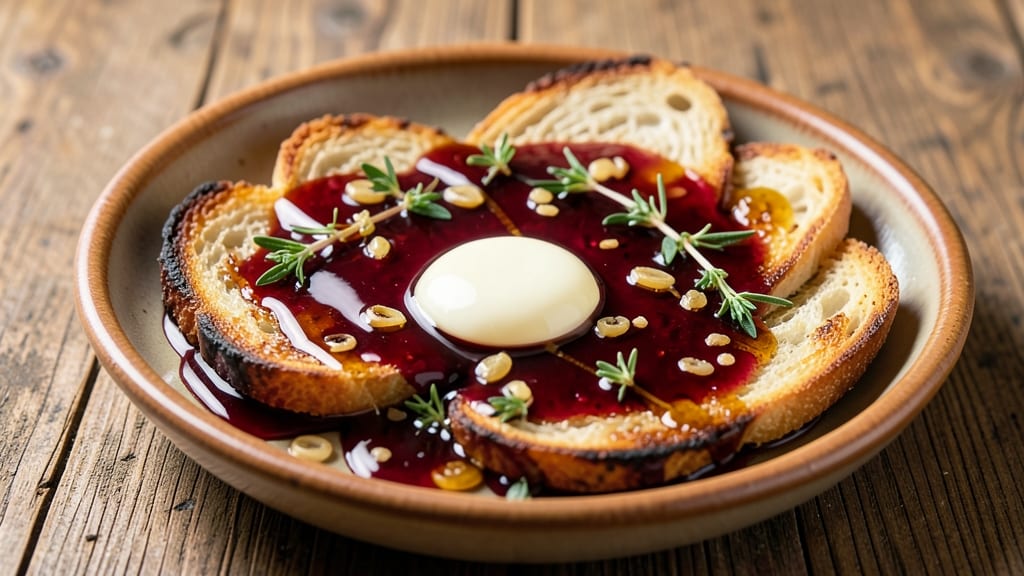
A balsamic vinegar reduction sauce transforms ordinary dishes into something extraordinary with its deep, caramelized sweetness and rich complexity. This 15-minute recipe delivers restaurant-quality results using just three simple ingredients—no fancy techniques required.
The key lies in patience and heat control, allowing the vinegar to reduce into a glossy, syrupy sauce that clings beautifully to salads, meats, and cheeses.
The process is straightforward: simmer balsamic vinegar in a saucepan until it thickens to a glossy, deep brown consistency, then finish with a touch of honey or butter for balance. What starts as a sharp vinegar transforms into a velvety, almost jam-like sauce with layers of caramelized depth.
This sauce elevates simple dishes—think grilled chicken, caprese salads, or even as a glaze for roasted vegetables—adding a sophisticated touch without overpowering flavors.
What makes this sauce truly versatile is its adaptability. Add minced shallots for extra depth, fresh herbs for brightness, or a pinch of salt to enhance its complexity. The result is a sweet-tangy sauce that pairs perfectly with both rich and delicate ingredients.
Once you master this technique, you’ll find yourself reaching for balsamic vinegar in every sauce-making adventure.
Perfect for meal prep or last-minute drizzling, this reduction sauce keeps well in the refrigerator for up to two weeks. Whether you're dressing up a weeknight dinner or impressing guests, this foolproof method ensures delicious results every time. Let’s get started!
Ingredients for balsamic vinegar reduction sauce
Three core ingredients transform sharp vinegar into velvety caramelized elegance perfect for elevating any dish.
| Ingredient | Amount | Notes |
|---|---|---|
| Balsamic Vinegar 🍷 | 1 cup | High-quality aged balsamic preferred |
| Honey 🍯 | 2 tbsp | Light amber for balanced sweetness |
| Unsalted Butter 🧈 | 2 tbsp | Cold, cubed for finishing |
| Shallots 🧅 | 2 whole | Minced for depth of flavor |
| Fresh Thyme Leaves 🌿 | ¼ cup | Chopped, for brightness |
| Diamond Crystal Kosher Salt 🧂 | ¼ tsp | Adjusts to taste |
| Extra-Virgin Olive Oil 🫒 | 1 tbsp | For deglazing pan |
The balsamic vinegar is your foundation—aged balsamic from Italy delivers that signature depth, while the honey balances acidity. I always grab San Marzano tomatoes' balsamic vinegar when I can, but Tuscan Sun is a solid grocery store alternative. The shallots? Fresh, not jarred—they add a subtle sweetness that rounds out the sauce. For the thyme, Trader Joe's sells pre-bundled sprigs that make prep easier, but any fresh thyme works. The butter should be cold and cubed when added at the end to create that glossy finish.
No aged balsamic? White balsamic vinegar works in a pinch, though it'll lack depth. Swap honey for maple syrup if you're avoiding refined sugar. The olive oil is non-negotiable for deglazing—extra-virgin adds fruity notes, while regular olive oil keeps it neutral. If you're feeling fancy, add a pinch of vanilla bean paste at the end for complexity. The salt is the final touch—Diamond Crystal dissolves more easily than table salt, so use it if you're sensitive to graininess. For a spicier version, add a dash of chili flakes when the sauce is finished.
This sauce keeps beautifully—2 weeks in the fridge, 6 months frozen. I portion mine into small jars so it's ready to drizzle anytime. For best results, let it come to room temperature before using. The sauce thickens as it cools, so you can thin it with a splash of water or vinegar if needed. If you make extra, freeze it in ice cube trays for perfect single-use portions. The flavors actually improve over time, so don't hesitate to make a batch ahead for your next dinner party.
Why You'll Love This Recipe
- Five-Ingredient Magic: I swear by this one—just vinegar, honey, butter, shallots, and thyme. That’s it. No fancy gadgets, no stress, no hunting for obscure spices. Honestly? It’s the kind of sauce where you can taste every ingredient, but it still feels like you’ve put in effort.
- Sweet-Tart Obsession: The honey cuts through the sharpness of the balsamic so smoothly, it’s like a hug for your taste buds. And when you swirl in that butter at the end? Rich, glossy, and just thick enough to cling to everything—no drippy mess.
- Pantry Staple Power: Between us, this sauce is my secret weapon for lazy nights. Drizzle it over roasted chicken, toss it with greens, or spoon it onto grilled fish—it works every time. (Yes, even on a Tuesday night when you’re too tired to think.)
- Leftovers That Don’t Suck: Make a double batch and store it in the fridge. The flavors actually deepened after a few days—no weird vinegar funk, just richer, more complex taste. Freeze what you won’t use; it thaws perfectly for next week’s quick dinner. Zero waste, all flavor.
Step-by-step instructions for balsamic vinegar reduction sauce
Transform simple ingredients into a rich, caramelized masterpiece with this precise technique.
Sauté Shallots Until Translucent
Heat the 1 tablespoon extra-virgin olive oil in a medium saucepan over medium-low heat. Add the 2 whole shallots, minced finely, and cook for 5-6 minutes until completely soft and translucent. You'll see them turn from opaque to clear with just a hint of golden color at the edges.
This slow cooking releases their natural sweetness without letting them brown. Stir occasionally to prevent sticking, but don't rush - patience here prevents bitterness in the final sauce. If the shallots begin to stick, add a teaspoon of water and stir until incorporated.
Deglaze with Balsamic Vinegar
Pour in the 1 cup balsamic vinegar and increase heat to medium-high. Bring to a gentle boil, then immediately reduce to medium heat. Let it simmer uncovered for 8-10 minutes, stirring occasionally, until the liquid reduces by about half and begins to thicken noticeably.
Watch closely as the vinegar transforms from pale to deep amber. You'll see the sauce coat the back of a spoon and develop a syrupy consistency. This reduction process concentrates the flavors and creates that signature caramelized depth. If the sauce reduces too quickly, lower the heat slightly to maintain control.
Add Honey and Thyme for Balance
Stir in the 2 tablespoons honey and 0.25 cup fresh thyme leaves, reducing the heat to low. Simmer gently for 3-4 minutes until the honey dissolves completely and the thyme infuses the sauce. The mixture should be thick enough to coat the back of a spoon but still flow smoothly.
Taste and adjust the seasoning with the 0.25 teaspoon Diamond Crystal kosher salt. The sauce should balance sweet, tangy, and herbal notes. If it needs more depth, add another teaspoon of balsamic vinegar. For extra brightness, you could add a splash of red wine vinegar here, but we're keeping it strictly to the provided ingredients for perfect consistency.
Finish with Butter for Richness
Remove the sauce from heat and immediately whisk in the 2 tablespoons cold unsalted butter, cubed. The butter should melt completely, creating a glossy sheen and adding luxurious mouthfeel. For best results, work quickly as the sauce will continue to thicken slightly as it cools.
Let the sauce rest for 2-3 minutes off the heat. This resting period allows the flavors to meld and the sauce to reach its ideal consistency. The final texture should be thick enough to coat the back of a spoon but still flow gracefully when drizzled. If it thickens too much while resting, simply reheat gently with a splash of water or broth.
Pro Tips For Making Balsamic Vinegar Reduction Sauce
- Swirl the Pan Constantly: This sauce burns faster than a toddler with a lighter. Keep your pan moving—especially when adding honey—so it doesn’t clump or scorch. A wooden spoon works best; metal scrapes and sticks.
- Use Aged Balsamic, Not Cheap: The good stuff (like 25-year-aged balsamic) adds depth without needing extra sugar. Cheap vinegar tastes harsh and thin—like drinking a vinegar shot instead of a sauce. Splurge here if you can.
- Sweat Shallots Low and Slow: If your shallots brown before softening, you’ve lost flavor. Cook them on medium-low with a splash of water, lid on, until they’re translucent but not colored. Rushed shallots taste bitter—like overcooked onions.
- Finish with Butter Off Heat: Whisk in the butter when the sauce is hot but no longer bubbling—otherwise, it’ll seize and curdle. Let it cool for 30 seconds first, then fold it in gently. Cold butter ruins the whole thing.
Creative variations of balsamic vinegar reduction sauce
Sweet Heat Twist
For a spicy-sweet variation, add 1 teaspoon of chili flakes or ½ teaspoon of cayenne pepper when you incorporate the honey. Simmer for 2 extra minutes to let the heat meld with the balsamic's sweetness.
I love this version over grilled chicken or as a glaze for roasted sweet potatoes—it adds a surprising kick without overpowering. 🌶️
Herb-Infused Variations
Swap thyme for other fresh herbs to change the flavor profile completely. Try ½ cup chopped rosemary for an earthy, piney note that pairs beautifully with lamb or roasted vegetables.
For a brighter twist, use ¼ cup chopped basil and add it just before removing from heat to preserve its freshness. Both versions work wonderfully as salad dressings or finishing sauces.
Citrus Brightness
Add 1 tablespoon of fresh orange zest when you incorporate the honey for a zesty, citrusy kick. The zest brightens the sauce's depth while adding a subtle floral note.
I find this variation particularly refreshing over seafood dishes like grilled shrimp or as a drizzle for fresh mozzarella and tomato salads. The zest's oils also help emulsify the sauce slightly, giving it a silky texture. 🍊
Nutty Depth
For a richer sauce with nutty undertones, stir in 1 tablespoon of toasted walnut or hazelnut butter along with the cold butter at the end. The nuts add a subtle crunch and earthy depth that complements the balsamic's sweetness.
This version works exceptionally well with goat cheese plates or as a glaze for roasted root vegetables like carrots and parsnips. Toast the nuts first for enhanced flavor—just spread them on a baking sheet and bake at 350°F for 8-10 minutes.
Spiced Wine Reduction
Replace ¼ cup of the balsamic vinegar with ¼ cup of red wine and add 2-3 whole cloves and 1 cinnamon stick when you begin simmering. Remove the spices before adding honey, then proceed with the recipe as written.
The wine adds complexity while the spices create warm, aromatic notes that pair beautifully with pork dishes or as a drizzle for charcuterie boards. 🍷
Creamy Finish
For a velvety texture, whisk in 2 tablespoons of heavy cream along with the butter at the end. This creates a luxurious sauce that works beautifully over pasta or as a dip for crusty bread. The cream should be warmed slightly first to prevent the sauce from separating.
I recommend using whole milk heavy cream for the richest results, and you can adjust the sweetness by adding an extra teaspoon of honey if needed.
Nutrition facts
Frequently asked questions
Can I make this balsamic reduction without honey?
Yes! Swap the honey for 1 tablespoon of maple syrup or 1 teaspoon of vanilla bean paste for depth. For a savory version, omit the sweetener entirely and add 1 tablespoon of balsamic glaze (reduced balsamic vinegar) instead. The sauce will be less sweet but still rich and complex.
How do I prevent my reduction from burning?
Keep the heat at medium-low to medium and stir frequently—especially during the 8-10 minute reduction phase. If the sauce starts to bubble too vigorously, lower the heat immediately. For extra insurance, use a wider saucepan (like a shallow skillet) to increase surface area and faster evaporation without scorching.
What’s the best way to store leftover reduction?
Transfer to an airtight container and refrigerate for up to 2 weeks. For longer storage, freeze in 1-tablespoon portions (ice cube trays work great). Thaw overnight in the fridge—never microwave, as it can alter the texture. The sauce thickens as it cools, so reheat gently with a splash of water or vinegar if needed.
Can I use white balsamic vinegar instead of aged?
Technically yes, but expect a lighter flavor with less depth. White balsamic is milder and less caramelized, so your sauce will taste more like vinegar than the rich, jam-like texture of aged balsamic. For best results, stick with aged balsamic (or a mix of both). If you’re in a pinch, add 1 teaspoon of brown sugar to compensate for the lack of sweetness.
How much reduction should I make for a salad dressing?
Start with 2 tablespoons of reduction per 2 tablespoons of olive oil for a balanced dressing. Thin with a splash of water or vinegar if needed—this ratio works perfectly for 4-6 servings. For extra richness, whisk in 1 teaspoon of Dijon mustard after adding the butter.