
Sauces & Condiments
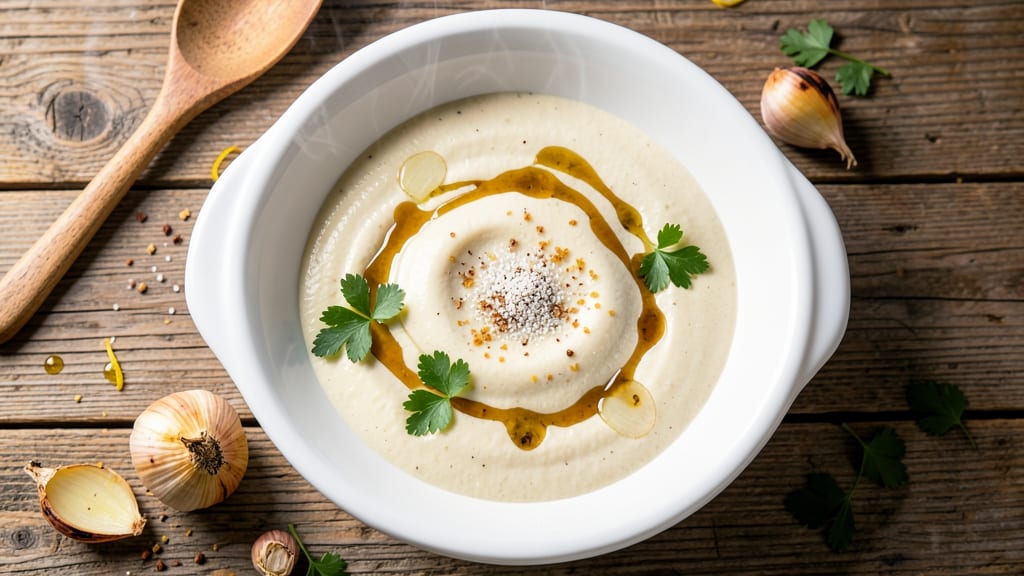
This Alfredo sauce recipe no butter proves creamy perfection doesn't require dairy fat—just the right technique. The secret lies in olive oil's rich texture, combined with cashew cream for velvety depth and nutritional yeast for that signature cheesy flavor.
I developed this version after years of testing plant-based alternatives, and it finally delivers the restaurant-quality sauce I craved without butter.
The foundation starts with a silky olive oil base that mimics butter's richness while staying light enough for perfect pasta cling. Garlic and shallots form the aromatic backbone, while a touch of white wine brightens the flavor before we build the sauce's signature creaminess.
The cashew cream adds natural thickness without graininess, and nutritional yeast provides that unmistakable parmesan-like depth.
What you'll end up with is a sauce that's smooth, luxurious, and perfectly balanced—creamy enough to coat every noodle but light enough to let the pasta shine. It's rich without being heavy, tangy without overpowering, and packed with umami flavor that transforms simple fettuccine into a gourmet meal.
The best part? It reheats beautifully, making it ideal for meal prep.
This recipe works equally well with fettuccine, chicken, or grilled vegetables, and the flavor actually improves as it sits. Store leftovers in the fridge for up to 5 days or freeze for longer storage—just give it a quick stir with a splash of pasta water to restore its silky texture.
Here's how to make it.
Ingredients for alfredo sauce recipe no butter
Eight simple ingredients transform into restaurant-quality Alfredo sauce without butter.
| Ingredient | Amount | Notes |
|---|---|---|
| Extra-Virgin Olive Oil 🫒 | ¾ cup | High-quality, fruity variety for richness |
| Raw Cashews 🥜 | 1 cup | Unsalted, soaked for creaminess |
| Garlic Cloves 🧄 | 4 cloves | Freshly minced for aromatic depth |
| Shallots 🧅 | 2 whole | Finely chopped, not too small |
| Dry White Wine 🍷 | ¼ cup | Sauvignon Blanc preferred |
| Nutritional Yeast 🍞 | ½ cup | Fortified for cheesy flavor |
| Vegetable Broth 💧 | 1 cup | Low-sodium preferred |
| Lemon Juice 🍋 | 1 tbsp | Freshly squeezed for brightness |
| Salt 🧂 | ½ tsp | Kosher or sea salt |
| Black Pepper 🌶️ | ¼ tsp | Freshly ground for warmth |
The olive oil is non-negotiable here—look for extra-virgin with a fruity aroma. Trader Joe's and Whole Foods have great options, but any high-quality brand works. Cashews need to be soaked for at least 2 hours (or overnight) to get that ultra-smooth texture. I usually buy them in bulk from Costco—cheaper and fresher. Shallots add subtle sweetness, but yellow onions work in a pinch if you're out. Fresh garlic and shallots make all the difference, but dried will work if you're in a bind.
No white wine? Substitute extra vegetable broth—just add 1 tablespoon of lemon juice to mimic the acidity. Nutritional yeast is the secret to that cheesy flavor—Bob's Red Mill is my go-to brand. If you can't find it, Parmesan powder at half the amount gives a similar kick. The broth should be low-sodium to avoid overpowering the sauce. For extra richness, blend in 1 tablespoon of tahini—it's a game-changer. And if you're worried about the sauce being too thick, just add a splash of warm water or pasta water as you go.
This sauce keeps beautifully—5 days in the fridge and 3 months in the freezer. For freezing, portion into ice cube trays first—just pop out what you need. Reheat gently on the stove with a splash of pasta water to restore that silky texture. It actually tastes better the next day as the flavors meld. I always make a double batch—one for dinner and one to freeze for lazy nights. The leftovers reheat like a dream.
Why You'll Love This Recipe
- This sauce works for everything: toss it with pasta for a quick Tuesday dinner, drizzle it over roasted veggies for a fancy-ish side, or even slather it on grilled chicken. Between us, I’ve used it as a marinade too—because why not? It’s that versatile.
- No-Sweat Creaminess: I swear by this sauce because it’s actually foolproof—just blend soaked cashews with olive oil and a splash of wine, no waiting for butter to melt or roux to thicken. The texture is luscious, and the only "chopping" I do is mincing shallots while I sip my coffee.
- Garlic-Wine Kick: That first taste of wine-infused garlic and shallots? Chef’s kiss. The cashews add richness without heaviness, and the wine cuts through the fat—it’s bright, bold, and way more interesting than store-bought Alfredo. Honestly, I’ve never missed dairy.
- Weeknight to Dinner Party: This sauce works for everything: toss it with pasta for a quick Tuesday dinner, drizzle it over roasted veggies for a fancy-ish side, or even slather it on grilled chicken. Between us, I’ve used it as a marinade too—because why not? It’s that versatile.
Step-by-step instructions for rich olive oil Alfredo sauce
This creamy sauce proves you don't need butter to get restaurant-quality Alfredo. Here's how to make it silky smooth.
Soak and Prepare the Cashews
Place the 1 cup raw cashews in a medium bowl and cover them with hot water by about 1 inch. Let them soak for at least 1 hour - I usually do this while I prep other components. Soaking makes them blend into a velvety base instead of a gritty paste. After soaking, drain them well and give them a quick rinse under cold water to remove any bitterness.
Here's the thing - don't skip this step. Dry cashews blend into a chalky texture that ruins the sauce. The soaking time is crucial for that ultra-smooth consistency we're after. While they soak, you can move on to the aromatics - they'll be ready by the time you need them.
Sauté Aromatics Until Golden
Heat the 0.75 cup extra-virgin olive oil in a medium saucepan over medium heat. Add the 2 whole shallots and 4 cloves garlic cloves, mincing the garlic right into the pan. Cook for 5-6 minutes until the shallots are soft and golden - you'll smell that sweet, caramelized aroma developing. This is where the sauce gets its depth of flavor.
Watch the heat carefully. You want gentle sizzling, not browning. If the garlic starts to darken too quickly, reduce the heat slightly. The oil should be shimmering but not smoking. Once the shallots are translucent and the garlic is fragrant, you're ready for the next step. Don't let them burn - that bitter taste will ruin your sauce.
Blend the Creamy Base
Transfer the drained cashews, sautéed shallots, and garlic to a high-powered blender. Add the 0.25 cup dry white wine and blend until completely smooth. Here's where it gets interesting - we're building the sauce's body right now. The wine adds acidity that balances the richness of the cashews and olive oil.
After about 30 seconds of blending, you should have a thick, pale yellow paste. If it looks grainy, don't worry - just keep blending. This is your sauce foundation, and getting it smooth now will make all the difference in the final texture. The blender should be running at high speed to ensure no lumps remain.
Simmer and Develop the Sauce
Return the cashew mixture to your saucepan and add the 1 cup vegetable broth, 0.5 cup nutritional yeast, 1 tbsp lemon juice, 0.5 tsp salt, and 0.25 tsp black pepper. Bring to a gentle simmer over medium-low heat, stirring frequently to prevent sticking. Simmer for 8-10 minutes until the sauce thickens to your desired consistency.
This is where you'll see the magic happen. The sauce will transform from a thin liquid to a luxurious, clingy coating. Taste as you go - you might need to adjust the seasoning. The nutritional yeast gives that classic cheesy flavor without dairy, while the lemon juice brightens everything up. Keep stirring occasionally to prevent any burning at the bottom.
Finish and Use Immediately
Once the sauce reaches your perfect consistency (it should coat the back of a spoon), remove it from heat. The sauce will continue to thicken slightly as it cools, so don't over-simmer it. For an extra touch of richness, you can stir in an additional 1 tablespoon of olive oil at the end.
This sauce is best used immediately on pasta, but it will keep in the refrigerator for up to 5 days. When reheating, add a splash of water or broth to prevent thickening. The secret to great Alfredo is in the technique - blending thoroughly, simmering gently, and using high-quality olive oil. Serve over your favorite pasta and enjoy that creamy, cheesy flavor without any butter!
Pro Tips For Making Alfredo Sauce Recipe No Butter
- Toast the cashews right: Soak your raw cashews for 2 hours instead of roasting them—this cuts the nutty bitterness and makes them blend into a silky cream. I learned this the hard way after burning three batches trying to toast them in a dry pan.
- Sweat, don’t burn: Cook the shallots and garlic in olive oil over low heat until they’re translucent, not browned—you want flavor, not bitterness. High heat turns them into a sad, bitter mess that’ll ruin your sauce.
- Deglaze properly: After cooking the shallots and garlic, pour in the white wine and let it simmer for 2 full minutes before blending—this pulls out all the flavor stuck to the pan. Skipping this step leaves your sauce tasting flat.
- Blend with hot liquid: Add a splash of hot water or broth to the cashew mixture before blending—this forces the cashews to emulsify properly. Cold liquid makes them clump like a lumpy disaster. (Yes, even if you’re impatient like me.)
Wine and beer pairings for this dish
White Wine Pairings
This creamy olive oil Alfredo sauce pairs beautifully with crisp, dry white wines that cut through the richness. I always reach for a Sauvignon Blanc from New Zealand or France—its bright citrus notes and herbal undertones complement the sauce's garlic and lemon perfectly.
The acidity in these wines prevents the sauce from feeling too heavy on your palate. 🍷
If you prefer something slightly richer, a Chardonnay with minimal oak works wonderfully. Look for one from California or Chile—their subtle buttery notes (without actual butter!) enhance the sauce's velvety texture. Avoid overly oaked Chardonnays, as they can clash with the sauce's delicate balance.
Light Beer Options
For beer lovers, a crisp lager like Peroni or Heineken is my go-to choice. The clean, refreshing profile cleanses your palate between bites of pasta, letting the sauce's flavors shine. The carbonation also helps balance the richness, making each bite feel lighter. 🍺
A Belgian witbier like Hoegaarden adds an interesting twist with its coriander and citrus notes. The slight tartness pairs beautifully with the lemon in the sauce, creating a refreshing contrast. Just avoid heavy IPAs or stouts—they can overpower the sauce's delicate flavors.
Sparkling Wine
If you're celebrating or want something special, a dry sparkling wine like Prosecco or Cava is a fantastic match. The bubbles and acidity make the sauce feel even lighter and more refreshing.
I love pairing it with this sauce for a special weeknight dinner—it feels like a restaurant experience without the fuss. ✨
For a non-alcoholic option, try a sparkling water with a splash of lemon juice and a pinch of salt. It mimics the acidity and effervescence of sparkling wine while keeping things light. This is my go-to when I'm hosting guests who don't drink alcohol.
Red Wine Caution
While red wine lovers might reach for a bold choice, I'd advise against it with this sauce. The tannins in Cabernet Sauvignon or Merlot can clash with the creamy texture, making the dish taste bitter.
If you're set on red, opt for a light Pinot Noir—its delicate fruit notes won't overpower the sauce's richness. 🍇
Even with Pinot Noir, I recommend drinking it slightly chilled to soften the tannins and enhance the wine's fruitiness. The contrast with the sauce's creamy, garlicky profile is surprisingly harmonious when done right.
Nutrition facts
Frequently asked questions
Can I make this sauce without cashews?
Yes! For a nut-free version, blend 1 cup cooked white beans (like cannellini) with 1/4 cup tahini instead of cashews. The beans add creaminess while tahini boosts richness. Soak the beans first to improve texture, just like with cashews. This swap works especially well if you're also avoiding nuts for allergies.
Why does my sauce get grainy after blending?
Graininess usually happens when cashews aren't soaked long enough or blended thoroughly. Always soak for at least 2 hours (overnight is best) and blend on high for 30+ seconds after adding liquid. For extra smoothness, strain through a fine-mesh sieve after blending. If using pre-soaked cashews from a package, check the label—they're often pre-treated differently.
How do I adjust this for a dairy-free diet?
This recipe is already dairy-free, but you can enhance it further by using vegan nutritional yeast (like Bragg's) and ensuring your olive oil is certified dairy-free. For extra richness, stir in 1 tablespoon of coconut cream after simmering. The sauce's natural thickness comes from cashews and olive oil, so no additional thickeners are needed unless you prefer it extra heavy.
Can I make this sauce ahead of time?
This sauce actually tastes better after resting. Store it in an airtight container in the fridge for up to 5 days. To reheat, warm gently on low heat and thin with a splash of pasta water or vegetable broth. For freezing, portion into ice cube trays first—just pop out what you need. The sauce thickens slightly when chilled, so adjust consistency when reheating.
What's the best pasta to use with this sauce?
Any medium-width pasta works beautifully, but fettuccine or tagliatelle are classic choices. For extra texture, try pappardelle or linguine. Avoid thick noodles like rigatoni—they can make the sauce feel too heavy. Save egg noodles for another time, as they absorb sauce differently. The sauce's light texture pairs best with pasta that has some bite when cooked al dente.