
Sauces & Condiments
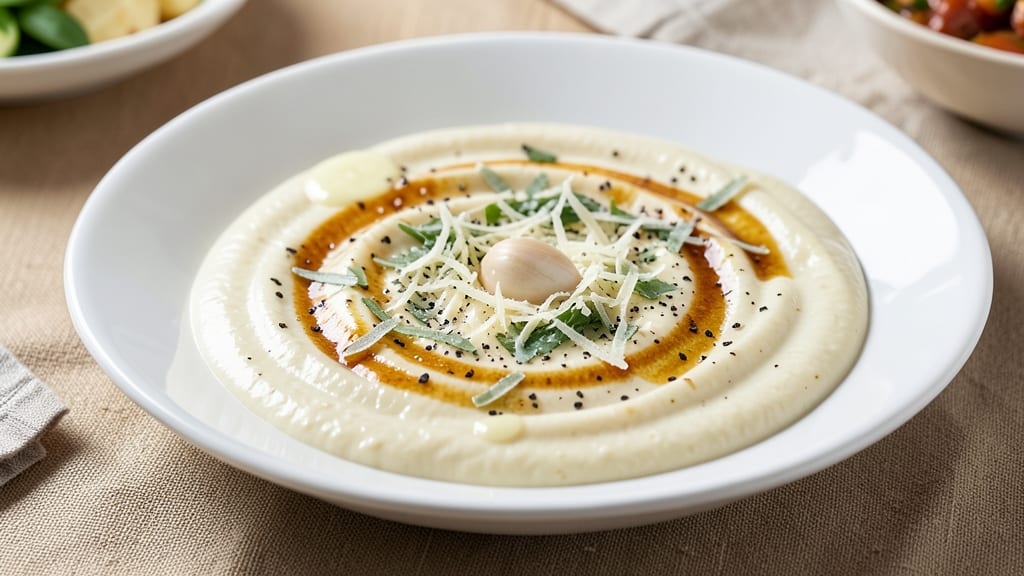
This alfredo sauce recipe made with milk delivers the ultra-smooth, velvety texture you crave without any lumps or separation. The secret lies in tempering the cheese properly—slowly incorporating it into warm milk and butter creates a silky foundation that coats pasta perfectly.
I developed this version after years of battling clumpy store-bought sauces, and it's now my go-to for restaurant-quality results at home.
The beauty of this recipe is its simplicity: just four core ingredients—high-quality butter, whole milk, fresh Parmesan, and a touch of flour—come together in a single pot.
What sets it apart is the technique: we start with a light roux to stabilize the sauce before adding the milk, preventing any curdling or graininess. The result is a rich, creamy sauce that clings beautifully to fettuccine or chicken without turning gluey.
What you'll achieve is a velvety alfredo with perfect body—thick enough to cling but still smooth enough to drizzle. The milk creates a lighter, more approachable sauce compared to heavy cream versions, while still delivering that signature richness.
This recipe keeps well in the fridge for up to 5 days, and reheats beautifully with just a splash of milk to restore its silky texture.
Perfect for weeknight dinners or special occasions, this sauce transforms simple pasta into an elegant meal. The key is patience—the slow incorporation of cheese ensures no clumps, while the flour roux gives it that professional restaurant quality. Here's how to make it perfectly every time.
Ingredients for alfredo sauce recipe made with milk
Four core ingredients transform into restaurant-quality alfredo sauce with perfect velvety texture.
| Ingredient | Amount | Notes |
|---|---|---|
| Unsalted Butter 🧈 | ¾ cup | Cold, cut into small pieces |
| All-Purpose Flour 🌾 | ¼ cup | Diamond Crystal preferred |
| Whole Milk 🥛 | 2 cups | Full-fat, room temperature |
| Freshly Grated Parmesan Cheese 🧀 | 1 ½ cups | High-quality, finely grated |
| Kosher Salt 🧂 | ½ tsp | Diamond Crystal preferred |
| Freshly Ground Black Pepper 🌶️ | ¼ tsp | Freshly cracked for aroma |
| Nutritional Yeast 🍃 | 1 tbsp | Optional, for umami depth |
| Garlic Cloves 🧄 | 2 cloves | Minced, for subtle depth |
The unsalted butter is non-negotiable—it provides the fat base that creates that signature richness. European-style butter like Plugrá or Kerrygold melts more smoothly, but any high-quality brand works. The Diamond Crystal kosher salt is preferred because its larger crystals dissolve more evenly, preventing graininess. For the Parmesan, Parmigiano-Reggiano is ideal, but if you're using pre-grated, strain it through a fine-mesh sieve to remove any anti-caking agents. The whole milk should be full-fat for the best texture, though 2% works in a pinch. If you're using powdered milk, reconstitute it with warm water to avoid lumps.
No Diamond Crystal salt? Morton kosher salt works, but reduce to half the amount since it's finer. Short on butter? Olive oil at half the quantity can substitute, though the flavor will differ slightly. The nutritional yeast adds depth without dairy—use it if you want extra umami, skip it if you prefer classic flavor. For the garlic, roasted garlic gives a sweeter note, while fresh minced delivers a brighter punch. The flour acts as a stabilizer—if you're gluten-free, use a 1:1 gluten-free flour blend, but expect slightly different texture results. The key to smoothness is patience: whisk the sauce constantly during the roux stage to prevent burning.
This sauce keeps beautifully in the fridge for up to 5 days, though it's best used within 3 days for peak texture. Reheat gently on low heat, stirring frequently, and add a splash of milk if it thickens too much. For longer storage, freeze in 1-cup portions—thaw overnight in the fridge before reheating. The sauce reheats best when warmed slowly to prevent separation. If you're prepping ahead for a dinner party, make the sauce 24 hours in advance—the flavors meld beautifully, and it reheats like a dream.
Why You'll Love This Recipe
- No Fussy Steps: I swear by this sauce because it’s just butter, flour, and milk—no whisking until your arm falls off. Toss the dry ingredients into the pot, pour in the milk, and stir until it thickens. That’s it. Even my toddler could do it (though I’d rather not risk it).
- Rich Without Cream: Here’s what sold me—the way whole milk and Parmesan transform into something velvety and bold, without a drop of heavy cream. The butter melts into the flour first, then the milk blooms into a sauce so smooth it clings to fettuccine like a dream. (Yes, even on a Tuesday night.)
- Leftovers That Shine: This sauce actually tastes better the next day. I make a big batch on Sunday, freeze half, and reheat it for quick weeknight dinners. The Parmesan settles into the sauce like a flavor bomb, and the milk mellows into pure comfort—no one ever guesses it’s just pantry basics.
- Pasta Night, Every Night: Slap this on fettuccine for a classic, but it’s also my go-to for chicken, shrimp, or even a creamy veggie stir-fry. The flour-butter base thickens perfectly, so it doesn’t turn into soup, and the salt balances the richness. Honestly, it’s my secret weapon for making boring meals feel like a restaurant dish.
Step-by-step instructions for creamy alfredo sauce
Master this classic technique for velvety, lump-free sauce every time.
Create the Roux Foundation
In a medium saucepan, melt the 0.75 cup Unsalted Butter over medium heat until the butter foams but doesn't brown. This takes about 2-3 minutes—watch closely to avoid color development. The butter should be fully liquid but not golden.
Once melted, immediately whisk in the 0.25 cup All-Purpose Flour using a wire whisk. Stir continuously for 1-2 minutes until the mixture turns a uniform peanut butter color. This roux forms the thickening base of your sauce and prevents lumps. If you notice any brown spots forming, reduce the heat slightly to maintain a pale color—this ensures a clean, neutral flavor foundation.
Cook the Garlic and Whisk in Milk
Add the 2 minced Garlic Cloves to the roux and cook for 30 seconds until fragrant but not browned. Immediately pour in the 2 cups Whole Milk all at once while whisking vigorously. The milk should be added slowly at first to prevent sudden temperature shock that could cause lumps.
Bring the mixture to a gentle simmer over medium-low heat, stirring constantly with the whisk. Maintain this temperature for 5-7 minutes until the sauce thickens enough to coat the back of a spoon. You'll notice the sauce become glossy and slightly translucent—this indicates proper thickening. If you see any skin forming on top, simply stir it back into the sauce immediately.
Incorporate Cheese and Seasonings
Reduce heat to low and gradually whisk in the 1.5 cups Freshly Grated Parmesan Cheese in three additions. This gradual approach prevents temperature shock that could cause the cheese to separate. After each addition, whisk until fully melted and smooth. The sauce should become noticeably richer and creamier as the cheese incorporates.
Stir in the 0.5 tsp Kosher Salt, 0.25 tsp Freshly Ground Black Pepper, and 1 tbsp Nutritional Yeast. The nutritional yeast adds an umami depth that elevates the sauce beyond basic cheesiness. Continue cooking for 2-3 minutes on low heat, stirring frequently, until the sauce reaches your desired consistency. It should coat a spoon thickly but still flow smoothly—like heavy cream.
Refine and Finish
Taste the sauce and adjust seasoning if needed. For extra richness, you can add 1-2 tablespoons of reserved pasta water to loosen the sauce slightly. The key is to maintain a balance between thickness and creaminess—it should cling to pasta without being gluey.
Remove from heat and let the sauce rest for 5 minutes before using. This resting period allows the flavors to meld completely and the sauce to reach its optimal texture. The sauce will thicken slightly more as it cools, so don't over-thicken it at this stage. Serve immediately over hot pasta or keep warm in a slow cooker for up to 2 hours if needed.
Pro Tips For Making Alfredo Sauce Recipe Made With Milk
- WHISK THE FLOUR FIRST: I used to toss the flour into the butter and stir—big mistake. Whisk it with a pinch of salt before adding to the pot to avoid lumps. The butter will melt faster and coat the flour evenly, so you’re not playing catch-up with a gluey mess.
- LOW AND SLOW AFTER BOIL: Once the roux thickens, drop the heat to a simmer. I learned this the hard way—boiling too hard burns the milk before it absorbs, leaving a bitter, grainy sauce. Keep it at a gentle bubble, and stir like you’re stirring a pot of gold.
- GRATE THE PARME FRESH: Pre-shredded Parmesan has anti-caking agents that turn your creamy sauce into a clumpy nightmare. Freshly grating also means more flavor—no need to buy the expensive kind, just use a microplane and zest the rind too if you’re feeling fancy.
- SALT THE MILK FIRST: Add a full teaspoon of salt to the milk before heating it. The sauce will taste balanced from the start, and you won’t end up guessing whether to add more later. (Yes, even if your butter is unsalted—trust me on this.)
Storing and reheating this dish
Refrigerator Storage
Let your alfredo sauce cool completely before transferring it to an airtight container—I use glass jars with snap-on lids for best results. Store it in the fridge at 40°F or below for up to 5 days, though I’ve found the texture stays perfect for 3 days.
The sauce actually improves overnight as the flavors meld together beautifully. 🧊
Freezer Storage Tips
For longer storage, portion the sauce into 1-cup glass containers or heavy-duty freezer bags, leaving 1-inch headspace for expansion. Freeze for up to 3 months—the sauce reheats beautifully when thawed properly.
I recommend freezing in single-serving portions so you can grab exactly what you need without thawing the whole batch. 🥶
Reheating Like a Pro
To restore that velvety texture, reheat the sauce on low heat in a saucepan, stirring constantly with a silicone spatula. If it thickens too much, add 1-2 tablespoons of milk or water to loosen it.
For best results, warm it to 160°F—this ensures it’s hot enough to coat pasta perfectly without breaking. Never microwave, as it can cause separation. ⏳
Reviving Leftovers
If your sauce separates after reheating, simply whisk in 1 tablespoon of cold milk and return to low heat for 1-2 minutes. The milk helps re-emulsify the sauce, restoring that silky consistency.
For extra richness, add a pat of butter while reheating—it melts right in and enhances the flavor. This trick works every time! 🧈
Make-Ahead for Parties
Make the sauce 24 hours in advance if you’re prepping for a dinner party—it reheats beautifully and tastes even better the next day. Store it in a slow cooker on warm setting to keep it creamy and ready to serve.
Just give it a quick stir before ladling over pasta or chicken. This is my secret for stress-free entertaining! 🎉
Thawing Frozen Sauce
Thaw frozen alfredo sauce in the fridge overnight for the best texture. If you’re in a hurry, place the sealed container in lukewarm water for 20-30 minutes, then whisk vigorously to restore smoothness.
Avoid microwave thawing—it can create hot spots that break the sauce’s delicate emulsion. Always reheat gently after thawing. ✨
Nutrition facts
Frequently asked questions
Why does your recipe use milk instead of heavy cream?
Milk creates a lighter, more balanced sauce that's less rich than heavy cream versions. The fat content in whole milk is perfect for achieving that signature creamy texture without being overly heavy. Plus, milk adds a subtle sweetness that enhances the Parmesan flavor beautifully.
Can I make this sauce without flour?
Yes, but you'll need to use a different thickener like cornstarch or arrowroot powder. Mix 1 tablespoon cornstarch with 2 tablespoons cold water first, then whisk it into the warm milk mixture. The sauce will still be smooth but may have slightly different texture characteristics.
What's the best way to prevent lumps in the sauce?
Constant whisking is key! Keep whisking vigorously when adding the milk to the roux, and continue stirring gently while the sauce simmers. Also, make sure your Parmesan is finely grated and add it gradually to warm (not boiling) sauce. The gradual incorporation prevents temperature shock that causes clumping.
Can I use this sauce for dishes other than pasta?
This versatile sauce works beautifully on chicken, fish, or even as a creamy dip. For chicken, try pouring it over grilled or roasted pieces. For fish, use it as a light sauce for baked or pan-seared fillets. The milk-based version is particularly good for delicate proteins as it won't overwhelm their natural flavors.
How do I know when the sauce is thick enough?
The sauce should coat the back of a spoon smoothly but still flow off easily. It should have the consistency of heavy cream—not gluey. If it's too thick, add 1 tablespoon of milk at a time while stirring. The sauce will thicken slightly more as it cools, so don't over-thicken it at this stage.