
Sauces & Condiments
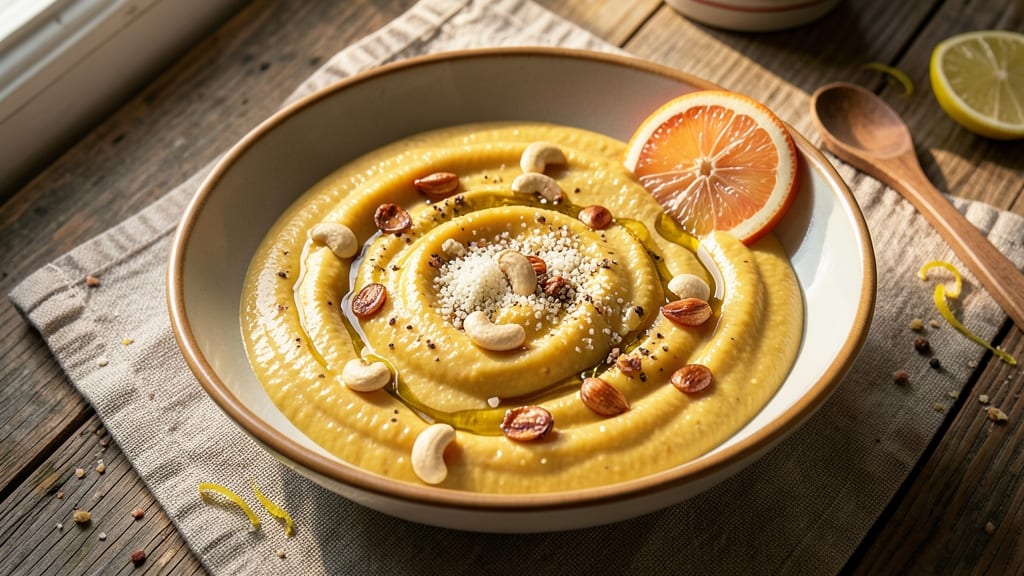
This alfredo sauce recipe no milk delivers restaurant-quality richness without dairy—perfect for vegans or anyone avoiding milk. The secret lies in a velvety roasted garlic base blended with cashews and nutritional yeast, creating a sauce that clings beautifully to pasta while staying creamy without curdling.
I developed this after years of perfecting plant-based sauces that actually taste indulgent, not like a compromise.
The foundation starts with roasted garlic, which adds deep, sweet flavor that traditional milk-based sauces can't match. Cashews provide the natural creaminess, while nutritional yeast delivers that unmistakable cheesy depth.
This version requires no milk substitutes or heavy cream—just simple pantry staples that blend into a sauce so smooth it'll fool even the biggest skeptics.
What you'll end up with is a luxuriously thick, nutty, and garlicky sauce that coats every strand of pasta perfectly. The texture is velvety yet substantial, with just enough body to hold its shape when tossed.
It reheats beautifully too, making it ideal for meal prep or feeding a crowd without sacrificing flavor.
Use this sauce on fettuccine, penne, or even as a creamy dip for roasted vegetables. The roasted garlic flavor develops even more after resting, so let it sit for 10 minutes before serving. Here's everything you need to make it—no milk required.
Ingredients for alfredo sauce recipe no milk
Nine simple ingredients create a velvety, restaurant-style alfredo without dairy.
| Ingredient | Amount | Notes |
|---|---|---|
| Roasted Garlic Cloves 🧄 | 8 whole | Roasted until sweet and browned |
| Raw Cashews 🥜 | 1 cup | Unsalted, soaked in hot water |
| Nutritional Yeast 🍞 | ½ cup | Fortified, for cheesy flavor |
| Extra-Virgin Olive Oil 🫒 | ½ cup | High-quality, fruity variety |
| Lemon Juice 🍋 | 2 tbsp | Freshly squeezed, bright flavor |
| Garlic Powder 🧄 | 1 tsp | For extra depth if needed |
| Salt 🧂 | ½ tsp | Kosher or sea salt |
| Black Pepper 🌶️ | ¼ tsp | Freshly ground preferred |
| Water 💧 | ¼ cup | For blending consistency |
| White Wine (optional) 🍷 | ½ cup | Dry variety for extra richness |
The roasted garlic is non-negotiable—it's what gives this sauce that deep, sweet richness traditional recipes can't match. Trader Joe's sells pre-roasted garlic, but if you're roasting your own, wrap the whole bulb in foil and bake at 400°F for 30 minutes. Cashews are the secret weapon here—they blend into a silky texture that mimics cream perfectly. Bob's Red Mill or Trader Joe's unsalted cashews work best, but any brand will do if they're raw. Nutritional yeast is the cheesy secret—Bragg is the brand I always stock, but any fortified kind will work. If you can't find it, a mix of miso paste and lemon juice can mimic that umami depth (though it won't be identical).
No cashews? Silken tofu or blended white beans work in a pinch, though the texture will be slightly different. Short on garlic? Double the garlic powder and add a pinch of smoked paprika for depth. The white wine is optional but adds a lovely brightness—substitute extra lemon juice if you don't have it. For a nut-free version, blend 1 cup cooked cauliflower with the other ingredients, but you'll need to add 2 tbsp olive oil to compensate for the lack of fat. The sauce thickens as it cools, so if it's too thin after blending, let it sit for 10 minutes before tasting again.
This sauce keeps beautifully—store it in an airtight jar in the fridge for up to 5 days, or freeze portions for 3 months. The flavor actually improves after resting, so let it sit for at least 10 minutes before serving. For meal prep, divide it into small containers—it reheats perfectly and coats pasta like a dream. If it thickens too much when reheating, just stir in a splash of warm water. The roasted garlic flavor develops even more over time, so don't be afraid to make a big batch.
Why You'll Love This Recipe
- No Blender Hassle: I’ll admit, I was skeptical about cashews as a milk substitute—until I realized you just soak them, blend, and boom, creamy texture without the mess. No straining, no clumping, just smooth perfection in minutes.
- Umami Bomb: That nutritional yeast? It’s the secret weapon—deep, cheesy flavor without dairy, and the roasted garlic? Oh, it’s there, but in the best way. Bright lemon juice cuts through the richness, so it’s never heavy.
- Pasta Party Ready: Drizzle it over fettuccine for a quick weeknight dinner, toss it with roasted veggies for a vegan potluck, or even use it as a marinade for chicken. It’s my go-to for anything needing a creamy, garlicky hug.
- Budget-Friendly Luxury: Cashews are cheaper than heavy cream, and nutritional yeast lasts forever. A small batch stretches across three meals—leftovers reheat like a dream, and the cost? A fraction of store-bought Alfredo. (Yes, even on a Tuesday night.)
Step-by-step instructions for creamy roasted garlic alfredo sauce
Here's how to blend rich, dairy-free Alfredo using roasted garlic and cashews for that velvety texture.
Soak and Prepare the Cashews
Place the 1 cup raw cashews in a heatproof bowl and pour hot water over them until fully submerged. Let them soak for 15-20 minutes—this softens them for blending and prevents a gritty texture. While they soak, squeeze the 8 whole roasted garlic cloves from their skins using a garlic press or the flat side of a knife. You want a smooth paste, not minced pieces.
The soaking step is crucial—dry cashews blend into a powder, not a creamy sauce. If you're short on time, you can soak them in boiling water for just 5 minutes, but they'll need extra blending time. Drain the soaked cashews well before blending to avoid a watery sauce.
Blend the Base Ingredients
Transfer the soaked cashews, roasted garlic paste, 0.5 cup nutritional yeast, 0.5 cup extra-virgin olive oil, 2 tbsp lemon juice, and 0.25 cup water to a high-speed blender. Add 1 tsp garlic powder, 0.5 tsp salt, and 0.25 tsp black pepper for depth of flavor. If using, add the 0.5 cup white wine now—it adds a subtle richness that balances the garlic's intensity.
Blend on high for 1-2 minutes until completely smooth, scraping down the sides as needed. The sauce should be thick but pourable, like heavy cream. If it's too thick, add 1 tablespoon water at a time until it reaches the right consistency. Taste and adjust seasoning—you might need more salt or lemon juice to balance the garlic.
Simmer for Enhanced Flavor
Pour the blended sauce into a small saucepan and place it over medium-low heat. Stir in 1 tablespoon extra-virgin olive oil (this adds silkiness and prevents separation). Let the sauce simmer gently for 5-7 minutes, stirring occasionally. You're not trying to reduce it—just warm it through and let the flavors meld.
Here's the thing—simmering helps develop the sauce's depth. You'll notice the garlic flavor softens slightly, and the cashew taste mellows into a creamy backdrop. If the sauce starts to thicken too much, whisk in 1 tablespoon water to loosen it. Remove from heat immediately once it reaches 160°F—any hotter and the cashew flavor can turn bitter.
Finish and Use Immediately
For a restaurant-quality finish, stir in 1 tablespoon extra-virgin olive oil and 1 teaspoon lemon juice off the heat. This adds brightness and prevents the sauce from curdling when combined with pasta. The sauce should coat the back of a spoon but still be pourable. If it's too thick after simmering, thin it with 1-2 tablespoons warm water or pasta water.
Use the sauce immediately over fettuccine or your favorite pasta—it won't reheat as smoothly once cooled. For extra richness, toss in 1 tablespoon butter (optional) or a sprinkle of fresh parsley. The roasted garlic flavor shines when the sauce is fresh, so don't wait to serve. Store leftovers in an airtight container in the fridge for up to 3 days, but I promise you won't have any leftovers!
Pro Tips For Making Alfredo Sauce Recipe No Milk
- TOAST THE CASHEWS: I learned this the hard way—raw cashews blend into a gritty, chalky mess that ruins the sauce’s creaminess. Dry-toast them in a skillet over medium heat for 3-4 minutes until golden and fragrant, then cool before blending. The nutty depth explodes when you do this, and the texture becomes silky instead of sandy.
- PRESSURE-BLEND THE GARLIC: Roasted garlic cloves are stubborn. After blending the sauce base, add the garlic cloves to the blender and pulse with the lid slightly open—this lets steam escape and prevents a nuclear explosion. Then close the lid, blend on high for 10 seconds, and scrape down. The result? No floating chunks, just a velvety garlic punch.
- LEMON JUICE LAST: Add lemon juice at the very end, right after blending, or the acid will curdle the cashew emulsion. If you’re prepping ahead, store the sauce without it, then brighten it with a squeeze when reheating. Trust me, your sauce will stay smooth and bright instead of separating like a sad, broken custard.
- SALT THE OLIVE OIL: Toss a pinch of flaky salt into the olive oil before blending—it seasons the sauce more evenly and cuts through the richness of the cashews. I skip this, and the sauce tastes flat; I do it, and it’s restaurant-quality. Sounds weird, but it works.
Make-ahead tips for this recipe
Prep Ahead Strategy
Make this sauce 24 hours ahead for maximum flavor development. The roasted garlic and cashew flavors meld beautifully when refrigerated, creating a deeper, more complex taste. Store it in an airtight glass jar in the fridge—glass preserves texture better than plastic.
The sauce thickens slightly when chilled, so stir in 1-2 tablespoons warm water before reheating to restore creaminess. 💫
Freezer-Friendly Method
Freeze portions in ice cube trays for easy single-serving use. Once frozen, transfer cubes to a ziplock freezer bag and flatten to save space. Thaw overnight in the fridge, then reheat gently on the stovetop with 1 tablespoon pasta water per serving.
The sauce may separate slightly after freezing—just whisk vigorously to recombine before using. Perfect for meal prep!
Reheating Perfection
Reheat sauce on low heat with a splash of pasta water to maintain smoothness. Never microwave it directly—this causes the cashew emulsion to break. For best results, warm in a small saucepan over medium-low heat for 3-5 minutes, stirring constantly.
If it thickens too much, add 1 tablespoon water at a time until silky again. The sauce should reach 160°F for food safety. 🔥
Batch Cooking Tips
Double the recipe and freeze half for future use. Label containers with the date—this sauce keeps 3 months in the freezer without losing quality. When reheating from frozen, thaw overnight in the fridge first, then follow the reheating instructions above.
For large batches, divide into 1-cup portions before freezing to make reheating easier during busy weeks.
Pasta Pairing Prep
Cook your pasta 1 minute less than package instructions if using this sauce—it'll finish cooking in the sauce's residual heat. Reserve ½ cup pasta water before draining to thin the sauce if needed.
For extra restaurant-style presentation, toss the cooked pasta with 1 tablespoon olive oil before adding the sauce. This creates a better emulsion and prevents the sauce from breaking. ✨
Flavor Boost Before Serving
Just before serving, finish with a sprinkle of fresh parsley or a drizzle of high-quality olive oil. For an umami kick, add ½ teaspoon white miso paste to each serving.
The sauce's flavor actually improves after resting, so let it sit for 10 minutes at room temperature before serving for the best results. Trust me, this makes all the difference! 💛
Nutrition facts
Frequently asked questions
Can I make this sauce without cashews?
Yes! For a nut-free version, blend 1 cup cooked cauliflower with the other ingredients. Add 2 extra tablespoons olive oil to compensate for the lack of fat from cashews. The texture will be slightly lighter but still creamy. For extra richness, stir in 1 tablespoon tahini at the end.
Why does my sauce taste bitter?
Overheating or using too much garlic powder can cause bitterness. Remove from heat immediately when it reaches 160°F—never boil. Balance flavors with 1 teaspoon lemon juice or a pinch of sugar. For a smoother taste, simmer for just 5 minutes instead of 7.
How do I adjust the thickness?
If too thick, thin with 1 tablespoon warm water or pasta water at a time. For extra thickness, simmer uncovered for 2-3 minutes to evaporate moisture. The sauce naturally thickens as it cools, so always adjust before serving. For a velvety finish, whisk in 1 tablespoon olive oil off the heat.
Can I use this sauce for dishes other than pasta?
This sauce works beautifully as a dip for roasted vegetables, a creamy topping for baked potatoes, or even a dressing for grilled chicken. For dips, thin with 1-2 tablespoons water to make it more pourable. The roasted garlic flavor pairs well with almost any protein or veggie.
What's the best way to store leftovers?
Store in an airtight glass jar in the fridge for up to 5 days. For freezing, portion into ice cube trays and transfer to a bag. Thaw overnight in the fridge—never microwave directly. The sauce thickens when chilled, so stir in 1 tablespoon warm water before reheating.