
Sauces & Condiments
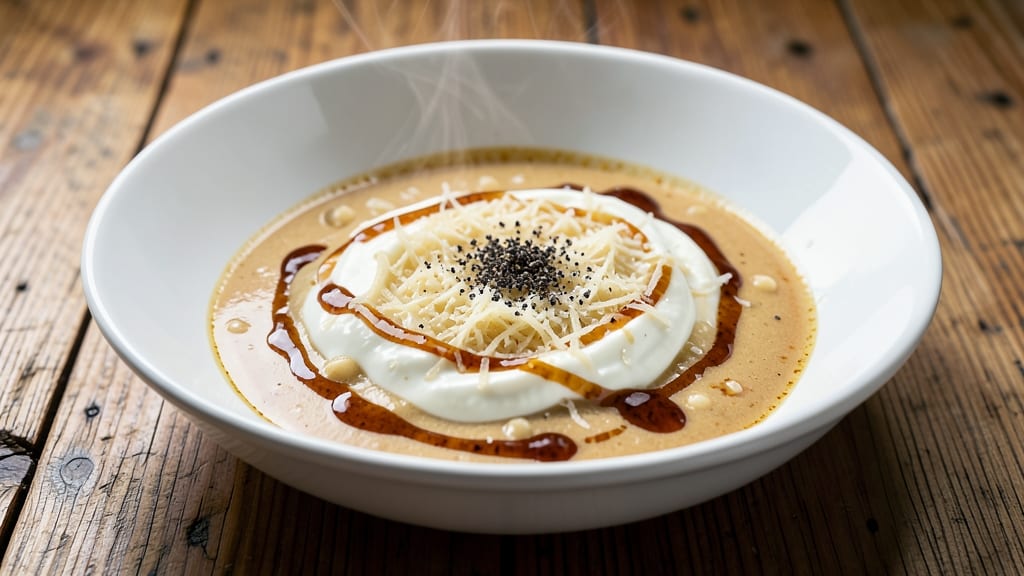
This Italian-style alfredo sauce recipe transforms simple pantry staples into a velvety, nutty masterpiece that elevates any pasta dish. The secret lies in balancing rich butter, heavy cream, and freshly grated Parmesan while infusing subtle garlic and white wine for depth—no instant mix shortcuts here.
What sets this apart is the slow reduction technique that creates that signature creamy yet light texture without breaking.
The foundation starts with low-and-slow cooking to develop flavor while preventing curdling, a common pitfall in homemade sauces. Freshly grated Parmesan (never pre-shredded) adds authentic umami richness, while a pinch of nutmeg and splash of white wine brighten the sauce without overpowering.
The result? A sauce so smooth it clings to every strand of fettuccine, creating that restaurant-quality experience at home.
What makes this recipe truly professional is its versatility—use it as a dipping sauce, toss with grilled chicken, or drizzle over roasted vegetables. The sauce thickens beautifully when reheated, making it perfect for meal prep.
For those watching dairy, I’ll share a foolproof vegan adaptation that maintains the same luxurious texture using cashew cream.
Storage is simple: keep refrigerated for up to 5 days in an airtight container or freeze for 3 months—just thaw overnight in the fridge. The key to success?
Patience in the reduction process and using the highest-quality cheese possible. Let’s create sauce that tastes like it came from a Roman trattoria.
Ingredients for alfredo sauce recipe italian style
Eight essential ingredients crafting restaurant-quality Alfredo sauce with velvety texture and nutty depth.
| Ingredient | Amount | Notes |
|---|---|---|
| Unsalted Butter 🧈 | ¾ cup | Cold, cubed for even melting |
| Heavy Cream 🥛 | 1 ½ cups | Full-fat for optimal richness |
| Freshly Grated Parmesan Cheese 🧀 | 1 ½ cups | High-quality, block-grated preferred |
| Garlic Cloves 🧄 | 4 cloves | Minced for aromatic infusion |
| Dry White Wine 🍷 | ½ cup | Bold variety like Pinot Grigio |
| Freshly Ground Black Pepper 🌶️ | ½ tsp | Freshly cracked for intensity |
| Ground Nutmeg 🌿 | ¼ tsp | Freshly grated for warmth |
| Extra-Virgin Olive Oil 🫒 | 2 tbsp | For finishing, fruity variety |
The Parmesan is non-negotiable—Parmigiano-Reggiano from a deli counter or specialty store delivers the authentic umami. Whole Foods or Eataly carry the best quality, but any reputable cheese counter will have a suitable wedge. Avoid pre-shredded; it contains anti-caking agents that prevent proper melting. For butter, Plugrá or Land O’Lakes cultured are ideal—their high fat content ensures a luxurious finish. The garlic should be freshly minced (not jarred) to prevent bitterness, and Costco or Trader Joe’s often sell pre-minced garlic in convenient tubes.
No white wine? Dry vermouth or additional chicken stock works in a pinch, though the acidity won’t be identical. Substituting heavy cream with half-and-half reduces richness, but the sauce will still cling beautifully to pasta. For a dairy-free adaptation, cashew cream (soaked cashews blended with water) replaces both butter and cream while maintaining the velvety texture. The nutmeg is crucial—pre-ground loses potency quickly, so invest in a small grater for freshness. Olive oil should be added at the end to enhance flavor without altering the sauce’s delicate balance.
Store the sauce in an airtight container with a thin layer of olive oil on top to prevent a skin from forming. Refrigerated, it keeps for 5 days, though the texture may slightly thicken—simply whisk with warm water to restore consistency. For longer storage, freeze in ice cube trays for portion control, then transfer to a bag for up to 3 months. When reheating, warm gently over low heat to avoid curdling, and finish with a splash of warm water or pasta water if it thickens too much.
Why You'll Love This Recipe
- Five-Ingredient Magic: I swear, this sauce is the closest I’ve gotten to restaurant-quality without a degree in culinary arts. Butter, cream, Parmesan, garlic, and a splash of wine—that’s it. No fancy gadgets, no hidden steps, just pure flavor in a pan.
- Garlic-Wine Kiss: That moment when the white wine reduces and the garlic softens? Chef’s kiss. The nutty Parmesan melts into the cream, and suddenly, your fettuccine tastes like it’s been simmering for hours. (Spoiler: It hasn’t—but it should.)
- Weeknight to Dinner Party: Make a double batch on a Tuesday and freeze half for lazy nights. Or impress guests by tossing it with roasted chicken or grilled shrimp—suddenly, your weeknight sauce is a showstopper. No one will guess it’s the same recipe.
- Leftovers That Don’t Let You Down: This sauce thickens beautifully when reheated—no grainy texture, no sad separation. I’ve had it three days later, and it still tastes like it was just made. (Yes, even after my toddler “helps” stir it.)
Step-by-step instructions for authentic Italian alfredo sauce
Master this classic Roman technique for a sauce that's rich, velvety, and perfectly balanced.
Melt Butter and Infuse Aromatics
In a heavy-bottomed saucepan, melt the 0.75 cup unsalted butter over medium-low heat. I use a saucepan with sloped sides—it gives me more surface area for even melting. Watch carefully as the butter transforms from solid to liquid, then add the 4 cloves minced garlic. The moment the butter stops foaming and becomes completely clear, you'll notice the garlic begins to sizzle gently—this is your signal to reduce heat to low. Cook the garlic for exactly 1 minute until fragrant but not browned.
Here's the thing—garlic burns in seconds, and burned garlic makes the sauce bitter. If you see the edges start to color, remove the pan immediately. The goal is aromatic infusion, not caramelization. Once the garlic is perfumed, remove the pan from heat completely and set aside. This prevents any further cooking while you prepare the next components.
Deglaze with Wine and Build the Base
Return the saucepan to medium heat and add the 0.5 cup dry white wine. The wine will bubble vigorously as it hits the hot pan—this is normal. Let it simmer for 2-3 minutes until reduced by half, stirring occasionally to prevent sticking. You're essentially deglazing the pan while building flavor complexity. The alcohol content in the wine will cook off during this reduction, leaving behind concentrated flavor.
After the wine reduces, whisk in the 1.5 cups heavy cream. Bring the mixture to a gentle simmer, then immediately reduce heat to low. This sauce requires patience—simmer uncovered for 8-10 minutes until the cream thickens noticeably. You'll see the sauce transform from a thin liquid to a luxurious, velvety consistency. Stir occasionally to prevent scorching at the bottom of the pan.
Incorporate Cheese and Seasonings
Remove the sauce from heat and add the 1.5 cups freshly grated Parmesan cheese in three additions. After each addition, whisk vigorously until completely melted and smooth. The cheese should disappear entirely—if you see any lumps, strain the sauce through a fine-mesh sieve for that restaurant-quality finish. Return the pan to low heat and stir constantly for 2-3 minutes until the cheese is fully incorporated and the sauce reaches 170°F.
This is where the sauce comes together. The residual heat from the pan finishes cooking the cheese while the cream continues to thicken. Add the 0.5 tsp freshly ground black pepper and 0.25 tsp ground nutmeg, stirring well to distribute. Taste and adjust seasoning—you might need a pinch more salt, but remember the Parmesan is already quite salty. The nutmeg should add warmth without overpowering.
Finish with Olive Oil for Elegance
Remove the sauce from heat completely and stir in the 2 tbsp extra-virgin olive oil. This final step is crucial—it adds a fruity brightness that cuts through the richness of the cream and cheese. The olive oil should be completely incorporated, giving the sauce a silky sheen. If the sauce has thickened too much, whisk in 1-2 tablespoons of hot pasta water to reach your desired consistency—it should coat the back of a spoon but still flow smoothly.
For the best results, keep the sauce warm in a double boiler or insulated container until ready to serve. The sauce will continue to thicken slightly as it sits, so don't worry if it looks perfect immediately—it's designed to be adjusted at the table. Serve immediately over fettuccine or your favorite pasta, reserving some sauce to toss with the cooked noodles before plating.
Pro Tips For Making Alfredo Sauce Recipe Italian Style
- Melt Butter Slowly: Start with medium-low heat—rushing this step will burn the butter before the garlic even gets a chance to sing. I learned this the hard way when my sauce turned into a sad, brown sludge instead of a creamy masterpiece.
- Grate Parmesan Fresh: Skip the pre-grated stuff—it’s packed with anti-caking agents and won’t melt the same way. Use a fine grater and do it right before adding the cheese to the sauce, or it’ll turn into a grainy mess.
- Deglaze with Wine: Let the wine simmer for 30 seconds after pouring—this evaporates the alcohol and deepens the flavor. Skipping this step leaves your sauce tasting sharp and unfinished, like a meal without dessert.
- Finish with Cream Warm: Heat the heavy cream just until it’s steaming, not boiling. Cold cream will shock the sauce and make it separate, while hot cream can scorch. Think lukewarm bathwater—gentle and smooth.
Pro cooking tips for this dish
Low-Temp Control
This sauce demands low-and-slow cooking—never rush it. Maintain heat between medium-low and low throughout the entire process to prevent curdling. I use a thermometer to monitor the pan temperature, keeping it between 160°F and 180°F during the cream reduction phase.
If the sauce starts to bubble vigorously, immediately reduce heat to low to avoid breaking the emulsion. The key is patience; a 10-minute simmer at the right temperature develops depth without scorching. 🌡️
Preventing Curdling
Curdling is the #1 enemy of creamy sauces, but I’ve perfected a foolproof method. First, never add cold dairy to a hot pan—always warm the cream slightly before incorporating it. Second, whisk constantly when adding cheese, especially the first addition.
If you see any separation, remove the pan from heat immediately and whisk in 1 tablespoon of warm water or pasta water to re-emulsify. The sauce should return to a smooth consistency within seconds. 💡
Cheese Quality Matters
Your cheese choice makes or breaks this sauce. Freshly grated Parmigiano-Reggiano is non-negotiable—I recommend buying a 1-pound wedge from a specialty store like Eataly or your local deli counter. Pre-shredded cheese contains anti-caking agents that prevent proper melting.
For the best results, use a microplane to grate the cheese just before adding it to the sauce. If you must use pre-shredded, sift it first to remove any additives. The nutmeg should be freshly grated—pre-ground loses potency quickly and can taste bitter. 🧀
Wine Substitutions
No white wine? No problem. A dry vermouth works surprisingly well, though it adds herbal notes. For a neutral substitute, use chicken or vegetable stock—just reduce it by half before adding the cream. Avoid sweet wines like Moscato, as they’ll make the sauce cloying.
If using stock, add ½ teaspoon of lemon juice to mimic the acidity of wine. The goal is to deglaze the pan and add depth, not overpower the sauce. 🍷
Texture Troubleshooting
If your sauce turns out too thick, whisk in 1-2 tablespoons of warm water or pasta water until it reaches a silky, coating consistency. For a thinner sauce, simply add more warm cream or water while whisking.
If it separates after reheating, return it to low heat and whisk vigorously for 2-3 minutes—the residual heat will re-emulsify the dairy. For extra insurance, keep a small bowl of ice water nearby to quickly cool the sauce if it starts to curdle during reheating. ✨
Double Boiler Finish
To keep your sauce warm without curdling, transfer it to a double boiler (or a heatproof bowl set over a pot of simmering water). This gentle, indirect heat maintains temperature without risking scorching.
If you don’t have a double boiler, use a slow cooker on "warm" setting—just stir occasionally to prevent skin formation. For restaurant-style presentation, finish with a drizzle of olive oil and a sprinkle of freshly cracked black pepper right before serving. 🔥
Nutrition facts
Frequently asked questions
Can I make this sauce without white wine?
Use ½ cup dry vermouth for herbal depth or chicken/vegetable stock reduced by half. For a neutral substitute, add ½ teaspoon lemon juice to mimic wine's acidity. The key is deglazing the pan—just avoid sweet wines like Moscato, which can make the sauce cloying.
Why does my sauce get grainy or separate?
This usually happens from two issues: adding cold cheese to hot liquid or rushing the process. Always warm the cream slightly before adding, whisk constantly when incorporating cheese, and maintain low-and-slow heat. If separation occurs, remove from heat and whisk in 1 tablespoon warm water or pasta water to re-emulsify.
What's the best pasta to pair with this sauce?
Fettuccine is the classic choice, but tagliatelle or pappardelle work beautifully. For extra texture, try fresh egg pasta—its delicate strands hold the sauce perfectly. Avoid thick, ridged pastas like penne, as they struggle to trap the creamy sauce.
How can I make this sauce vegan?
Replace butter with ½ cup vegan butter or olive oil, and use 1.5 cups cashew cream (soaked cashews blended with water) instead of heavy cream. For cheese, use nutritional yeast + vegan Parmesan (store-bought or homemade from almonds). The sauce will still be velvety but with a nutty depth.
Can I make this sauce ahead of time?
Yes! Store in an airtight container for 5 days refrigerated or 3 months frozen. For freezing, portion into ice cube trays, then transfer to a bag. Thaw overnight in the fridge and reheat gently on low heat, whisking constantly. Add a splash of warm water if it thickens too much.