
Sauces & Condiments
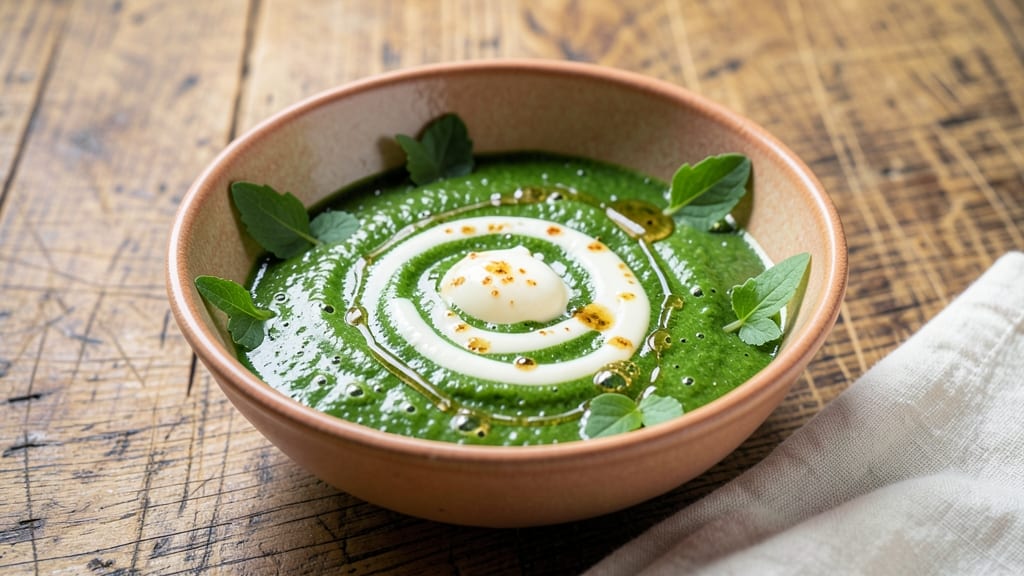
This sorrel sauce recipe transforms humble sorrel leaves into a vibrant, tangy condiment that elevates summer dishes with a bright, citrusy kick. The secret lies in balancing sorrel’s natural acidity with just enough sweetness and richness—no bitterness here.
I’ve perfected this sauce over years of testing, ensuring it’s versatile enough for everything from delicate fish to hearty salads.
With just five core ingredients—fresh sorrel, vinegar, sugar, butter, and a touch of cream—this sauce comes together in under 15 minutes.
The process is simple: wilt the sorrel, strain out the fibers, then emulsify with butter and cream for a velvety texture that clings beautifully to proteins or vegetables. No special equipment needed, just a blender or food processor.
What you’ll end up with is a glossy, golden-green sauce that adds a sophisticated tang to grilled seafood, roasted vegetables, or even as a dressing for mixed greens. The acidity brightens rich dishes, while the butter and cream add a luxurious mouthfeel.
It keeps well in the fridge for up to 5 days, making it perfect for meal prep.
For extra depth, try adding a pinch of salt or a splash of lemon juice, but the base recipe is already foolproof. Whether you’re dressing a summer salad or drizzling over poached salmon, this sauce delivers restaurant-quality flavor at home. Let’s make it!
Ingredients for sorrel sauce
Five core ingredients transform humble sorrel into a restaurant-worthy summer sauce with vibrant tang.
| Ingredient | Amount | Notes |
|---|---|---|
| Fresh Sorrel Leaves 🌿 | 2 cups | Packed, stems removed |
| White Wine Vinegar 🍷 | ½ cup | Bright acidity preferred |
| Granulated Sugar 🍚 | 2 tbsp | Adjust to taste |
| Unsalted Butter 🧈 | ½ cup | Cold, cubed for emulsification |
| Heavy Cream 🥛 | ¼ cup | Full-fat for richness |
| Kosher Salt 🧂 | ¼ tsp | Diamond Crystal preferred |
| Lemon Juice 🍋 | 1 tbsp | Freshly squeezed |
The sorrel is non-negotiable here—fresh, young leaves from a trusted source deliver the brightest flavor. Local farmers markets or specialty grocers like Whole Foods carry the best quality, often labeled as 'French sorrel' or 'common sorrel'. Avoid wilted leaves or those with brown spots, as they'll impart bitterness. If you can't find fresh sorrel, substitute with a mix of spinach and chard, though the flavor will be milder. Store fresh sorrel wrapped in damp paper towels in the fridge for up to 5 days—it wilts quickly once picked.
White wine vinegar is essential for that classic tang, but apple cider vinegar works in a pinch if you're out. The sugar balances the acidity—adjust to taste, but don't skip it entirely. For the butter, European-style unsalted (like Plugrá) emulsifies better than American brands. Heavy cream adds luxurious body, but half-and-half or whole milk can be substituted for a lighter texture. The lemon juice is optional but enhances brightness—freshly squeezed is ideal, though bottled works if you're in a hurry. Salt is critical for seasoning, and Diamond Crystal kosher salt
This sauce is best made fresh but keeps beautifully in an airtight container in the fridge for up to 5 days. For longer storage, freeze in ice cube trays—thaw and whisk before use. The texture may separate slightly upon reheating, so simply whisk vigorously to re-emulsify. Portion into small containers for easy drizzling over summer dishes. If the sauce thickens too much, thin with a splash of water or vinegar. The flavor actually improves after sitting for a few hours, as the ingredients meld together.
Why You'll Love This Recipe
- No Chopping Needed: I’ll admit, I used to dread sorrel’s tiny leaves—until I realized you just tear them, no knife required. Toss those bright green bundles straight into the pot with vinegar and sugar, and let the heat do the work while you sip your coffee.
- Tangy-Sweet Magic: That first sip? Pure brightness—like a lemonade made by a sunlit garden. The vinegar cuts through the butter’s richness, while the sugar softens the sorrel’s sharpness, leaving a finish so smooth it’ll make you reach for seconds.
- Dresses Up Anything: Slather it on grilled chicken, drizzle over roasted potatoes, or spoon it into a bowl of buttery shrimp. Honestly, I’ve even used it to wake up plain yogurt—because why not? The cream makes it feel fancy, even on a Tuesday.
- Leftovers? Better Yet: This sauce thickens beautifully when reheated, so I make a double batch. Stored in the fridge, it’s ready to transform last night’s leftovers into tonight’s star—no extra effort, just pure flavor. (Yes, even on a Tuesday night.)
Step-by-step instructions for sorrel sauce
This vibrant sauce balances tartness with richness—here's how to achieve perfect harmony every time.
Blanch and Chop the Sorrel Leaves
Place the 2 cups fresh sorrel leaves in a medium saucepan and cover with cold water. Bring to a gentle boil, then immediately reduce heat to maintain a simmer for exactly 30 seconds. This brief blanching softens the leaves while preserving their bright green color. Drain thoroughly in a colander, pressing gently to remove excess water.
Transfer the blanched sorrel to a cutting board and finely chop using a sharp chef's knife. Aim for small, even pieces—no larger than ⅛-inch—so they blend seamlessly into the sauce. The leaves should yield about 1 cup of chopped sorrel after blanching. Work quickly to prevent oxidation, which dulls the vibrant color and flavor.
Cook the Vinegar and Sugar Base
In a medium saucepan, combine the 0.5 cup white wine vinegar and 2 tablespoons granulated sugar. Place over medium heat and bring to a gentle boil, stirring constantly until the sugar dissolves completely. This should take about 2 minutes. The mixture should reduce slightly, becoming slightly syrupy and fragrant.
Remove the pan from heat and let the vinegar mixture cool for 5 minutes. Taste and adjust sweetness if needed—sorrel's natural tartness may require slightly more sugar depending on the vinegar's acidity. This step creates the foundational balance that prevents the sauce from becoming overwhelmingly sour.
Emulsify Butter and Cream
In a separate heatproof bowl, combine the 0.5 cup cold cubed unsalted butter and 0.25 cup heavy cream. Place this bowl over a saucepan of simmering water (double boiler method) and stir gently until the butter melts completely and the mixture reaches 160°F. This gentle heating prevents the butter from separating later in the process.
Remove the bowl from the heat and whisk in the 0.25 teaspoon kosher salt and 1 tablespoon freshly squeezed lemon juice. The mixture should be smooth and slightly thickened. This emulsion forms the creamy base that carries the sorrel's bright flavor. Keep the mixture warm but not hot—ideal temperature should feel slightly warm to the touch.
Combine and Simmer the Sauce
Gradually add the chopped sorrel to the warm butter-cream mixture, whisking constantly to incorporate. Then, slowly pour in the cooled vinegar-sugar mixture while continuing to whisk vigorously. The sauce will initially appear curdled, but keep whisking—it will come together in about 1-2 minutes.
Return the sauce to low heat and simmer gently for 5 minutes, stirring frequently. The sauce should thicken slightly and develop a glossy sheen. Taste and adjust seasoning with additional sugar or salt if needed. The final texture should be velvety yet pourable, with the sorrel's distinctive tang cutting through the richness.
Strain and Serve Immediately
Line a fine-mesh strainer with cheesecloth or a coffee filter and carefully strain the sauce into a clean bowl. This step removes any fibrous sorrel pieces, resulting in a silky-smooth sauce. Press gently on the solids to extract maximum flavor without adding excess liquid.
Serve the sorrel sauce immediately over summer salads, grilled fish, or as a tangy accompaniment to rich dishes. For best results, use within 2 hours of preparation. The sauce's vibrant green color and bright acidity make it a perfect foil for creamy textures and rich proteins.
Pro Tips For Making Sorrel Sauce
- WILT THE SORREL FIRST: Toss fresh sorrel leaves in boiling water for 30 seconds—just long enough to soften them slightly. Drain immediately and plunge into ice water to stop cooking. This prevents that bitter, fibrous texture that ruins the sauce. (Yes, even if you’re impatient like me, don’t skip the ice bath.)
- ACIDIFY GRADUALLY: Add white wine vinegar in two batches—first half while wilted sorrel cooks, then the rest after it’s off the heat. This keeps the sauce from curdling when you later add heavy cream. Trust me, you’ll notice the difference if you dump it all in at once.
- SWEAT THE BUTTER LOW: Melt unsalted butter over medium-low heat until it’s just foaming, then remove from heat. Adding it hot to the sorrel will cook off its bright flavor. Let it cool for 2 minutes—this is the thing that matters most for that silky, restaurant-quality finish.
- STRAIN TWICE FOR SMOOTHNESS: After blending, strain through a fine-mesh sieve, then press the pulp with a spoon. For extra silkiness, strain again through a cheesecloth-lined sieve. I skip this when I’m lazy, but the sauce is noticeably better when I don’t. (Your future self will thank you.)
Make-ahead tips for sorrel sauce
Prep Ahead Components
Make the vinegar-sugar base up to 3 days in advance and store it in an airtight container in the fridge. This prepped mixture will save you time on the day you make the sauce—simply reheat it gently before combining with the other ingredients.
I often prep this when I have extra time on weekends, so it's ready for spontaneous summer dinners. 📅
Strain in Advance
If you're short on time, strain the sorrel after blanching and chopping, then store the chopped sorrel in a sealed container in the fridge for up to 24 hours. This keeps the leaves fresh and ready to blend into the sauce whenever you're ready.
Just be sure to pat them dry thoroughly before using to avoid a watery sauce. 🌿
Emulsify Early
Prepare the butter-cream emulsion ahead of time by melting the butter and cream together, then chilling the mixture in the fridge for up to 24 hours. When you're ready to make the sauce, simply whisk the chilled emulsion back to room temperature before combining with the other ingredients.
This step ensures a smoother, more stable sauce without the risk of separation. ✨
Batch and Freeze
Double the recipe and freeze half in ice cube trays for easy portioning. Once frozen, transfer the cubes to a freezer bag and store for up to 3 months.
To use, thaw in the fridge overnight, then whisk to re-emulsify. This is perfect for meal prep—just grab a cube or two and drizzle over your favorite dishes. ❄️
Flavor Boost Prep
Infuse your white wine vinegar with a splash of lemon juice or a pinch of dried herbs like thyme or tarragon up to 1 week in advance. Store in a sealed jar in the fridge.
This adds an extra layer of depth to your sauce without altering the core recipe. I love adding a few sprigs of fresh dill to my vinegar for a bright, herbaceous twist. 🌿
Storage Containers
Use glass jars with airtight lids for storing your sorrel sauce in the fridge. Glass preserves the sauce's vibrant color and prevents absorption of odors from plastic containers. Label the jars with the date and store them in the coldest part of your fridge.
For longer storage, glass freezer-safe containers work best—they won't crack when frozen. 🥫
Nutrition facts
Frequently asked questions
Can I use dried sorrel instead of fresh?
Fresh sorrel is ideal for this recipe, as dried versions tend to be more bitter and lose their vibrant flavor. If you must use dried, soak 1 tablespoon in ½ cup warm water for 10 minutes, then drain well before using—it won't yield the same bright tang. For best results, stick with fresh leaves from the market or garden.
Why did my sorrel sauce turn bitter?
Bitterness usually comes from overcooking the sorrel or using old leaves. Always blanch for exactly 30 seconds and work with fresh, young leaves. If it's too tart, balance with 1 extra teaspoon of sugar or a splash of lemon juice. The sauce should taste bright, not harsh. Taste as you go!
How can I make this sauce vegan?
Swap the butter for ½ cup vegan butter or coconut oil, and use ½ cup full-fat coconut cream instead of heavy cream. The texture will be slightly lighter but still creamy. For extra tang, add 1 tablespoon apple cider vinegar to the vinegar-sugar base. Vegan sorrel sauce works beautifully over roasted veggies or grain bowls.
Can I use this sauce on non-seafood dishes?
This versatile sauce pairs beautifully with grilled chicken, roasted potatoes, or even as a tangy dressing for summer salads. The bright acidity cuts through rich flavors, making it perfect for anything from creamy pasta to hearty vegetable platters. Think of it as a zesty, herbaceous complement to any protein or veggie.
What if my sauce separates after straining?
This happens when the emulsion breaks, usually from overheating or rapid temperature changes. Simply whisk in 1 tablespoon cold water or 1 teaspoon vinegar while whisking vigorously over low heat. The sauce should re-emulsify within 1-2 minutes. For prevention, keep all components at similar temperatures during combining.