
Sauces & Condiments
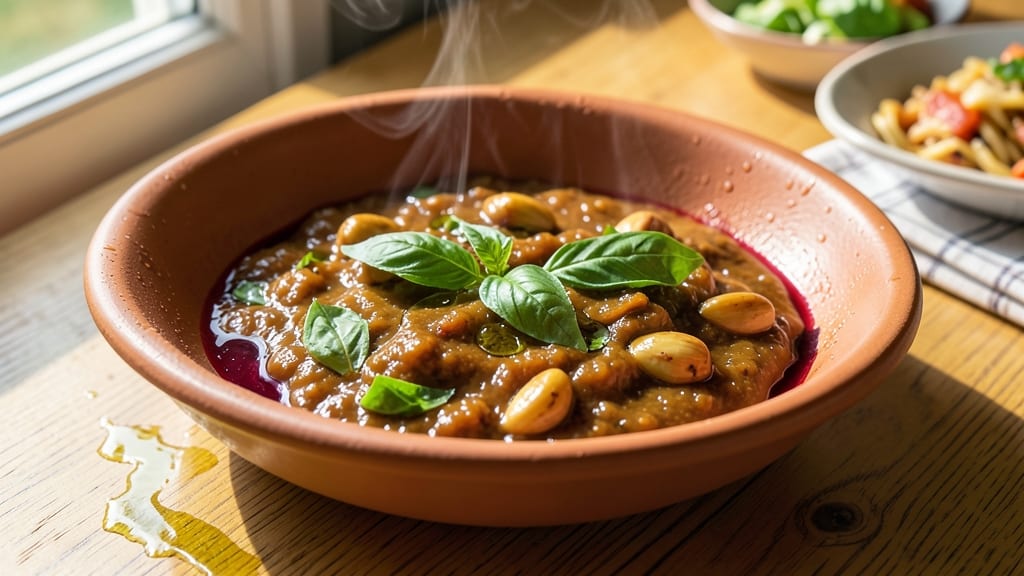
Transforming leftover spaghetti sauce into something even better is an art I’ve perfected after years of kitchen experiments.
The key lies in balancing texture and flavor—simmering with fresh herbs, a splash of broth, or even a touch of sweetness can revive that jarred sauce into a rich, restaurant-quality base for new meals. This method doesn’t just prevent waste; it turns yesterday’s dinner into tomorrow’s star ingredient.
What makes this technique work is its versatility. Whether you’re deglazing the pot with a splash of red wine, blending in roasted garlic for depth, or simply reducing the sauce to intensify its flavors, the process is straightforward yet transformative.
The goal? A sauce that’s smooth, aromatic, and packed with layers—ready to elevate pasta, pizza, or even breakfast hash.
By adjusting the consistency (thin it with broth or thicken it with a cornstarch slurry) and tweaking the seasoning (a pinch of sugar, a crack of black pepper, or a sprinkle of smoked paprika), you’ll end up with a sauce that’s better than the original.
The best part? It takes less than 20 minutes to revive, making it the ultimate no-waste kitchen hack.
Store it in the fridge for up to 5 days or freeze for months—because great sauce deserves a second life. Let’s turn those leftovers into something extraordinary.
Ingredients for leftover spaghetti sauce
Turn yesterday’s sauce into tomorrow’s flavor star with these 10 game-changing ingredients.
| Ingredient | Amount | Notes |
|---|---|---|
| Leftover Spaghetti Sauce 🍅 | 4 cups | Store-bought or homemade, any variety |
| Chicken or Vegetable Broth 🥄 | ½ cup | Low-sodium preferred for balance |
| Extra-Virgin Olive Oil 🫒 | 1 tbsp | For richness and smooth texture |
| Red Wine 🍷 | ¼ cup | Dry, bold variety like Cabernet |
| Garlic Cloves 🧄 | 2 cloves | Roasted for deeper flavor (optional) |
| Fresh Basil Leaves 🌿 | ¼ cup | Chopped, stems removed (or dried) |
| Smoked Paprika 🌶️ | ½ tsp | For subtle smokiness (adjust to taste) |
| Granulated Sugar 🍬 | ½ tsp | Balances acidity (optional) |
| Cornstarch Slurry 🌾 | 1 tbsp | 1 tbsp cornstarch + 2 tbsp water |
| Salt 🧂 | ½ tsp | Diamond Crystal kosher salt |
The foundation is your leftover sauce—whether it’s jarred or homemade. Trader Joe’s or Whole Foods carry high-quality jarred sauces with fewer additives, but honestly, any sauce works here. For broth, low-sodium options give you more control over seasoning. Red wine adds depth, but if you’re avoiding alcohol, a splash of balsamic vinegar (same amount) does the trick. Roasted garlic? Toss 2 cloves with olive oil, roast at 400°F for 10 minutes—they’ll melt into the sauce like magic. Fresh basil is ideal, but dried oregano (half the amount) works in a pinch.
No red wine? Extra beef broth or a splash of apple cider vinegar keeps the flavor profile intact. The cornstarch slurry is your secret weapon for thickening—mix it with cold water first to avoid lumps. Smoked paprika adds complexity without overpowering, but if you’re out, a pinch of liquid smoke (¼ tsp) gives a similar effect. Sugar might sound odd, but it rounds out the acidity in tomato-heavy sauces—trust me, it’s worth it. For herbs, Italian seasoning is a decent backup, but fresh basil or thyme elevates it to restaurant-quality.
This sauce reheats like a dream—simmer gently for 10 minutes to meld flavors. Store in the fridge for 5 days or freeze for up to 3 months in airtight containers. Portion into ice cube trays for single-use servings—perfect for quick pasta tosses or pizza toppings. The longer it sits, the better it gets, so don’t hesitate to make extra. Leftovers? Toss them into frittatas, breakfast hash, or even grilled cheese for a savory twist.
Why You'll Love This Recipe
- No-Waste Magic: I swear by this trick—turning yesterday’s sauce into something new without a single ingredient going to waste. Just heat that jar of leftover sauce with broth, a splash of wine, and minced garlic until it sings, and suddenly you’ve got a restaurant-worthy ragu without extra shopping.
- Garlic-Wine Kick: That red wine reduction? It’s the secret weapon here. The acidity cuts through any richness from the original sauce while the garlic deepens the flavor—rich, layered, and almost too good to admit you’re using leftovers. (Between us, no one will guess.)
- Weeknight Workhorse: This is my go-to when I’ve got 20 minutes and zero energy. Toss it over pasta, serve it with crusty bread, or even stuff it into baked potatoes—it’s that versatile. Honestly, I’ve made it for date nights, lazy Sundays, and even a last-minute dinner for my in-laws. (They still think I’m a genius.)
- Budget-Friendly Upgrade: You’re basically getting a gourmet meal for pennies. A splash of wine, a drizzle of olive oil, and a few cloves of garlic transform basic sauce into something special—no fancy ingredients needed. My wallet and my taste buds thank me every time.
Step-by-step instructions for upgrading leftover spaghetti sauce
Transform ordinary leftover sauce into something extraordinary with these simple yet effective techniques.
Bloom the Aromatics and Build Depth
Heat the 1 tablespoon extra-virgin olive oil in a medium saucepan over medium-low heat. Add the 2 cloves garlic cloves, peeled and left whole, allowing them to gently sizzle for 2-3 minutes until they turn golden and fragrant—this prevents burning while maximizing flavor. Here's the thing—roasting the garlic first would be ideal, but this quick sauté still delivers serious depth.
Pour in the 0.25 cup red wine and let it simmer for 3-4 minutes until reduced by about half. This step concentrates the wine's flavor and forms a rich base for your sauce upgrade. The alcohol will cook off, leaving behind complex fruity notes that elevate the tomato base. Stir occasionally to prevent sticking—this is where patience pays off.
Incorporate the Sauce and Balance Flavors
Add the 4 cups leftover spaghetti sauce to the pan, stirring to combine with the wine and garlic. Increase heat to medium and let the mixture simmer gently for 5 minutes, allowing the flavors to meld. This is where you'll notice the transformation—your once-plain sauce now has layers of complexity.
Add the 0.5 cup chicken or vegetable broth, 0.5 teaspoon smoked paprika, and 0.5 teaspoon granulated sugar. The smoked paprika adds subtle earthiness, while the sugar balances any acidity from the wine or tomatoes. Let everything simmer together for another 5 minutes, stirring occasionally. You'll see the sauce thicken slightly and develop a glossy sheen—this is your visual cue that the flavors are harmonizing.
Thicken and Finish with Fresh Herbs
Prepare the 1 tablespoon cornstarch slurry by whisking 1 tablespoon cornstarch with 2 tablespoons water until smooth. Add this to the simmering sauce, stirring constantly for 1-2 minutes until it thickens to your desired consistency. The sauce should coat the back of a spoon but remain smooth—this is the perfect texture for serving over pasta, meatballs, or grilled chicken.
Reduce heat to low and stir in the 0.25 cup chopped fresh basil leaves and 0.5 teaspoon salt. The basil adds brightness and freshness that cuts through the richness of the sauce. Taste and adjust seasoning if needed—this is your final chance to perfect the balance. Let the sauce sit off heat for 2-3 minutes to allow the flavors to fully integrate before serving.
Rest and Serve with Confidence
Transfer the upgraded sauce to a clean saucepan or serving dish and let it rest for 5 minutes before using. This resting period allows the flavors to settle and the sauce to reach its ideal consistency. The result should be a sauce that's richer, more complex, and far more exciting than the original—one that feels like it was made fresh just for this moment.
Use your transformed sauce immediately over pasta, as a marinade for proteins, or as a topping for grilled vegetables. The depth of flavor will make it taste like a restaurant-quality dish, all while using ingredients you likely already had on hand. This is the beauty of working with what you've got—sometimes the best meals come from the simplest upgrades.
Pro Tips For Making Leftover Spaghetti Sauce
- Simmer Slow and Steady: I learned this the hard way—dumping everything in and boiling hard just makes the sauce split. Instead, bring broth and wine to a gentle simmer first, then add the sauce. Keep it at a low bubble (tiny bubbles, barely moving) so the wine doesn’t cook off too fast and the garlic doesn’t burn before it releases its flavor.
- Deglaze First, Then Add: Skip tossing everything in raw—deglaze your pot with a splash of red wine before adding broth. Let it bubble for 30 seconds to pull up those browned bits from the garlic and sauce. That’s where half the flavor hides, and you’ll miss it if you just dump everything in at once.
- Use Cold Garlic: Mince your garlic cloves just before adding them to the pot, then toss them in cold (straight from the fridge). Hot garlic turns bitter fast, and cold garlic gives you a clean, sweet flavor. I know it sounds weird, but it actually changes the outcome—no more soapy aftertaste.
- Balance the Wine: If your leftover sauce is thick or tomato-heavy, don’t just eyeball the wine. Start with ¼ cup, let it reduce by half, then decide if you need more. Too much wine makes the sauce taste sharp and undercooked; too little leaves it flat. Taste as you go—your palate knows better than the recipe.
Make-ahead tips for leftovers
Freezer Prep Tips
Freeze your upgraded sauce in quart-sized freezer bags—they’re stackable and thaw faster than containers. Leave 1-inch headspace to prevent expansion cracks, and squeeze out excess air to avoid freezer burn. Label with the date and portion size (like "1 cup servings for pasta").
For single-use portions, freeze in ice cube trays, then transfer cubes to a bag—perfect for quick pasta tosses or pizza toppings. 🧊
Fridge Storage Hacks
Store your sauce in glass Pyrex containers with tight-sealing lids—they’re microwave-safe and preserve flavor better than plastic. Keep it in the fridge for up to 5 days, but I’ve found the flavors actually deepen after 2-3 days of resting.
If it thickens too much, add a splash of broth or water when reheating. For extra freshness, place a damp paper towel over the sauce before sealing to prevent a skin from forming.
Reheating Like a Pro
For stovetop reheating, transfer sauce to a heavy-bottomed pot and simmer over medium-low heat for 8-10 minutes, stirring occasionally. Add 1-2 tablespoons of water or broth if it’s too thick. Microwave reheating?
Use 50% power in 1-minute intervals, stirring between each, until heated through (165°F internal temp). Avoid boiling—it can break down the sauce’s texture and intensify acidity. 🔥
Flavor Revival Tricks
If your sauce tastes flat after reheating, boost it with a pat of butter or a dash of balsamic vinegar (½ tsp). For extra richness, stir in 1 teaspoon of heavy cream or a splash of red wine (same as original recipe).
A pinch of black pepper or red pepper flakes adds freshness, while a sprinkle of Parmesan cheese (1 tbsp) elevates it instantly. These tweaks turn dull sauce into a flavor explosion in seconds.
Portion Control Secrets
Measure out 1-cup portions into small jars or containers for easy grab-and-go meals. These single servings reheat perfectly for quick lunches or weeknight dinners. Store them in the fridge for up to 3 days or freeze for 3 months.
Label with the date and reheating instructions (e.g., "Stovetop: 5 mins"). This system saves time and ensures you always have a ready-to-use sauce base on hand. ✨
Long-Term Flavor Preservation
For sauces stored beyond 3 months, thaw in the fridge overnight before reheating. If you notice separation (like oil pooling on top), gently reheat and stir—this is normal and won’t affect flavor. To prevent future separation, add ½ teaspoon of xanthan gum to the sauce before freezing.
It acts as a natural thickener and emulsifier, keeping everything cohesive. Trust me, this tiny addition makes a world of difference for long-term storage. 💡
Nutrition facts
Frequently asked questions
Can I use this method with any leftover spaghetti sauce?
This technique works with homemade or store-bought spaghetti sauce, whether it's marinara, meat sauce, or even vegan versions. The key is adjusting the seasoning to match your original sauce's flavor profile. For example, if your sauce is very acidic, you might need slightly more sugar or a splash of balsamic vinegar to balance it.
What if my leftover sauce is too thick or too thin?
No problem! For thick sauce, thin it with 2-3 tablespoons of broth or water while simmering. If it's too thin, prepare a cornstarch slurry (1 tbsp cornstarch + 2 tbsp water) and stir it in until the sauce reaches your desired consistency. The goal is a smooth, spoonable texture that clings well to pasta or proteins.
How can I make this sauce kid-friendly?
Simply omit the red wine and smoked paprika, and reduce the garlic to just 1 clove. Add a pinch of cinnamon (¼ tsp) or a splash of apple juice (2 tbsp) to enhance sweetness—kids often love the milder, sweeter profile. You can also blend in ½ cup pureed butternut squash for natural sweetness and thickness.
Can I freeze the upgraded sauce in ice cube trays?
Yes! This is a genius trick for single-use portions. Freeze the sauce in ice cube trays, then transfer the cubes to a freezer bag. Each cube makes a perfect 1-tablespoon serving for pasta, pizza, or even as a marinade base. Label the bag with the date and reheating instructions (e.g., "Stovetop: 1 min"). Perfect for quick meals without thawing the whole batch.
Why did my sauce separate after reheating?
This happens when fats (like olive oil) and liquids separate during storage. Simply reheat gently on the stovetop, stirring constantly, and the sauce will re-emulsify. To prevent future separation, add ½ teaspoon of xanthan gum before freezing—it acts as a natural emulsifier. If you don't have xanthan gum, a quick fix is to stir in 1 teaspoon of Dijon mustard while reheating.