
Sauces & Condiments
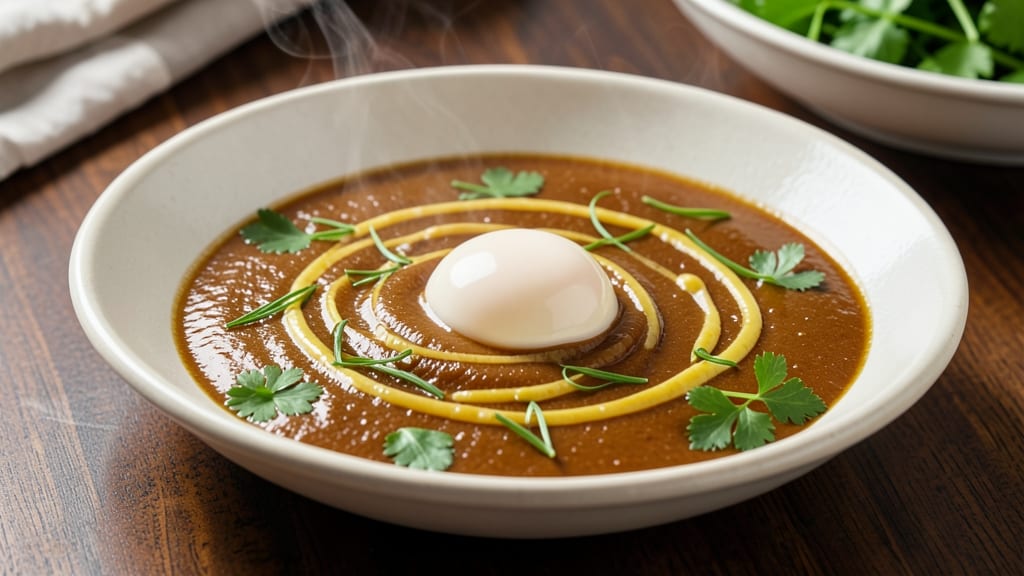
This Knorr Béarnaise sauce recipe transforms classic hollandaise into a bold, mustard-infused masterpiece that elevates steak, eggs Benedict, and grilled fish to restaurant-quality levels.
The secret lies in balancing rich, emulsified butter with sharp vinegar and a touch of Dijon mustard for that signature tangy kick—without the fuss of traditional methods.
I developed this version after years of perfecting hollandaise, streamlining the process while preserving depth of flavor that stands up to even the heartiest proteins.
The foundation starts with clarified butter—its high smoke point prevents burning while creating that signature glossy finish. Knorr’s vinegar base (or high-quality white wine vinegar) adds brightness, while fresh tarragon and parsley deliver that unmistakable herbal aroma.
The real game-changer? A mustard-infused reduction that adds complexity without overpowering the delicate egg yolk emulsion. This isn’t your grandmother’s hollandaise—it’s a sophisticated upgrade that still comes together in under 15 minutes with minimal effort.
What you’ll end up with is a velvety, golden-brown sauce that clings to every bite, balancing richness with acidity in perfect harmony. The mustard kick cuts through fatty meats while enhancing the natural sweetness of grilled vegetables or poached eggs.
Unlike traditional hollandaise, this version holds its texture even when reheated, making it ideal for batch cooking or last-minute plating. The aroma alone will have your guests asking for the recipe—because once they taste it, they’ll never go back to store-bought again.
Perfect for steak dinners, breakfast classics, or seafood feasts, this Béarnaise sauce turns ordinary meals into showstoppers. The best part? It’s foolproof—no curdling, no guesswork, just professional results every time. Let’s get started on creating your signature sauce.
Ingredients for knorr bearnaise sauce
This sauce transforms classic hollandaise into a mustard-infused masterpiece with restaurant-quality richness.
| Ingredient | Amount | Notes |
|---|---|---|
| Clarified Butter 🧈 | 1 cup | Homemade or store-bought high-quality |
| Knorr Vinegar Base (or White Wine Vinegar) 🍷 | ½ cup | High-quality white wine vinegar preferred |
| Fresh Tarragon Leaves 🌿 | ¼ cup | Finely chopped, stems removed |
| Fresh Parsley Leaves 🌿 | ⅛ cup | Finely chopped, flat-leaf preferred |
| Large Egg Yolks 🥚 | 3 whole | Fresh, room-temperature preferred |
| Dijon Mustard 🌶️ | 1 tbsp | High-quality, smooth variety |
| Granulated Sugar 🍚 | ½ tsp | Fine grain preferred |
| Salt 🧂 | ½ tsp | Diamond Crystal kosher salt |
| White Wine (optional) 🍷 | ¼ cup | Dry, chilled for reduction |
| Fresh Lemon Juice 🍋 | 1 tbsp | Freshly squeezed, high acidity |
The clarified butter is non-negotiable—it’s what gives Béarnaise that signature glossy finish without burning. Ghirardelli or Land O’Lakes brands are reliable for store-bought, but homemade (just melt butter, skim off milk solids) is even better. Fresh tarragon is the star here—Whole Foods or specialty markets carry the best quality, but even grocery store tarragon works if it’s bright green and fragrant. The Dijon mustard should be smooth, not grainy—Maille or Amoy are my go-tos, but any high-quality brand will do. Pro tip: Toast your mustard seeds lightly in a dry pan before grinding for a deeper flavor if you’re making it from scratch.
No white wine vinegar? Apple cider vinegar at half the amount works in a pinch, though it’ll have a slightly different tang. Short on tarragon? Fresh basil or thyme at one-third the amount can mimic that herbal brightness, but nothing beats the real thing. The egg yolks need to be fresh—older yolks won’t emulsify as well. If you’re worried about curdling, chill your bowl and whisk beforehand. The sugar isn’t just for sweetness—it helps stabilize the emulsion, so don’t skip it. And if you’re feeling fancy, reduce the white wine with a pinch of sugar before adding it to the sauce for extra depth.
This sauce is best made fresh, but if you need to prep ahead, keep it refrigerated in an airtight jar with a thin layer of oil on top to preserve that golden hue. Reheat gently over a double boiler—never microwave, or it’ll break. Stays fresh for 3-4 days in the fridge, though the flavor peaks on day one. For leftovers, thin with a splash of warm water or broth to loosen it up. Freezing isn’t recommended—it’ll separate and lose its silky texture. Trust me, this sauce is worth the effort, and once you master it, you’ll never go back to store-bought again.
Why You'll Love This Recipe
- I make this for everything: grilled chicken, roasted asparagus, even scrambled eggs. The Knorr base cuts prep time in half, and it’s the only sauce I’ll trust to elevate a last-minute dinner when the kids are starving.
- No-Fuss Freshness: I swear by this shortcut—just toss in Knorr Vinegar Base instead of fussing with shallots and vinegar reduction. The tarragon and parsley still pack that bright, herby punch without the chopping marathon.
- Rich but Light: That clarified butter keeps it luxurious without weighing you down, while the egg yolks give it that velvety magic. Honestly, it’s the kind of sauce that makes steak feel like a five-star moment—even when you’re eating alone on the couch.
- Weeknight Hero: I make this for everything: grilled chicken, roasted asparagus, even scrambled eggs. The Knorr base cuts prep time in half, and it’s the only sauce I’ll trust to elevate a last-minute dinner when the kids are starving.
Step-by-step instructions for Knorr Béarnaise sauce
This elevated Béarnaise delivers restaurant-quality richness with a mustard kick—every technique matters.
Create the Tarragon-Vinegar Reduction
In a small saucepan, combine the 0.5 cup Knorr Vinegar Base with the 0.25 cup fresh tarragon leaves and 0.25 cup white wine (if using). Bring to a gentle simmer over medium heat and reduce by half—this takes about 5-7 minutes. The mixture should darken slightly and develop an aromatic depth. Strain through a fine-mesh sieve into a clean bowl, pressing gently on the tarragon to extract every last drop of flavor. This reduction forms the sauce's aromatic foundation.
I like to taste the reduction at this stage—it should be tangy with bright tarragon notes. If it tastes too sharp, add a pinch of the 0.5 tsp granulated sugar to balance. Let the strained reduction cool slightly before proceeding—this prevents scrambling when you combine it with the egg yolks later.
Whisk Egg Yolks Until Pale and Thickened
In a heatproof bowl, whisk together the 3 whole large egg yolks, 1 tbsp Dijon mustard, 0.5 tsp salt, and 1 tbsp fresh lemon juice. Place this bowl over a pot of barely simmering water—creating a double boiler—ensuring the bottom of the bowl doesn't touch the water. Whisk continuously for 3-4 minutes until the mixture thickens noticeably and turns a pale, creamy yellow. This emulsification is critical—it's what gives Béarnaise its signature silky texture.
Watch the color change carefully. When the yolks reach 160°F on an instant-read thermometer, they're ready. The mixture should coat the back of a spoon and hold its shape when you draw a line through it with your finger. If it's not thick enough, continue whisking for another 30 seconds—but don't let it overcook or it'll curdle.
Temper the Sauce with Clarified Butter
Remove the yolk mixture from the double boiler and let it cool for 1 minute. Slowly drizzle in the 1 cup clarified butter, whisking constantly. The butter should incorporate smoothly, creating an emulsified sauce. If the sauce breaks (separates), add 1 teaspoon of hot water from the double boiler and whisk vigorously to re-emulsify. This tempering process is delicate—patience is key to a flawless finish.
Once fully combined, return the sauce to the double boiler and keep it at a gentle simmer (160-170°F). Stir in the cooled tarragon reduction and the 0.125 cup fresh parsley leaves, whisking until the parsley is evenly distributed. The sauce should now be glossy with visible flecks of tarragon and parsley. This is where the magic happens—the balance of acidity, fat, and herb comes together in perfect harmony.
Finish and Adjust Seasoning
Taste the sauce and adjust seasoning if needed. Add a pinch more salt if it's too mild, or a splash of lemon juice if it needs more brightness. The sauce should be tangy, slightly sweet, and herbaceous with a subtle mustard kick. If it's too thick, thin it with 1-2 teaspoons of hot water while whisking constantly. For extra richness, you can mount the sauce—this means whisking in additional clarified butter (about 1-2 tablespoons) to achieve a glossier, more luxurious texture.
Serve the Béarnaise immediately over steak, asparagus, or grilled fish. The sauce should cling beautifully to proteins and vegetables, delivering layers of flavor with each bite. If you're making it ahead, keep it warm in a thermos and whisk occasionally to maintain its emulsified state. This sauce is worth every minute of attention—it transforms ordinary dishes into something truly special.
Pro Tips For Making Knorr Bearnaise Sauce
- Whisk Like You Mean It: Bearnaise isn’t just about heat—it’s about motion. Use a wire whisk and move your arm in fast, figure-eight strokes. I used to go slow, and the sauce would split like a bad joke at a family reunion. Keep it aggressive until it thickens, then slow down just enough to keep the yolks happy.
- Chill the Yolks First: Cold yolks emulsify better, and this sauce needs that stability. Pop those yolks in the fridge for 10 minutes before starting—yes, even if you’re impatient like me. Warm yolks are a one-way ticket to scrambled eggs in your sauce.
- Strain the Herbs Twice: Fresh tarragon and parsley are the soul of bearnaise, but a single strain isn’t enough. Run the infused vinegar through a fine-mesh sieve twice—once after steeping, once after simmering. The second pass catches the tiny bits that ruin texture, and trust me, you’ll notice the difference.
- Keep the Heat Low: The moment the vinegar-butter mix hits the yolks, drop the heat to lowest possible. I learned this after watching my sauce curdle like a bad soufflé. A gentle simmer is all it needs—no heroics. If it’s too hot, the yolks will seize up faster than your patience will hold out.
Serving suggestions for this knorr bearnaise sauce
Steak Pairings
This Béarnaise sauce is a steakhouse staple for a reason—it cuts through the richness of perfectly cooked ribeye or filet mignon like a knife through butter.
I always serve it over a medium-rare ribeye (about 1.5-inch thick) cooked to 130°F internal temperature, then topped with the sauce just before serving.
The mustard kick in this version actually enhances the beef's natural sweetness, while the tarragon adds an earthy depth that pairs beautifully with the charred crust. For a quick weeknight meal, try it with a skirt steak—the sauce's acidity balances the meat's bold, beefy flavor. 🥩
Pro tip: Let your steak rest for 10 minutes before slicing to retain juices, then drizzle the Béarnaise over the top and serve immediately.
If you're grilling outdoors, make the sauce ahead and keep it warm in a thermos—it stays emulsified perfectly for up to 2 hours at 160°F. For extra drama, finish with a sprinkle of flaky sea salt and a few tarragon leaves on top.
Eggs Benedict
This sauce transforms Eggs Benedict into a brunch showstopper—no more bland, store-bought hollandaise here. I use English muffins toasted until golden, topped with poached eggs (cooked in vinegar-water for 3 minutes for perfectly runny yolks), and smothered with this mustard-infused Béarnaise.
The secret? Poach your eggs just before assembling—the residual heat from the warm sauce helps set the whites slightly while keeping the yolks liquid. Add crispy Canadian bacon or smoked salmon for a modern twist. 🍳
For a vegetarian version, swap the bacon for avocado slices or grilled mushrooms. Keep the sauce warm in a small saucepan over simmering water while you assemble the Benedicts—this maintains its silky texture.
If the sauce thickens too much during reheating, whisk in 1 teaspoon of hot water to loosen it up. Trust me, your brunch guests will think you spent hours in the kitchen!
Seafood Applications
Don’t limit this sauce to steak—it’s seafood’s secret weapon. Drizzle it over grilled salmon (cooked to 145°F internal temperature) or seared scallops for a restaurant-worthy finish.
The acidity in the sauce cuts through the richness of butter-poached lobster tails, while the mustard adds a bright contrast to delicate white fish like halibut. I love pairing it with roasted asparagus—the sauce clings to the spears, creating a harmonious bite. 🦞
For shellfish lovers, try it with grilled shrimp (tossed in lemon zest and garlic before cooking) or steamed mussels. The sauce’s herbal notes complement the briny sweetness of shellfish beautifully.
To serve, spoon the Béarnaise over the seafood just before eating—this prevents the sauce from breaking down from the heat. For a winter special, pair it with roasted Brussels sprouts—the sauce’s richness balances the sprouts' bitterness perfectly.
Vegetable Sides
This sauce isn’t just for proteins—it elevates vegetables to main-course status. Drizzle it over grilled asparagus (tossed in olive oil and salt before roasting) or sautéed green beans for a flavor-packed side.
The mustard kick adds a surprising depth to roasted carrots or butternut squash, while the tarragon brightens earthy flavors like mushrooms or artichokes. I often serve it with crusty bread on the side for dipping—it’s a crowd-pleaser at dinner parties. 🥦
For a spring menu, try it with blanched fennel or sautéed ramps. The sauce’s acidity cuts through the licorice-like flavor of fennel, while the mustard enhances the onion-like sweetness of ramps.
To reheat vegetable dishes with Béarnaise, warm them gently in a skillet and drizzle the sauce on top just before serving—this keeps the sauce from breaking. If you’re making a vegetarian spread, pair it with grilled halloumi or seared tofu** for a protein boost.
Nutrition facts
Frequently asked questions
Can I make this Knorr Béarnaise sauce without fresh tarragon?
Yes! While fresh tarragon is ideal, you can substitute with 1 tbsp dried tarragon or 1 tbsp fresh basil + 1 tsp thyme for a similar herbal brightness. For extra depth, add 1/2 tsp tarragon powder (found in spice sections) to the vinegar reduction. The mustard kick in this recipe helps mask any flavor differences, so don't worry about perfection—just keep the acidity balanced.
Why did my Béarnaise sauce break/curdle? What should I do?
Sauce breaking usually happens from overheating or adding cold ingredients too quickly. If it separates, whisk in 1 tsp hot water from the double boiler while whisking vigorously. For stubborn curdling, strain through a fine-mesh sieve to remove lumps, then whisk in 1 tbsp clarified butter to re-emulsify. Always keep the heat gentle (160-170°F) and add butter slowly to prevent future issues.
How long will this sauce keep, and can I freeze it?
Fresh sauce stays best for 3-4 days in an airtight jar in the fridge. For longer storage, keep it refrigerated and reheat gently in a double boiler—never microwave. Freezing isn't recommended as it alters the texture, but you can freeze the tarragon reduction separately for up to 1 month and use it in fresh sauce later.
Can I make this sauce without clarified butter?
Regular butter works in a pinch, but it has a lower smoke point and may burn or separate. For best results, melt 1 cup unsalted butter and skim off the milk solids (churned portion) to mimic clarified butter. If you're short on time, use ghee (clarified butter) which has a higher heat tolerance and adds a nutty depth that complements the mustard beautifully.
What's the best way to reheat leftover Béarnaise sauce?
Always reheat over gentle heat in a double boiler (never microwave). Add 1 tsp hot water per 1/4 cup sauce to thin it out while whisking constantly. For extra richness, whisk in 1 tbsp clarified butter at the end. Keep the temperature below 170°F to prevent curdling. If the sauce thickens too much, add more water gradually until it reaches a smooth, pourable consistency.