
Sauces & Condiments
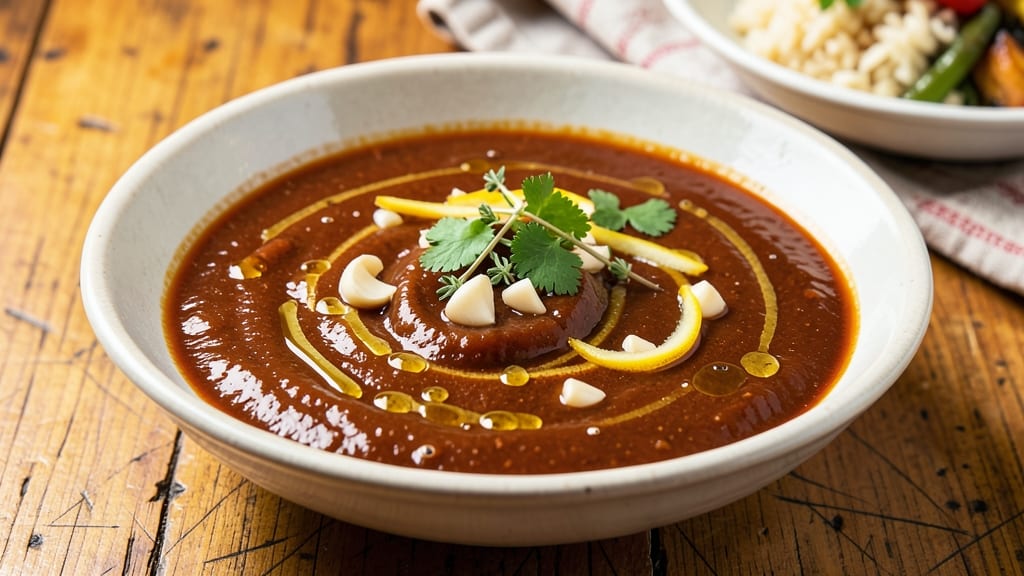
This gochujang stir-fry sauce transforms ordinary stir-fries into bold, umami-rich masterpieces with just five ingredients. 🔥 The fermented heat of gochujang—Korea’s signature chili paste—blends with sweet, tangy, and savory elements to create a sauce that clings to proteins and vegetables like liquid gold.
I developed this recipe after years of tasting authentic Korean stir-fries, simplifying the process while keeping the depth of flavor intact.
The secret lies in balancing gochujang’s spicy-sweet intensity with a touch of honey or sugar, rice vinegar for brightness, and aromatics like garlic and ginger. These components work together to create a sauce that’s versatile enough for chicken, tofu, or crispy vegetables but always delivers that signature fermented kick.
The sauce thickens beautifully as it simmers, coating everything in a glossy, sticky glaze that caramelizes slightly when tossed with hot ingredients.
What makes this sauce truly special is how it elevates simple ingredients to restaurant-quality levels. A single tablespoon transforms a basic stir-fry into something vibrant, complex, and irresistibly flavorful. The sauce keeps well in the refrigerator for up to two weeks, making it perfect for meal prep or storing leftovers.
Whether you’re cooking for one or feeding a crowd, this gochujang stir-fry sauce is the game-changer your weeknight dinners deserve.
Ready to take your stir-fries to the next level? Let’s dive into the ingredients and instructions—this sauce is easier to make than you think, and the results will leave everyone asking for seconds.
Ingredients for gochujang stir fry sauce
Five core ingredients unlock restaurant-quality stir-fry sauce with gochujang's signature fermented heat.
| Ingredient | Amount | Notes |
|---|---|---|
| Gochujang 🌶️ | ½ cup | Korean fermented chili paste, not spicy heat |
| Rice Vinegar 🍶 | ¼ cup | White or seasoned, for brightness |
| Honey 🍯 | ¼ cup | Or maple syrup for vegan option |
| Fresh Garlic Cloves 🧄 | 4 cloves | Minced for aromatic depth |
| Fresh Ginger 🌿 | 1 tbsp | Grated, for zesty complexity |
| Sesame Oil 🫒 | 1 tbsp | Toasted, for nutty aroma |
| Soy Sauce 🍶 | ¼ cup | Light or dark, for umami base |
| Water 💧 | ¼ cup | For thinning consistency |
| Sesame Seeds 🥜 | 1 tbsp | Toasted, for garnish and crunch |
Gochujang is the soul of this sauce—look for brands like Maesil Gochujang or Gochujang by CJ in Korean markets or well-stocked Asian grocery stores. The paste should be smooth with a deep red hue, not chunky or overly spicy (the heat comes from fermentation, not capsaicin). Fresh garlic and ginger are non-negotiable here; peel and mince just before using to preserve their volatile oils. For soy sauce, Kikkoman or Pearl River Bridge provide reliable umami without overpowering the delicate balance. If you can't find gochujang locally, check Amazon or World Market—their shipping is fast and quality is consistent.
No rice vinegar? Substitute apple cider vinegar at equal amounts, though it'll lack the delicate sweetness. Honey can be swapped for maple syrup or agave nectar (use the same quantity), but honey's floral notes complement the gochujang beautifully. The sesame oil is purely aromatic—don't skip it, but if you're sensitive to its flavor, reduce to 1/2 tbsp. For a thicker sauce, omit the water entirely; for thinner, add an extra tablespoon. The sauce thickens further as it cools, so taste and adjust while warm. If using pre-minced garlic/ginger from jars, rinse and drain thoroughly to remove excess liquid that can dilute the sauce.
This sauce develops deeper flavor when refrigerated for at least 4 hours—the gochujang's fermented notes mellow and meld beautifully. Store in an airtight container with a thin layer of olive oil on top to preserve freshness for up to 2 weeks. For longer storage, freeze in ice cube trays with a splash of water; thaw overnight in the fridge. The sauce reheats perfectly—simmer gently for 2-3 minutes to restore its glossy texture. Garnish with toasted sesame seeds just before serving to add texture contrast and prevent the sauce from skinning over when reheated.
Why You'll Love This Recipe
- Same sauce, endless uses: toss it with tofu for a lazy Tuesday, drizzle over grilled chicken for company, or even mix into marinades. Honestly, I’ve used it on everything from noodles to roasted veggies, and it never lets me down.
- Five-Ingredient Magic: I swear by this combo—gochujang’s deep umami, honey’s smooth kick, and that fresh ginger-garlic punch. It’s the kind of sauce where every spoonful feels intentional, not like you’re guessing at flavors.
- No Burnt Garlic Drama: Between us, I’ve ruined stir-fry sauces with overcooked garlic. This one? Just quick-sauté the cloves until fragrant—no charring, no bitterness. The aroma alone makes the kitchen smell like a Korean street food stall.
- Weeknight to Dinner Party: Same sauce, endless uses: toss it with tofu for a lazy Tuesday, drizzle over grilled chicken for company, or even mix into marinades. Honestly, I’ve used it on everything from noodles to roasted veggies, and it never lets me down.
Step-by-step instructions for crafting gochujang stir fry sauce
This fermented sauce delivers balanced heat, sweetness, and umami in just minutes.
🍳 Step 1: Bloom the Gochujang and Aromatics
Heat a small saucepan over medium-low heat and add the 1 tablespoon sesame oil. Once shimmering, add the 4 cloves minced fresh garlic cloves and 1 tablespoon grated fresh ginger. Cook for 30 seconds until fragrant but not browned—this prevents bitterness while releasing their essential oils.
Immediately stir in the 0.5 cup gochujang and cook for another 1 minute, stirring constantly. The gochujang will darken slightly as it blooms, developing its deep, fermented complexity. This step builds the sauce's aromatic foundation—don't rush it, or you'll lose those delicate flavors.
🥘 Step 2: Balance with Sweet and Acid
Pour in the 0.25 cup rice vinegar and 0.25 cup honey, stirring vigorously to combine. The mixture will bubble gently as the vinegar's acidity reacts with the gochujang's fermented compounds. Let it simmer for 2-3 minutes until the sauce begins to thicken slightly and the raw vinegar tang mellows into bright acidity.
Here's where the sauce's character emerges: the honey's sweetness should mellow the gochujang's initial heat while the vinegar brightens the umami. Taste at this stage—the sauce should be vibrant but cohesive. If it's too sharp, add a touch more honey; if too sweet, a splash of vinegar will rebalance it.
🍲 Step 3: Develop Umami Depth
Reduce heat to low and stir in the 0.25 cup soy sauce and 0.25 cup water. The soy sauce will deepen the umami profile while the water creates the perfect consistency for stir-frying. Let the sauce simmer for 3-4 minutes, stirring occasionally, until it reaches a glossy, slightly thickened state that coats the back of a spoon.
This simmering phase is crucial for developing the sauce's complexity. You'll notice the gochujang's fermented notes meld with the soy's saltiness, creating that signature umami punch. The sauce should now be smooth with a velvety texture—if it's too thin, simmer another 1-2 minutes to reduce further.
⏰ Step 4: Finish and Garnish
Remove the sauce from heat and let it cool for 5 minutes. This resting period allows flavors to fully integrate. Meanwhile, toast the 1 tablespoon sesame seeds in a dry skillet over medium heat for 1-2 minutes until fragrant and golden—this enhances their nutty aroma.
Once cooled, stir the toasted sesame seeds into the sauce. The contrast between the warm seeds and cool sauce creates a textural and temperature balance. For best results, use the sauce immediately over stir-fried vegetables or proteins, where its glossy texture will cling beautifully. Store any leftovers in an airtight container in the refrigerator for up to 1 week.
Pro Tips For Making Gochujang Stir Fry Sauce
- Bloom the Gochujang: Heat your gochujang with the honey first—just 30 seconds on medium-low—until it darkens slightly and smells rich. This step cuts through the paste’s bitterness and makes the sauce taste deeper, not just spicier. I used to skip it, and the flavor always felt flat until I tried this.
- Grate Ginger Fine: Use the small holes of a box grater for ginger, not the big ones. You want it almost paste-like so it dissolves into the sauce without clumps. I learned this the hard way after straining out three batches of stubborn ginger bits.
- Balance the Vinegar: Add rice vinegar gradually—start with half the recipe’s amount, taste, then adjust. Too much and the sauce turns sharp; too little and the sweetness gets overwhelmed. My first batch was a vinegar disaster, and now I always taste as I go.
- Simmer, Don’t Boil: Keep the sauce at a gentle simmer (tiny bubbles, no splattering) for 2–3 minutes after adding garlic. Boiling burns the garlic and turns the sauce bitter. I was skeptical until I tried it—now it’s non-negotiable for smooth flavor.
Perfect pairings for this gochujang stir fry sauce
Protein Pairings
This sauce transforms chicken thighs into the star of your meal—their rich fat absorbs the gochujang's fermented depth beautifully. Marinate 1 lb boneless thighs in 2 tbsp sauce for 30 minutes before stir-frying, or toss them in after cooking for a quick glaze.
For tofu, press and cube extra-firm tofu, then pan-fry until crispy before adding 3 tbsp sauce to the pan for a sticky finish. 🍗
Vegetable Combinations
Crisp-tender shredded cabbage and bell peppers soak up the sauce like a dream—toss them with 1 tbsp sesame oil first to prevent sticking. Add 1 tbsp sauce at the end of cooking for vibrant color and gloss.
For heartier meals, include bok choy or baby spinach, which wilt beautifully while maintaining texture. The sauce's slight sweetness balances the cabbage's earthiness perfectly.
Seafood Applications
Shrimp and scallops shine with this sauce's bright acidity. Toss 1 lb peeled shrimp with 1 tbsp sauce and 1 tsp cornstarch for 5 minutes before stir-frying—this creates a natural glaze.
For scallops, sear them first in a hot pan, then add 2 tbsp sauce and 1 tbsp butter to create a luxurious finish. The sauce's fermented notes complement seafood's natural sweetness without overpowering. 🦐
Garnish & Texture Boosters
Finish any dish with quick-pickled cucumbers (toss slices with 1 tbsp rice vinegar and ½ tsp sugar) for refreshing crunch. Sprinkle with crispy fried shallots or toasted sesame seeds to add dimension.
For extra richness, drizzle with chili crisp or sriracha—just ½ tsp goes a long way. These toppings elevate the sauce's complexity while keeping the meal balanced.
Sauce Thickness Adjustments
For thicker applications (like glazing ribs or dumplings), simmer the sauce uncovered for 5 extra minutes to reduce. For lighter applications (like drizzling over noodles), thin with 1 tbsp water per ½ cup sauce.
The key is consistency—adjust while warm, as the sauce thickens further when cooled. I always keep a small bowl of water nearby for quick fixes during cooking. ✨
Nutrition facts
Frequently asked questions
Can I make this gochujang sauce spicier?
For extra heat, add ½ teaspoon red pepper flakes or 1 teaspoon gochugaru (Korean chili flakes) while simmering. If you prefer smoky heat, try ½ teaspoon smoked paprika instead. Start with small amounts—you can always add more, but you can't remove it!
How do I adjust the sauce for vegan diets?
Swap honey for maple syrup or agave nectar (same quantity), and use vegan soy sauce (like tamari). For extra umami depth, add 1 teaspoon miso paste when simmering. The sauce will still deliver that signature fermented kick without any animal products.
Can I use this sauce on cold dishes?
Yes! This sauce works beautifully on cold noodle salads, rice bowls, or chilled tofu dishes. For best results, thin it slightly with 1-2 tablespoons water to prevent clumping. The sauce's bright acidity and umami shine even when served cold—perfect for summer meals!
What's the best way to reheat leftover sauce?
Gently warm leftovers in a saucepan over low heat for 2-3 minutes, stirring constantly to prevent scorching. If the sauce thickens too much, add 1 teaspoon water at a time. For microwave reheating, use 30-second intervals on low power, stirring between each interval. Always stir well before serving!