
Sauces & Condiments
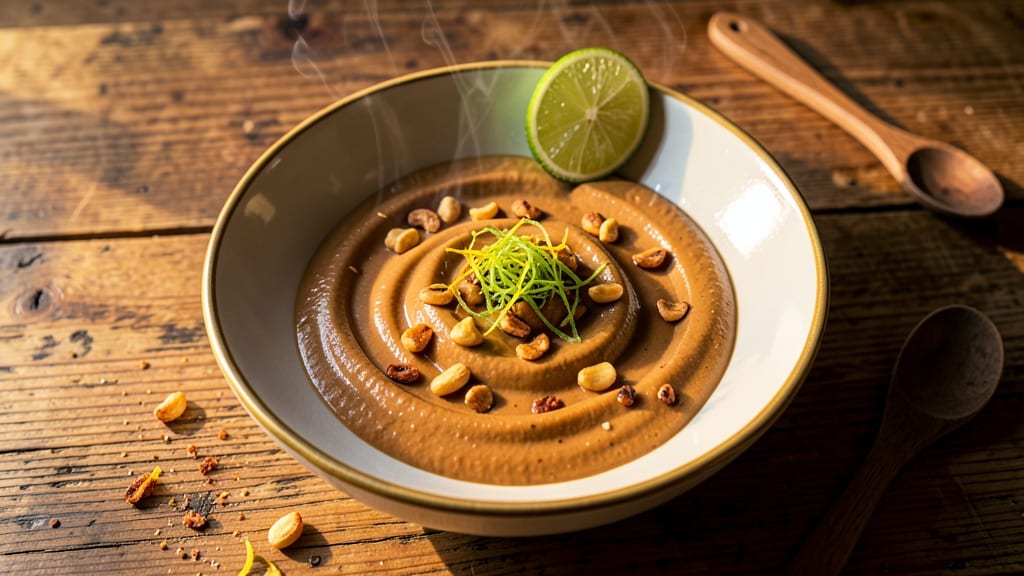
This ginger lime peanut sauce transforms any stir-fry, noodle bowl, or grilled dish into a vibrant, nutty masterpiece with just a few ingredients. The secret lies in balancing fresh ginger’s zing, bright lime acidity, and rich peanut butter for a sauce that’s both creamy and tangy.
I developed this recipe after craving a flavor profile that bridges Thai-inspired boldness with a lighter, citrusy finish—perfect for those who love depth without heaviness.
The preparation is straightforward: blend toasted peanuts with peanut butter, then simmer with ginger, lime, and a touch of honey to create a smooth, glossy glaze. The sauce emulsifies beautifully, clinging to proteins and vegetables while adding layers of umami and sweet-spicy contrast.
Unlike store-bought versions, this recipe avoids artificial thickeners, relying instead on natural peanut oil and a splash of soy sauce for that signature savory kick.
What makes this sauce truly special is its versatility. Drizzle it over grilled chicken or tofu, toss it with rice noodles, or use it as a dipping sauce for spring rolls. The lime keeps it fresh, while the ginger adds warmth, ensuring every bite is balanced.
Best of all, it keeps well in the fridge for up to a week, making it a go-to for meal prep.
For an extra layer of complexity, add a pinch of chili flakes or a dash of sesame oil before serving. The result? A sauce that’s restaurant-quality but simple enough to make at home. Let’s get blending!
Ingredients for ginger lime peanut sauce
Eleven simple ingredients blend into a sauce that elevates stir-fries, bowls, and grilled dishes instantly.
| Ingredient | Amount | Notes |
|---|---|---|
| Peanut Butter 🥜 | ½ cup | Natural, unsweetened preferred |
| Toasted Peanuts 🥜 | ½ cup | Crushed for texture |
| Fresh Ginger 🌿 | 2 tbsp | Finely grated, aromatic |
| Lime Juice 🍋 | ¼ cup | Freshly squeezed, strained |
| Honey 🍯 | 2 tbsp | Light or wildflower preferred |
| Soy Sauce 🍶 | 1 tbsp | Light or tamari for gluten-free |
| Peanut Oil 🫒 | ¼ cup | For smooth texture |
| Garlic Cloves 🧄 | 2 cloves | Minced for depth |
| Sesame Oil 🫒 | 1 tsp | Toasted for aroma |
| Red Chili Flakes 🌶️ | ½ tsp | Adjust for heat preference |
| Salt 🧂 | ½ tsp | Kosher or sea salt |
The peanut butter and peanuts are the foundation, so choose natural, unsweetened varieties—the ones without added sugar or oils. Trader Joe's and Whole Foods carry excellent options, but any store-brand natural peanut butter works. Toast the peanuts lightly in a dry pan for 3-4 minutes until fragrant—they’ll add a nutty crunch to the sauce. For ginger, grab the freshest root you can find; it should smell vibrant and pungent. If you’re using jarred ginger, it’ll work in a pinch, but fresh is always better. The lime juice should be freshly squeezed—bottled lime juice lacks the bright acidity needed for balance.
No peanut butter? Almond butter or tahini works in a pinch, though the flavor will shift slightly. Running low on peanuts? Cashews or walnuts can substitute, but toast them first for depth. Fresh ginger too strong? Powdered ginger at half the amount will tone it down, though you’ll lose some of that fresh zing. The honey can be swapped for maple syrup or agave, though honey’s floral notes are ideal here. For a gluten-free version, use tamari instead of soy sauce. The sesame oil adds a delicate aroma—if you’re sensitive to its strong flavor, reduce to half a teaspoon or skip it entirely.
This sauce keeps beautifully in an airtight container in the fridge for up to 1 week, though it’s best within 3-4 days for peak flavor. For longer storage, freeze it in ice cube trays—thaw and whisk before using. The sauce thickens as it cools, so a splash of warm water can restore its smooth consistency if needed. If you make a big batch, portion it into small containers for easy dipping or drizzling. The chili flakes can be added fresh before serving, so don’t worry about adjusting for heat until the very end.
Why You'll Love This Recipe
- Five-Ingredient Magic: I swear by this one—just blend, stir, and boom. No fancy techniques, no waiting for hours. That creamy peanut base, zingy lime, and fresh ginger come together while you chop veggies or toss a salad. Honestly, I’ve made it in my food processor, blender, or even a bowl with a fork. (Yes, even on a Tuesday night.)
- Zingy-Creamy Balance: The lime cuts through the richness like a breath of fresh air, while the ginger adds that just-right kick. Toasted peanuts give it crunch, and honey rounds out the sharpness—sweet, tangy, and nutty all at once. It’s the kind of flavor that makes you pour it on everything without overthinking it.
- Dip, Dress, or Drown: This sauce is my secret weapon for noodles, grilled chicken, or fresh spring rolls. Too much left over? Slather it on toast with banana slices or drizzle it over roasted veggies. I’ve even used it in smoothies when I’m feeling wild. (Between us, it’s better than most store-bought sauces.)
- Budget-Friendly Pantry Staple: Peanut butter, honey, and lime juice? You’re probably already stocked. Fresh ginger is cheap, and toasted peanuts keep for weeks. A little goes a long way, so you won’t waste money—or food. Plus, it’s one of those sauces that tastes better the next day when the flavors meld.
Step-by-step instructions for ginger lime peanut sauce
This vibrant sauce comes together in minutes with simple techniques and bold flavors.
Toast the Peanuts and Bloom the Aromatics
Heat a dry skillet over medium heat and add the 0.5 cup toasted peanuts, stirring constantly for 2-3 minutes until they turn a deeper golden brown and release their nutty aroma. Watch carefully—they'll darken quickly. Immediately transfer the peanuts to a bowl and set aside, reserving the skillet for the next step.
In the same skillet, add the 0.25 cup peanut oil and swirl to coat the bottom. Add the 2 cloves garlic cloves and 2 tbsp fresh ginger, mincing them directly in the pan as they hit the oil. Sauté for 30-45 seconds until fragrant but not browned—just enough to awaken their flavors without burning. This step builds the sauce's aromatic foundation.
Create the Base with Peanut Butter and Honey
Reduce the heat to low and add the 0.5 cup peanut butter and 2 tbsp honey to the skillet. Stir vigorously with a silicone spatula, scraping up any browned bits from the bottom. The mixture will thicken as it warms—this is normal. Cook for 1-2 minutes until the peanut butter melts completely and the sauce begins to smooth out.
Here's where it gets smooth: add the 0.25 cup lime juice and 1 tbsp soy sauce, stirring continuously. The lime juice will make the sauce bubble slightly—this is the acid cutting through the richness. If the sauce looks too thick, add 1 tablespoon water at a time until it reaches a pourable consistency, but not too thin.
Finish with Heat and Texture
Return the toasted peanuts to the skillet and stir to incorporate them into the sauce. Add the 0.5 tsp red chili flakes and 0.5 tsp salt, then remove the pan from heat. Drizzle in the 1 tsp sesame oil and give it one final stir—the toasted aroma will elevate the sauce instantly.
The sauce should now be glossy, with a balance of creamy peanut butter, bright citrus, and subtle heat. Taste and adjust seasoning: add more lime juice for tang, honey for sweetness, or soy sauce for saltiness. For best results, let it sit at room temperature for 5 minutes before using—this allows the flavors to meld completely.
Thin and Adjust for Perfect Consistency
If the sauce is too thick for your application (like drizzling over stir-fries), thin it with warm water or peanut oil, 1 teaspoon at a time, until it reaches a smooth, pourable consistency. For a thicker sauce (ideal for dipping or glazing), simply reduce it over low heat for 1-2 minutes, stirring constantly.
This sauce keeps well in an airtight container in the refrigerator for up to 1 week. Before using, give it a quick whisk to restore its smooth texture. The flavors actually improve over time as the ginger and lime mellow slightly—this is the magic of letting the components marry.
Pro Tips For Making Ginger Lime Peanut Sauce
- Grate Ginger Fine: Use a microplane or the smallest holes on a box grater—no chunky bits here. I learned this the hard way when my sauce had ginger "surprises" that needed chewing. Fresh ginger should melt into the sauce, not sit like a textured afterthought.
- Toast Peanuts Low: Spread them on a dry pan over low heat and stir constantly—burnt peanuts taste bitter and ruin the whole dish. If you’re impatient (like me), use a toaster oven at 300°F for 5-6 minutes instead. They’ll be golden without the fire risk.
- Warm Peanut Butter First: Mix the peanut butter with a splash of warm water or the sauce’s liquid before adding other ingredients—it blends smoother and avoids clumps. Cold peanut butter turns this into a science experiment, and nobody wants that.
- Balance Lime Gradually: Start with half the lime juice, taste, then add more—ginger and lime are a team, but too much lime turns this sauce into a sad, puckery mess. I’ve ruined batches by overdoing it; trust your palate, not the recipe’s numbers.
Dietary considerations for this recipe
Gluten-Free Adaptation
Swap the soy sauce for tamari—it’s naturally gluten-free while keeping that umami depth. Tamari has a richer, slightly sweeter profile, so use the same 1 tablespoon measurement. I’ve tested this with San-J brand tamari, which is widely available and gluten-free certified.
The sauce’s texture remains identical, but the flavor becomes even more complex with subtle caramel notes. 🌟
Nut-Free Alternative
For nut allergies, replace peanut butter and peanuts with sunflower seed butter (like SunButter) and toasted sunflower seeds. Use the same 0.5 cup measurements—sunflower seed butter has a similar fat content, though the flavor is earthier. Add 1 extra teaspoon of honey to balance the nuttiness.
For texture, pulse 0.25 cup toasted sunflower seeds in a food processor until coarsely chopped. The sauce will still cling beautifully to dishes, though it’ll have a slightly grainier finish.
Lower Sugar Options
Cut the honey to 1 tablespoon and replace the rest with 1 tablespoon maple syrup—it’s less processed and has a milder sweetness. For even lower sugar, use 1 tablespoon agave nectar (though it’s sweeter, so reduce to 1 teaspoon).
I’ve found local raw honey adds floral notes that complement the ginger, but if you’re strict on sugar, monk fruit sweetener works too—just start with ½ teaspoon and adjust to taste. The sauce will still be vibrant, just with a cleaner profile.
Dairy-Free & Vegan
This sauce is already 100% plant-based, but double-check your peanut butter for additives. 365 by Whole Foods or Smucker’s Natural brands are reliably vegan. For extra richness, stir in 1 teaspoon tahini at the end—it adds a silky texture and nutty depth.
The lime and ginger will still shine, but the sauce gains a toasted, almost buttery quality. Perfect for drizzling over vegan stir-fries or tofu bowls. ✨
Spice Adjustments
For milder heat, reduce the red chili flakes to ¼ teaspoon or swap them for ½ teaspoon ground white pepper—it adds warmth without color. If you love fiery flavors, increase to 1 teaspoon chili flakes and add ½ teaspoon sriracha at the end.
I’ve also experimented with fresh Thai chili, finely minced (about 1 small chili), for a bright, fruity heat that pairs perfectly with the lime. Always taste before serving—adjust in ¼ teaspoon increments to avoid overpowering the sauce.
Thicker or Thinner
Need a thicker sauce for dipping? Simmer it uncovered over low heat for 3-4 minutes, stirring often, until it reduces slightly. For a thinner glaze, whisk in 1-2 teaspoons warm water or peanut oil until silky.
If the sauce separates (like oil and water), whisk vigorously or blend briefly with 1 tablespoon warm water to re-emulsify. The key is patience—let it sit for 5 minutes after blending to stabilize. This trick works especially well if you’re using it for marinades or drizzling over raw proteins. 💡
Nutrition facts
Frequently asked questions
Can I make this sauce without a stovetop?
For a stovetop-free version, blend all ingredients (peanut butter, toasted peanuts, ginger, lime juice, honey, soy sauce, garlic, chili flakes, and salt) with 0.25 cup peanut oil until smooth. Let it sit for 10 minutes to thicken naturally, then whisk in 1 tsp sesame oil. The texture will be slightly thinner but still vibrant. For extra richness, add 1 tbsp tahini at the end.
How do I prevent the sauce from separating?
The key is emulsification! If your sauce separates, whisk vigorously or blend briefly with 1 tbsp warm water to re-combine. For prevention, add ingredients in this order: peanut butter → honey → lime juice → soy sauce. The acid in lime helps bind the fat. If it still separates, reduce heat or add 1 tsp cornstarch mixed with water to stabilize it.
What’s the best way to use leftover sauce?
Leftover sauce is perfect for marinades (great for tofu or chicken), dipping sauces (pair with veggie sticks or spring rolls), or glazes (brush on grilled proteins). For extra flavor, add 1 tsp fish sauce or extra lime juice before using. Store in an airtight container for up to 1 week—it tastes even better as flavors meld!
Can I make this sauce spicier?
Yes! For extra heat, add ½ tsp sriracha or 1 tsp fresh Thai chili paste at the end. For a smoky kick, stir in ¼ tsp smoked paprika. Always taste first—adjust in ¼ tsp increments to avoid overpowering the bright citrus and ginger. A pinch of ground coriander also adds warmth without heat.
Why does my sauce taste too sweet?
If the honey overpowers, balance it with more lime juice (1-2 tsp) or soy sauce (½ tsp). For a tangier profile, add 1 tsp rice vinegar or extra fresh ginger (½ tsp)**. The sauce should have a bright, zesty finish—adjust gradually to avoid sourness.