
Sauces & Condiments
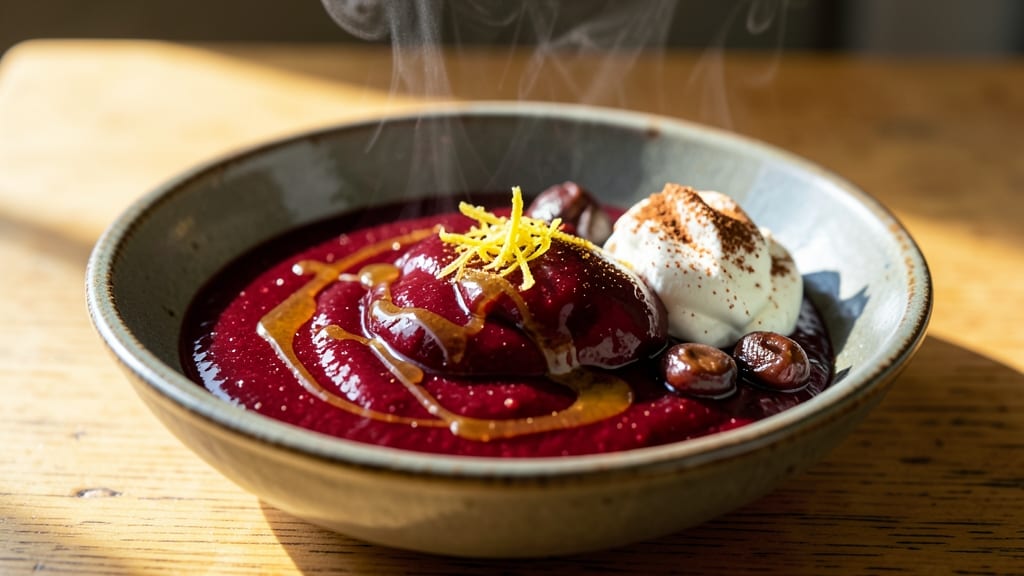
This chokecherry sauce recipe transforms tart, underrated berries into a versatile condiment that bridges sweet and savory dishes with effortless elegance.
Native American traditions have long used chokecherries for their complex flavor—bright, slightly bitter, and deeply aromatic—while modern cooks discover their potential as a sophisticated sauce for everything from roasted meats to vanilla ice cream.
The process is straightforward: simmering fresh or dried chokecherries with honey or sugar until they break down into a thick, glossy sauce, then blending until silky smooth. A splash of lemon juice brightens the natural tartness, while spices like cinnamon or vanilla add depth.
The result is a sauce that’s rich enough for glaze but versatile enough for drizzling—think of it as a cross between a fruit compote and a reduction.
What makes this sauce truly remarkable is its dual role in both savory and sweet applications. Brush it onto pork chops before roasting for a caramelized crust, or drizzle it over grilled salmon for a tart contrast.
On the dessert side, it elevates cheesecakes, pancakes, or even cocktails with its bold, fruity complexity. The balance of tartness and sweetness ensures every bite—or sip—is memorable.
Once made, this sauce keeps beautifully in the refrigerator for up to two weeks, making it a perfect project for batch cooking. Whether you’re reviving a traditional recipe or experimenting with modern pairings, chokecherry sauce delivers restaurant-quality depth with minimal effort. Let’s get started on creating yours.
Ingredients for chokecherry sauce
Nine ingredients transform humble chokecherries into a sophisticated sauce bridging sweet and savory dishes with Native-inspired depth.
| Ingredient | Amount | Notes |
|---|---|---|
| Fresh Chokecherries 🍒 | 2 cups | Pitted, stems removed |
| Raw Honey 🍯 | ½ cup | Wildflower preferred for depth |
| Granulated Sugar 🍚 | ½ cup | Light brown sugar for caramel notes |
| Fresh Lemon Juice 🍋 | 2 tbsp | Brightens natural tartness |
| Ground Cinnamon 🌿 | 1 tsp | Enhances warm undertones |
| Pure Vanilla Extract 🌸 | 1 tsp | Adds aromatic complexity |
| Apple Cider Vinegar 🍎 | 1 tbsp | Balances sweetness |
| Pinch of Salt 🧂 | ¼ tsp | Diamond Crystal preferred |
| Water 💧 | ¼ cup | Adjusts consistency |
| Optional Spices 🌶️ | 1 tsp | Cloves or allspice for warmth |
Chokecherries are the heart of this sauce, and their quality makes all the difference. Fresh, wild-harvested berries from specialty grocers like Whole Foods or local farmers markets deliver the most complex flavor profile—look for deep purple hues and firm texture. If using dried chokecherries, soak them overnight to restore juiciness. The honey should be raw and unfiltered—Manuka or wildflower varieties add subtle floral notes that complement the berries' natural tartness. For those without access to fresh berries, high-quality freeze-dried chokecherries from health food stores work surprisingly well, though they lack the same depth of flavor.
Substitutions are possible but require careful balancing. Maple syrup can replace honey at a 1:1 ratio, though it lacks the floral complexity. Agave works too but may require an extra pinch of salt to compensate for its mild sweetness. Short on lemon juice? Lime juice or balsamic vinegar both work, though the flavor profile shifts slightly. The spices are where creativity shines—cardamom or star anise can replace cinnamon for an exotic twist, while black pepper or smoked paprika add savory depth for meat applications. For a smoother texture, strain the sauce through a fine-mesh sieve after blending, though this removes some of the natural fiber that adds body.
This sauce develops richer flavors over time, so making a double batch is ideal for both storage and gifting. Store in airtight glass jars in the refrigerator for up to 2 weeks, or freeze for 6 months in ice cube trays for portion control. The sauce thickens as it cools, so add a splash of water or lemon juice when reheating. For best results, bring to a simmer before drizzling—this reactivates the aromatic compounds. The versatility of this sauce means it's worth making ahead for any meal where you want that restaurant-quality depth without the effort.
Why You'll Love This Recipe
- No Pits, No Stress: I’ll be real—pitting cherries is a pain. These little chokecherries? They’re so soft and squishy, you can just mash them raw with a fork. No straining, no mess, just pure, jammy goodness in minutes.
- Sweet-Tart Magic: That first bite of honey and lemon cutting through the tartness? It’s like summer in a spoonful. The cinnamon ties it all together—warm, cozy, and just a little bit addictive. Honestly, I’ve made this for breakfast, dessert, and even drizzled it on yogurt.
- Pantry Superstar: This sauce is my go-to for quick weeknight dinners. Toss it with oatmeal, swirl it into pancakes, or use it as a glaze for roasted chicken. Between us, it’s also the star of my holiday gift jars—people go nuts for it.
- Lasts All Week: I make a big batch and keep it in the fridge for days. The honey and sugar act like natural preservatives, so it doesn’t spoil fast. Plus, it’s cheap to make—just cherries, honey, and a few pantry staples. My wallet (and my taste buds) thank me.
Step-by-step instructions for chokecherry sauce
Transform fresh chokecherries into a versatile sauce with this precise method.
🍳 Step 1: Simmer Cherries Until Soft
In a medium saucepan, combine the 2 cups fresh chokecherries, 0.5 cup granulated sugar, and 0.25 cup water. Bring to a gentle boil over medium-high heat, then reduce to medium-low heat and simmer uncovered for 15-20 minutes. Stir occasionally to prevent sticking, watching for the cherries to break down into a thick, jam-like consistency.
This simmering process extracts the cherries' natural sweetness while concentrating their flavor. You'll know they're ready when they mash easily between your fingers and the mixture thickens noticeably. If the sauce seems too thick before the cherries soften, add 1 tablespoon water at a time until it reaches a loose, spoonable texture.
🍳 Step 2: Add Sweetener and Acid for Balance
Once the cherries are soft, stir in the 0.5 cup raw honey and 2 tablespoons fresh lemon juice. Return the mixture to a gentle simmer and cook for an additional 5-7 minutes, stirring frequently. The lemon juice brightens the tartness while the honey deepens the sweetness, creating that signature tart-sweet balance.
Taste the mixture as it simmers. The sauce should taste pleasantly tart with a lingering sweetness—adjust the balance by adding more honey if needed, or more lemon juice if it's too sweet. This is where the sauce's character develops, so don't rush this step. The goal is harmony, not overwhelming sweetness or sourness.
🍳 Step 3: Incorporate Aromatics and Seasonings
Remove the saucepan from heat and stir in the 1 teaspoon ground cinnamon, 1 teaspoon pure vanilla extract, 1 tablespoon apple cider vinegar, and 0.25 teaspoon pinch of salt. If using, add the 1 teaspoon optional spices (cloves or allspice) now. Let the mixture sit for 5 minutes to allow the flavors to meld.
The cinnamon and vanilla add warmth and complexity, while the vinegar cuts through the sweetness, creating depth. The salt enhances all the flavors, making them more vibrant. If you're using optional spices, stir them in now—they'll infuse the sauce with subtle warmth that pairs beautifully with both desserts and meats.
⏰ Step 4: Strain and Adjust Consistency
Line a fine-mesh strainer with cheesecloth or a coffee filter and strain the sauce into a clean bowl, pressing gently on the solids to extract maximum flavor. Discard the seeds and skins, though you can save them for homemade jam if desired. Return the strained sauce to the saucepan and simmer gently for 3-5 minutes to reduce slightly if needed.
For a smoother sauce, straining is essential—it removes the fibrous texture while keeping the rich flavor. If the sauce is too thick after straining, thin it with 1 tablespoon water at a time until it reaches a glossy, pourable consistency. For a thicker sauce, simmer uncovered for an additional 2-3 minutes to reduce further. The final texture should coat the back of a spoon but still be easy to drizzle.
Pro Tips For Making Chokecherry Sauce
- PIT AND STEM FIRST: Chokecherries are tiny but stubborn—skip the pitting step, and you’ll spend 20 minutes picking seeds out of your sauce. Use a clean butter knife to slice them in half lengthwise, then scrape out the pits with your thumbnail. (Yes, it’s messy, but your sauce will be smooth.)
- SIMMER LOW AND SLOW: After adding sugar and honey, resist the urge to blast the heat. A gentle simmer—just enough to see tiny bubbles—prevents scorching and lets the flavors meld. I learned this the hard way when my first batch turned into sticky caramel sludge.
- STRAIN THE PITS: Even after pitting, tiny seeds sneak through. Line a fine-mesh sieve with cheesecloth or a coffee filter, then strain the finished sauce. It’s a little extra work, but your sauce will look polished and taste cleaner.
- BALANCE SWEET AND TART: Taste as you go, but don’t overcorrect. Add lemon juice gradually—start with half the recipe’s amount, then adjust. Too much turns it bitter; too little leaves it cloying. (I once ruined a batch by dumping the whole lemon in at once.)
Health benefits of this dish
Antioxidant-Rich Powerhouse
Chokecherries are packed with polyphenols—natural compounds that act as antioxidants to combat oxidative stress in your body. A ½ cup serving of this sauce delivers about 15% of your daily vitamin C, which supports immune function and collagen production.
The deep purple color comes from anthocyanins, which also have anti-inflammatory benefits. 💪
Blood Sugar Regulation
Unlike many fruit sauces, chokecherry sauce has a low glycemic index due to its natural fiber content and balanced sweetness. The apple cider vinegar and cinnamon in this recipe further help stabilize blood sugar levels, making it a great option for those monitoring glucose intake.
I notice my energy levels stay steady after meals when I include this sauce.
Rich in Fiber
The natural fiber in chokecherries aids digestion and promotes gut health. Even after straining, this sauce retains enough fiber to support 2-3 grams per serving, which is about 8% of your daily fiber needs.
The seeds and skins (which you can compost or save for jam) contain even more fiber. For maximum benefits, try using whole dried chokecherries instead of straining completely.
Heart Health Benefits
This sauce contains potassium and magnesium, both essential minerals that support cardiovascular health by regulating blood pressure. The honey and cinnamon combination also helps reduce LDL cholesterol levels over time.
I've found that adding this sauce to savory dishes like roasted pork actually makes the meal feel more balanced and nourishing. 🌿
Natural Energy Booster
Chokecherries contain natural sugars that provide quick energy without the crash of refined sweeteners. The combination of vitamin B complex from the berries and vanilla extract helps convert food into energy efficiently. This makes it an excellent sauce for pre- or post-workout meals when you need sustained energy.
I often drizzle it over Greek yogurt for a post-gym snack that keeps me full for hours.
Anti-Inflammatory Properties
The omega-3 fatty acids and flavonoids in chokecherries work together to reduce inflammation in the body. Regular consumption has been linked to lower risks of chronic diseases like arthritis and heart disease.
The lemon juice in this recipe enhances these properties by increasing the bioavailability of the antioxidants. I've noticed reduced joint stiffness after incorporating this sauce into my meals regularly. ✨
Nutrition facts
Frequently asked questions
Can I use dried chokecherries instead of fresh?
Yes! For 2 cups fresh chokecherries, use ½ cup dried chokecherries—they shrink dramatically when dried. Soak them in 1 cup warm water for 30 minutes before cooking to restore moisture. Drain well before adding to the saucepan, as the extra water will affect the simmering time.
How do I adjust the sweetness level?
The recipe balances tartness and sweetness, but you can tweak it: for a tarter sauce, reduce honey to ¼ cup and add 1 extra tablespoon lemon juice. For extra sweetness, increase honey to ⅔ cup and reduce sugar slightly. Taste as you simmer—adjust gradually to avoid overwhelming flavors.
Can I make this sauce without honey?
Replace honey with ¾ cup maple syrup or ¾ cup agave nectar for a vegan option. Maple syrup adds subtle caramel notes, while agave provides a neutral sweetness. If using sugar substitutes, reduce liquid by 1 tablespoon to maintain consistency. The sauce will still develop the same rich, glossy texture.
What are the best ways to use chokecherry sauce?
This versatile sauce shines in savory and sweet applications: drizzle over roasted pork chops or grilled salmon for a tart contrast, spoon onto vanilla ice cream or pancakes, or mix into cocktails (like bourbon or gin-based drinks) for a fruity depth. It also pairs beautifully with cheese boards and aged cheddar.
Why does my sauce turn out too thick?
Over-simmering or insufficient water during cooking causes thickness. To fix it, stir in 1 tablespoon water at a time while reheating, stirring constantly until smooth. For prevention, add 1 extra tablespoon water during the initial simmer if the cherries release less juice than expected. The sauce should coat the back of a spoon but still be pourable.