
Sauces & Condiments
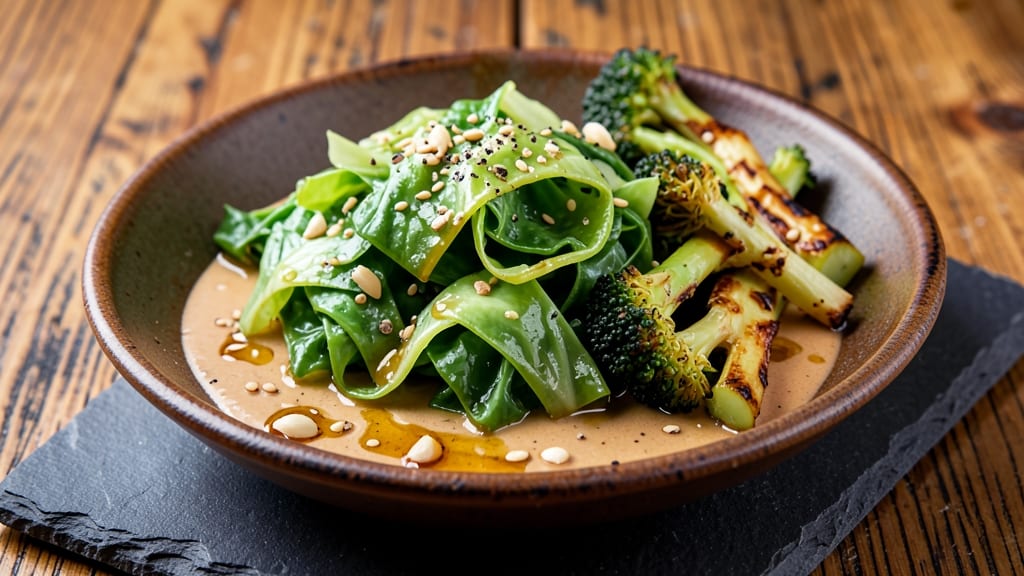
This Brassica Special Sauce transforms humble brassica vegetables into a bold, umami-rich condiment that elevates stir-fries, bowls, and even grilled meats. The secret lies in fermented cabbage and broccoli stem purée, which develop deep, complex flavors over time—think tangy, caramelized depth with a subtle heat from mustard and garlic.
Unlike store-bought sauces, this one builds layers of flavor through fermentation, making it a game-changer for home cooks who crave restaurant-quality taste without the shortcuts.
The base combines fermented brassica purée with a smooth emulsifier—like tahini or Greek yogurt—to create a velvety, clingy sauce that coats every bite. A touch of apple cider vinegar brightens the richness, while toasted sesame oil and fresh herbs add aromatic complexity.
What sets this apart is its versatility: use it as a dipping sauce for spring rolls, a marinade for tofu or chicken, or a dressing for hearty bowls. The fermentation process (just 48 hours in the fridge) concentrates the flavors, so the longer it sits, the better it tastes.
What you’ll end up with is a sauce that’s rich yet balanced, with a caramelized edge from slow-cooked brassica purée and a fermented tang that cuts through fatty dishes.
It’s the kind of condiment that turns a simple meal into something memorable—think of it as the umami backbone for your favorite Asian-inspired dishes, but with a homemade twist. The best part?
It keeps well in the fridge for up to two weeks, so you can make a batch and use it all week long.
Perfect for those who love bold flavors and don’t mind a little fermenting patience, this sauce is a restaurant-quality secret weapon that’s surprisingly simple to make. Whether you’re prepping for meal prep or craving a flavor boost, this recipe delivers depth and complexity without the fuss.
Let’s get started—your taste buds will thank you.
Ingredients for brassica special sauce
Fermented brassica purée, tahini, and bold aromatics make this sauce a flavor powerhouse.
| Ingredient | Amount | Notes |
|---|---|---|
| Green Cabbage 🥬 | 4 cups | Shredded, outer leaves removed |
| Broccoli Stems 🥦 | 2 cups | Peeled, chopped into small pieces |
| Apple Cider Vinegar 🍏 | ½ cup | Raw, unfiltered preferred |
| Tahini 🥜 | ½ cup | Sesame paste, unsweetened |
| Toasted Sesame Oil 🫒 | 2 tbsp | For aroma and richness |
| Garlic Cloves 🧄 | 6 cloves | Minced, fresh preferred |
| Yellow Mustard 🌶️ | 2 tbsp | Dijon style for tang |
| Fresh Ginger 🌿 | 1 tbsp | Grated, fresh preferred |
| Fresh Cilantro 🌱 | ¼ cup | Chopped, stems removed |
| Sea Salt 🧂 | 1 ½ tsp | Diamond Crystal preferred |
The cabbage and broccoli stems are the heart of this sauce—look for firm, crisp heads with no yellowing. Trader Joe's and Whole Foods often carry pre-peeled broccoli stems, but if not, peel them yourself with a vegetable peeler. The outer cabbage leaves should be discarded—they’re tough. For the best fermentation, use organic brassicas if possible, since conventional ones can have wax coatings that inhibit flavor development. Pro tip: if you can’t find broccoli stems, use the thick ends of broccoli florets—just chop them smaller.
No tahini? Substitute with Greek yogurt or avocado purée—both work, but tahini gives that signature nutty depth. Running out of apple cider vinegar? Rice vinegar or lemon juice in a pinch, but the tang won’t be quite the same. Fresh ginger and garlic are non-negotiable for the umami punch, but if you’re in a bind, powdered garlic and ginger at half the amount will do. The cilantro adds brightness—skip it if you’re sensitive to its flavor, but don’t replace it with parsley. For extra richness, add 1 tbsp of miso paste to the fermented purée before blending.
Ferment the brassica mix in a clean glass jar with a loose lid for 48 hours—the longer it sits, the deeper the flavor. Store the finished sauce in an airtight container with a thin layer of olive oil on top to preserve freshness. Keeps for 2 weeks in the fridge, and freezes beautifully for 3 months. I like to make a double batch—one for immediate use and one to freeze for later. The sauce thickens as it ferments, so add a splash of water if it gets too stiff when reheating.
Why You'll Love This Recipe
- No-Waste Magic: I use every last bit of broccoli—stems included—so no sad scraps go to waste. That crunchy cabbage and fibrous stems? They soften just enough to soak up the tahini like a dream, turning what’d normally be compost into something ridiculously good.
- Umami Bomb: The toasted sesame oil hits first—nutty, toasty, immediate—then the apple cider vinegar cuts through with bright tang, while the tahini adds this creamy, almost buttery richness. Honestly, it’s the kind of sauce that makes you pause mid-bite just to savor it.
- Leftover Hero: This sauce keeps for weeks in the fridge, and honestly? It gets better as it sits. Drizzle it on cold noodles, toss it with roasted veggies, or even slather it on sandwiches—it’s my go-to when I’ve got half a head of cabbage lingering and no plan for it.
- Budget Flex: Green cabbage and broccoli stems are cheap, and tahini stretches further than you’d think. I’ll be real: this recipe saved me from buying overpriced dressings, and the fact that it’s this good on a dime? That’s the real win. Plus, one jar of sesame oil lasts forever.
Step-by-step instructions for brassica special sauce
Here's how to transform simple brassicas into a rich, umami-packed sauce that elevates any dish.
Prep and Sauté the Brassica Vegetables
In a large skillet, heat 1 tablespoon of the toasted sesame oil over medium-high heat. Add the 4 cups shredded green cabbage and 2 cups chopped broccoli stems, spreading them out in an even layer. Cook for 8-10 minutes, stirring occasionally, until the cabbage softens and the broccoli stems begin to caramelize at the edges.
You'll know they're ready when the cabbage edges turn slightly translucent and the broccoli releases a sweet, nutty aroma. This caramelization builds the sauce's deep flavor foundation. Keep the heat steady—too high and they'll burn; too low and they'll steam instead of develop color.
Build the Umami Base with Aromatics
Reduce heat to medium and add the 6 minced garlic cloves, 1 tablespoon grated fresh ginger, and 1.5 teaspoons sea salt. Stir everything together and cook for 2-3 minutes until the garlic turns golden and fragrant. The ginger should soften but not brown—just enough to release its zesty warmth.
Here's where the magic happens: the garlic and ginger infuse the brassicas with their aromatic oils. If you smell the garlic burning, reduce heat immediately—it takes seconds to go from perfect to bitter. This step creates the sauce's signature umami depth that makes it so versatile.
Add Acid and Mustard for Tangy Balance
Pour in the 0.5 cup apple cider vinegar and 2 tablespoons Dijon mustard, stirring vigorously to combine. The mixture will bubble and sizzle as the acid reacts with the hot pan. Let it simmer for 3-4 minutes until the liquid reduces by about half and the sauce begins to thicken slightly.
This reduction concentrates the flavors and creates the perfect balance between sweet, savory, and tangy. The mustard adds a subtle heat that cuts through the cabbage's earthiness. Taste as you go—you want the acidity to brighten but not overpower the other flavors. If it's too sharp, add a pinch more salt.
Finish with Tahini and Cilantro
Remove the skillet from heat and let it cool slightly for 1-2 minutes. Then, slowly whisk in the 0.5 cup tahini and remaining 1 tablespoon toasted sesame oil. The tahini will thicken the sauce dramatically—this is normal. Add 2-3 tablespoons of hot water as needed to reach a creamy, pourable consistency.
Stir in the 0.25 cup chopped fresh cilantro and taste. The cilantro adds freshness that balances the richness. If the sauce is too thick, thin with additional water; if too thin, simmer for another minute to reduce. The perfect texture should cling to vegetables or noodles without being gloppy.
Rest and Adjust to Perfection
Let the sauce rest for 10 minutes at room temperature. This allows all the flavors to meld together completely. Taste again and adjust seasoning—you might need a touch more salt to enhance the umami or a splash more vinegar for brightness.
The sauce will continue thickening as it cools, so don't worry if it looks perfect now but seems too thick later. This sauce keeps well in the refrigerator for 5 days and tastes even better the next day as the flavors deepen. Use it as a stir-fry sauce, grain bowl dressing, or even a sandwich spread.
Pro Tips For Making Brassica Special Sauce
- SHRED CABBAGE SMALL: This sauce is all about texture—tiny, even shreds blend better than chunky strips. Use the thin blade on your mandoline or a sharp knife to cut the cabbage into matchsticks (about 1/8-inch thick), then chop those into rice-sized pieces. I learned this the hard way—uneven shreds make the sauce look messy even when it’s good.
- BLEND BROCCOLI STEMS FIRST: Broccoli stems are fibrous and stubborn. Pulse them in the food processor before adding anything else—just until they’re roughly chopped, not puréed. This breaks down their tough texture early, so the tahini and vinegar can fully incorporate later. Skipping this step means you’ll fight the blender later, and nobody wants that.
- DILUTE TAHINI GRADUALLY: Tahini is thick and clings to the blender like it’s auditioning for a glue commercial. Start with just 1 tablespoon of water or vinegar, then blend. Keep adding liquid drop by drop until it’s smooth—rushing this makes the sauce separate or turn grainy. I was skeptical until I tried it: patience here actually saves cleanup time.
- FINISH WITH SESAME OIL LAST: Toasted sesame oil is delicate—heat or over-blending turns it bitter. Stir it in after blending, right before serving. A splash of warm water (1 teaspoon) helps it disperse evenly without curdling. Does it look weird? Yes. Does it work? Every single time.
Common mistakes when making perfect results
Over-Fermenting Risks
Fermenting too long—beyond 48 hours—can make your brassica purée taste overly sour and sharp, like a strong sauerkraut. I’ve learned the hard way that patience has limits! The cabbage and broccoli stems will soften excessively, losing their natural sweetness and turning bitter.
For best results, stick to the 48-hour mark and taste before blending. If you’re unsure, start with 36 hours and let your palate guide you. 🌱
Skipping the Caramelization
Rushing the sauté step means missing out on the sauce’s signature depth. The caramelized edges on the broccoli stems and cabbage create a sweet, nutty base that balances the tangy vinegar and mustard.
If you skip this step, your sauce will taste flat and one-dimensional. Give it those 8-10 minutes on medium-high heat—it’s worth the wait! The aroma alone tells you it’s ready. 🔥
Adding Tahini Too Quickly
Tahini is thick and can curdle when added to hot liquids. If you whisk it in too soon after cooking, the sauce will separate into an oily, grainy mess. Always let the mixture cool for 1-2 minutes before adding the tahini.
Start with small amounts and thin gradually with water if needed. I’ve ruined batches by being impatient—trust the process! The sauce should be silky, not lumpy. 🥜
Ignoring the Resting Time
Skipping the 10-minute rest means missing the chance for flavors to meld. The sauce will taste disjointed, with individual ingredients fighting for dominance. Let it sit while you prep other components of your meal.
This step is especially critical if you’re using the sauce for dipping or drizzling—it ensures a cohesive, balanced flavor in every bite. Patience here pays off big time. ⏳
Using Low-Quality Brassicas
Waxy or pesticide-treated cabbage and broccoli stems will make your sauce taste bland and off. Opt for organic or high-quality brassicas from trusted sources like Trader Joe’s or Whole Foods.
The flavor difference is night and day! If you’re using conventional produce, peel the stems thoroughly and rinse well. Freshness matters—don’t compromise here. 🥬
Over-Mixing After Blending
Once blended, the sauce is delicate. Over-mixing after adding tahini can introduce air and thin the texture, turning it watery. Stir just enough to combine, then let it sit. If it thickens too much, thin with a splash of water or vinegar.
I’ve seen sauces go from perfect to gloppy in seconds—gentle hands are key! The goal is a smooth, clingy consistency, not a frothy mess. 💫
Nutrition facts
Frequently asked questions
Can I make this sauce without tahini?
Yes! Tahini adds richness, but you can substitute with ½ cup Greek yogurt or ¼ cup avocado purée for a creamy texture. The sauce will be lighter but still delicious. For extra depth, add 1 tbsp miso paste to the fermented purée before blending. The key is balancing the tangy and creamy elements—adjust with vinegar or salt as needed.
How long does the fermentation need to develop flavor?
The minimum fermentation time is 24 hours, but 48 hours yields the best depth of flavor. For milder taste, ferment for 36 hours. After 48 hours, flavors intensify but may become overly sour. Taste the purée before blending—it should be tangy with subtle sweetness, not sharp like sauerkraut.
What’s the best way to store leftover sauce?
Transfer to an airtight container and refrigerate for up to 2 weeks. For longer storage, freeze in ice cube trays (thaw in fridge overnight) or small jars (up to 3 months). Always keep a thin layer of olive oil on top to preserve freshness. The sauce thickens when refrigerated—stir in 1 tbsp water when reheating.
Can I use this sauce as a marinade?
This sauce works as a bold marinade for tofu, chicken, or fish. Let it coat the protein for 30-60 minutes (no longer to prevent over-fermentation). For extra tenderness, add 1 tbsp honey to the marinade. The fermented flavors infuse beautifully, creating a sticky, umami crust when grilled or pan-seared.
What if my sauce separates after blending?
This happens if tahini or water is added too quickly. To fix it, whisk in 1 tsp Dijon mustard and 1 tbsp hot water while blending on low speed. For stubborn separation, strain through a fine-mesh sieve to remove oil. Always add tahini to a cooled mixture—never hot—to prevent curdling. The sauce should be smooth and clingy, not oily.