
Sauces & Condiments
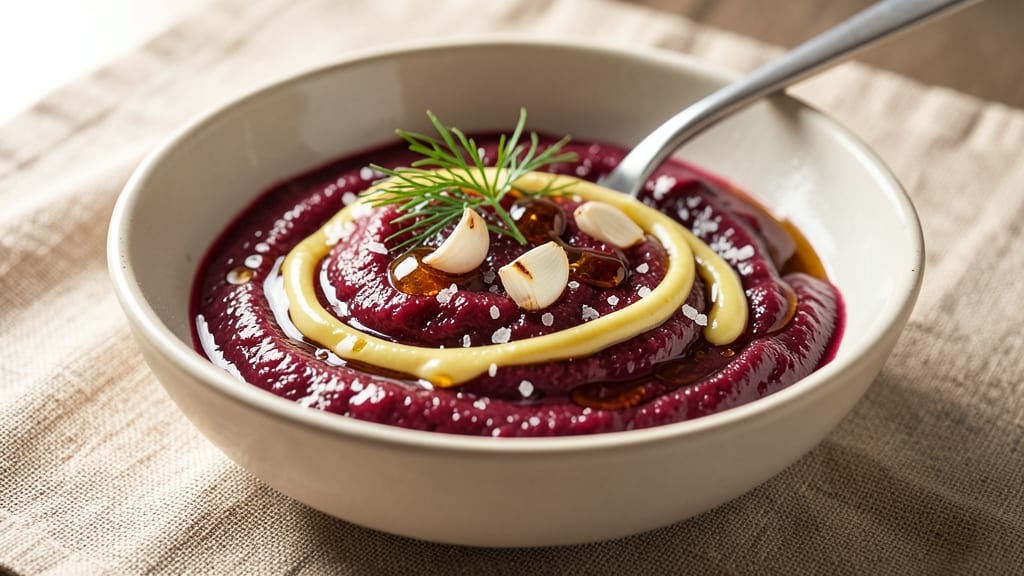
This beetroot sauce recipe transforms humble beets into a velvety, earthy-sweet condiment with a hidden vinegar kick that elevates everything from salads to roasted vegetables. 💛 The secret lies in balancing roasted beets' natural sweetness with tangy apple cider vinegar and a touch of mustard for depth—no artificial flavors, just bold, natural taste.
Perfect for vegans, this sauce adds color and complexity to any dish without overpowering flavors.
What sets this recipe apart is its versatility—use it as a vibrant salad dressing, a dip for crusty bread, or a glaze for roasted meats. The process is simple: roast or boil beets until tender, then blend them with vinegar, olive oil, and a pinch of salt until smooth.
The result is a rich, slightly tangy sauce that clings beautifully to greens, grains, or proteins, adding a deep ruby hue and complex flavor to every bite.
The sauce's magic comes from the roasting step, which caramelizes the beets' natural sugars, creating a sweet-tart balance that pairs perfectly with savory dishes. A splash of vinegar brightens the flavor, while a hint of mustard adds a subtle kick.
This isn’t just a condiment—it’s a flavor enhancer that turns simple meals into something extraordinary. Ready in just 20 minutes, it’s the perfect way to add sophistication to your cooking.
Store it in the fridge for up to 5 days, where the flavors deepen and intensify. The sauce thickens slightly as it cools, making it ideal for drizzling over roasted dishes or swirling into soups.
Whether you’re a seasoned chef or a home cook, this beetroot sauce will become a staple in your kitchen—simple to make, impossible to resist.
Ingredients for beetroot sauce
Nine ingredients transform roasted beets into a velvety sauce with earthy-sweet depth and tangy complexity.
| Ingredient | Amount | Notes |
|---|---|---|
| Medium Beets 🍠 | 2 whole | Roasted or boiled until tender |
| Extra-Virgin Olive Oil 🫒 | ½ cup | High-quality, fruity variety |
| Apple Cider Vinegar 🍎 | ¼ cup | Raw, unfiltered preferred |
| Yellow Mustard 🌶️ | 1 tbsp | Dijon-style for depth |
| Fresh Garlic Cloves 🧄 | 2 cloves | Minced for aromatic punch |
| Maple Syrup 🍁 | 1 tbsp | Grade B for robust flavor |
| Sea Salt 🧂 | ½ tsp | Fine grain preferred |
| Black Peppercorns 🌶️ | ¼ tsp | Freshly cracked for texture |
| Fresh Thyme Leaves 🌿 | 1 tsp | Or 0.25 tsp dried thyme |
The beets are the foundation—organic from Trader Joe's or your local farmers market give the best flavor. Look for vibrant, firm beets with no soft spots. Roasting caramelizes their natural sugars, but boiling works in a pinch (just peel first). Golden beets add a sweeter note if you want variation. The apple cider vinegar should be raw and unfiltered—Bragg is my go-to, but any good quality brand works. Fresh thyme is ideal, but dried works at one-third the amount. The mustard adds that subtle kick, so don't skip it—Dijon-style has more depth than regular yellow mustard.
No maple syrup? Agave nectar or date syrup works just as well. Short on vinegar? Lemon juice at half the amount brightens things up. The olive oil matters here—use something fruity and peppery, not the bland supermarket kind. For extra richness, add a splash of vegan cashew cream (blend soaked cashews with water). The garlic can be roasted with the beets for a sweeter flavor—just toss whole cloves in the roasting pan. If you're making this ahead, the sauce actually tastes better the next day as flavors meld.
Store in an airtight jar in the fridge for up to 5 days, where it thickens beautifully. Thin with water or more vinegar if needed. Freezes well for 3 months—portion into ice cube trays for single-use servings. The sauce thickens as it cools, making it perfect for drizzling over roasted veggies or swirling into soups. Double the batch—you'll want leftovers for sandwiches and salads.
Why You'll Love This Recipe
- No Chopping Needed: I’ll admit, I used to dread peeling beets—until I realized roasting them whole cuts the mess in half. Just poke those bad boys with a fork, toss in olive oil, and let the oven do the work while you sip your coffee.
- Sweet-Savory Magic: That balance of roasted beets, sharp apple cider vinegar, and punchy garlic? It’s like a flavor hug for your taste buds. The mustard ties it all together—creamy, tangy, and just a little bit bold.
- Game for Any Plate: Slather it on grilled chicken, drizzle over mashed potatoes, or spoon it into sandwiches. Honestly, I’ve even used it as a dip for veggies when I’m lazy. The sauce keeps its vibe no matter where it lands.
- Pantry Goldmine: Between us, this sauce lasts forever—I’ve had it for a week in the fridge and it’s still fresh. Plus, beets are cheap, and a little olive oil goes a long way. It’s my go-to when I need flavor without breaking the bank.
Step-by-step instructions for earthy beetroot sauce
This vibrant sauce comes together in minutes with bold flavors you won't believe.
🍳 Step 1: Roast or Boil the Beets Until Tender
Preheat your oven to 400°F for roasting or bring a pot of water to a boil for boiling. Wrap the 2 whole medium beets tightly in aluminum foil and roast for 45-60 minutes until a knife slides in easily. For boiling, cook for 20-25 minutes until fork-tender.
Here's the thing—roasting gives deeper caramelized flavor, while boiling keeps them slightly more vibrant. Either method works, but don't skip the tenderness test. The beets should have just a little resistance when pierced, not be mushy. Let them cool slightly before peeling.
👨🍳 Step 2: Prepare the Aromatic Base
While the beets cook, heat 0.5 cup extra-virgin olive oil in a medium saucepan over medium heat. Add the 2 minced fresh garlic cloves and cook for 1 minute until fragrant but not browned. Add the 1 tsp fresh thyme leaves and cook for another 30 seconds.
Don't walk away—garlic burns fast. I press down gently on the garlic with a wooden spoon to prevent it from jumping. The thyme will release its piney aroma, which balances the earthy beets beautifully. This aromatic base is the flavor foundation of your sauce.
🥘 Step 3: Blend the Beets with Vinegar and Mustard
Once cooled, peel the beets and cut them into chunks. Add them to the saucepan with the 0.25 cup apple cider vinegar and 1 tbsp yellow mustard. Simmer for 5 minutes until everything is hot and the beets begin to break down slightly. Use an immersion blender to purée directly in the pan until completely smooth.
If you don't have an immersion blender, transfer to a regular blender and blend until silky. The vinegar adds that bright acidity that cuts through the sweetness, while the mustard gives it that signature tang. This is where the magic happens—balance is everything.
⏰ Step 4: Finish with Sweetness and Seasoning
Return the puréed mixture to the saucepan and stir in the 1 tbsp maple syrup. Simmer for 3-4 minutes until the sauce thickens slightly and coats the back of a spoon. Season with 0.5 tsp sea salt and 0.25 tsp freshly cracked black peppercorns.
The maple syrup rounds out the acidity while the pepper adds subtle heat. Taste and adjust—you might want a touch more vinegar for brightness or a bit more syrup for sweetness. This is your chance to perfect the balance. The sauce should be glossy, velvety, and ready to transform any dish.
Pro Tips For Making Beetroot Sauce
- ROAST BEETS UNTIL SOFT: Peel them first, then roast at 400°F (200°C) for 45–50 minutes with a glug of olive oil and a pinch of salt—no need to wrap them. Overcooked beets turn mushy and ruin the sauce’s texture, while undercooked ones leave you with a bitter bite. A fork should pierce them like butter.
- PEEL COOLED BEETS: Run them under cold water after roasting, then rub off the skins with your fingers—no peeler needed. Hot beets slip and shred like overripe bananas, making peeling a messy chore. Patience here saves your hands and your counter.
- SAUTÉ GARLIC LOW: Add minced garlic to the pan after the beets are mostly cooked, and keep the heat at medium-low. Burnt garlic turns bitter and overpowers the sauce, while gentle cooking lets its sweetness shine. Yes, it takes 30 seconds longer, but the flavor difference is night and day.
- EMULSIFY WITH MUSTARD: Whisk in the mustard before adding vinegar—it acts as a natural emulsifier, keeping the sauce silky instead of separating. I used to skip this step and ended up with a sad, split sauce every time. A spoonful of mustard is the glue holding this dish together.
Perfect pairings for this beetroot sauce
Salad Dressing Star
This vibrant beetroot sauce transforms any salad from ordinary to extraordinary. Toss it with mixed greens like spinach or arugula, then top with toasted walnuts and crumbled goat cheese for a perfect balance of earthy, nutty, and creamy flavors.
I love it on a kale and apple salad—the sweetness of the sauce complements the crisp apples beautifully. 🥗
Roasted Veggie Glaze
Brush this sauce over roasted Brussels sprouts or carrots in the last 10 minutes of roasting at 425°F for a caramelized glaze. The vinegar kick cuts through the sweetness of the vegetables, while the maple syrup adds a sticky finish.
Try it with parsnips or sweet potatoes for an unexpected twist.
Dip for Crusty Bread
Serve this sauce warm or at room temperature as a dip for sourdough or baguette slices. The texture thickens slightly when chilled, making it perfect for scooping.
Add a sprinkle of flaky sea salt and fresh thyme on top for an elegant appetizer. I often pair it with hummus or tzatziki for a Mediterranean-inspired spread.
Meat Glaze Magic
Use it as a finishing sauce for grilled lamb chops or smoked salmon. The earthy beets complement the richness of the meat while the vinegar brightens the dish.
Drizzle it over seared scallops or pan-seared tofu for a vegan-friendly option. The sauce clings beautifully, adding color and depth in every bite.
Soup & Grain Enhancer
Swirl this sauce into butternut squash soup or lentil stew for an instant flavor boost. The beets' natural sweetness balances the heartiness of the soup, while the vinegar adds brightness.
Stir it into quinoa or farro bowls just before serving to keep the grains from getting soggy. It's a game-changer for weeknight meals.
Cheese Board Elevator
Drizzle this sauce over aged cheddar, brie, or vegan cashew cheese on a cheese board. The tangy-sweet contrast makes every bite exciting. Pair it with cured meats like prosciutto or dried fruits like apricots for a sophisticated combination.
It’s the perfect way to elevate a simple cheese board into a gourmet experience. 🧀
Nutrition facts
Frequently asked questions
Can I make this beetroot sauce without roasting the beets?
Yes! Boiling the beets works perfectly—simmer 2 whole beets in water for 20-25 minutes until fork-tender. The flavor will be slightly less caramelized but still vibrant and tangy. Just peel them before blending to avoid a gritty texture.
How do I adjust the thickness of the sauce?
If it's too thick, thin with 1-2 teaspoons of water or vinegar at a time while stirring. For extra thickness, simmer uncovered for 2-3 extra minutes to reduce. The sauce naturally thickens when chilled, so adjust before serving.
Is this sauce suitable for vegans?
This recipe is entirely plant-based—no dairy, eggs, or animal products. The mustard, maple syrup, and vinegar are all vegan-friendly, making it perfect for vegan diets. The sauce's rich texture comes from the beets and olive oil.
Can I substitute the apple cider vinegar?
Yes, but the flavor will vary slightly. Use lemon juice (half the amount) for brightness or balsamic vinegar (reduce to 2 tablespoons) for a deeper, sweeter note. White wine vinegar also works but may taste sharper.
How long does this sauce keep, and can I freeze it?
Store in an airtight container in the fridge for up to 5 days, where flavors deepen. For freezing, portion into ice cube trays or small containers—it keeps for 3 months. Thaw overnight in the fridge before using. The texture remains smooth after freezing.