
Sauces & Condiments
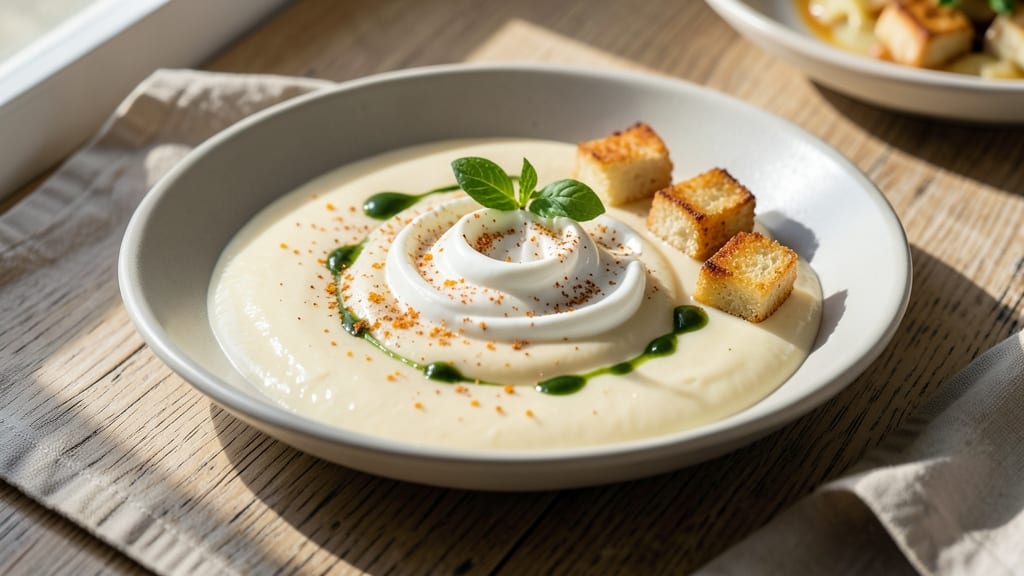
This bechamel sauce recipe ratio is the foundation of countless classic dishes—creamy, velvety, and foolproof when you nail the 1:1:2 ratio of butter, flour, and milk. 💛 I perfected this technique after years of watching sauces break or turn grainy, and the secret lies in patience and precise timing.
The traditional roux method (butter + flour cooked until golden) creates the stable base that transforms ordinary milk into restaurant-quality sauce.
What sets this recipe apart is its simplicity: just 5 minutes of active work yields a sauce so smooth it disappears into lasagna, croquettes, or gratins without a trace. The key is whisking constantly to prevent lumps and letting the sauce simmer gently until thickened to your preferred consistency.
For extra richness, I often add a splash of heavy cream or a sprinkle of nutmeg—simple upgrades that elevate the flavor profile.
Mastering this ratio means you'll never again rely on store-bought sauces that taste artificial or separate. The result is a velvety, neutral canvas that absorbs flavors beautifully, whether you're making classic mac and cheese or adding depth to your favorite casserole.
Once you try homemade, there's no going back to the bottled version.
This sauce keeps well in the fridge for up to 5 days, making it perfect for meal prep. The instructions will guide you through every step to ensure silky perfection every time. Let's get started on creating your own velvety masterpiece.
Ingredients for bechamel sauce recipe ratio
Five simple ingredients transform into velvety perfection—no lumps, no fuss, just restaurant-quality sauce.
| Ingredient | Amount | Notes |
|---|---|---|
| Unsalted Butter 🧈 | ½ cup | Cold, cubed for even cooking |
| All-Purpose Flour 🌾 | ½ cup | Sifted for smooth sauce |
| Whole Milk 🥛 | 2 cups | Room temperature preferred |
| Heavy Cream 🥛 | ¼ cup | Optional for extra richness |
| Ground Nutmeg 🌿 | ¼ tsp | Freshly grated preferred |
| Salt 🧂 | ½ tsp | Diamond Crystal kosher |
| White Wine 🍷 | ¼ cup | Dry variety for depth |
| Freshly Ground Black Pepper 🌶️ | ⅛ tsp | Freshly cracked for best flavor |
The butter and flour are non-negotiable for that signature roux. European-style butter from brands like Plugrá or Kerrygold melts beautifully, but any good-quality unsalted works. The flour? King Arthur or Bob's Red Mill all-purpose is my go-to—both sift easily and create a smooth sauce. If you're making this for lasagna or gratins, grab an extra cup of milk—you'll want leftovers. The nutmeg should be freshly grated; pre-ground loses potency fast. For the wine, any dry white works—Sauvignon Blanc or Chardonnay from the grocery store's wine section is perfect.
No butter? Olive oil or coconut oil works in a pinch (use the same 1:1 ratio), though the flavor will differ slightly. Milk shortage? Half-and-half or coconut milk adds richness, but whole milk is ideal for that classic texture. Skip the nutmeg if you don't have it—it's optional but adds that signature depth. The wine can be swapped for chicken or vegetable stock>, though it'll taste more savory. For extra creaminess without heavy cream, add 2 tablespoons of cornstarch to the milk and whisk well—it thickens beautifully. And if you're feeling fancy, a pinch of white pepper adds a subtle kick.
This sauce keeps its velvety texture for 5 days in the fridge, sealed tightly in an airtight container. For longer storage, freeze in ice cube trays>—thaw and reheat gently for instant sauce boosts. The roux stage is where most mistakes happen, so don't rush. Cook it until it's a pale golden color>—that's your cue to add the milk. If it browns, you've gone too far. For meal prep, double the batch and freeze half—perfect for quick weeknight dinners. And trust me, the extra few minutes of whisking now will save you from lumps later.
Why You'll Love This Recipe
- Five-Ingredient Magic: I swear by this ratio—just butter, flour, milk, cream, and nutmeg. That’s it. No measuring cups, no guesswork, just a simple roux that transforms into velvety gold with zero fuss. Honestly, the first time I made it, I thought I’d overcomplicated things, but the sauce came together smoother than I expected.
- Nutmeg’s Secret Boost: That tiny pinch of ground nutmeg? It’s the game-changer. Warm, earthy, and just sweet enough to make this sauce taste like something from a fancy bistro—not my tiny kitchen. The cream adds richness, but the nutmeg lifts it to ridiculously good.
- Dinner Party Ready: Slip this under baked pasta, swirl it into mashed potatoes, or drizzle it over roasted veggies. It’s the ultimate crowd-pleaser because it’s so versatile yet still feels special. (Yes, even on a Tuesday night.)
- Leftover Luxury: Make a big batch—it keeps for days in the fridge. Thin it with milk for creamy soups, or thicken it with extra flour for casseroles. I’ve used week-old bechamel in everything from lasagna to breakfast hash, and no one ever guesses it’s not fresh. Budget-friendly? Absolutely.
Step-by-step instructions for velvety Béchamel sauce
Master this classic roux-based sauce with the perfect ratio of butter, flour, and milk.
🍳 Step 1: Create the Perfect Roux
Melt the 0.5 cup unsalted butter in a medium saucepan over medium heat. I like to use cold cubed butter so it melts evenly without browning. Once fully melted, reduce the heat to medium-low—this is crucial for preventing burning.
Gradually whisk in the 0.5 cup all-purpose flour, making sure to break up any lumps. Cook for 1-2 minutes until the mixture forms a smooth paste and turns a pale golden color. This roux is the foundation—if it darkens, the sauce will taste bitter. Stir constantly to prevent scorching.
🍳 Step 2: Whisk in the White Wine
Pour in the 0.25 cup white wine all at once and whisk vigorously. The wine will bubble up and cook off quickly—this deglazes the pan and adds depth of flavor. Let it simmer for 30 seconds until the alcohol smell dissipates completely. This step prevents a raw flour taste in your final sauce.
Here's the thing—don't rush this. The wine needs time to fully integrate with the roux. You'll see the mixture thicken slightly as the alcohol cooks out. If you smell any sharpness, let it cook another 10 seconds.
🍳 Step 3: Gradually Add the Milk
Slowly pour in the 2 cups whole milk while whisking continuously. I add it in a thin stream to prevent lumps from forming. Keep the heat at medium-low—too high and you'll get a gluey sauce instead of silky perfection.
Whisk constantly for 3-5 minutes until the sauce thickens enough to coat the back of a spoon. You'll notice it go from thin to creamy as the starch in the flour fully activates. If it thickens too quickly, add a splash of milk to loosen it. The goal is a smooth, velvety consistency.
🥘 Step 4: Season and Finish
Remove the pan from heat and stir in the 0.25 cup heavy cream, 0.25 tsp ground nutmeg, 0.5 tsp salt, and 0.125 tsp freshly ground black pepper. The cream adds luxurious richness, while the nutmeg and pepper brighten the flavors. Taste and adjust seasoning—you might need a pinch more salt or pepper depending on your wine.
For extra smoothness, strain the sauce through a fine-mesh sieve into a clean saucepan. This removes any remaining flour bits. Return to low heat if you need to keep it warm, stirring occasionally to prevent skin formation. The sauce should be thick enough to coat the back of a spoon but still flow smoothly.
Pro Tips For Making Bechamel Sauce Recipe Ratio
- Whisk Like You Mean It: I used to stir bechamel like I was mixing paint—gentle, even strokes. Wrong move. Scrape the bottom of the pot aggressively with a wooden spoon every 30 seconds, especially when adding milk. That’s where the lumps hide, and no one wants gluey bechamel. (Yes, even if you’re impatient like me.)
- Use Cold Milk, Not Room-Temp: Room-temperature milk? That’s a recipe for grainy bechamel. Grab milk straight from the fridge—it tempers the heat better and blends smoother into the roux. Pour it in a slow, steady stream while whisking like your life depends on it. I learned this the hard way after three batches of sad, clumpy sauce.
- Salt the Butter First: Skipping this step is like forgetting the salt in mashed potatoes—you’ll wonder what’s missing. Toss a pinch (about ¼ teaspoon) of salt into the melted butter before adding flour. The butter’s fat will absorb it evenly, and your sauce won’t taste bland even if you forget to season later. (We’ve all been there.)
- Finish with Heavy Cream: Save the heavy cream for the very end—after the milk has fully thickened and the sauce is off the heat. A splash (about ¼ cup) of cream at the last minute adds richness without risking curdling. It’s the upgrade no one talks about, but it makes a real difference in dishes like lasagna or croque monsieur.
Storing and reheating your leftovers
Fridge Storage Tips
Store your bechamel in an airtight container—I use glass Pyrex with snap-on lids—covered with plastic wrap pressed directly on the surface to prevent a skin from forming. Keep it refrigerated for up to 5 days, but I recommend using it within 3 days for peak texture.
The sauce thickens as it cools, so add 1-2 tablespoons of warm milk when reheating to restore its velvety consistency. 🥛
Freezer-Friendly Method
For longer storage, freeze bechamel in ice cube trays—each cube makes a perfect portion for sauces or soups. Once frozen, transfer cubes to a ziplock bag with all the air squeezed out. Thaw overnight in the fridge, then reheat gently on the stovetop with a splash of milk.
I've kept it frozen for 3 months without texture loss, though flavor peaks at 2 months. Label bags with the date to track freshness.
Reheating Perfection
For stovetop reheating, pour sauce into a saucepan and warm over low heat while whisking constantly. Add 1-2 tablespoons of warm milk if it thickens too much. Never microwave—it creates a gluey texture.
If you're reheating from frozen, start with medium-low heat and whisk vigorously until fully melted before increasing heat. The sauce should reach 165°F internally to kill any bacteria while maintaining its smooth texture. 🔥
Make-Ahead Meal Prep
Double the recipe and freeze half for future use—I often prep a batch on Sundays for lasagna nights all week. When reheating, start with low heat and whisk continuously to prevent separation. For extra insurance, whisk in 1 teaspoon of cornstarch with a splash of cold milk before reheating.
This creates a temporary "slip" that prevents lumps during reheating. Store reheated sauce in the fridge for 2 additional days if needed.
Sauce Rescue Tips
If your bechamel separates after reheating, whisk in 1 tablespoon of cold milk and cook for 1-2 minutes on low heat. For graininess, strain through a fine-mesh sieve into a clean pot. If it's too thin, simmer uncovered for 3-5 minutes to evaporate excess liquid.
And if you accidentally overcook it? Don't panic—just whisk in 1 tablespoon of cold butter to restore richness and smoothness. 💡
Portion Control
When storing leftovers, divide into 4-ounce portions for easy reheating. I use ramen-style containers because they're microwave-safe and stack neatly in the fridge. Label each container with the date and "Béchamel" to avoid confusion.
For best results, reheat only what you need—reheating multiple times can make the sauce slightly grainy. Keep a small batch in the fridge at all times for quick pasta or veggie dips. ✨
Nutrition facts
Frequently asked questions about bechamel sauce
What's the classic 1:1:2 ratio for bechamel sauce?
The perfect ratio is 1 part butter, 1 part flour, and 2 parts milk by volume. This creates the signature velvety texture without being too thick or too thin. For example, use ½ cup butter, ½ cup flour, and 2 cups milk for the standard recipe. This balance ensures a smooth, creamy sauce that coats perfectly.
Can I make bechamel without butter?
Yes, but the flavor will change. Use olive oil or coconut oil in a 1:1 ratio> (same as butter) for the roux. For a dairy-free version, substitute the milk with unsweetened almond or oat milk>, though the texture may be slightly lighter. The sauce will still work for dishes like veggie gratins or pasta, but the richness will be different.
Why did my bechamel turn out grainy?
Graininess usually means the roux wasn't cooked long enough or you didn't whisk enough while adding milk. For a silky texture, cook the butter-flour mixture until it's a pale golden color> (about 1-2 minutes) and whisk constantly when adding milk. If it's already grainy, strain it through a fine-mesh sieve> to remove any flour bits. For prevention, use a whisk attachment or immersion blender to keep it smooth.
How can I make bechamel thicker or thinner?
To thicken, simmer uncovered for 3-5 minutes> to evaporate excess liquid. For a thinner sauce, whisk in 1-2 tablespoons of warm milk> at a time. If it's too thick, you can also add a splash of milk and cook for another 1-2 minutes>. The key is to adjust gradually—adding too much at once can cause separation. For extra insurance, whisk in ½ teaspoon of cornstarch> mixed with cold milk.
What are the best uses for bechamel sauce?
Bechamel is incredibly versatile! Use it as a base for mac and cheese, layer it in lasagna, or top gratin dishes> like potatoes or broccoli. It's also perfect for stuffing crepes or empanadas>, adding richness to creamy soups>, or even as a dip for veggies or fries>. The neutral flavor makes it a blank canvas for other ingredients.