
Sauces & Condiments
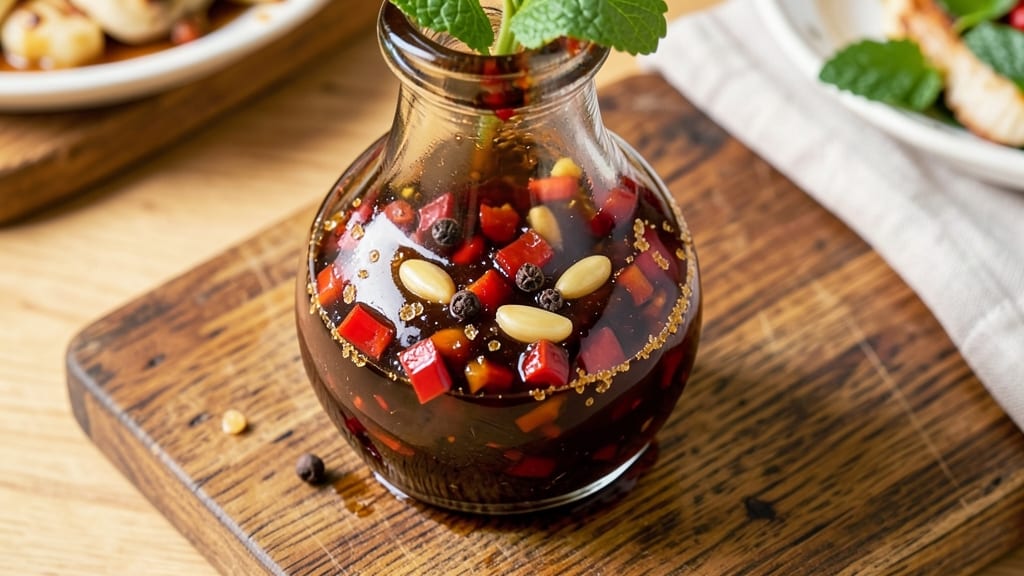
This Barbados pepper sauce recipe delivers the fiery Scoville heat and rum-infused depth that makes it a Caribbean staple. The secret lies in balancing Scotch bonnet peppers with vinegar and rum, creating a sauce that's both bold and complex.
I developed this version after years of testing—it's the perfect blend of heat, sweetness, and smoky depth that elevates everything from grilled meats to fried plantains.
The process is straightforward but requires patience, especially when handling the peppers. You'll need to blend, strain, and let the flavors meld before bottling. The rum adds a subtle warmth that rounds out the sauce's intensity, while the vinegar ensures longevity.
This isn't just a condiment—it's a flavor enhancer that transforms simple dishes into something extraordinary.
What you'll end up with is a vibrant red sauce with layers of heat that build gradually, not overwhelmingly. The texture is smooth and glossy, perfect for drizzling or dipping. Whether you're marinating jerk chicken or adding a kick to seafood, this sauce delivers restaurant-quality results at home.
Store it in the refrigerator for up to two weeks or preserve it longer with proper canning techniques. The key to success is fresh peppers and letting the flavors develop fully before using. Here's how to make it—your taste buds will thank you.
Ingredients for barbados pepper sauce
Four fiery peppers, a splash of rum, and a touch of sweetness create this Caribbean condiment.
| Ingredient | Amount | Notes |
|---|---|---|
| Scotch Bonnet Peppers 🌶️ | 4 whole | Seeds removed for milder heat |
| White Vinegar 💧 | 1 cup | Distilled preferred for clarity |
| Dark Rum 🍹 | ½ cup | Aged 4+ years for depth |
| Granulated Sugar 🍚 | ¼ cup | White or brown preferred |
| Garlic Cloves 🧄 | 3 cloves | Freshly minced for aroma |
| Allspice Berries 🌿 | ½ tsp | Whole berries crushed |
| Thyme Leaves 🌿 | 1 tbsp | Fresh or dried preferred |
| Salt 🧂 | ½ tsp | Kosher or sea salt |
Scotch bonnet peppers are the heart of this sauce—handle with gloves (they're seriously hot!). Look for bright red, firm peppers at Latin markets or specialty stores like Whole Foods—they carry the best selection. If you can't find Scotch bonnet, Habanero peppers work in a pinch, but reduce the amount by half. The rum? Captain Morgan or Appleton Estate are my go-tos—avoid the cheap stuff. Allspice berries are a game-changer here; if you can't find them whole, ground allspice at half the amount works, but it's not the same.
No rum? Extra white vinegar plus a splash of molasses mimics the depth (though it won't be identical). Fresh thyme is ideal, but dried thyme at one-third the amount gets you close. The sugar balances the heat—brown sugar adds a subtle caramel note if you're feeling fancy. For a smoother sauce, strain through a fine-mesh sieve after blending. If you're making this for a crowd, double the batch—it disappears fast during jerk season.
This sauce keeps 2 weeks refrigerated in a sealed jar, but the flavor actually improves over time. For longer storage, canning is the way to go—follow USDA guidelines for acidified sauces. I always make extra and freeze portions in ice cube trays. Once frozen, it lasts 6 months. The heat mellows slightly after a few days, so don't be afraid to use it liberally on the first day—it'll mellow beautifully.
Why You'll Love This Recipe
- Here’s what sold me: I can make this with exactly what I already have. No specialty ingredients, no last-minute grocery runs. That dark rum? You’ve got a bottle somewhere. The vinegar? Probably under your sink. Even the sugar is just sugar. It’s the kind of recipe that turns “I’m out of ideas” into “let’s make something special” in 10 minutes.
- No-Fuss Simmer: I swear by this recipe because it’s basically hands-off after the initial chop. Toss those Scotch Bonnets (seeds and all, if you’re brave) with garlic and vinegar, let it bubble for 15 minutes, then stir in the rum and sugar. That’s it—no straining, no fussing, just pure, smoky-sweet heat building in your pot.
- Heat with Depth: Between us, the rum doesn’t just add boozy notes—it mellows the Scotch Bonnet’s fire into something complex. The vinegar cuts through the richness, the sugar caramelizes just enough to round the edges, and the garlic? Oh, it lingers like a secret. This isn’t just spicy; it’s layered—bright, funky, and just a little bit dangerous.
- Pantry Magic: Here’s what sold me: I can make this with exactly what I already have. No specialty ingredients, no last-minute grocery runs. That dark rum? You’ve got a bottle somewhere. The vinegar? Probably under your sink. Even the sugar is just sugar. It’s the kind of recipe that turns “I’m out of ideas” into “let’s make something special” in 10 minutes.
Step-by-step instructions for Barbados pepper sauce
Here's how to craft this bold, rum-infused sauce that balances Caribbean heat with sweet complexity.
Prepare the Peppers for Maximum Flavor
Carefully remove the stems from the 4 whole Scotch Bonnet peppers and slice them lengthwise into quarters. I like to work with gloves on—these peppers pack serious heat! Remove the seeds and membranes (but leave some for authentic heat), then chop the pepper quarters into ¼-inch pieces. This size ensures even cooking while preserving their fiery character.
Transfer the chopped peppers to a heatproof bowl. Here's the thing—if you're sensitive to heat, you might want to wear gloves until the sauce cooks down. The raw peppers contain capsaicin, which can irritate skin. I always rinse my hands thoroughly after handling them to avoid any lingering heat sensations.
Combine Ingredients in a Saucepan
In a medium saucepan, combine the chopped Scotch Bonnet peppers, 1 cup white vinegar, 0.5 cup dark rum, 0.25 cup granulated sugar, 3 minced garlic cloves, 0.5 teaspoon crushed allspice berries, 1 tablespoon thyme leaves, and 0.5 teaspoon salt. Give everything a gentle stir to ensure the garlic and allspice are fully submerged in the liquid.
This is where the magic starts happening. The vinegar will help extract the pepper's oils, while the rum adds depth that you won't get with just vinegar alone. The sugar helps balance the acidity and heat, creating that perfect sweet-spicy harmony that makes this sauce so addictive.
Simmer Until Thick and Fragrant
Place the saucepan over medium-high heat and bring the mixture to a boil. Once boiling, reduce the heat to medium-low and let it simmer uncovered for 20-25 minutes. You'll notice the sauce gradually thickens as the liquid reduces, and the aroma becomes incredibly complex—smoky, sweet, with that unmistakable peppery punch.
I like to stir occasionally, but not constantly—this helps prevent the sauce from splattering, which can be especially problematic with hot peppers. Watch for the sauce to reduce by about half and coat the back of a spoon. When it reaches this consistency, it's ready for the next step.
Strain and Bottle for Storage
After simmering, remove the pan from heat and let the sauce cool slightly for 5 minutes. Then, carefully strain it through a fine-mesh sieve into a clean glass jar or bottle. I press down gently on the solids with a spoon to extract every last bit of flavorful liquid. The strained sauce should be smooth with no visible pepper pieces.
Let the sauce cool completely before sealing. The rum will continue to mellow out the heat over time, making the sauce even more complex. This is also when the flavors truly meld together. Once cooled and sealed, store it in the refrigerator where it'll keep for up to 3 months, or you can process it for longer shelf life.
Pro Tips For Making Barbados Pepper Sauce
- CHAR THE PEPPERS LOW: Scotch Bonnets burn fast—simmer them in the vinegar and rum over the lowest heat you can tolerate, covered. I’ve seen people crank the heat to speed things up, and it turns the sauce bitter. Patience here means a smooth, fruity depth later.
- PEEL GARLIC AFTER COOKING: Raw garlic cloves add a harsh bite to the sauce. Roast or simmer them whole in the vinegar-rum mix first, then peel them after. The skins slide off like magic, and the flavor mellows into something sweet and caramelized—no more chewing through surprises.
- STRAIN THE SEEDS OUT: Those tiny Scotch Bonnet seeds pack a wallop, but they don’t dissolve—they just make the sauce unevenly spicy. After blending, pour the mixture through a fine-mesh sieve or cheesecloth to catch them. Yes, it’s extra work, but your friends won’t be reaching for milk mid-bite.
- USE AGED RUM, NOT JUNK: Cheap rum tastes like it came from a gas station, and it’ll make your sauce smell like regret. Splurge on a 3-5 year aged dark rum—just 2-3 tablespoons. The caramel and vanilla notes actually show up in the sauce, not just the alcohol burn. Trust me, your taste buds will notice.
Common mistakes when making perfect results
Skipping the Simmer
One of the biggest mistakes is rushing the simmering process. Some home cooks bring the sauce to a boil and then immediately strain it, thinking the heat is enough to develop flavor.
But this sauce needs 20-25 minutes of gentle simmering to let the flavors meld and the sauce thicken properly. Without this step, you'll end up with a thin, acidic sauce that lacks depth and complexity. I've made this mistake myself—trust me, the difference is night and day. 🔥
Using Low-Quality Rum
The rum isn't just an ingredient—it's the secret weapon that adds depth and smooths out the heat. Using cheap rum (or skipping it entirely) will leave your sauce tasting flat and one-dimensional. I always recommend aged rum (4+ years) like Captain Morgan or Appleton Estate.
The higher-quality rum adds subtle caramel and vanilla notes that balance the pepper's heat beautifully. If you must substitute, a splash of molasses can help, but it won't replicate the rum's complexity.
Overloading on Peppers
Scotch bonnet peppers are already fiery, but some recipes (or home cooks) go overboard with the quantity. Using more than 4 peppers can make the sauce overwhelmingly hot with little room for the other flavors to shine. The rum, vinegar, and sugar need space to work their magic.
If you love heat, start with 4 peppers and adjust to taste after tasting the strained sauce. Remember, the heat will mellow slightly as it sits, so don't be afraid to go bold at first.
Not Straining Properly
Straining is where the sauce goes from rustic to refined. Skipping this step or using a coarse sieve leaves behind fibrous pepper pieces that can make the texture uneven. I always use a fine-mesh sieve and press down gently with a spoon to extract every last bit of flavorful liquid.
If you're impatient, you might be tempted to skip this step, but the texture and presentation suffer. A smooth, glossy sauce is worth the extra effort—it looks and tastes professional. ✨
Ignoring the Cooling Phase
After simmering, it's tempting to bottle the sauce immediately, but letting it cool completely before sealing is crucial. The rum continues to mellow out the heat as it cools, and the flavors develop further.
If you seal it while hot, the jar can warp or the sauce may not last as long. I always let it cool to room temperature before refrigerating. This patience pays off with a more balanced, complex sauce that tastes even better the next day.
Storing Improperly
This sauce is best stored in an airtight glass jar in the refrigerator, where it keeps for up to 3 months. Some people make the mistake of storing it in plastic containers or leaving it at room temperature, which can lead to spoilage or flavor degradation.
For longer storage, canning is the way to go—follow USDA guidelines for acidified sauces to ensure safety. I always make extra and freeze portions in ice cube trays for convenience. Proper storage preserves both flavor and safety. 💡
Nutrition facts
Frequently asked questions
Can I substitute Scotch bonnet peppers with another type?
Yes, but adjust carefully! Habanero peppers work best—use 2 peppers instead of 4 and remove all seeds/membranes for milder heat. Avoid jalapenos or serranos—they lack the sweetness and depth. For a smoky alternative, try 1-2 smoked Scotch bonnet peppers if available at specialty stores.
How do I reduce the heat level?
Start by removing all pepper seeds and membranes before cooking. For extra mildness, reduce the simmer time to 15 minutes instead of 20-25. You can also add 1 extra tablespoon of sugar to balance the heat. If it's still too spicy, mix with a neutral oil (like vegetable) before using.
What are the best ways to use this sauce?
This versatile sauce elevates everything! Drizzle over grilled meats, mix into marinades for jerk chicken, or use as a dip for fried plantains. It's also amazing in seafood dishes (like shrimp or lobster) or as a finishing sauce for tacos. For extra boldness, simmer it with 1 tablespoon of soy sauce for 5 minutes before using.
Can I make this sauce without alcohol?
Replace the rum with ½ cup extra white vinegar plus 1 tablespoon molasses for depth. The sauce will still develop complexity, though the flavor profile will be slightly different. For a fruity twist, add ¼ cup pineapple juice instead of molasses—it pairs beautifully with the peppers.
Why does my sauce look cloudy after straining?
Cloudiness usually means residual pepper oils or unstrained particles. Use a cheesecloth-lined fine-mesh sieve and press gently with a spoon. For extra clarity, let the strained sauce sit for 10 minutes before bottling—any remaining particles will settle. If it's still cloudy, it's not spoiled, just slightly more rustic in texture.