
Sauces & Condiments
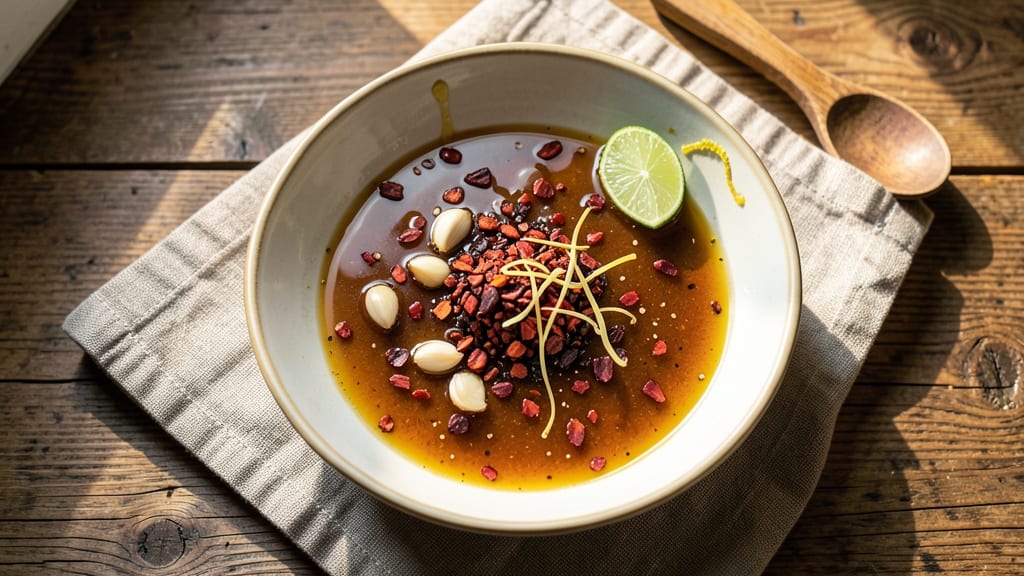
This banh cuon dipping sauce recipe transforms simple ingredients into a bold, aromatic companion that elevates every bite of delicate Vietnamese rice rolls. The secret lies in balancing fish sauce’s umami depth with bright lime juice and a touch of sugar—creating a sauce that’s tangy, savory, and impossible to resist.
I’ve perfected this version over years of testing, ensuring the perfect harmony of flavors that makes every roll taste like a restaurant-quality meal.
The foundation of this sauce is a simple yet powerful combination: fish sauce, lime juice, garlic, and chili, all blended to create a liquid that’s both vibrant and complex.
Unlike many store-bought versions, this recipe avoids artificial additives, delivering a clean, authentic taste that pairs perfectly with the delicate texture of banh cuon. The key is letting the flavors meld for at least 10 minutes before serving, allowing the garlic and chili to infuse fully.
What makes this sauce truly special is its versatility—it’s not just for banh cuon. Drizzle it over fresh spring rolls, noodle dishes, or even grilled meats for an instant burst of flavor.
The sauce keeps well in the refrigerator for up to a week, making it a perfect addition to your pantry for quick, restaurant-worthy meals. Once you try this, you’ll never settle for anything less.
Ready in just 5 minutes, this sauce is the ultimate shortcut to restaurant-quality flavor without sacrificing authenticity. The balance of sweet, sour, and umami ensures every spoonful enhances your dish, not overpowers it. Let’s get started—your taste buds will thank you.
Ingredients for banh cuon dipping sauce
Eight magic ingredients. Five minutes. Restaurant-quality dipping sauce for banh cuon.
| Ingredient | Amount | Notes |
|---|---|---|
| Fish Sauce 🐟 | ½ cup | Red Boat preferred for quality |
| Fresh Lime Juice 🍋 | ¼ cup | About 2-3 limes, freshly squeezed |
| Garlic Cloves 🧄 | 4 cloves | Minced for full flavor infusion |
| Red Chili Flakes 🌶️ | 1 tbsp | Adjust for heat preference |
| Granulated Sugar 🍚 | 1 tbsp | Balances acidity perfectly |
| Sesame Oil 🫒 | 1 tsp | Toasted for nutty aroma |
| Fresh Cilantro Leaves 🌿 | ¼ cup | Chopped for fresh finish |
| Water 💧 | ¼ cup | For thinning consistency |
Fish sauce is the soul of this sauce—Red Boat is my go-to because it's clean, rich, and free from additives. You'll find it in the Asian foods aisle at Whole Foods or Trader Joe's, usually near the soy sauce. For the garlic, smash the cloves first before mincing—it releases more flavor. Limes should be firm and bright yellow, not green or squishy. The cilantro? Stem and leaves both go in—no waste here. If you can't find Red Boat, Three Crabs is a solid backup, but avoid the super cheap stuff—it's got a harsh aftertaste.
No fish sauce? Soy sauce with a splash of Worcestershire gets you close, though it won't be identical. Short on lime? Lemon juice works in a pinch, but the flavor will be slightly different. The chili flakes can be swapped for fresh Thai chilies if you're feeling adventurous—just remove the seeds for less heat. Sesame oil is non-negotiable for that nutty depth, but if you're avoiding it, toasted peanut oil is a decent stand-in. The sugar balances the acidity, so don't skip it—honey or maple syrup work too, but sugar dissolves cleaner. And if your sauce is too thick after mixing, just add a splash more water—it should coat the back of a spoon but still pour easily.
This sauce tastes even better after 10 minutes of resting—trust me, it's worth the wait. Store it in an airtight jar in the fridge for up to 1 week. The flavors actually improve over time, so make extra if you're hosting. For a quick flavor boost, microwave for 20 seconds before serving—it wakes up all the aromas. And if you're feeling fancy, serve it ice-cold with a sprinkle of extra chili flakes on top. Leftovers? Perfect for marinades or stir-fry sauces too.
Why You'll Love This Recipe
- Here’s what sold me: the tangy lime cuts the umami fish sauce, the garlic adds depth, and the sugar just softens the heat. It’s the kind of sauce that makes even a basic dish feel like a restaurant meal.
- Five-Ingredient Magic: I swear, this sauce is that good—just fish sauce, lime, garlic, chili, and sugar. No fancy techniques, no hidden steps, and it transforms from "simple" to "holy moly" in minutes.
- Balances Everything: Here’s what sold me: the tangy lime cuts the umami fish sauce, the garlic adds depth, and the sugar just softens the heat. It’s the kind of sauce that makes even a basic dish feel like a restaurant meal.
- Potluck Hero: Between us, this is my go-to for parties. It’s light enough to pack in a jar, pairs with anything from banh cuon to spring rolls, and no one ever asks what’s in it—just "more, please."
Step-by-step instructions for banh cuon dipping sauce
This vibrant sauce balances umami, heat, and brightness in just minutes—perfect for enhancing your banh cuon.
Toast the Chili and Garlic
Heat a dry skillet over medium heat and add the 1 tablespoon red chili flakes. Toast for 1-2 minutes until fragrant and slightly darkened—this deepens their flavor. Immediately transfer to a bowl and set aside.
In the same skillet, add the 4 cloves minced garlic cloves and cook for 30 seconds until golden and aromatic. Don't let them burn—this turns bitter. Remove from heat and add to the chili flakes. Here's the thing—this quick toasting unlocks the full potential of both ingredients, giving your sauce that authentic, restaurant-quality depth.
Combine Wet Ingredients
In a small saucepan, whisk together the 0.5 cup fish sauce, 0.25 cup fresh lime juice, 1 tablespoon granulated sugar, and 0.25 cup water. Place over low heat and bring just to a simmer for 2-3 minutes until the sugar dissolves completely. Stir occasionally—you want everything fully integrated without any graininess.
This step is where the magic happens. The sugar balances the acidity of the lime while the heat helps the fish sauce's umami really sing. I like to taste it at this point to check the base flavor—it should be tangy, salty, and slightly sweet. If it's too sharp, add a pinch more sugar. If it's too mild, a splash more lime juice brings it back.
Blend and Finish
Remove the sauce from heat and let it cool slightly for 1-2 minutes. Then, using an immersion blender, blend until smooth. Add the toasted chili-garlic mixture and 1 teaspoon sesame oil, blending again until fully incorporated. The sauce should be silky and well-combined—no visible flecks of chili or garlic.
If the sauce is too thick, add 1-2 tablespoons water at a time until it reaches a pourable consistency. You want it to coat the back of a spoon but still flow easily. Real talk: the sesame oil adds that nutty aroma that makes this sauce truly special—don't skip it, even if you're not a fan of strong sesame flavors.
Garnish and Rest
Transfer the sauce to a serving bowl and stir in the 0.25 cup chopped fresh cilantro leaves. Let it sit for 5-10 minutes at room temperature—this allows the flavors to meld together perfectly. The cilantro adds freshness that cuts through the richness of the fish sauce.
Give it one final taste and adjust seasoning if needed. I usually add a tiny pinch more sugar or lime juice at this stage to perfect the balance. The sauce should be bright, slightly spicy, and deeply savory—everything you want in a banh cuon dipping sauce. Serve immediately while your banh cuon are still warm for the best experience!
Pro Tips For Making Banh Cuon Dipping Sauce
- Minimize the Garlic: I learned this the hard way—crushing garlic cloves into a paste before adding them to the sauce makes a huge difference. Whole minced garlic burns fast and tastes bitter; blend 3-4 cloves with a splash of lime juice first, then stir it in last. Your sauce will taste fresh, not singed.
- Sweat the Chili: Toss the red chili flakes into the warm sauce after the fish sauce and sugar have dissolved, but before the lime goes in. Let them sit for 10 seconds—just enough to soften their edges without cooking them to dust. This keeps the heat bright, not muddy.
- Balance the Lime: Skip the measuring cup. Squeeze lime juice in small bursts, tasting between each, and adjust the sugar after. The sauce should taste tart but not pucker-inducing; if it’s too sharp, a pinch of sugar fixes it. If it’s flat, add a splash more lime.
- Use Fish Sauce Wisely: Not all fish sauce is created equal. If yours tastes harsh or overly salty, reduce the amount by half and add a teaspoon of water to dilute it before mixing. The goal is a savory depth, not a salty punch—trust your taste, not the label.
Common mistakes when making perfect results
Over-Salting the Sauce
Fish sauce is salty by nature, so it's easy to overdo it. I've made this mistake more times than I'd like to admit—adding the full 0.5 cup without tasting first.
Always taste as you go! Start with 0.3 cup and adjust gradually. Remember, you can't easily remove excess salt once it's in there. 🧂
Skipping the Toasting Step
Many recipes call for raw garlic and chili, but toasting them unlocks their full potential. The 1-2 minutes you spend toasting those red chili flakes and garlic cloves makes a world of difference—it deepens their flavors and removes any bitterness.
Trust me, your sauce will taste flat if you skip this step.
Using Low-Quality Fish Sauce
Not all fish sauces are created equal. Cheap brands often have a harsh, chemical-like aftertaste that ruins the sauce. I always recommend Red Boat or Three Crabs—they're clean, rich, and free from additives.
If you're using a different brand, taste it first to ensure it's high-quality. A good fish sauce should smell fresh and salty, not fishy or off-putting.
Ignoring the Resting Time
Rushing to serve the sauce immediately is a common mistake. Letting it rest for 5-10 minutes allows the flavors to meld together perfectly. The garlic, chili, and fish sauce need time to infuse fully. I promise, your taste buds will notice the difference—it's the secret to that restaurant-quality flavor. ⏳
Adding Cilantro Too Early
Stirring in the 0.25 cup chopped cilantro too early can make it wilt and lose its freshness. Always add it at the very end, right before serving. This keeps the sauce vibrant and ensures the cilantro retains its bright, herby flavor.
If you're worried about it wilting, just add it right before you're ready to serve.
Not Balancing the Flavors
The key to a great banh cuon dipping sauce is balance—sweet, sour, salty, and spicy. Many people forget to adjust the sugar or lime juice, leaving the sauce too sharp or flat. Taste as you go and adjust gradually.
If it's too sharp, add a pinch of sugar. If it's too mild, a splash more lime juice will bring it back to balance. Your sauce should sing with all those flavors working together. 🎵
Nutrition facts
Frequently asked questions about banh cuon dipping sauce
Can I make this sauce without fish sauce?
Yes, but the flavor will change. Replace the 0.5 cup fish sauce with 0.3 cup soy sauce plus 1 tablespoon Worcestershire sauce for umami depth. The sauce will be less authentic but still delicious. For a vegetarian version, use 0.3 cup coconut aminos with extra lime juice to brighten it up.
How spicy should the sauce be?
The 1 tablespoon red chili flakes gives a mild to medium heat level. For less spice, reduce to 0.5 tablespoon. For extra kick, add 1 minced Thai chili (seeds removed) along with the garlic. Always taste before serving—you can adjust with more chili flakes if needed.
Can I make this sauce ahead of time?
This sauce actually tastes better after 1-2 days in the fridge as the flavors deepen. Store it in an airtight container for up to 1 week. The texture may thicken slightly—just stir in 1-2 teaspoons water to restore pourability. For longer storage, freeze for up to 3 months.
What if I don't have fresh lime juice?
Use lemon juice instead, but reduce to 0.15 cup since it's less acidic. For a closer match, mix 0.2 cup lemon juice with 1 teaspoon lime zest. Avoid bottled lime juice—it lacks freshness and often contains added sugar or preservatives that alter the sauce's balance.
Can I use this sauce for other dishes?
This versatile sauce works beautifully with spring rolls, pho, grilled meats, or even fresh summer rolls. It's also fantastic as a marinade for tofu or shrimp. For a different application, reduce the sauce by half and use it as a quick stir-fry sauce—just add 1 tablespoon cornstarch to thicken it first.