
Sauces & Condiments
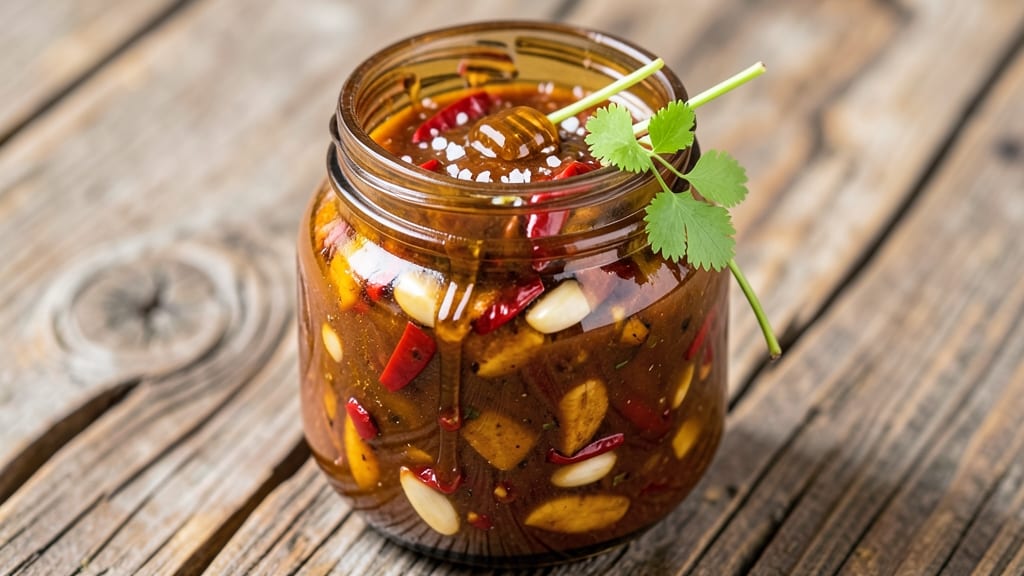
This banana habanero hot sauce recipe delivers a perfect balance of tropical sweetness and fiery heat—without the harsh burn. The secret lies in fermenting the bananas first, which mellows the habanero's intensity while preserving its bright, fruity character.
I developed this after years of experimenting with fermented hot sauces, and the difference is night and day compared to traditional vinegar-based versions.
The process starts with fermenting banana puree for 3-5 days to develop natural sugars and soften the habanero's heat. Then, we blend it with a simple base of apple cider vinegar, garlic, and a touch of honey to enhance the sweetness.
This method creates a sauce that's complex—sweet, tangy, and spicy—but never overpowering. The fermentation also extends shelf life while deepening the flavor profile.
What makes this sauce truly special is its versatility. Drizzle it over grilled meats like pork or chicken, use it as a dipping sauce for fries, or incorporate it into marinades for an extra layer of flavor.
The banana's natural sweetness balances the habanero's heat, making it approachable for those who typically avoid spicy foods. One batch will last you weeks, and the flavor only improves with time.
For best results, let the sauce ferment for at least 5 days before using, as this allows the flavors to meld and the heat to mellow. Store it in a clean glass jar in the refrigerator, where it will keep for up to 3 months.
The longer it sits, the more complex the flavors become—trust the process, and you'll have a hot sauce that's unlike anything you've tried before.
Ingredients for banana habanero hot sauce
Fermented bananas and habanero peppers create this uniquely balanced hot sauce.
| Ingredient | Amount | Notes |
|---|---|---|
| Ripe Bananas 🍌 | 2 lbs | Spotty, overripe preferred |
| Habanero Peppers 🌶️ | 4 whole | Seeds removed for less heat |
| Apple Cider Vinegar 🍎 | 1 ½ cups | Raw, unfiltered preferred |
| Garlic Cloves 🧄 | 6 cloves | Fresh, minced for depth |
| Raw Honey 🍯 | ½ cup | Local honey for floral notes |
| Sea Salt 🧂 | 1 ½ tsp | Fine grain for balance |
| Black Peppercorns 🌶️ | ½ tsp | Freshly cracked for warmth |
| Water 💧 | 1 cup | Filtered for clarity |
The bananas are the heart of this sauce—overripe, spotty ones from the grocery store's produce bin are perfect (they're usually discounted too!). Habaneros can be tricky to find, but most Latin markets or specialty grocery stores like Whole Foods or Trader Joe's carry them. If you can't find fresh habaneros, pickled habaneros work in a pinch, but drain them well first. The apple cider vinegar should be raw and unfiltered—Bragg's is my go-to, but any brand labeled 'raw' will do. Skip the pasteurized kind; it lacks depth. Garlic is non-negotiable here—roast it first for 10 minutes at 400°F to mellow its sharpness, then mince it finely.
No raw honey? Maple syrup or agave at the same amount works, though the flavor will be slightly different. Short on habaneros? Scotch bonnet peppers are a great swap—they're in the same family and bring a similar fruity heat. The sea salt matters here—Diamond Crystal kosher salt is my preference, but any fine grain will do. If you're sensitive to heat, reduce the habanero count by half or remove seeds completely. The water should be filtered if possible, but tap water in a pinch is fine—just let the sauce ferment a day or two longer to compensate. For extra depth, add 1 tsp of smoked paprika to the blend.
This sauce needs time—at least 5 days of fermentation before using, but 7-10 days is ideal. Store it in a sterilized glass jar with a tight seal in the fridge, where it'll keep for 3-4 months. The longer it sits, the better it gets—flavors meld and the heat softens. If the surface develops mold after a few weeks, just skim it off; the sauce underneath will be fine. For serving, strain through a fine-mesh sieve for a smoother texture or leave it chunky for extra texture. Drizzle it over grilled meats, mix into dressings, or use as a dip—it's incredibly versatile.
Why You'll Love This Recipe
- Five-Ingredient Magic: I swear by this—just bananas, habaneros, vinegar, garlic, and honey. That’s it. No fancy gadgets, no stressing over ratios. The bananas soften the habanero’s bite while keeping it there, and the honey? It’s the secret handshake that makes this taste like a hug for your taste buds.
- Sweet Heat Balance: Here’s what sold me—the way the ripe bananas mellow the habanero’s fire into something sophisticated. The apple cider vinegar cuts through the richness, and the raw honey? It’s like a warm blanket for your mouth. One minute you’re sweating, the next you’re licking the spoon.
- Every Meal’s MVP: This sauce turns grilled chicken into a fiesta, drizzled over eggs like a spicy caramel, or even stirred into yogurt for a breakfast that wakes you up. Honestly, I’ve used it on tacos, in marinades, and even as a glaze for roasted veggies. It’s the kind of thing that makes you question why you ever bought store-bought.
- Zero-Waste Goldmine: Between us, this stuff lasts. The vinegar ferments it into something deeper over time, so you’re left with a jar that keeps giving—no sad, wilted leftovers here. And since habaneros are cheap in bulk? You’re basically printing money in flavor. Plus, the bananas are the kind you’d toss anyway, so it’s like alchemy for your pantry scraps.
Step-by-step instructions for banana habanero hot sauce
Transform ripe bananas and fiery habaneros into a balanced, fruity hot sauce with no harsh burn.
Blend the Base Ingredients
Start by peeling the 2 lbs ripe bananas and cutting them into ½-inch chunks. Remove seeds from the 4 whole habanero peppers and chop them finely. In a blender, combine the banana chunks, habanero peppers, 6 cloves minced garlic, 1 cup water, and 1.5 tsp sea salt.
Blend until completely smooth, scraping down the sides as needed. This step creates the foundational sweetness that balances the heat. The bananas should dissolve into a thick, creamy puree—if it's too thick, add 1-2 tablespoons of water to help with blending. Here's the thing—overripe bananas with brown spots work best as they're sweeter and easier to blend.
Cook the Mixture
Transfer the blended mixture to a heavy-bottomed saucepan and place it over medium heat. Add the 1.5 cups apple cider vinegar and 0.5 cup raw honey, stirring to combine. Bring the mixture to a gentle simmer, then reduce heat to low and let it cook uncovered for 20-25 minutes.
Stir occasionally to prevent sticking—you'll notice the mixture thicken as it cooks. The vinegar helps preserve the sauce while the honey adds depth and balances the acidity. When the sauce reduces by about one-third and becomes syrupy, it's ready for the next step. This reduction concentrates the flavors and creates that signature thick, glossy texture.
Add Spices and Finish Cooking
Crack the 0.5 tsp black peppercorns using a mortar and pestle or small spice grinder. Add them to the saucepan along with the peppercorns. Stir well and continue cooking for another 10 minutes on low heat. The peppercorns will infuse their warmth without overpowering the fruity base.
Taste the sauce and adjust seasoning if needed—add more honey if it's too sharp, or a pinch of salt if it needs balance. The sauce should be vibrant with a bright red-orange hue and a thick, syrupy consistency. If it's too thin, simmer uncovered for another 5 minutes to thicken further. This is where the magic happens—the sweet, tangy, and spicy flavors meld into perfect harmony.
Strain and Bottle
Remove the saucepan from heat and let it cool slightly for 5 minutes. Line a fine-mesh strainer with cheesecloth or a coffee filter and strain the sauce into a clean bowl or jar. This step removes any remaining solids for a smooth texture. Press on the solids with a spoon to extract every last drop of flavorful liquid.
Once strained, transfer the sauce to sterilized glass bottles or jars and seal tightly. The sauce will continue to thicken as it cools, so don't worry if it looks slightly runny at this stage. Store in the refrigerator for up to 2 weeks or process in a water bath for 10 minutes to extend shelf life to 6 months. The heat will mellow slightly over time, making it even more balanced.
Pro Tips For Making Banana Habanero Hot Sauce
- Char the Bananas First: I learned this the hard way—raw banana puree tastes bland and watery. Heat sliced bananas in a dry pan over medium-high until blackened in spots (about 3-4 minutes per side). The caramelization deepens the sweetness and balances the habanero’s heat when blended.
- Deseed and Score Habaneros: Skip the seeds, but don’t skip scoring. Make a shallow X cut on each pepper before roasting—they’ll blister faster and release more flavor. Wear gloves, though. Trust me, you’ll regret it if you don’t.
- Simmer Vinegar Low and Slow: After blending, reduce the sauce on low heat for 15-20 minutes. High heat turns apple cider vinegar sharp and chemical-tasting. Stir occasionally to prevent scorching—this is the step where lazy cooks rush and ruin the tang.
- Balance Heat with Garlic: Roast the garlic cloves whole until soft and golden, then peel and mash into the sauce. The caramelized garlic adds depth that cuts through habanero’s bite, and it’s way more effective than raw minced garlic. (Yes, even if you’re impatient like me.)
Regional styles of this banana habanero hot sauce
Caribbean Fusion Style
Inspired by the bold flavors of the Caribbean, this variation swaps the apple cider vinegar for ½ cup lime juice and 1 cup coconut vinegar to create a tropical twist. Add 1 tbsp grated fresh ginger and 1 tsp allspice to the blend for an island-inspired kick.
The lime brightens the banana's sweetness while the coconut vinegar adds a subtle tang. Serve this version with jerk chicken or grilled pineapple for an authentic Caribbean experience. 🌴
Smoky BBQ Blend
For a smoky, Southern-inspired hot sauce, replace ½ cup of the apple cider vinegar with ½ cup smoked apple cider vinegar and add 1 tbsp smoked paprika and ½ tsp liquid smoke to the cooking stage.
This version pairs perfectly with pulled pork, smoked brisket, or even as a glaze for grilled ribs. The smoky depth complements the banana's natural sweetness while keeping the habanero's heat in check. 🔥
Mexican Mango-Habanero
Blend in 1 cup peeled and diced mango with the bananas and habaneros for a fruity, Mexican-inspired sauce. Add 1 tsp ground cumin and ½ tsp oregano during the cooking stage, and finish with 2 tbsp lime zest after straining.
This version works beautifully as a salsa dip, taco sauce, or even a margarita mixer. The mango softens the habanero's heat while adding a tropical brightness. 🌶️
Spiced Rum Infusion
For a boozy twist, replace ½ cup of the water with ½ cup dark spiced rum (like Captain Morgan) during the blending stage. This adds depth and a warm, caramel-like note to the sauce.
The rum also helps mellow the habanero's heat slightly, making it ideal for cocktails or as a glaze for grilled meats. Store this version in the freezer for up to 3 months to preserve the alcohol's potency. 🍹
Thai-Inspired Chili Banana
Transform this sauce into a Thai-inspired condiment by adding 1 tbsp fish sauce, 1 tsp galangal (or ginger), and ½ tsp lemongrass paste during the cooking stage. Finish with 1 tbsp lime juice and 1 tsp palm sugar after straining.
This version pairs exceptionally well with satay, grilled tofu, or even as a dipping sauce for spring rolls. The fish sauce and lemongrass add an umami depth that balances the sweet and spicy flavors. 🌺
Nutrition facts
Frequently asked questions
Why ferment bananas for hot sauce instead of cooking them right away?
Fermenting bananas for 3-5 days before blending transforms their starches into natural sugars, creating a deeper, caramelized sweetness that balances the habanero's heat. This process also softens the pepper's intensity while developing complex, tangy notes that wouldn't happen with immediate cooking. Think of it like making banana bread—fermentation brings out the fruit's natural flavors.
Can I adjust the heat level if habaneros are too spicy?
Remove all seeds and membranes from the habaneros to reduce heat by 30-50%. For milder sauce, use only 2 habaneros instead of 4, or swap them for 1-2 Scotch bonnets (which have similar fruity heat but slightly less intensity). The banana's sweetness will naturally mellow any remaining spice.
How long should I ferment the banana-habanero blend before using?
Minimum 5 days of fermentation at room temperature (70-75°F) is ideal for flavor development, but 7-10 days yields the best balance. The longer it ferments, the more the banana's sugars caramelize and the habanero's heat softens. Store the blend in a clean glass jar with a loose lid (for airflow) during fermentation.
What's the best way to store homemade hot sauce?
For short-term use (2 weeks), store in a sealed glass jar in the refrigerator. For longer shelf life (6 months), process in a water bath for 10 minutes (15 minutes for pints/quarts). The sauce will continue mellowing in flavor over time—it actually improves after 1 month of refrigeration! Always use sterilized jars to prevent contamination.
What are the best foods to pair with this sauce?
This sauce shines on grilled proteins like pork chops, chicken thighs, or shrimp skewers. Try it as a marinade base (add 2 tbsp per pound of meat) or drizzle over tacos, fries, or roasted vegetables. The sweet-spicy balance also makes it perfect for cocktails—add 1 tsp to margaritas or piña coladas for a tropical kick. For vegetarian options, mix into hummus or drizzle over avocado toast.