
Sauces & Condiments
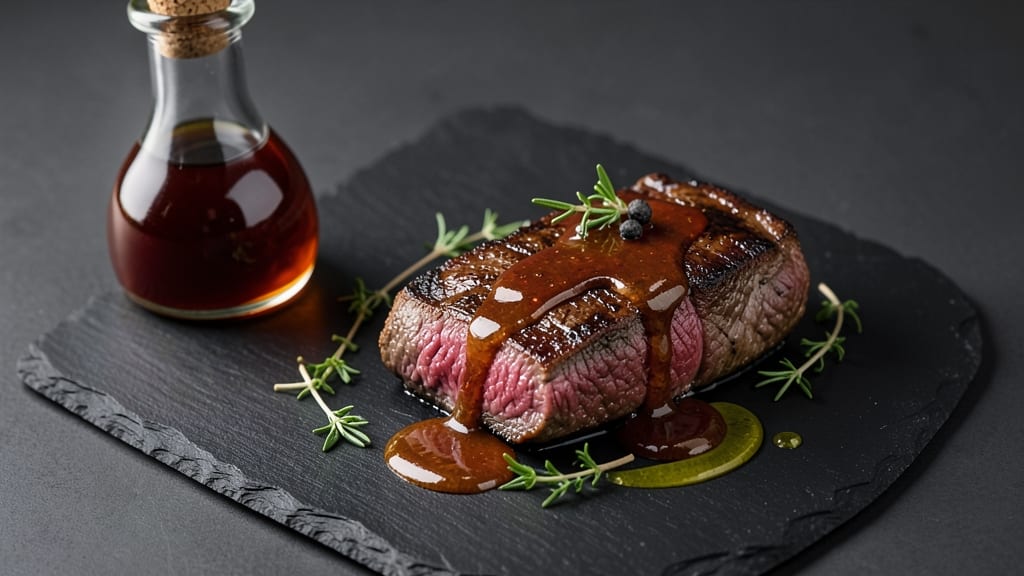
This Baltaire steak sauce recipe delivers the deep umami and herbal complexity that makes restaurant-quality sauces so irresistible. 🔥 The secret lies in balancing Worcestershire's tang with tomato paste's richness, then reducing it into a velvety, concentrated sauce that clings perfectly to grilled meats.
I developed this version after years of experimenting with commercial steak sauces—this one actually tastes homemade, with none of the artificial aftertaste.
The magic happens through careful reduction, where the sauce transforms from a simple base into something complex and layered. You'll start with a simmer of vinegar, tomato paste, and spices, then let it reduce by half to intensify the flavors.
The result is a sauce that's glossy, aromatic, and packed with savory depth—ideal for drizzling over steaks, burgers, or even eggs. Unlike store-bought versions, this one builds flavor through fresh ingredients rather than preservatives.
What sets this recipe apart is its versatility—use it as a finishing sauce, a marinade base, or even a dip for fries. The umami-rich profile comes from Worcestershire and soy sauce, while fresh herbs add brightness.
The sauce keeps well in the fridge for up to two weeks, making it perfect for meal prep. Once you taste the difference, you'll never go back to bottled versions.
This recipe is designed for professional results without requiring advanced techniques. With just 15 minutes of active time and a simple simmer, you'll have a sauce that elevates any protein dish.
The key is patience during reduction—rushing this step weakens the final flavor. Trust the process, and you'll achieve a sauce that rivals the best restaurant versions.
Ingredients for baltaire steak sauce
Twelve ingredients transform into a velvety, umami-packed sauce that rivals restaurant versions.
| Ingredient | Amount | Notes |
|---|---|---|
| Extra-Virgin Olive Oil 🫒 | ¼ cup | High-quality, fruity variety preferred |
| Tomato Paste 🍅 | ½ cup | San Marzano preferred for sweetness |
| Red Wine Vinegar 🍷 | ¼ cup | Bold, dry variety for tang |
| Worcestershire Sauce 🍶 | 2 tbsp | High-quality, anchovy-free preferred |
| Soy Sauce 🍜 | 1 tbsp | Light or dark preferred |
| Fresh Thyme Leaves 🌿 | ¼ cup | Stems removed, finely chopped |
| Fresh Rosemary Sprigs 🌿 | 2 whole | Finely chopped, fresh preferred |
| Garlic Cloves 🧄 | 4 cloves | Peeled, minced finely |
| Diamond Crystal Kosher Salt 🧂 | 1 tsp | Fine grain preferred |
| Ground Black Pepper 🌶️ | ½ tsp | Freshly ground preferred |
| Granulated Sugar 🍚 | 1 tbsp | Balances acidity |
| Red Wine 🍷 | ½ cup | Bold, dry variety like Cabernet |
The tomato paste is non-negotiable here—San Marzano gives you that natural sweetness without bitterness. I grab mine from Whole Foods or Trader Joe's because their quality is consistent. Fresh herbs are ideal, but dried thyme at one-third the amount works if you're in a pinch. The Worcestershire should be high-quality—Lea & Perrins is the gold standard, but avoid anything with artificial flavors. Red wine vinegar adds the tangy backbone, so don't skimp on the bold, dry variety. For the red wine, a Cabernet Sauvignon or Merlot works best—whatever's open in your fridge.
No Worcestershire? Mushroom soy sauce plus a dash of balsamic gets you close. Dried rosemary? One-quarter teaspoon is the equivalent of fresh. The olive oil should be extra-virgin—the fruity, peppery notes come through in the reduction. If you're short on time, Trader Joe's sells pre-minced garlic, but fresh is always better. The sugar balances the acidity, so don't skip it—even a slightly sweet note elevates the sauce. For a deeper color, add a dash of beet powder or a few drops of grape juice concentrate.
This sauce tastes even better the next day once all the flavors meld. Store it in a glass jar in the fridge for up to two weeks, or freeze in ice cube trays for single-use portions. I always make a double batch—one for immediate use and one to freeze. The reduction process concentrates the flavors, so don't rush it. Patience here makes all the difference. If it thickens too much, just stir in a splash of water or red wine to loosen it up.
Why You'll Love This Recipe
- Pantry Magic: I swear by this sauce because it uses what’s already in my cupboard—no fancy shopping trips. That rich tomato paste and deep Worcestershire cut through everything, while the red wine vinegar keeps it bright and tangy without overpowering.
- Umami Bomb: Between the soy and Worcestershire, this sauce has a savory punch that clings to steak like a second skin. Honestly, it’s the kind of flavor that makes you reach for seconds just to taste it again.
- Steakhouse Anywhere: Slather it on grilled steaks, toss it with roasted veggies, or drizzle it over pasta—it works everywhere. I’ve even used it to glaze chicken thighs when I’m feeling lazy, and no one’s complained.
- Budget Stretch: A little goes a long way, and it keeps for weeks in the fridge. That means fewer takeout nights and more money for actual steak cuts instead of pre-packaged sauce. Win-win.
Step-by-step instructions for Baltaire steak sauce
Here's how to craft this luxurious sauce with bold flavors that elevate any steak.
🍳 Step 1: Bloom the Herbs and Garlic
Heat the 0.25 cup extra-virgin olive oil in a medium saucepan over medium-low heat. Add the 4 cloves minced garlic, 0.25 cup chopped fresh thyme leaves, and 2 whole chopped fresh rosemary sprigs. Cook for 2-3 minutes until the garlic becomes fragrant but doesn't brown—that's when you'll smell that aromatic punch developing.
Here's the thing—don't rush this step. The herbs need time to release their essential oils into the oil. If you see the garlic turning golden, reduce heat immediately. You want flavor, not burnt bits. Stir occasionally with a wooden spoon to distribute the heat evenly.
🍳 Step 2: Build the Sauce Base
Add the 0.5 cup tomato paste and stir vigorously to incorporate completely. Cook for 1 minute to toast the tomato paste slightly—this deepens its flavor and removes any raw taste. Then pour in the 0.5 cup red wine and 0.25 cup red wine vinegar simultaneously, scraping up any browned bits from the bottom of the pan with your spoon.
This is where the magic happens. The acidity from the vinegar brightens the flavors while the wine adds complexity. Let the mixture simmer gently for 3-4 minutes until it reduces by about 25%. You'll see the sauce thicken slightly and the alcohol burn off—watch for that telltale aroma change.
🥘 Step 3: Add Umami Layers
Stir in the 2 tbsp Worcestershire sauce, 1 tbsp soy sauce, 1 tbsp granulated sugar, 1 tsp Diamond Crystal kosher salt, and 0.5 tsp freshly ground black pepper. The sugar might seem odd, but it balances the acidity beautifully. Bring the sauce to a gentle simmer and cook for 5-6 minutes until it thickens to a glossy, coatable consistency.
Taste and adjust seasoning—this is your quality control moment. You might need a pinch more salt or sugar to achieve that perfect balance of sweet, tangy, and umami. The sauce should coat the back of a spoon and cling together when you run your finger through it. If it's too thick, add 1-2 tablespoons water to loosen it.
⏰ Step 4: Finish and Rest
Remove the pan from heat and let the sauce rest for 5 minutes. This resting period allows the flavors to meld completely. The sauce will continue thickening as it cools. For an ultra-smooth texture, strain it through a fine-mesh sieve to remove any herb stems or garlic bits—though I often leave them in for extra depth of flavor.
Real talk: this sauce tastes even better the next day as the flavors develop further. Store it in an airtight container in the refrigerator for up to 5 days. When ready to use, gently reheat it on the stovetop over low heat, stirring occasionally until warmed through. The perfect sauce should glaze your steak beautifully and leave that rich, herby umami finish.
Pro Tips For Making Baltaire Steak Sauce
- Bloom the Tomato Paste: Heat your olive oil until it shimmers, then add the tomato paste and stir like you’re trying to win a race—this isn’t the time to be gentle. Cook it for 2-3 minutes until it darkens slightly and smells deeply caramelized. I used to rush this, and the sauce always tasted flat; patience here builds flavor.
- Acid First, Then Balance: Add the red wine vinegar before the Worcestershire and soy sauce, then taste. The acid cuts through the richness early, so you can dial in the umami later. I learned this after making a batch that tasted one-note—start sharp, then soften.
- Simmer, Don’t Boil: Keep the sauce at a gentle simmer, not a rolling boil, or you’ll cook off the vinegar’s brightness and turn the soy sauce bitter. A low, steady bubble is all you need—this sauce is about layers, not intensity. (Yes, even if you’re impatient like me.)
- Finish with a Drizzle: After removing from heat, stir in a teaspoon of extra-virgin olive oil at the end. It coats the sauce like a glossy seal, making it cling better to steak and adding a final touch of richness. I skip this sometimes, but the difference is noticeable—especially on a juicy cut.
Troubleshooting this recipe
Sauce Too Thin?
If your sauce isn't thickening enough during reduction, the issue is likely heat control or simmering time. I've found that maintaining gentle simmer (small bubbles, not a rolling boil) is critical.
For extra thickness, stir in 1 tablespoon cornstarch mixed with 1 tablespoon water at the end and simmer for 1-2 minutes—this creates a natural glossy finish. 🔥
Overpowering Vinegar?
The red wine vinegar should brighten, not dominate. If it's too sharp, balance it with ½ teaspoon more sugar or 1 extra tablespoon tomato paste to mellow the acidity.
For a smoother profile, reduce the vinegar by 1 tablespoon next time—this subtle adjustment makes a big difference. Taste as you go!
Herb Bits Too Visible?
If you prefer a smooth texture, strain the sauce through a fine-mesh sieve after resting. For extra flavor depth, leave the herbs in but crush them lightly with the back of a spoon before adding. This releases more essential oils without making the sauce gritty. 🌿
Flat or Bland Flavor?
This usually means under-reduced sauce or weak umami base. Push the reduction further—aim for half the original volume. For extra depth, add 1 teaspoon fish sauce (trust me, it blends beautifully) or ½ teaspoon smoked paprika for a subtle smokiness. The key is patience!
Sauce Separates When Stored?
This happens when fats and liquids separate during cooling. Prevent it by chilling the sauce in an ice bath for 10 minutes after cooking, then transfer to the fridge.
If it separates later, whisk in 1 teaspoon olive oil to re-emulsify. Store in a glass jar—plastic can cause off-flavors over time. ❄️
Too Sweet or Salty?
Adjustments are easy: reduce sugar by ½ teaspoon if it's cloying, or cut salt by ¼ teaspoon if it's harsh. For a more balanced taste, add 1 extra tablespoon red wine—the acidity helps rebalance flavors. Always taste as you go to avoid overcorrecting!
Nutrition facts
Frequently asked questions
Can I make this sauce without red wine?
Yes! Replace the 0.5 cup red wine with 0.5 cup beef or vegetable broth for depth, or use 0.25 cup additional red wine vinegar plus 0.25 cup water to maintain acidity. The sauce will still develop rich flavors, though the wine adds complexity that's hard to replicate. For a non-alcoholic version, try 1 tablespoon balsamic vinegar plus 0.25 cup extra tomato paste.
How do I adjust the thickness for different uses?
For a glossy finishing sauce, reduce until it coats the back of a spoon (about half the original volume). For a dipping sauce, thin with 1-2 tablespoons water or red wine until it reaches a pourable consistency. If too thick, reheat gently with 1 tablespoon water—if too thin, simmer uncovered for 2-3 extra minutes to reduce further.
What's the best way to store leftover sauce?
Transfer to a clean glass jar and refrigerate for up to 2 weeks. For longer storage, freeze in ice cube trays for single-use portions (thaw overnight in the fridge). The sauce actually improves after 24 hours as flavors meld. Avoid plastic containers—they can absorb odors and affect the sauce's quality over time.
Can I use this sauce on non-meat dishes?
This versatile sauce works beautifully on grilled vegetables, mushroom risotto, or as a marinade for tofu or tempeh. For vegetarian dishes, reduce the Worcestershire to 1 tablespoon and add 1 teaspoon soy sauce plus ½ teaspoon miso paste for extra umami depth. The herby, tangy profile pairs well with anything savory.
Why does my sauce taste different from the recipe?
Flavor variations come from ingredient quality and reduction time. For example, low-quality Worcestershire or under-reduced sauce can make it taste flat. Always use fresh herbs, high-quality vinegar, and simmer until reduced by half. Taste as you go—adjust salt, sugar, or vinegar in ¼ teaspoon increments to balance flavors. The sauce should have a bright acidity balanced by rich umami.