
Sauces & Condiments
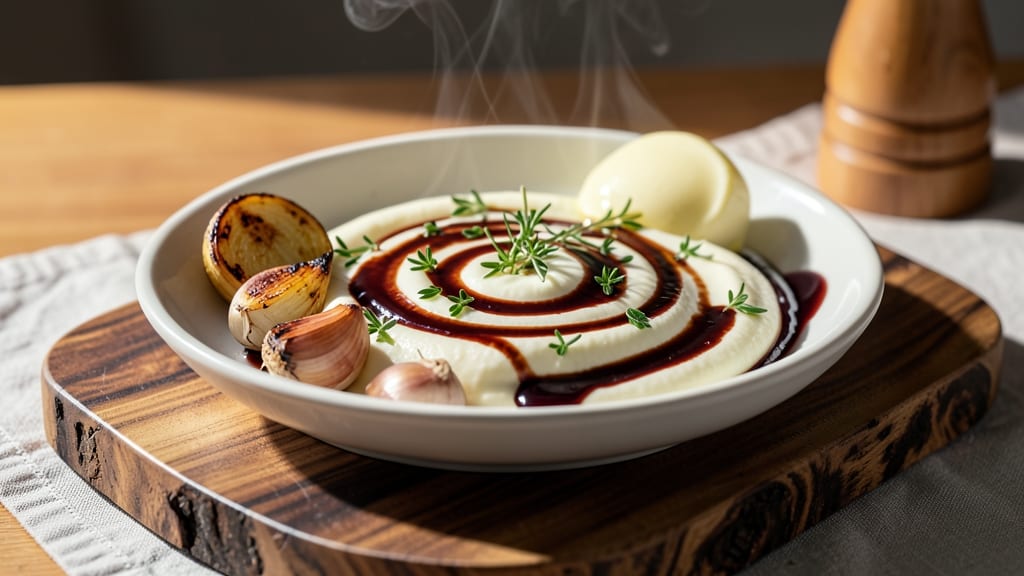
This balsamic cream sauce recipe transforms simple ingredients into a luxurious, velvety drizzle that elevates everything from pasta to roasted meats. The secret lies in balancing tangy balsamic reduction with rich cream, creating a sauce that’s both bold and smooth—without separating or turning grainy.
I’ve perfected this over years of testing, and it never fails to impress, even with minimal effort. The process is straightforward: simmer balsamic vinegar into a glossy reduction, then whisk in warm cream and butter for a silky texture.
A touch of garlic or shallots adds depth, while fresh herbs like thyme or basil brighten the finish. What you’ll end up with is a sauce that clings beautifully to noodles, coats roasted chicken like a dream, and even turns grilled vegetables into a showstopper.
What makes this sauce truly versatile is its ability to adapt—reduce the cream for a lighter version, swap in coconut cream for dairy-free, or add a splash of white wine for extra complexity.
It keeps well in the fridge for up to 5 days, making it a go-to for meal prep or last-minute dinner upgrades. The possibilities are endless, but the technique is foolproof.
Whether you’re drizzling it over fettuccine alfredo, spooning it onto a steak, or using it as a dip for crusty bread, this sauce delivers restaurant-quality results at home. Let’s make it—your taste buds will thank you.
Ingredients for balsamic cream sauce
Simple pantry staples create this restaurant-worthy balsamic cream sauce everyone will crave.
| Ingredient | Amount | Notes |
|---|---|---|
| Balsamic Vinegar 🍷 | ½ cup | High-quality aged variety |
| Heavy Whipping Cream 🥛 | 1 cup | Full-fat for best texture |
| Unsalted Butter 🧈 | 4 tbsp | Cold, cubed for easy melting |
| Shallots 🧅 | 2 whole | Minced for subtle sweetness |
| Garlic Cloves 🧄 | 2 cloves | Minced for aromatic depth |
| Fresh Thyme Leaves 🌿 | ¼ cup | Or 1 tsp dried thyme |
| Granulated Sugar 🍚 | 1 tbsp | Balances acidity |
| Salt 🧂 | ½ tsp | Kosher or sea salt |
| Black Pepper 🌶️ | ¼ tsp | Freshly ground preferred |
| White Wine (optional) 🍷 | ¼ cup | Dry variety for complexity |
The balsamic vinegar is the heart of this sauce, so aged, thick balsamic makes all the difference. Trader Joe's and Whole Foods carry excellent options, but any bottle labeled 'aged' or 'extra aged' will work. I usually grab the Di Girolamo brand—it's pricier but worth it for special occasions. Fresh thyme is ideal, but dried works at one-third the amount if you're in a pinch. The shallots add subtle sweetness without overpowering—if you can't find them, a small yellow onion works too (just use half the amount).
No heavy cream? Coconut cream or Greek yogurt gives a similar texture, though the flavor will differ slightly. Butter hating you? Olive oil or avocado oil works, but the sauce won't be quite as rich. Short on sugar? Honey or maple syrup at half the amount balances the acidity beautifully. The white wine is totally optional, but if you're using it, Sauvignon Blanc or Pinot Grigio pairs perfectly. For a lighter version, reduce the cream to ½ cup and add an extra tablespoon of butter to maintain richness.
This sauce keeps beautifully in the fridge for up to 5 days, though it tastes best within the first 2 days. To reheat, warm gently on the stove or microwave for 20-30 seconds with a splash of water to restore silky texture. Freezes for 3 months if stored in an airtight container with a thin layer of oil on top to prevent skin formation. Portion into small jars for easy drizzling—perfect for pasta, roasted meats, or even grilled vegetables.
Why You'll Love This Recipe
- No Chopping Nightmare: I swear by this recipe because it only asks for two ingredients to dice—shallots and garlic. That’s it. Even if you burn the garlic (yes, I’ve done it), the sauce still tastes like a fancy restaurant’s secret.
- Rich Without Effort: The heavy cream and butter make it velvety, but the balsamic vinegar adds that tangy punch that cuts through the richness. Honestly, it’s the kind of balance that makes you want to drizzle it on everything—pasta, roasted veggies, even grilled chicken.
- Leftovers That Shine: This sauce keeps for days in the fridge, and it only gets better as the flavors meld. I make a double batch on Sundays so I can toss it into weeknight meals without stress. (Yes, even on a Tuesday night.)
- Budget-Friendly Luxury: You’d pay $20 for a jar of store-bought sauce, but this costs pennies to make. A splash of vinegar, some butter, and cream—it’s the kind of recipe that makes you feel fancy without breaking the bank. My daughter picks out the shallots, but still asks for seconds.
Step-by-step instructions for balsamic cream sauce
This velvety sauce comes together in minutes with simple techniques that guarantee rich flavor.
🍳 Step 1: Sauté Shallots and Garlic Until Soft
Melt the 4 tbsp unsalted butter in a medium saucepan over medium heat. Add the 2 whole shallots that you've minced and cook for 5-6 minutes until they become translucent and just beginning to turn golden. This gentle cooking brings out their natural sweetness without burning.
Add the 2 cloves minced garlic and cook for another 30 seconds until fragrant. You'll smell that wonderful aromatic depth developing—this is where the sauce's complex flavor starts building. Keep the heat at medium to prevent the garlic from browning too quickly, which can make the sauce bitter.
🍳 Step 2: Deglaze with Wine and Reduce
Pour in the 0.25 cup white wine (optional) and stir vigorously to scrape up any browned bits from the bottom of the pan. This deglazing step captures all the flavor that would otherwise go to waste. Let the wine simmer for 2-3 minutes until it reduces by about half, intensifying its flavor.
Here's the thing—if you're using wine, don't skip this reduction step. It's what transforms that sharp acidity into a smooth, complex base for your sauce. If you're skipping the wine, just add 0.25 cup water instead and proceed to the next step.
🍳 Step 3: Add Balsamic Vinegar and Sugar
Stir in the 0.5 cup balsamic vinegar and 1 tbsp granulated sugar. The vinegar will bubble vigorously at first, so give it a moment to settle. Then increase the heat to medium-high and let the mixture simmer for 5-6 minutes until it reduces by about half and becomes syrupy.
You're looking for a thick, glossy consistency here—almost like a light syrup. The sugar helps balance the acidity of the balsamic while adding just a touch of sweetness that rounds out the flavors. This reduction step is crucial for developing that signature rich, velvety texture.
🍳 Step 4: Incorporate Cream and Seasonings
Reduce the heat to low and slowly whisk in the 1 cup heavy whipping cream. The contrast in temperatures will cause the cream to thicken beautifully. Add the 0.25 cup fresh thyme leaves, 0.5 tsp salt, and 0.25 tsp black pepper, stirring gently to combine.
Let the sauce simmer for another 3-4 minutes until it reaches your desired consistency. It should coat the back of a spoon but still be pourable. Real talk: if it's too thick, you can thin it with a splash of warm water or pasta water. If it's too thin, simmer it a bit longer to reduce further.
⏰ Step 5: Finish and Rest for Best Texture
Remove the sauce from heat and let it sit at room temperature for 5 minutes. This resting period allows the flavors to meld completely and the sauce to thicken slightly as it cools. It also gives you time to prepare your pasta or protein while the sauce finishes.
Before serving, give it one final taste and adjust the seasoning if needed. The sauce should be perfectly balanced—sweet from the sugar, tangy from the balsamic, and rich from the cream. This velvety drizzle works beautifully over pasta, roasted meats, or even grilled vegetables.
Pro Tips For Making Balsamic Cream Sauce
- Sweat, Don’t Burn: Shallots and garlic need patience—cook them over medium-low heat with a splash of water until translucent, not browned. I learned this the hard way after turning my sauce bitter from charred aromatics. A pinch of salt helps draw out moisture, making them release flavor faster.
- Reduce Vinegar First: Simmer the balsamic vinegar alone for 2-3 minutes before adding cream. This concentrates its acidity and deepens the flavor without curdling the dairy later. Skipping this step leaves your sauce thin and tart—like drinking vinegar instead of savoring it.
- Temper the Cream: Warm the heavy cream separately to just under boiling (160°F) before mixing it into the vinegar-butter shallot base. Cold cream shocks the sauce and can separate it into a greasy mess. I now keep a small pot of cream on standby—it’s worth the extra pan.
- Butter in Stages: Add half the butter at the start to coat the shallots, then reserve the rest to finish the sauce. The final dollop of cold butter at the end creates a silky sheen and balances the acidity. Trust me, a pat of butter at the end makes all the difference—even if it feels like overkill.
Make-ahead tips for this balsamic cream sauce
Prep Ahead Sauce Base
Make the balsamic reduction up to 3 days in advance and store it in an airtight container in the fridge. This concentrated base saves time—simply reheat it gently before adding cream.
I often prep this on Sunday for quick weeknight meals. The flavors deepen as it sits, becoming more complex and balanced. 💡
Cream Addition Timing
Add the cream just before serving for the freshest texture, but if you're prepping ahead, whisk it in 1 hour before use and reheat gently. The cream will thicken beautifully when warmed through.
For meal prep, store components separately—keep the balsamic reduction in one container and the cream mixture in another. Combine when ready to serve.
Portion for Convenience
Divide the finished sauce into small glass jars (like 4-ounce mason jars) for easy drizzling. These fit perfectly in the fridge and make portion control simple. Label them with the date and intended use—perfect for pasta, roasted chicken, or even as a dip.
I keep one jar in the fridge at all times for last-minute upgrades. ✨
Freezer-Friendly Adaptations
For longer storage, freeze the sauce in ice cube trays—each cube is perfect for a single serving. Once frozen, transfer cubes to a freezer bag.
Thaw overnight in the fridge, then reheat gently. The texture remains silky when reheated properly, though it may separate slightly—just whisk vigorously to restore creaminess. 🧊
Reheat Like a Pro
Reheat sauce on the stovetop over low heat with a splash of water or pasta water to prevent curdling. Microwave in 20-second bursts, stirring between each, until warmed through.
Never reheat to boiling—this can break the emulsion and make the sauce grainy. A quick stir with a splash of cold cream can rescue a separated sauce. 🔥
Meal Prep Pairings
Prep your protein or pasta separately and store in airtight containers. When ready to eat, simply reheat the components and drizzle with your pre-made sauce. I love pairing this with roasted chicken thighs or fettuccine—both reheat beautifully and pair perfectly with the sauce.
Plan to cook everything the same day you make the sauce for best results. 🍽️
Nutrition facts
Frequently asked questions
Can I make this sauce without heavy cream?
For a lighter version, substitute 1 cup Greek yogurt or ½ cup coconut cream (plus 2 tbsp water for consistency). The texture will be slightly thicker, but the tangy-sweet balance remains. If using coconut cream, add 1 tsp vanilla extract for depth.
Why did my sauce separate?
Sauces separate when heated too quickly or cooled abruptly. To fix it, whisk in 1 tbsp cold butter or cream while stirring gently over low heat. For prevention, always reheat on low-medium and avoid boiling. A splash of warm pasta water can also restore silkiness.
What’s the best way to store leftovers?
Keep in an airtight container in the fridge for up to 5 days. For longer storage, freeze in ice cube trays—each cube reheats perfectly for single servings. Thaw overnight in the fridge, then warm gently on the stove with a splash of water. Never freeze with metal utensils to avoid ice crystals.
Can I add protein to this sauce?
Yes! Stir in cooked crumbled bacon, prosciutto, or shredded chicken during the final 3 minutes of simmering. For seafood, add shrimp or scallops just before serving to prevent overcooking. Keep portions small—¼ cup per 1 cup sauce—to avoid overpowering the delicate balance.
How do I adjust the sweetness?
Start with the 1 tbsp sugar called for, then taste as you go. Need more sweetness? Add ½ tsp at a time—honey or maple syrup work beautifully. For extra tang, add 1 tsp balsamic glaze at the end. The key is balance: aim for a 1:3 ratio of sweet to tangy for harmony.